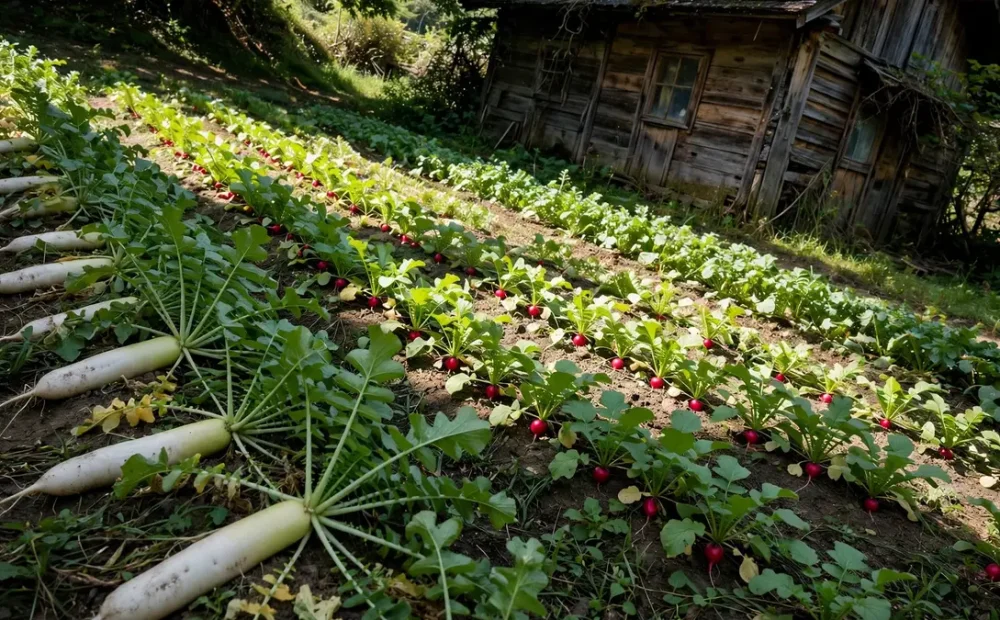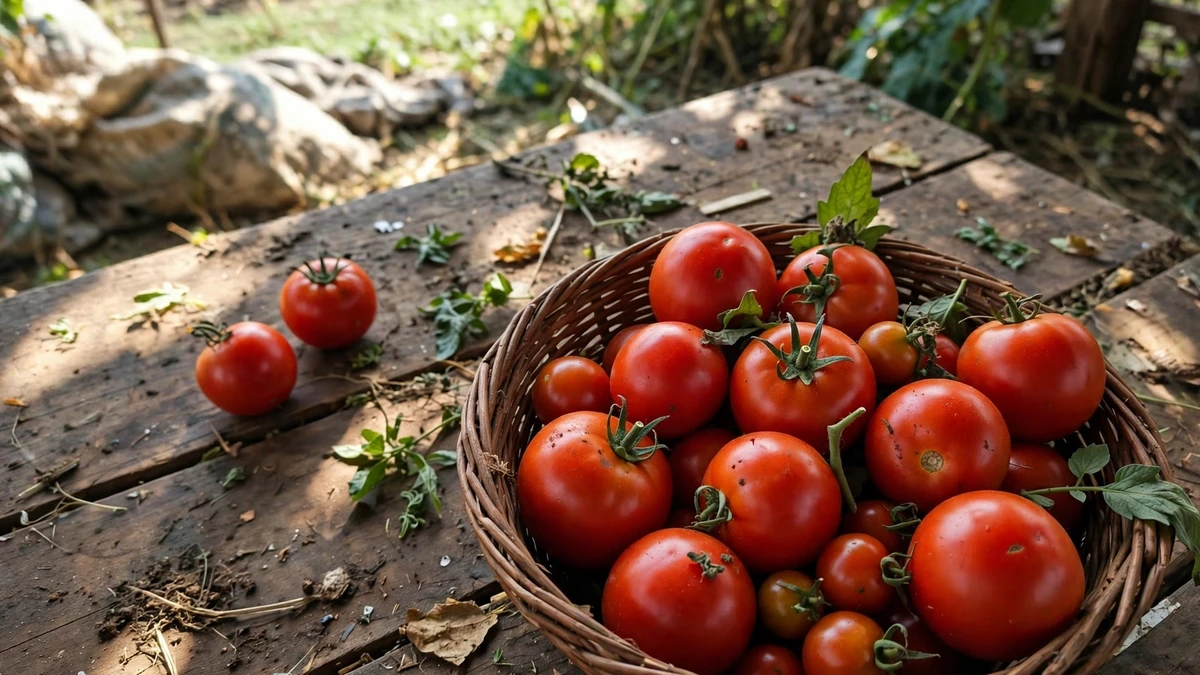

Planning a tomato farm escape starts with the vine, not the map. The tomato is a warm-season plant that hates frost, loves sun and needs its vines tied to stakes as they climb, so the week you travel decides what you pick, what you eat and how hot the rows will be. Choose the week first and the farm second, and the rest of the plan falls into place.
A tomato farm escape is three to five nights on a working farm in the ripening weeks, with the picking, the sauce pot and the farm table as the reason for the trip. You sleep in a farmhouse room, eat tomatoes from the farm’s own rows, and join the harvest in the cool of the morning before the sun takes the fields.
This guide walks through the nine steps that turn a vague idea into a booked stay, from picking your tomato kind to carrying a crate of the farm’s own fruit home, so the trip is planned on the vine’s timetable rather than a hotel’s.
Key takeaways
- Fix the ripening week before the travel dates: field tomatoes ripen from July into October in the north, and the winter crop runs the other way round.
- Pick your tomato kind first: cherry types ripen earliest, beefsteaks last, and heirlooms need the longest, warmest weeks.
- Book direct with the farm, in writing, and ask what the nightly rate covers before you pay.
- Pack for sun, dust and juice: closed shoes, a hat, a warm layer and clothes that wash easily by hand.
- Tomatoes carry no gluten, but the bread and pasta beside them are usually wheat, so settle the kitchen before you pay.
What a tomato farm escape involves
Three to five nights is the usual shape of a tomato farm escape: long enough to learn the rows, short enough to fit a working farm’s calendar. You arrive before the picking week, settle into a farmhouse room, and spend the days among the vines, with the farm kitchen cooking the morning’s picking for supper.
The work is gentle but real. Mornings belong to the rows, when the air is cool and the fruit is firm; afternoons belong to the kitchen, where the sauce pot simmers and the jars are filled for winter. Evenings belong to the table, where the farm’s own tomatoes are eaten with bread, oil and salt.
The farms are small, the rooms are plain, and the days follow the vine rather than a timetable. That is the point of the trip, and the reason to plan it around the ripening week rather than the cheapest flight.
How to plan it, and what to ask first
Start with the farm, not the flight. A genuine tomato farm grows its own fruit, ties its own vines and cooks its own sauce, and it will say so plainly when you ask. A farm that buys its tomatoes in, or that cannot name its picking week, is not the farm for this trip.
Ask what the nightly rate covers before you pay: supper, the lift in from the nearest town, the walks among the vines and the picking itself should be in the price, not added on arrival. Ask too about the kitchen, the rooms and the water, because a farm that answers plainly about plain rooms is usually a farm that looks after its guests.
The 9 steps to plan a tomato farm escape
Your tomato kind picks the farm for you
Cherry tomatoes ripen first and suit a short summer trip; beefsteaks need the longest, warmest weeks; heirlooms need the same long weeks and a farm that grows the old varieties. Decide which kind you want to pick before you choose the farm, because the kind decides the week, and the week decides the region.
What to do: Read the farm’s variety list and ask which kinds it grows for the table. What to avoid: Booking a beefsteak week in a region that only grows cherry types. Best for: Travellers who know whether they want sauce, salad or slicing tomatoes. Time needed: One evening of reading before you book. Standout tip: A farm that names its varieties is a farm that knows its tomatoes.
Travel when the farm says the fruit is ready
Festivals are fixed dates; ripening is not. A tomato week is set by sun, rain and frost, and it can move by a fortnight either way, so book the farm’s ripening window first and let the festival fall where it may. A trip built on a festival date can land on green fruit. The farm will tell you the week its cherries turn red and the week its beefsteaks follow, and those two dates are worth more than any festival programme.
What to do: Ask the farm for its ripening window in writing, with the earliest and latest dates. What to avoid: Booking flights before the farm has named its week. Best for: Travellers who want to pick ripe fruit rather than watch a parade. Time needed: One phone call and one email. Standout tip: The farm’s window, not the festival poster, is the date that matters.
Taste a tomato warm off the vine on day one
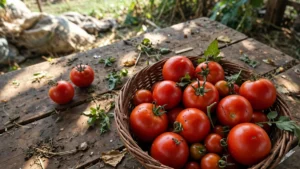
The first morning sets the trip. Walk the rows before the sun takes the fields, pick a cherry tomato warm off the vine, and eat it where you stand. That taste tells you more about the farm than any listing, and it tells the farmer you came for the fruit rather than the photographs.
What to do: Join the morning picking on your first day, and taste the fruit in the rows. What to avoid: Waiting until the last day to walk the vines. Best for: Travellers who want the farm’s flavour before its scenery. Time needed: An hour in the cool of the morning. Standout tip: A warm cherry tomato in the rows beats a cold one on a plate.
Learn the stake, the string and the tie
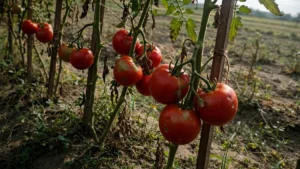
A tomato vine climbs only if someone ties it. The stake goes in beside the stem, the string loops round both, and the knot sits loose enough to let the plant grow. The knot sits loose on purpose: the stem thickens as the season goes on, and a tie that was snug in June can strangle the plant by August. Spend one morning learning the tie from a farm hand, and the rows will make sense to you for the rest of the stay.
What to do: Ask a farm hand to show you the tie, then tie a row yourself. What to avoid: Pulling the string tight enough to cut the stem. Best for: Travellers who want to understand the work, not just watch it. Time needed: Half a morning in the rows. Standout tip: A loose tie grows with the plant; a tight one strangles it.
Eat at the sauce pot, not the buffet
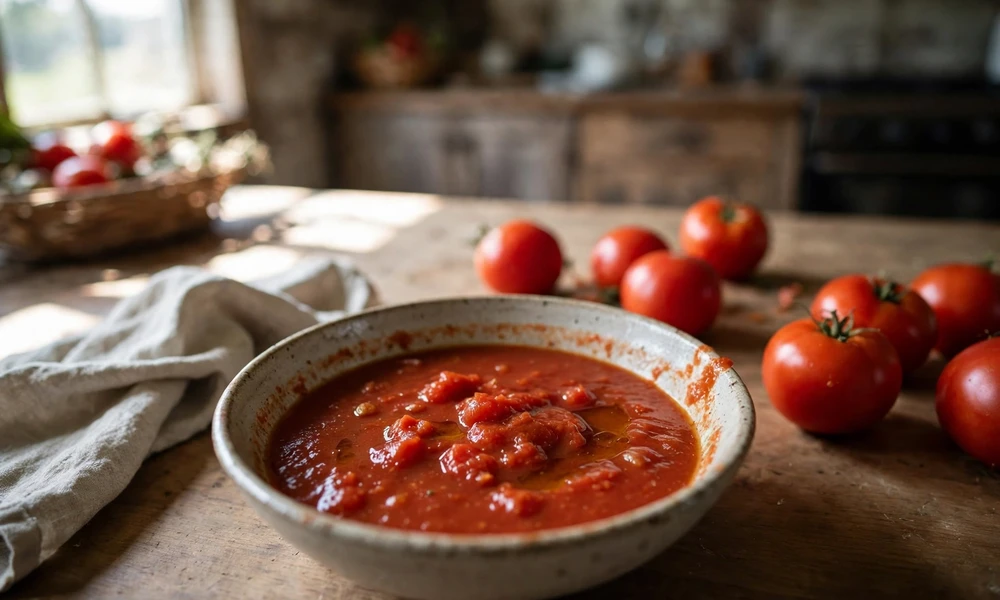
The sauce pot is where a tomato farm shows its hand. Sit at the kitchen table while the pot simmers, taste the sauce as it thickens, and eat what the farm cooked that day rather than what a buffet keeps warm. The meal will be simpler, and it will be better.
What to do: Ask to eat at the farm table, and take the dish the kitchen made that day. What to avoid: Asking for a menu of choices on a working farm. Best for: Travellers who want the farm’s own cooking. Time needed: One supper at the long table. Standout tip: The day’s sauce is the farm’s honest answer.
Ask the kitchen what it cans for winter
A farm that cans its tomatoes is a farm that plans beyond the season. Ask what goes into the jars — passata, dried tomatoes, chutney — and whether guests can help fill them. Ask which jars the farm sells and which it keeps for its own winter table, because the ones it keeps are usually the best of the batch. The canning afternoon is the quietest, warmest work of the trip, and the jars are the best thing to carry home.
What to do: Ask about the canning day, and join it if the farm allows. What to avoid: Assuming the jars are for sale without asking. Best for: Travellers who want to take the farm home with them. Time needed: An afternoon in the kitchen. Standout tip: A jar of the farm’s passata outlasts the holiday.
Come dressed for sap, dust and mud
Tomato rows are dusty in the morning and muddy after rain, and the vines drip sap that stains. Bring closed boots with a grip, old trousers, and a shirt you do not mind marking, because the rows will mark whatever you wear. Clean clothes belong at the table, not in the field.
What to do: Pack closed boots, old trousers and a shirt that can take a stain. What to avoid: Wearing white linen or open sandals into the rows. Best for: Travellers who plan to work in the vines. Time needed: Ten minutes of packing the night before. Standout tip: Tomato juice stains; pack as if you expect it.
One market morning in every tomato trip
Every tomato region has a market where the farms sell what they grew, and it is the best place to see the full range of the crop in one hour. Go early, while the stalls are full and the growers still have time to talk, because the best varieties sell out before noon. Keep one morning free, walk the stalls, taste the varieties, and ask the growers which kind suits your kitchen at home.
What to do: Ask the farm which market day falls inside your stay, and go early. What to avoid: Filling every morning with farm work and missing the market. Best for: Travellers who want to taste the region, not just one farm. Time needed: A morning, market bag in hand. Standout tip: The market shows you the region’s tomatoes in one walk.
Bring home a crate the farm packed itself
The last morning is for the crate. Ask the farm to pack a crate of its own tomatoes — firm ones that will travel, not the softest of the picking — and carry it home the same day. Eat them within the week, while they still taste of the rows, and save the seeds of any heirloom you loved.
What to do: Ask the farm to pack a travelling crate on your last morning. What to avoid: Packing soft, overripe fruit for a long journey. Best for: Travellers with a short journey home. Time needed: Half an hour on the final morning. Standout tip: Firm fruit travels; soft fruit does not.
Picking the right season and region
Field tomatoes ripen from July into October in the north, with cherry types first and beefsteaks last, and the winter crop in Florida and Almería runs the other way round. Pick the season first, then the region, because the same farm can be a different trip in August and in October.
For a first trip, the Campanian slopes and the Sicilian coast are the easiest: the farms are used to guests, the picking is generous, and the sauce pot is always on. For tomatoes in winter, Florida and Almería are the only honest choices.
If you want a different harvest altogether, our guide to planning a pumpkin farm escape follows a vine that runs along the ground, and the corn farm escape puts you among tall rows at a different time of year.
The caveats that matter
A tomato trip is planned on the weather’s terms: farms offer a best guess, never a promise, and a stay pinned to a single ripening day gambles on rain. The tomato itself is the quiet warning, easy to miss when the stay is sold as gentle country.
| Detail | What is known |
|---|---|
| Best time to visit | July into October for field tomatoes in the north; December into March for the winter crop in Florida and Almería |
| What the work involves | Tying vines to stakes, picking cherry tomatoes by the handful, and stirring the sauce pot in the afternoon |
| How long a stay runs | Three to five nights, set around the ripening weeks |
| Who should take care | Guests with a tomato or nightshade sensitivity, and anyone unused to fierce sun, dust or humid greenhouses |
| What the kitchen serves | Tomato salads, gazpacho, ragù, ratatouille and passata, with bread and farm oil beside the plate |
| Gluten note | The fruit itself has no gluten, but the bread and pasta on the table are usually wheat, so check with the kitchen before you book |
| What to pack | Closed shoes, a broad hat, a warm layer for cool evenings, and clothes that wash easily by hand |
| What it does not do | No promised ripening day, no fixed menu, and no hotel-style service on a working farm |
If you live with a nightshade sensitivity or a strict gluten-free diet, ring the farm before you pay. One honest answer about the kitchen is worth more than a glossy listing, and a farm that tells you plainly what it cannot cook is usually the farm to trust. The same care runs through our guide to planning a pea farm escape, where the tables carry grain-baked bread too.
Checklist: before you book a tomato farm escape
Work through this list before you pay, and go over it again in the week before you travel.
- Ask for the ripening window in writing, with what the farm does if the fruit is still green on arrival.
- Check the rate covers supper, the lift from town and the picking walks, with nothing added on arrival.
- Ask if the picking and the cooking both happen on the farm, and whether a tomato-free meal is possible.
- See the bedroom before you pay, and try the bed, the taps and the heating, because farm rooms are plain.
- Pack for sun, dust and juice: closed shoes, a hat, a warm layer, and clothes you can wash by hand.
- Leave one day spare for the nearest town, so a ripening week that moves still leaves a good trip.
Frequently asked questions
Is a tomato farm a good trip for a gluten-free traveller?
Mostly. The fruit has no gluten and the picking is worth the trip alone, but the bread and pasta on the table are usually wheat. Ask the farm what it can cook for you, and pick the ripening week over the bread-baking week.
How early should I book a tomato farm stay?
As soon as the farm names its ripening window, usually three to six months ahead for the summer weeks. The small farms fill fast, and the cheapest rooms go first.
What goes in the bag for tomato country?
Closed walking shoes, a broad hat, a warm layer for cool evenings, sunscreen, and clothes you can wash by hand. Leave the white linen at home: tomato juice stains.
Do tomato farms welcome children?
Most do, and children love picking cherry tomatoes by the handful. Ask the farm about the rows, the stairs and the kitchen, and keep small children away from the sauce pot.
What is worth bringing home from a tomato farm?
A jar of the farm’s passata, a bag of dried tomatoes, or a crate of the fruit itself if the drive is short. Seeds from an heirloom variety are the lightest souvenir of all.
How much does a week on a tomato farm run to?
Three nights at the cheapest stays run to roughly $200–$300 before travel, and five nights at the dearest to $1,700–$1,900. Flights, the lift in and the market crate are on top.
The bottom line
A tomato farm escape suits travellers who would rather tie a vine and stir a sauce pot than sit in a hotel. The fruit comes warm off the vine, the sauce simmers through the afternoon, and the finest farms feed you from ground they worked themselves.
Book the ripening week first and the travel second, and leave a day spare at the end. When the fruit ripens on time you will eat tomatoes cut that morning, and when the weather moves the week, the hills, the towns and the farm table will still carry the trip.