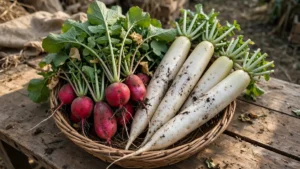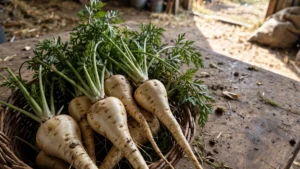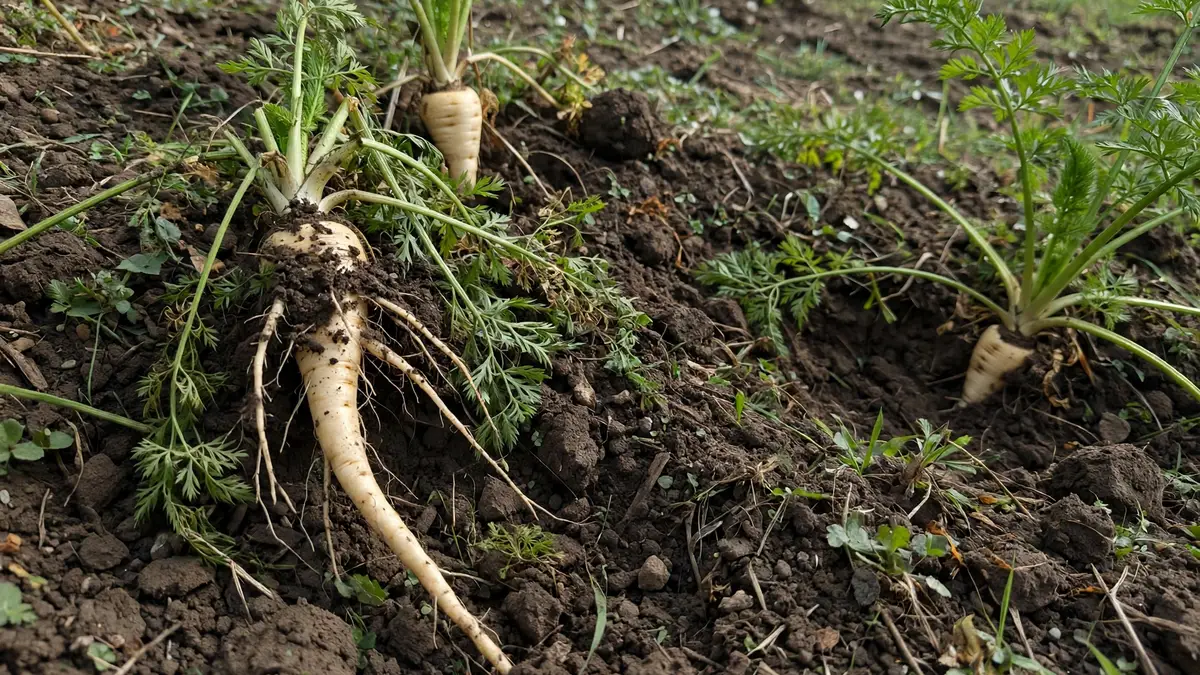

Parsnips are the sweetest root in the winter garden, pale and long, nutty once roasted and honeyed at the edges. Botanists place the plant in Pastinaca sativa, a member of the carrot family, and cooks have prized it for centuries because a light frost turns its starch to sugar and the flesh goes soft and golden in the oven. In Britain the root is a Christmas table staple, roasted beside the turkey, and in the north of France it goes into the pot-au-feu, where it sweetens the broth.
A parsnip farm retreat means a few nights on a working farm at lifting time, when the long roots come out of deep loose soil, lose their feathery tops and ride to the barn in baskets. The room is a farmhouse bedroom, the evening meal is parsnips roasted that day, the rows are walked while the frost still lies on the leaves, and the roots go into a straw clamp for the winter store. The farms stretch from the flat fens of England to a bay in New Zealand, and the pale root with its sweet flesh ties them together.
Nine parsnip farm retreats follow, running from the cheapest Norfolk stay to the dearest Hawke’s Bay farm. Each one is judged on its strengths, its limits and the traveller it suits, so the choice follows how you travel rather than where the farm sits.
Key takeaways
- Parsnips are lifted in late autumn once the roots lengthen, and a light frost sweetens them, so ask the farm for its lifting week before anything else.
- The roast parsnip of England and the pot-au-feu root of Brittany are the same plant under different cooking, and a farm that knows both kitchens feeds you twice as well.
- Northern roots come up in October and November, southern ones in April and May, and rain can shift either by a week.
- These farms take only a handful of guests, so the rooms are plain, supper is shared at one table and your boots will come back muddy.
- Parsnips carry no gluten, but the bread and pastry on the table are usually wheat, and no farm will promise a lifting date.
What a parsnip farm retreat actually is
A parsnip farm retreat is three to five nights on a working farm at lifting time, when the long roots come out of the ground and go into the clamp. Guests sleep in a farmhouse room or a converted barn, eat from the farm kitchen, and join the harvest, walking the rows as the roots are pulled, trimmed and stored for winter.
Cold countries have lived on parsnips for centuries, and the great parsnip regions grew up around the dishes they cook. The English fens run to roast parsnips with honey at the Christmas table, the Breton coast to roots simmered in the pot, and the Danish isles to parsnips served beside rye bread and pickled fish, where the root is prized pale and sweet.
The field sets the hours, not the clock: supper is shared at one table, and anyone who wants a hand in the lifting gets one. The tops go to the animals or the compost heap, the roots are sorted in the yard, and the finest of the crop goes into the clamp while the rest goes straight to the kitchen.
How we picked these stays, and what to ask first
We started with where parsnips genuinely grow, not where they are sold. A real parsnip farm has fields you can walk, roots you can stand among at lifting time and a kitchen cooking its own crop. One that buys its roots in is no parsnip farm, whatever its website says.
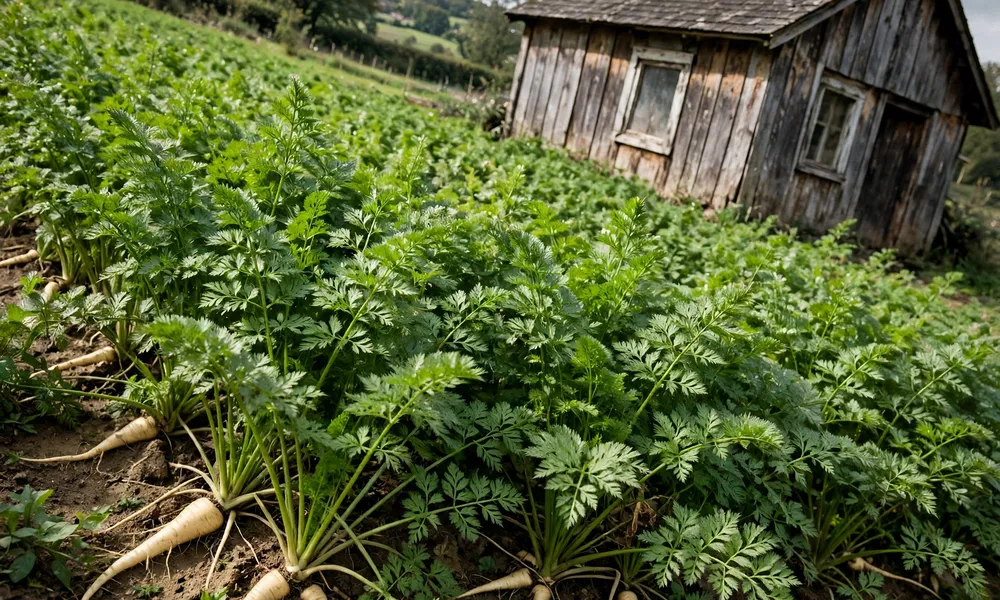
Small farms are the whole point: with only a few rooms, the lifting is genuine work and not a show put on for visitors. Ask what the nightly rate covers before you pay — supper, the lift from the nearest town and the walks through the fields should be inside it, not extras on arrival. Straight answers about the lifting, the trimming and the roast usually mean straight dealing everywhere else.
The 9 best luxury parsnip farm retreats of 2027
Norfolk, England — Parsnips on the Norfolk Broads
What we like: Norfolk grows parsnips in the light soil beside the Broads, and the farm roasts them with honey for the Christmas table, the roots turning golden at the edges. The farmhouse is a brick house with a wood fire, and the kitchen serves roast parsnips, glazed carrots and warm bread.
What to consider: The Broads are damp and the autumn days are short, so the lifting starts early.
Style: Norfolk farmhouse stay. Best for: Travellers who want parsnips where England grows them best. Price range: $65–$95 per night. Standout feature: Roast parsnips with honey from the farm’s own hives.
Cambridgeshire, England — Parsnips on the Cambridgeshire Fens
What we like: Cambridgeshire grows parsnips in the black soil of the Fens, and the farm simmers them into a smooth soup with cream for the evening meal. The Fens are flat and wide, and the kitchen serves parsnip soup, roast pork and warm rolls.
What to consider: The fen lanes are straight and the farm sits far from the towns, so the evenings are quiet.
Style: Cambridgeshire fen farm stay. Best for: Travellers who want parsnips from England’s black soil. Price range: $100–$130 per night. Standout feature: Parsnip soup made from the farm’s own roots and cream.
Worcestershire, England — Parsnips on the Severn Plain
What we like: Worcestershire grows parsnips in the rich soil of the Severn plain, and the farm mashes them with butter for the farmhouse table. The plain is gentle and green, and the kitchen serves mashed parsnips, roast chicken and farm cider.
What to consider: The Severn floods after heavy rain, so the lifting week can move.
Style: Worcestershire farm stay. Best for: Travellers who want parsnips from England’s river country. Price range: $135–$165 per night. Standout feature: Mashed parsnips with butter from the farm’s own dairy.
County Wexford, Ireland — Parsnips on the Wexford Coast
What we like: Wexford grows parsnips in the sandy soil of the south-east coast, and the farm roasts them with sea salt for the evening meal. The coast is mild and open, and the kitchen serves roast parsnips, fish stew and soda bread.
What to consider: The sea wind is strong and the farm is a long drive from the airport, so the journey takes a day.
Style: Wexford coastal farm stay. Best for: Travellers who want parsnips from Ireland’s sunny corner. Price range: $170–$200 per night. Standout feature: Roast parsnips with sea salt from the farm’s own shore.
Brittany, France — Parsnips Along the Pink Granite Coast
What we like: Brittany grows parsnips in the light soil of the north coast, and the farm simmers them in the pot-au-feu with beef and leeks for the winter table. The coast is rugged and green, and the kitchen serves pot-au-feu, buckwheat galettes and farm cider.
What to consider: The Breton rain is frequent and the farm sits far from the cities, so the days are short and quiet.
Style: Breton coastal farm stay. Best for: Travellers who want parsnips from France’s north coast. Price range: $205–$235 per night. Standout feature: Parsnips simmered in the farm’s own pot-au-feu.
Halland, Sweden — Parsnips on the Swedish West Coast
What we like: Halland grows parsnips in the sandy soil of the west coast, and the farm roasts them with other roots for the autumn table. The coast is mild and wooded, and the kitchen serves roast roots, pickled herring and crispbread.
What to consider: The coastal wind is cold and the farm sits far from the towns, so the evenings are quiet.
Style: Swedish coastal farm stay. Best for: Travellers who want parsnips from Sweden’s west coast. Price range: $240–$270 per night. Standout feature: Roast parsnips served with the farm’s own pickled herring.
Zealand, Denmark — Parsnips on the Danish Isles
What we like: Zealand grows parsnips in the rich soil of the Danish isles, and the farm serves them roasted beside rye bread and pickled fish. The isles are flat and green, and the kitchen serves roast parsnips, rye bread and farm beer.
What to consider: The island wind is sharp and the farm is a ferry ride from the mainland, so the journey takes planning.
Style: Danish island farm stay. Best for: Travellers who want parsnips from Denmark’s isles. Price range: $275–$305 per night. Standout feature: Roast parsnips with rye bread from the farm’s own oven.
Wisconsin, United States — Parsnips on the Wisconsin Driftless
What we like: Wisconsin grows parsnips in the deep soil of the Driftless hills, and the farm simmers them into soup with apples for the autumn table. The hills are rolling and wooded, and the kitchen serves parsnip soup, roast pork and warm biscuits.
What to consider: The Driftless roads wind through the hills, so the farm is best reached by car.
Style: Wisconsin hills farm stay. Best for: Travellers who want parsnips from America’s Midwest. Price range: $310–$340 per night. Standout feature: Parsnip and apple soup from the farm’s own orchard.
Hawke’s Bay, New Zealand — Parsnips Under the Te Mata Hills
What we like: Hawke’s Bay grows parsnips in the sunny soil of the North Island, and the farm roasts them with lamb for the autumn table, the southern harvest falling in April and May. The bay is warm and bright, and the kitchen serves roast parsnips, lamb and warm bread.
What to consider: The farm is the dearest stay here, and the southern season runs opposite to the northern one.
Style: Hawke’s Bay farm stay. Best for: Travellers who want parsnips at the far end of the map. Price range: $345–$380 per night. Standout feature: Roast parsnips with lamb from the farm’s own fields.
Which parsnip region fits your trip
For the deepest root story, head for Norfolk or Cambridgeshire, where roast parsnips have been served longest and the kitchens run to honeyed roots and smooth soups. Both suit a first visit, with short walks and slow meals together.
Scenery comes with the roots in Brittany, on a rugged north coast, in Wexford, on a mild Irish shore, in Halland, on a wooded Swedish coast, and in Hawke’s Bay, across a warm New Zealand bay. The view counts as much as the cooking, since each region shows the root in a different landscape.
For a different crop altogether, the soybean farm retreats run to wide plains and bean pots, a world away from parsnip fields and lifting yards, and the lima bean farm retreats offer warm valleys and butter beans in place of pale roots and roast parsnips.
The caveats that matter
A parsnip trip hangs on the weather more than the brochure admits. Farms offer a likely week, never a fixed day, and a booking tied to a single lifting date is a bet on the frost arriving on time. The food is the other thing to weigh, which is easy to forget when the stay is sold as quiet countryside.
| Detail | What is known |
|---|---|
| Best time to visit | October and November in the northern autumn, April and May in the south, once the roots lengthen and the frost sweetens them; the precise week shifts with the rain |
| What the work involves | Walking the rows, watching the roots pulled, trimmed and clamped, and seeing the parsnips roasted, mashed and cooked in the farm kitchen |
| How long a stay runs | Three to five nights, set around the autumn lifting weeks |
| Who should take care | Guests with a carrot-family allergy, and anyone unused to cold rain, muddy fields or thin mountain air |
| What the kitchen serves | Roast parsnips, parsnip soup, mashed roots and pot-au-feu, with bread and farm tea poured beside the plate |
| Gluten note | Parsnips carry no gluten, but the bread and pastry served beside them are usually wheat, so ask the kitchen what it can safely serve |
| What to pack | Sturdy closed boots, a waterproof coat, a warm layer for cold evenings, and clothes you can wash by hand |
| What it does not do | No promised lifting day, no fixed menu, and no hotel-style service on a working farm |
A carrot-family allergy or a strict gluten-free diet is worth raising before you pay. One plain question about the kitchen and the roots can spare you a difficult stay, and a farm that answers it plainly is usually the right one. The navy bean farm retreats carry the same warning, because the bread on those tables is baked from grain as well.
Checklist: booking a parsnip farm stay honestly
Work through this list before you pay, then again in the week before you leave.
- Ask for the lifting week in writing, and what the farm does if the roots have not lengthened by then.
- Find out what the nightly rate covers — supper, the lift from the nearest town and the field walks should be inside it.
- Make sure the lifting and the cooking both happen on the farm, and that the kitchen can feed you a meal with no parsnips in it.
- Ask to see the bedroom first, and check the bed, the hot water and the heating work, because farm rooms are plain.
- Pack closed boots, a waterproof coat and a warm layer, and bring clothes you can wash by hand — the fields are muddy and the rain is cold.
- Leave a spare day for the nearest town, so a harvest that slips still leaves you a good trip.
Frequently asked questions
What is a parsnip, and how is it different from a carrot?
A parsnip is Pastinaca sativa, a long pale root with a sweet nutty flavour once roasted. A carrot is Daucus carota, usually orange, sweeter raw and quicker to cook, and the two are often confused in the shops. Parsnips need a frost to sweeten, roast softer and suit a richer hand with butter and honey, while carrots keep their bite and hold their shape in a salad.
When do parsnips ripen?
The northern crop is lifted in October and November, the southern harvest lands in April and May, and the roots are clamped once the tops die back. The digging runs a week or two, and rain can push it either way, so get the farm’s window in writing and hold off on flights until it is fixed.
Are parsnips safe to eat raw?
Young parsnips can be eaten raw — the small roots are sometimes shaved into salads — but full-grown roots are best cooked, since the flavour is woody and the flesh is hard. Peel them, cut them small and roast or mash them, and keep the raw eating for the young ones the farm pulls early.
How can you tell a parsnip field is ready to lift?
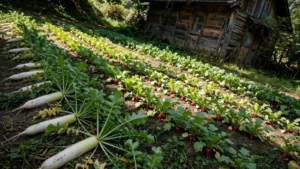
A ripe parsnip field shows feathery green tops with roots pushing up out of the soil, their pale shoulders showing at the surface. Pull one and the root should feel firm and heavy, cream-white below and green at the top, and the field should smell of damp earth and sweet leaves.
Which region suits a first parsnip trip?
Start in Norfolk: the farms there know guests well, the fields run wide beside the Broads, and the parsnips are roasted the way they have been for generations. For the story behind the root, Cambridgeshire adds the black fen soil and the long history of the parsnip at the English table.
Can a gluten-free traveller eat well on a parsnip farm?
Yes, with a word to the kitchen first. The roots themselves carry no gluten, and the lifting and the fields are worth the journey on their own, but the bread and pastry on the table are usually wheat. Talk to the farm about what a gluten-free guest can eat, and time your visit for the digging week instead of the baking week.
The bottom line
A parsnip farm stay fits travellers who would rather pull roots from deep loose soil and eat them roasted the farm’s own way than sit in a hotel dining room. The finest of them feed you from ground they worked themselves, and the roots arrive warm from the kitchen.
Settle the digging week before you book the travel, and hold a day in reserve at the end. If the roots come up on time you will eat parsnips pulled that week, and if they do not, the broads, the fens and the old towns will carry the trip anyway.