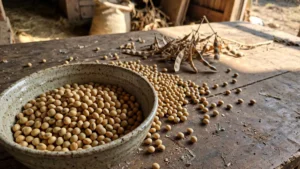
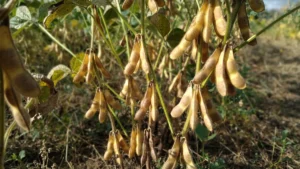
Soybeans are the plain brown beans that turn into tofu, soy sauce and soy milk. They grow on low bushy plants in wide flat fields, and when the pods dry and the leaves drop, a combine moves through and threshes the beans out in a single pass. The bean is a legume, so it feeds nitrogen back into the soil as it grows, and it carries more protein than any other bean in the field.
A soybean farm retreat means a few nights on a working soy farm, with the harvest as the reason for the trip. Guests sleep in farmhouse rooms, eat from the farm kitchen, walk the rows at harvest, watch the combine work, and taste tofu and soy sauce made from the farm’s own beans. The farms run from the cerrado of central Brazil to the American Midwest and the Yellow River plain of China, and the same low green plant grows in all of them.
The nine stays that follow run from the cheapest soy country in central Brazil to a river plain in Paraguay, and each one is weighed on what it does well, what it does not, and the traveller it suits. The choice turns on whether you want the harvest itself, the food the bean becomes, or the country it grows in.
Key takeaways
- Soybeans are legumes, Glycine max, carrying more protein than any other bean, so ask the farm whether it grows food-grade beans for tofu or feed beans for livestock.
- In the north the combines run in September and October, once the leaves have dropped and the pods have dried; in the south the harvest falls in February, March and April, and the exact week shifts with the rain, so confirm it before you book.
- Most soy farms are big flat places that take only a few guests, so expect plain rooms, meals at a shared table and boots that come back dusty.
- Soy is a major allergen, and soy sauce, soy oil and soy lecithin turn up in most farm cooking, so tell the farm about an allergy before you book.
- A date the farm gives you is a forecast, and a stay pinned to a single threshing day can end with the pods still green.
What a soybean farm retreat actually is
A soybean farm retreat is a stay of three to five nights on a farm that grows soy, built around the week the beans are cut. Guests sleep in a farmhouse room or a converted barn, eat what the farm kitchen cooks, and spend the days among the rows, watching the pods dry and the combine thresh.
Soy has fed kitchens for thousands of years, and the great soy regions took shape around them. The Yellow River plain fed the tofu makers of northern China, the cerrado fed the crushers of Brazil, and the American Midwest fed the feed mills and the tofu plants of the United States.
Most of these farms sit in open country, with flat fields to the horizon and a grain store beside the barn. The days move at a farm’s pace rather than a hotel’s, supper is served at one long table, and the best stays let you walk the rows and taste the bean in the kitchen instead of only hearing about it.
How we picked these stays, and what to ask first
We began with where soy truly grows, not where it sells best. A genuine soy farm offers fields to walk through, pods to stand among at harvest, and a kitchen that cooks with its own beans, pressing tofu or brewing soy sauce. A farm that buys its beans in and cooks with them is not a soy farm, whatever the website says.

The strongest farms keep guest numbers small, so the harvest stays honest work rather than a display for visitors. They also spell out plainly what the night costs, with food, the lift in from the closest town and walks across the fields folded in rather than charged on arrival. A farm that talks plainly about the harvest, the threshing and the bean usually looks after its guests well too.
The 9 best luxury soybean farm retreats of 2027
Goiás, Brazil — Soybeans on the Cerrado Plateau
What we like: Soy in Goiás, on the high cerrado of central Brazil, where the fields run in long flat rows to the horizon and the farm presses tofu from beans cut that week. The kitchen serves pequi rice, grilled meat and fresh cheese.
What to consider: The cerrado is flat and hot, so the scenery is the least striking here, and the harvest days are long and dusty.
Style: Cerrado soy farm stay. Best for: Travellers who want soy where Brazil grows it in bulk. Price range: $65–$95 per night. Standout feature: Tofu pressed from beans cut on the farm that week.
Maranhão, Brazil — Soybeans on the Eastern Cerrado
What we like: Soy in Maranhão, where the eastern cerrado meets the babaçu palms and Balsas keeps its grain stores. The kitchen serves rice, beans and roast chicken, and the beans leave by truck for the port of Itaqui.
What to consider: The farms are far apart and the towns small, so the rooms are simple, and the journey in takes most of a day.
Style: Eastern cerrado soy farm stay. Best for: Travellers who want the soy frontier at its newest. Price range: $100–$130 per night. Standout feature: Grain stores and roadside grills in the soy town of Balsas.
Tocantins, Brazil — Soybeans on the Araguaia Plain
What we like: Soy in Tocantins, where the fields run beside the Araguaia river and the farm serves river fish with rice. The river beaches lie below the fields, the evenings are warm, and the kitchen cooks with soy oil pressed in the region.
What to consider: The fields are young, the harvest short, and the river towns fill in the dry season.
Style: Araguaia river soy farm stay. Best for: Travellers who want soy with a river below it. Price range: $135–$165 per night. Standout feature: River fish and rice from the Araguaia plain.
Indiana, United States — Soybeans on the Wabash Plain
What we like: Soy in Indiana, where the beans rotate with corn across the Wabash plain and the farm fries its pork tenderloin sandwich for supper. The fields run straight between the county roads, the grain elevators stand over the towns, and the kitchen serves sweet corn with the farm beans.
What to consider: The country is flat and the farms large, so the walking is plain, and the harvest falls in the hot end of September.
Style: Midwestern corn-belt soy farm stay. Best for: Travellers who want American soy in the corn belt. Price range: $170–$200 per night. Standout feature: Corn and soy in rotation across the Wabash plain.
Missouri, United States — Soybeans on the Bootheel Plain
What we like: Soy in Missouri, where the Bootheel plain runs down to the Mississippi and the farm serves barbecue and fried catfish. The fields lie flat beside the river, the barges pass below the levee, and the kitchen cooks beans with smoked pork.
What to consider: The plain is hot and humid at harvest, the farm far from the cities, and the field work is best at dawn.
Style: Mississippi river soy farm stay. Best for: Travellers who want soy beside the great river. Price range: $205–$235 per night. Standout feature: Barbecue and fried catfish from the Bootheel plain.
Arkansas, United States — Soybeans in the Delta
What we like: Soy in Arkansas, where the Delta grows soy beside rice and the farm serves fried catfish with hushpuppies. The fields run wide between the bayous, the rice paddies lie beside the soy rows, and the kitchen cooks rice and beans every night.
What to consider: The Delta is the dearest American stay here, and the harvest week is short, so the threshing is easy to miss.
Style: Delta soy and rice farm stay. Best for: Travellers who want soy with rice beside it. Price range: $240–$270 per night. Standout feature: Soy rows beside rice paddies in the Arkansas Delta.
Henan, China — Soybeans on the Yellow River Plain
What we like: Soy in Henan, where the bean has grown for thousands of years and the farm makes tofu by hand and brews soy sauce in clay jars. The Yellow River runs below the plain, the fields lie small between the villages, and the kitchen serves hand-pulled noodles with tofu.
What to consider: The villages are busy and the farms small, so the rooms are plain, and the harvest falls in the hot end of September.
Style: Yellow River soy farm stay. Best for: Travellers who want soy where the bean began. Price range: $275–$305 per night. Standout feature: Tofu made by hand and soy sauce brewed in clay jars.
Amur Oblast, Russia — Soybeans on the Far Eastern Plain
What we like: Soy in Amur Oblast, where the fields run across the far eastern plain beside the Amur river and the farm serves borscht and fish. The plain lies opposite China across the water, the harvest runs late, and the kitchen cooks pelmeni with the farm beans.
What to consider: The plain is far from anywhere, nights turn cold early, and the journey in takes most of a day.
Style: Far eastern river soy farm stay. Best for: Travellers who want soy at the far end of the map. Price range: $310–$340 per night. Standout feature: Soy fields on the Amur river opposite China.
Itapúa, Paraguay — Soybeans on the Paraná Plain
What we like: Soy in Itapúa, where the fields run to the Paraná river and the farm serves chipa and sopa paraguaya with grilled meat. The river runs below the fields, the mate grows in the shade, and the kitchen cooks with soy oil from the region.
What to consider: The plain is the dearest stay here, and the harvest falls in February and March, the opposite season to the north, so the trip needs planning a year ahead.
Style: Paraná river soy farm stay. Best for: Travellers who want soy with mate and river air. Price range: $345–$380 per night. Standout feature: Chipa and sopa paraguaya from the Paraná plain.
Which soybean region fits your trip
If you want soy where the bean story runs deepest, start with Henan or Goiás, where the crop has grown longest and the kitchens cook with it daily. Either one suits a first visit, with gentle walks and long shared suppers.
If you want scenery with your soy, Itapúa and Tocantins put the fields beside great rivers, Amur Oblast puts them opposite China, and Indiana puts them in the broad American corn belt. Henan is the oldest soy country of the nine, Maranhão the newest.
If you want the bean that grows beside the soy, our guide to the chickpea farm retreats covers another legume with a different kitchen, and the lentil farm retreats offer a smaller bean, with mountain plains instead of flat river country.
The caveats that matter
Soy farming answers to the weather: farms give a best guess, never a promise, and a trip pinned to one threshing day gambles on rain. The real warning is the allergy, easy to overlook on a gentle country stay.
| Detail | What is known |
|---|---|
| Best time to visit | September into October in the north, February into April in the south, once the leaves have dropped and the pods have dried; the precise week shifts with the rain |
| What the work involves | Walking the soy rows, watching the combine cut and thresh, and seeing the beans dried and stored |
| How long a stay runs | Three to five nights, timed to the harvest weeks |
| Who should take care | Travellers with a soy allergy, because soy sauce and soy oil turn up in most farm cooking, and anyone unused to strong sun or harvest dust |
| What the kitchen serves | Farm stews, rice, beans and tofu dishes, usually with soy sauce on the table and bread baked from wheat |
| Gluten note | Soybeans carry no gluten, but farm kitchens bake wheat bread and serve soy sauce, which is usually brewed with wheat, so coeliac travellers should ask the farm what it can safely serve |
| What to pack | Sturdy closed shoes, a sun hat, a warm layer for cool nights, and clothes you can wash by hand |
| What it does not do | No promised threshing day, no fixed menu, and no hotel-style service on a working farm |
Travellers with coeliac disease or a soy allergy should raise it in the first message, not on arrival. One question about the bread and the soy sauce can save a hard stay, and a farm that gives a straight answer is a farm that looks after its guests. The canola farm retreats carry a similar warning, since canola oil turns up in most farm cooking too.
Checklist: booking a soybean farm stay honestly
Go through these checks before you pay, and again in the week before you travel.
- Get the farm’s harvest window in writing, and ask what the plan is if the pods are still green on arrival.
- Check that dinner, the lift in from the closest town and the walks through the fields are all part of what the night costs.
- Ask whether the farm grows food-grade beans for tofu or feed beans for livestock, and whether the kitchen cooks with its own crop.
- Look at the room before paying: it will be simple, so test the bed, the tap and the heater.
- Pack for fierce sun and dusty rows: closed shoes, a hat, a layer for cool evenings, and clothes you can wash by hand.
- Keep one day free for the town nearby, so a harvest that shifts still leaves you a fine trip.
Frequently asked questions
What is a soybean, and what is it used for?
A soybean is the seed of a legume, Glycine max, grown for food, oil and feed. The beans are pressed for oil, ground for soy milk, curdled into tofu, fermented into soy sauce and miso, and fed to livestock, and the young green pods are eaten as edamame.
When is the soybean harvest, and how long does it last?
The northern harvest falls in September and October, the southern runs in February, March and April, and the cutting takes a week or two at most farms. The precise week moves with the rain, so ask the farm for its harvest window rather than a single date, and wait for the window before booking flights.
What is edamame, and how does it differ from a dried soybean?
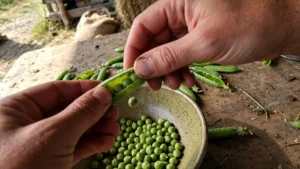
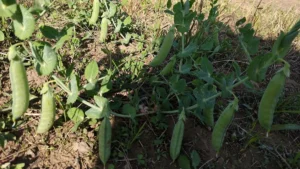
Edamame is the young green soybean, picked while the pod is soft and the beans inside are sweet. The pods are boiled in salted water and eaten from the shell, while a dried soybean stays on the plant until the pod turns brown and the bean hardens for storage.
How is tofu made from soybeans?
The beans are soaked overnight, ground with water and boiled, then the milk is strained and curdled with a coagulant, much like cheese. The curds are pressed into blocks, and the fresh tofu is eaten the same day or kept in water in the farm kitchen.
Where should a first-time soybean traveller start?
Goiás is the easiest first trip: the soy fields are largest there, the farms are used to guests, and the tofu best shows what the bean can do. If you want the story as well as the food, Henan puts you on the plain where the bean was first grown.
Do soybean farms suit travellers with a soy allergy?
Only with care. The fields and the harvest are worth the trip alone, and the kitchens serve good food, but soy sauce and soy oil turn up in most farm cooking. Tell the farm about the allergy in the first message, and ask what a guest who cannot eat soy will be served.
The bottom line
A soybean farm retreat suits travellers who prefer wide flat fields, dry pods and tofu from the farm’s own beans to a hotel. The pods are brown, the beans are hard and dry, and the finest stays feed you from land they farmed themselves.
Settle on the harvest week ahead of the flights, and leave a free day at the end. When the soy ripens on time you will eat tofu from beans cut that week, and when it does not, the rivers, the plains and the old towns will still carry the trip.