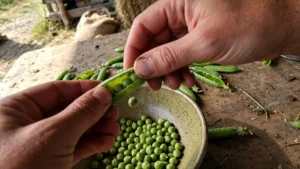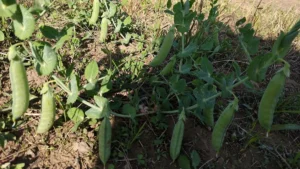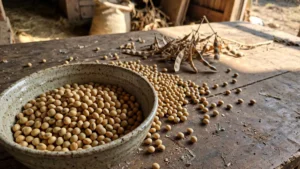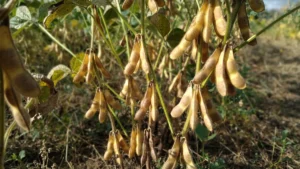
Peas are the sweetest of the legumes, and the least patient. A garden pea is picked green, shelled by hand and eaten the same day, because the sugar in the pea starts turning to starch the moment it leaves the plant. A field pea is left to dry on the plant instead, and comes back as split peas for soup, flour for baking and seed for the next spring.
A pea farm retreat is a few nights on a working farm in the picking weeks, when the pods are fat and the shelling table is out. You sleep in a farmhouse room with plain walls, eat peas from the farm’s own rows, walk the fields while the morning is still cool, and shell peas at a wooden table with the farmer. The farms stretch from the chalk plains of Picardy to a pea field on the southern plains of New Zealand, and the green pod ties them together.
Here are nine pea farm retreats to weigh for 2027, from the cheapest chalk-plain stay to the dearest southern farm. Each one is weighed on its strengths, its shortcomings, and the traveller it suits best, so the decision turns on the way you travel rather than the place on the map.
Key takeaways
- The pea is picked green and eaten fast, since the sugar in a fresh pea turns to starch within hours, so the first question to any farm is when its picking week falls.
- Garden peas, sugar snaps and field peas are different crops from the same plant family, and a farm that grows one may never grow the others, so settle which pea you want before you choose.
- Picking runs through June and July in the north and December and January in the south, and the week shifts with the rain, so get the picking window before you buy flights.
- Pea farms run small, with a handful of rooms and meals at one table, so expect plain comfort and mud on your shoes.
- Peas carry no gluten, but the bread and pastry served beside them are usually wheat, so settle the kitchen and the calendar before you pay.
What a pea farm retreat actually is
A pea farm retreat means three to five nights on a working farm that grows peas, with the picking weeks as the reason for the trip. Guests sleep in a farmhouse room or a converted barn, eat what the farm kitchen cooks, and join the harvest, walking the rows to see the pods picked, shelled and cooked while they are still sweet.
Peas have fed Europe for centuries, and the great pea regions took shape around the dishes they served. The chalk plains of northern France fed the Paris soup pots, the flat fields of East Anglia fed the freezers of Britain, and the wide prairies of Canada fed the soup kettles of the world with dried peas. The pea also feeds the ground it grows in, fixing nitrogen in the soil, so a pea field leaves the earth richer than it found it.
Days on these farms follow the field’s timetable rather than a hotel’s, with supper served at one long table and genuine work offered to guests who ask for it.
How we picked these stays, and what to ask first
We began with where peas truly grow, not where they sell best. A genuine pea farm offers fields to walk through, plants to stand among at picking time, and a kitchen working with its own pea. A farm that buys its peas in is not a pea farm, whatever the website says.
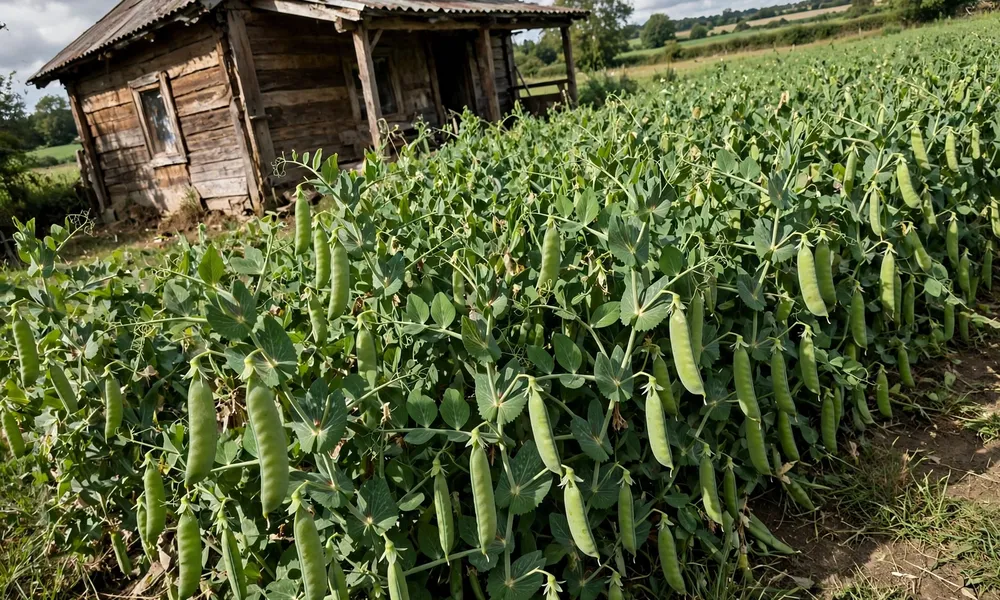
The strongest farms keep their guest lists short, so the picking remains genuine work instead of a show put on for visitors. They also spell out what the nightly rate includes, with meals, the ride in from the nearest town and walks through the fields covered in the price rather than charged on arrival. Plain talk about picking, shelling and cooking is usually a sign the farm looks after its guests well too.
The 9 best luxury pea farm retreats of 2027
Picardy, France — Peas Across the Chalk Country
What we like: Peas in Picardy grow on the chalk plains below the Somme, and the farm shells them at the kitchen table for potage Saint-Germain. The farmhouse is brick with a tiled roof, the kitchen serves pea soup with cream and warm bread, and the evenings smell of cut grass.
What to consider: The plains are open and the wind runs across them, so the picking starts early and the farmhouse rooms stay plain.
Style: Northern French farm stay. Best for: Travellers who want peas where France grows most of them. Price range: $65–$95 per night. Standout feature: Potage Saint-Germain made from peas shelled that morning.
Suffolk, England — Peas by the North Sea Shore
What we like: Peas in Suffolk grow in the flat fields near the coast, and the farm picks them at dawn for pea and mint soup. The fields run to the sea, the villages keep their flint churches, and the kitchen serves pea soup, cold ham and warm rolls.
What to consider: The sea wind is sharp at picking time, and the picking week is short, so the dates move with the weather.
Style: East Anglian coastal farm stay. Best for: Travellers who want garden peas picked at dawn. Price range: $100–$130 per night. Standout feature: Pea and mint soup from pods picked before breakfast.
Lower Saxony, Germany — Peas on the North German Plain
What we like: Peas in Lower Saxony grow on the wide north German plain, and the farm simmers them for Erbsensuppe with smoked sausage. The plain is flat, the villages keep their brick barns, and the kitchen serves pea soup, dark bread and farm butter.
What to consider: The plain is a long drive from the cities, and the farm sits far from the railway.
Style: North German plain farm stay. Best for: Travellers who want field peas cooked the old way. Price range: $135–$165 per night. Standout feature: Erbsensuppe from peas grown on the plain.
Prince Edward Island, Canada — Peas on the Red Soil
What we like: Peas on Prince Edward Island grow in the red soil beside the potato fields, and the farm shells them for pea soup served with fresh bread. The island is small, the shores are red sand, and the kitchen serves pea soup, island fish and warm rolls.
What to consider: The island season is short and the crossing takes time, so the picking week fills early.
Style: Canadian island farm stay. Best for: Travellers who want peas on red island soil. Price range: $170–$200 per night. Standout feature: Pea soup from pods shelled on the island.
Manitoba, Canada — Peas on the Red River Plain
What we like: Peas in Manitoba grow on the flat Red River plain, and the farm dries them for split pea soup and pea flour. The sky is wide, the towns are small, and the kitchen serves split pea soup, bannock and warm tea.
What to consider: The prairie wind is strong at harvest time, and the farm is a long drive from Winnipeg.
Style: Canadian prairie farm stay. Best for: Travellers who want dried peas from the prairie. Price range: $205–$235 per night. Standout feature: Split pea soup from peas dried on the farm.
Odesa, Ukraine — Peas on the Black Sea Steppe
What we like: Peas near Odesa grow on the Black Sea steppe, and the farm cooks them into pea porridge served with onions and herbs. The steppe is wide, the sea is close, and the kitchen serves pea porridge, pickled vegetables and warm bread.
What to consider: The steppe heat is strong at harvest time, and the farm sits far from the city.
Style: Black Sea steppe farm stay. Best for: Travellers who want dry peas from the steppe. Price range: $240–$270 per night. Standout feature: Pea porridge from peas grown on the steppe.
Krasnodar, Russia — Peas on the Black Sea Plain
What we like: Peas in Krasnodar grow on the Kuban plain below the Caucasus foothills, and the farm simmers them for pea soup with dill and sour cream. The plain is warm, the gardens are generous, and the kitchen serves pea soup, pickled cucumbers and warm flatbread.
What to consider: The summer heat is fierce at picking time, and the farmhouse rooms stay plain.
Style: Kuban plain farm stay. Best for: Travellers who want peas from the warm south. Price range: $275–$305 per night. Standout feature: Pea soup with dill from peas grown on the Kuban plain.
Junín, Peru — Peas on the Central Highlands
What we like: Peas in Junín grow on the central highlands of Peru, and the farm cooks them into soup with Andean herbs and potatoes. The air is thin, the mountains stand close, and the kitchen serves pea soup, quinoa and warm bread.
What to consider: The altitude is high and the nights are cold, so the picking starts late in the morning.
Style: Andean highland farm stay. Best for: Travellers who want peas grown high in the Andes. Price range: $310–$340 per night. Standout feature: Pea soup with Andean herbs from the highland fields.
Southland, New Zealand — Peas on the Southern Plains
What we like: Peas in Southland grow on the southern plains of New Zealand, and the farm picks them in the southern summer for pea fritters. The light is long, the fields run to the hills, and the kitchen serves pea fritters, lamb and warm bread.
What to consider: The farm is the dearest stay here, and the harvest falls in the opposite season to the northern farms, so plan a year ahead.
Style: New Zealand southern farm stay. Best for: Travellers who want peas at the far end of the map. Price range: $345–$380 per night. Standout feature: Pea fritters from peas picked in the southern summer.
Which pea region fits your trip
If you want peas where the pea story runs deepest, start with Picardy or Suffolk, where the pea has been grown longest and the kitchens run to pea soup and shelling tables. Both welcome a first-timer kindly, with gentle walks and slow meals shared at the table.
If you want scenery with your peas, Southland and Junín put the fields in wide open country, Prince Edward Island beside red shores, and Odesa on the open steppe.
If you want the bean that goes with the pea, our guide to the black bean farm retreats covers a different legume altogether, with Latin American heartlands and clay-pot cooking instead of green pods and shelling tables, and the mung bean farm retreats offer another small bean, with river deltas and sprouting tables instead of sweet peas and pea soup stalls.
The caveats that matter
Pea farming answers to the weather: farms give a best guess, never a promise, and a trip pinned to one picking day gambles on rain. The real warning is the pea itself, easy to miss when the stay is sold as gentle country.
| Detail | What is known |
|---|---|
| Best time to visit | June into July in the north, December into January in the south, once the pods swell and the peas fill; the precise week shifts with the rain |
| What the work involves | Walking the rows, watching the pods picked and shelled, and seeing the peas cooked in the farm kitchen while they are still sweet |
| How long a stay runs | Three to five nights, set around the picking weeks |
| Who should take care | Guests with a legume allergy, and anyone unused to fierce sun, shelling dust or thin mountain air |
| What the kitchen serves | Pea soup, pea fritters and split pea soup, with fresh bread and farm butter poured beside the plate |
| Gluten note | Peas carry no gluten, but the bread and pastry served beside them are usually wheat, so ask the kitchen what it can safely serve |
| What to pack | Closed walking shoes, a broad sun hat, a warm layer for chilly nights, and clothes that wash easily by hand |
| What it does not do | No promised picking day, no fixed menu, and no hotel-style service on a working farm |
Anyone with a legume allergy or a strict gluten-free diet should ring the farm before booking. A single question about the kitchen and the peas can save you a difficult stay, and a farm that answers honestly is usually worth the visit. The same warning runs through our adzuki bean farm retreats, where the bread on those tables is baked from grain too.
Checklist: booking a pea farm stay honestly
Work through this list before you pay, and go over it again in the week before you travel.
- Get the picking window in writing, and ask what happens if the pods are still flat when you arrive.
- Confirm that the nightly rate includes supper, the ride in from the nearest town and the walks through the fields.
- Ask whether the picking and cooking happen on the farm, and whether the kitchen can serve a meal without peas.
- Inspect the bedroom before you pay, and try the bed, the taps and the heating, because the rooms stay plain.
- Pack for sun and shelling dust: closed shoes, a hat, a warm layer for cold evenings, and clothes you can wash by hand.
- Leave one day free for the nearest town, so a picking week that shifts still leaves a good trip.
Frequently asked questions
How is a garden pea different from a field pea?
A garden pea is picked green and eaten fresh, sweet and tender in the pod, while a field pea is left to dry on the plant and comes back as split peas for soup. Garden peas lose their sweetness within hours of picking, which is why they are shelled and cooked the same day, while field peas keep for months in a sack. Both grow on the same kind of plant, and both fix nitrogen in the soil.
When do peas ripen in the northern hemisphere?
The northern crop ripens in June and July, the southern crop in December and January, and the picking takes a week or two. The precise week shifts with the rain, so ask the farm for its picking window instead of a single date, and hold off booking flights until that window is fixed.
How can you tell a pea pod is ready to pick?
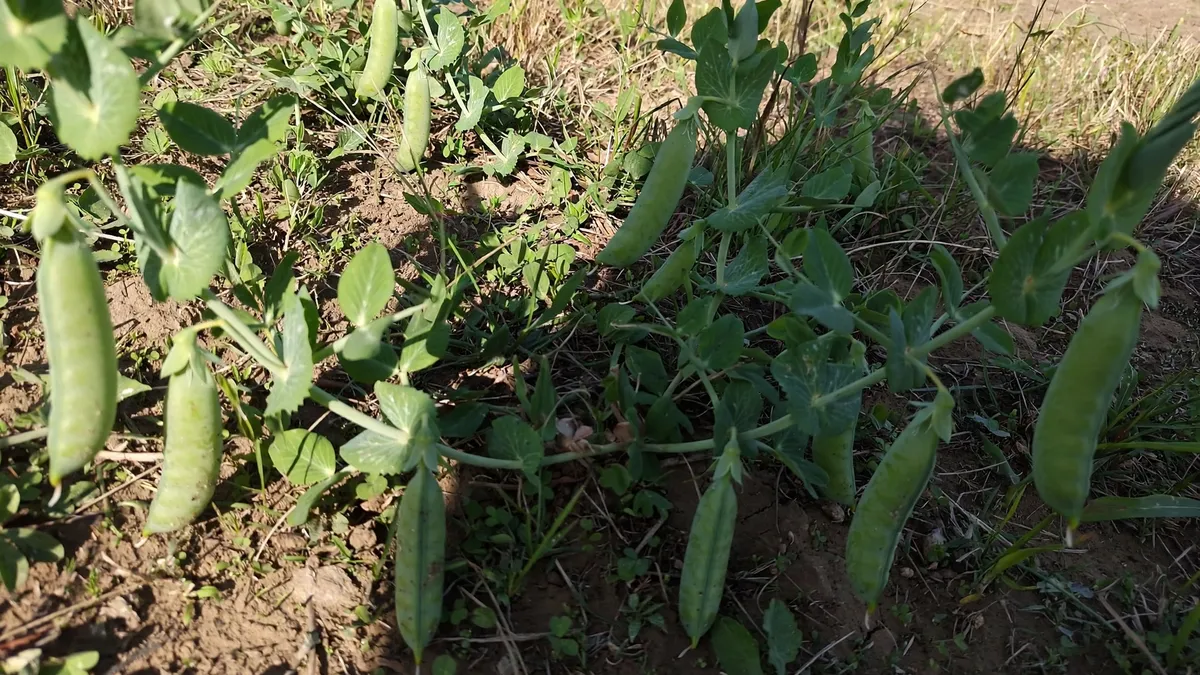
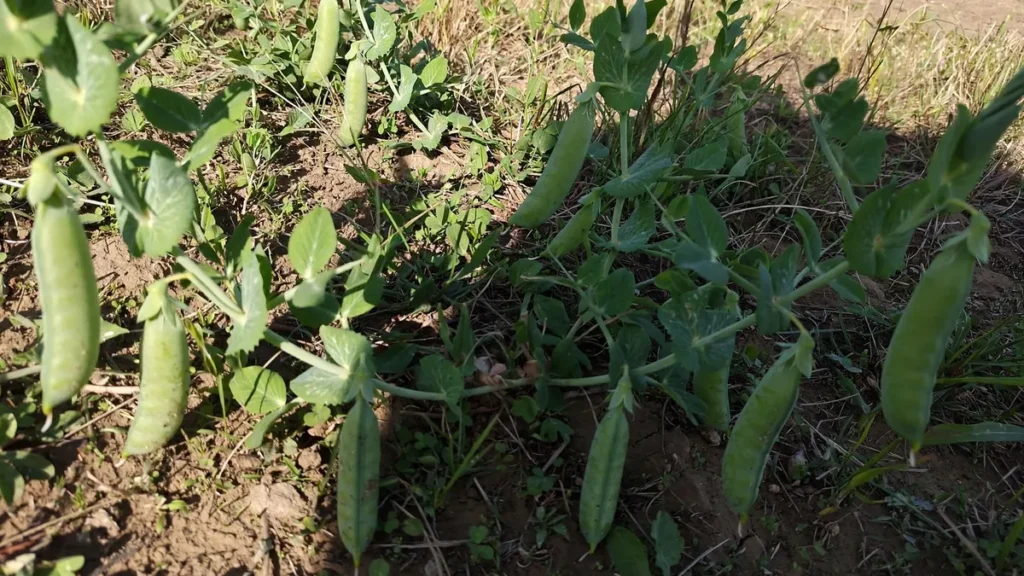
A ripe pea pod hangs full and firm, with the peas inside swollen enough to feel through the skin. Split a pod open and the peas should be round, bright green and sweet to the bite, and the field should smell of green leaves and warm earth.
May I help with the picking and the shelling?
Most farms let guests walk the rows, join the picking and sit at the shelling table, and some invite you into the kitchen to cook with the peas. The shelling itself is slow work, so ask the farm what guests can do before you book, and expect green stains on your hands either way.
Which region suits a first pea farm trip?
Picardy is the easiest first trip: the pea fields are widest there, the farms are used to guests, and the potage Saint-Germain best shows what the pea can do. If you want the story as well as the bowl, Suffolk is the flat coastal county where the pea has been grown for generations.
Can a gluten-free traveller eat well on a pea farm?
Mostly. The fields, the picking and the harvest are worth the trip alone, and peas carry no gluten, but the bread and pastry served beside the peas are usually wheat. Ask the farm what it can serve a gluten-free guest, and choose the picking week over the baking week.
The bottom line
A pea farm retreat suits travellers who prefer low green fields, shelling tables and peas cooked the farm’s own way to a hotel. The pods come fresh and sweet, and the finest stays feed you from ground they worked themselves.
Choose the picking week before the travel dates, and leave a spare day at the end. When the pea pods swell on time you will eat peas picked that morning, and when they do not, the hills, the valleys and the old towns will still carry the trip.