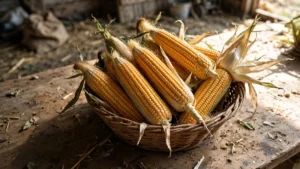
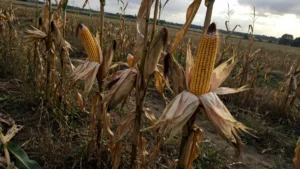
Corn is the tall grass that feeds half the world. It grows from a kernel planted in warm spring soil, rises on a thick stalk, and sets ears wrapped in husks, each silk strand joined to a single kernel. From it come sweet corn for the table, dent corn for meal and feed, popcorn for the pan, and flour corn for tortillas.
A corn farm retreat puts you on a working farm where those fields still stretch to the horizon, when the stalks stand green and tall and the ears fill out under the husk. You sleep in a farmhouse room, eat from the farm kitchen, walk the rows at dawn, and taste what the farm cooks from its own harvest. The farms run from the Corn Belt to the maize fields of Mexico and the cerrados of Brazil, and the corn is the thread that ties them together.
Below are nine corn farm retreats worth considering in 2027, from the Corn Belt to the maize triangle of South Africa, each judged on its strengths, its limits and the traveller it suits best.
Key takeaways
- Corn is maize, a warm-season grass first grown in Mexico, and it comes as sweet corn, dent corn, popcorn and flour corn, so ask the farm which kinds it grows before you book.
- The northern sweet corn season runs from July into September, the corn mazes open in September and October, and the exact weeks move with the rain, so confirm them before booking flights.
- The southern harvest falls in the opposite half of the year, with Argentina cutting in March and April and Brazil’s second crop in June and July, so a winter trip can still find a harvest.
- Most corn farms are small and take only a few guests, so expect plain rooms, shared meals and dust on your boots.
- Harvest dates are a guess, not a promise: a stay planned around one picking day can end with the ears still milky under the husk.
What a corn farm retreat actually is
A corn farm retreat means three to five nights on a working farm that grows corn, with the corn harvest as the reason for the trip. Guests sleep in a farmhouse room or a converted barn, eat from the farm kitchen, and join the season’s work, walking the rows, picking sweet corn at dawn, and seeing the ears husked and ground for meal.
Corn has fed people for thousands of years, and the great corn regions took shape around those who ate it. Mexico gave the world maize from wild teosinte, the American Midwest turned it into the Corn Belt, and Argentina and Brazil now grow it in vast southern fields.
Most of these farms sit in open country, with tall corn rows and a farmhouse kitchen beside the barn. The days move at a farm’s pace, supper is served at one long table, and the best stays let you join the picking instead of watching it.
How we picked these stays, and what to ask first
We began with where corn truly grows, not where it sells best. A genuine corn farm offers fields to walk through, ears to pick at dawn, and a kitchen that cooks with its own corn, from grilled sweet corn to fresh tortillas and cornbread. A farm that buys its corn in is not a corn farm, whatever the website says.
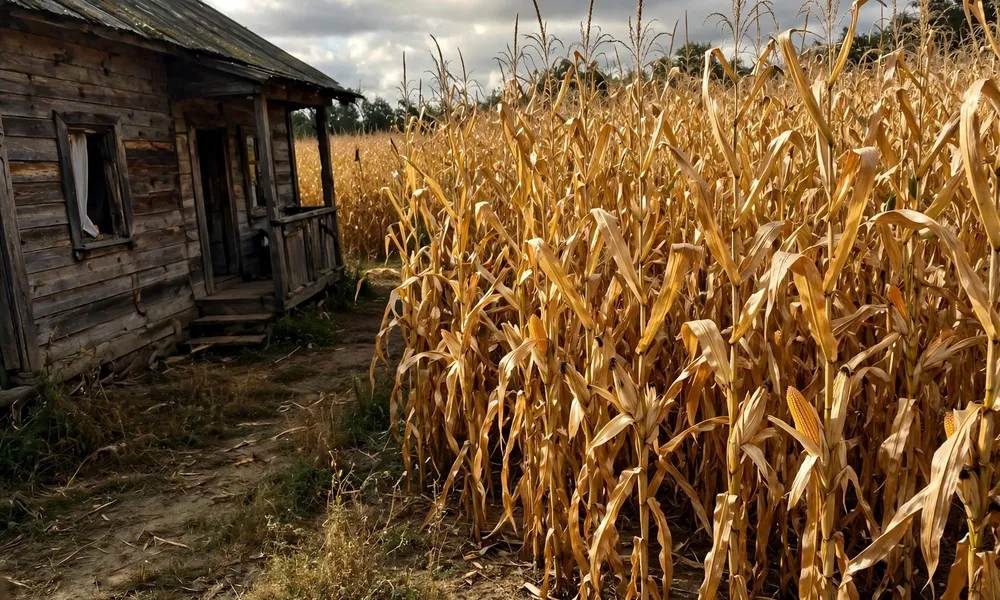
The best farms keep guest numbers small, so the picking stays real work instead of a show for visitors. They set out plainly what the nightly rate covers, with meals, the ride in from the nearest town and walks through the fields included rather than billed on arrival. A farm that talks plainly about the harvest, the varieties and the maze usually looks after its guests well.
The 9 best luxury corn farm retreats of 2027
DeKalb, Illinois, United States — Corn in the Heart of the Corn Belt
What we like: Corn in DeKalb, where the seed corn story began and the fields run flat to the horizon, and the farm grills sweet corn picked that morning. The kitchen serves cornbread, corn chowder and sweet corn on the cob, and the farmhouse porch looks out over the tallest rows in the county.
What to consider: The country is flat, so the scenery is the least striking on this list, and the harvest days are long and hot.
Style: Illinois Corn Belt farm stay. Best for: Travellers who want corn where the Corn Belt story began. Price range: $65–$95 per night. Standout feature: Sweet corn grilled on the cob the morning it was picked.
Lafayette, Indiana, United States — Sweet Corn on the Wabash
What we like: Corn in Lafayette, where the sweet corn grows along the Wabash River and the farm serves it with butter and salt at supper. The river runs below the fields, and the kitchen bakes cornbread in a cast-iron skillet with the farm meal.
What to consider: The fields are smaller than the Illinois prairie, the harvest is short, and the river towns fill in summer.
Style: Indiana river farm stay. Best for: Travellers who want sweet corn beside a river. Price range: $100–$130 per night. Standout feature: Cornbread baked in a cast-iron skillet from the farm’s own meal.
Darke County, Ohio, United States — Corn on the Western Ohio Plain
What we like: Corn in Darke County, where the fields meet Amish farms and the farm kitchen serves corn pudding and creamed corn with the harvest. The lanes are quiet, and the kitchen grinds its own cornmeal for the morning muffins.
What to consider: The county is quiet and the farms are plain, so the rooms are simple, and the picking week is short.
Style: Ohio plain farm stay. Best for: Travellers who want corn with quiet lanes and old barns. Price range: $135–$165 per night. Standout feature: Cornmeal ground on the farm for the morning muffins.
Bootheel, Missouri, United States — Corn on the Mississippi Delta
What we like: Corn in the Bootheel, where the flat delta land grows corn beside cotton and soy, and the farm serves fried corn and hush puppies with river catfish. The Mississippi runs along the eastern edge, and the kitchen cooks with cornmeal and corn oil from the fields.
What to consider: The delta is hot and humid in harvest season, and the farm is far from the towns, so the field work is best at dawn.
Style: Mississippi Delta farm stay. Best for: Travellers who want corn in the deep south. Price range: $170–$200 per night. Standout feature: Fried corn and hush puppies served with river catfish.
Lubbock, Texas, United States — Corn Under the Wide Texas Sky
What we like: Corn in Lubbock, where the irrigated fields grow corn on the flat High Plains and the farm serves corn tortillas and tamales from its own masa. The sky is wide, and the kitchen makes tortillas by hand each morning.
What to consider: The plains are windy and the farms are far apart, so the journey in takes most of a day, and the harvest falls late.
Style: Texas High Plains farm stay. Best for: Travellers who want corn under a wide sky. Price range: $205–$235 per night. Standout feature: Tortillas made by hand each morning from the farm’s own masa.
Michoacán, Mexico — Corn in the Land of Maize
What we like: Corn in Michoacán, where maize was first grown and the farms still plant blue, red and white corn, and the kitchen makes tortillas from nixtamalised kernels. The hills are green, and the farm serves elote and esquites with lime and chilli.
What to consider: The hills are steep and the farms are small, so the walking is hard, and the harvest falls across several months.
Style: Mexican highland maize farm stay. Best for: Travellers who want maize at its source. Price range: $240–$270 per night. Standout feature: Blue, red and white corn grown side by side, made into tortillas on the farm.
Entre Ríos, Argentina — Corn on the River Plains
What we like: Corn in Entre Ríos, where the fields grow between the Paraná and Uruguay rivers and the farm serves polenta and corn empanadas with grilled beef. The rivers run wide, and the kitchen grinds its own cornmeal for the evening polenta.
What to consider: The harvest falls in March and April, the opposite season to the northern summer, so the trip needs planning a year ahead.
Style: Argentine river plain farm stay. Best for: Travellers who want corn in the southern summer. Price range: $275–$305 per night. Standout feature: Polenta made from cornmeal ground on the farm, served with grilled beef.
Mato Grosso, Brazil — Corn on the Cerrado
What we like: Corn in Mato Grosso, where the second crop grows across the red cerrado after the soy comes off, and the farm serves pamonha and curau from fresh corn. The fields run to the horizon, and the kitchen cooks with corn picked that week.
What to consider: The cerrado is vast and the farms are far from the towns, so the field work is best at dawn, and the harvest runs in June and July.
Style: Brazilian cerrado farm stay. Best for: Travellers who want corn on a grand scale. Price range: $310–$340 per night. Standout feature: Pamonha and curau made from corn picked that week.
Free State, South Africa — Maize on the Maize Triangle
What we like: Corn in the Free State, where maize grows on the high plateau of the maize triangle and the farm serves mieliepap and braaied mealies with the harvest. The land is wide and golden, and the kitchen grinds white maize for the morning porridge.
What to consider: The Free State is the dearest stay on this list, and the harvest falls in May and June, so the picking week is short and easy to miss.
Style: South African highveld maize farm stay. Best for: Travellers who want maize at the far end of the map. Price range: $345–$380 per night. Standout feature: White maize ground on the farm for the morning mieliepap.
Which corn region fits your trip
If you want corn where the story runs deepest, start with DeKalb or Michoacán, where the seed corn trade began and maize was first grown. Both suit a first trip, with easy walks and long shared suppers.
If you want scenery with your corn, Entre Ríos and Mato Grosso put the fields in wild country, Lubbock puts them under a wide sky, and the Bootheel puts them on the Mississippi Delta. Michoacán is the most colourful of the nine, while Lafayette is the easiest to reach.
If you want the grain that goes with the corn, our guide to the wheat farm retreats covers the bread grain every farm kitchen bakes with, and the pumpkin farm retreats offer a different autumn harvest altogether, with giant pumpkins and fall festivals instead of corn rows.
The caveats that matter
Corn farming answers to the weather: farms give a best guess, never a promise, and a trip pinned to one picking day gambles on the rain. The real warning is the heat, easy to overlook on a gentle country stay.
| Detail | What is known |
|---|---|
| Best time to visit | July into September in the north for sweet corn, September and October for the mazes; March into July in the south, with the precise week shifting with the rain |
| What the work involves | Walking the corn rows, picking sweet corn at dawn, and seeing the ears husked, grilled and ground for meal |
| How long a stay runs | Three to five nights, timed to the summer picking weeks or the autumn maze season |
| Who should take care | Guests unused to strong sun or long hot days in the fields, and anyone who cannot eat corn or maize |
| What the kitchen serves | Grilled sweet corn, cornbread, tortillas, polenta and cornmeal porridge, usually with produce from the farm garden |
| Gluten note | Corn itself is naturally gluten-free, but farm kitchens bake wheat bread and cook with flour, so coeliac travellers should ask the farm what it can safely serve |
| What to pack | Sturdy closed shoes, a sun hat, a warm layer for cool harvest nights, and clothes you can wash by hand |
| What it does not do | No promised picking day, no fixed menu, and no hotel-style service on a working farm |
If coeliac disease, a condition that heat worsens, or a corn allergy applies, speak to the farm before booking. A question about the kitchen and the flour, asked before you book, can save you a hard stay. The barley farm retreats carry a similar warning, since barley is a grain with gluten in each kernel.
Checklist: booking a corn farm stay honestly
Run through these checks before you pay, and once more the week before you travel.
- Get the farm’s picking window in writing, and ask what the plan is if the ears are still milky on arrival.
- See that supper, the ride in from the nearest town and the field walks are all covered by the nightly rate.
- Ask whether the corn is husked and ground on the farm, and whether the kitchen can serve a meal without wheat flour.
- Look at the bedroom before you pay: the rooms are plain, so check the mattress, the water and the heating.
- Pack for fierce sun and dusty rows: closed shoes, a hat, a layer for cold evenings, and clothes you can wash by hand.
- Leave a free day for the nearest town, so a harvest that shifts still leaves you a good trip.
Frequently asked questions
What is corn, and how is it different from maize?
Corn and maize are the same plant, Zea mays, a warm-season grass first grown in Mexico from wild teosinte. In the United States the plant is called corn, while in much of the rest of the world it is called maize, and the same ear can be sweet corn for the table, dent corn for meal, popcorn for the pan, or flour corn for tortillas.
Sweet corn, dent corn or popcorn: which kind will I pick?
Most farm stays pick sweet corn, the tender kind eaten on the cob, while the dent corn is left to dry for meal and feed. Popcorn is a smaller, harder kernel that pops when heated, and flour corn is ground for tortillas and bread, so ask the farm which kinds grow on its rows.
How long does corn picking last, and when does it start?
The northern sweet corn season runs from July into September, the picking itself takes a week or two at most farms, and the corn mazes open in September and October. The exact week shifts with the rain, so ask the farm for its picking window rather than a single date, and wait for the window before booking flights.
What does a ripe ear of corn look like?
A ripe ear feels full under the husk, the silks turn brown and dry, and a kernel pricked with a thumbnail runs milky juice. If the juice is clear the ear is too young, and if it is thick and doughy the ear has passed its best, so the farm will show you the test on the first morning.
Where should a first-time corn traveller start?
DeKalb is the easiest first trip: the corn fields are at their largest there, the farms are used to guests, and the grilled sweet corn best shows what corn can do. If you want the story as well as the harvest, Michoacán puts you in the land where maize was first grown.
Do corn farms suit travellers who cannot eat gluten?
Partly. Corn itself is naturally gluten-free, so the grilled ears, the tortillas and the polenta are usually safe, but the farm kitchen bakes wheat bread and cooks with flour. Ask the farm what a coeliac guest can eat, and book one that answers plainly.
The bottom line
A corn farm retreat suits travellers who prefer tall green rows, sweet corn picked at dawn and food cooked from the farm’s own harvest to a hotel. The ears are milky, the cornbread is warm, and the finest stays feed you from their own land.
Pin down the picking week before the travel dates, and leave a spare day at the end. When the corn ripens on time you will eat sweet corn picked that morning, and when it does not, the rivers and the old towns will still carry the trip.