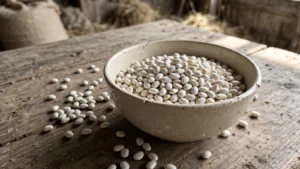
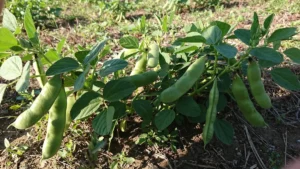
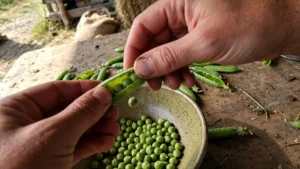
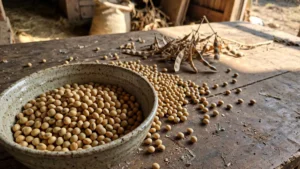
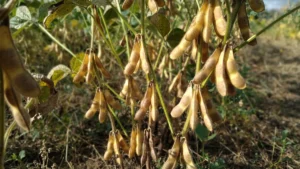
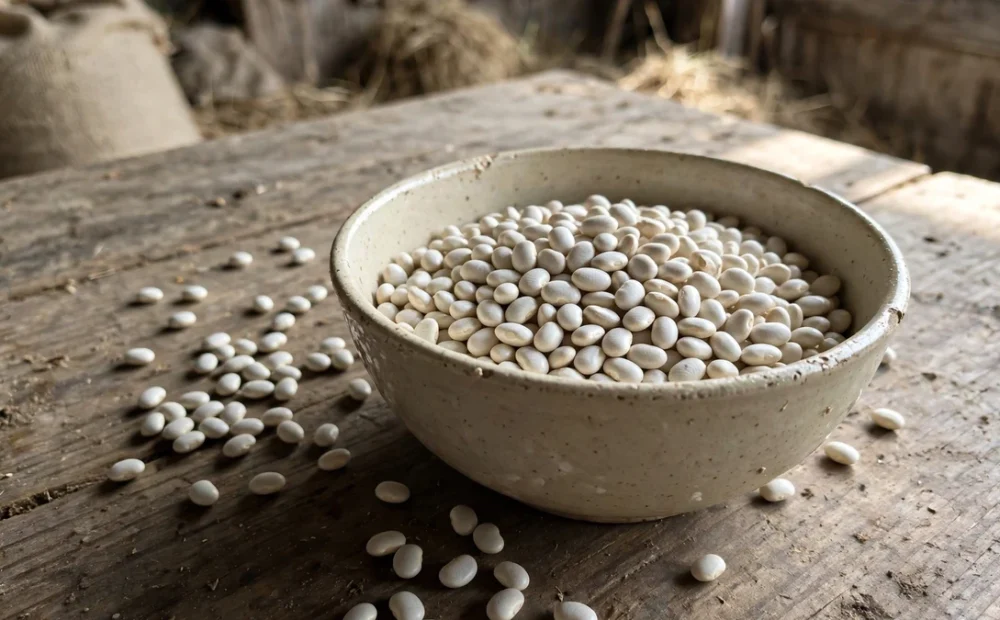
Lima beans are the broad, flat bean of the American South and the Andean coast, creamy when cooked and mild enough to carry whatever the farm kitchen puts beside them. Botanists call the plant Phaseolus lunatus, and the bean takes its name from Lima, the Peruvian capital, where farmers were growing it long before it crossed the Atlantic. In the southern United States the same bean goes by butter bean, a name that suits its texture better than its origin.
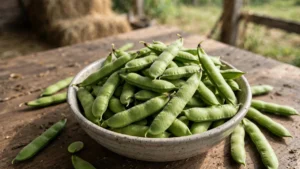
A lima bean farm retreat is a few nights on a working farm timed to the shelling weeks, when the pods hang fat on low bushy plants and the kitchen works through baskets of fresh beans. You sleep in a farmhouse room, eat limas shelled that morning, walk the rows while the pods are still cool, and watch the dried harvest threshed and bagged in the yard. The farms run from the flat fields of Delaware to a coastal valley in Peru, and the broad flat bean ties them together.
Here are nine lima bean farm retreats to weigh for 2027, from the cheapest Delmarva stay to the dearest Deep South farm. Each one is judged on what it does well, what it holds back, and the traveller it suits, so the choice turns on how you travel rather than where the farm sits.
Key takeaways
- Lima beans are shelled green while the pods are plump, and dried once the pods rattle, so the first question to any farm is which harvest you are booking into.
- The butter bean of the American South and the lima bean of Peru are the same bean under two names, and a farm that knows both kitchens feeds you twice as well.
- The northern harvest falls in July and August, the Peruvian harvest in April and May, and the exact week moves with the rain, so get the shelling window before you buy flights.
- Lima farms run small, with a handful of rooms and supper served family-style in the farmhouse kitchen, so expect plain comfort and soil on your shoes.
- Raw lima beans carry linamarin and must be cooked through, dried limas need soaking and a long boil, and no farm can promise a harvest date, so settle the kitchen and the calendar before you pay.
What a lima bean farm retreat actually is
A lima bean farm retreat means three to five nights on a working farm that grows lima beans, with the shelling weeks as the reason for the trip. Guests sleep in a farmhouse room or a converted barn, eat what the farm kitchen cooks, and join the harvest, walking the rows to see the pods shelled, dried and threshed.
Lima beans have fed two continents for centuries, and the great lima regions took shape around the dishes they served. The Delmarva Peninsula fed the butter-bean tables of the Atlantic coast, the Sacramento Valley fed the canneries of California, and the coastal valleys of Peru fed the stews of the Andes, where the bean began.
A day on these farms runs on the field’s clock, with supper served family-style and real work for guests who want it.
How we picked these stays, and what to ask first
We began with where lima beans truly grow, not where they sell best. A genuine lima bean farm offers fields to walk through, plants to stand among at shelling time, and a kitchen working with its own bean. A farm that buys its limas in is not a lima bean farm, whatever the website says.
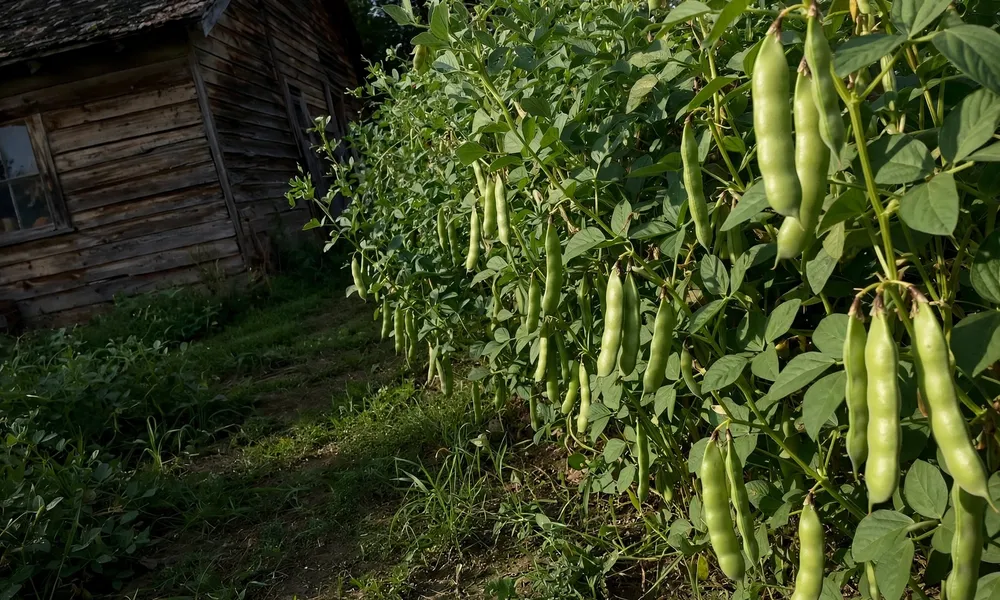
The best farms keep guest numbers small, so the shelling stays honest work rather than a performance. They also spell out what the nightly rate covers, with meals, the ride in from the nearest town and walks through the fields included in the price rather than charged on arrival. Plain talk about shelling, drying and cooking is usually a sign the farm looks after its guests well too.
The 9 best luxury lima bean farm retreats of 2027
Sussex County, Delaware, United States — Limas on the Delmarva Peninsula
What we like: Delaware grows more lima beans than any other American state, and the Sussex County farm shells them the morning they are picked, simmering the fresh beans with a little butter and salt. The farmhouse is a white clapboard house with a wide porch, and the kitchen serves butter beans with corn and warm biscuits.
What to consider: The peninsula is flat and the summer air is humid, so the shelling starts early.
Style: Delmarva farmhouse stay. Best for: Travellers who want lima beans where America grows most of them. Price range: $65–$95 per night. Standout feature: Fresh-shelled butter beans cooked the morning they are picked.
Eastern Shore, Maryland, United States — Butter Beans by the Chesapeake
What we like: Maryland’s Eastern Shore grows limas in sandy soil beside the Chesapeake Bay, and the farm stirs them into succotash with sweet corn from the next field. The shore is low and green, and the kitchen serves butter beans, corn and warm cornbread.
What to consider: The bay air is damp and the farm sits far from the cities, so the evenings are quiet.
Style: Chesapeake farm stay. Best for: Travellers who want butter beans beside the bay. Price range: $100–$130 per night. Standout feature: Succotash made from beans and corn grown on the same farm.
Central Valley, California, United States — Limas in the Sacramento Valley
What we like: California’s Central Valley grows limas on irrigated ground below the Coast Ranges, and the farm dries them for the winter table, simmering the dried beans with olive oil and herbs. The valley is wide and hot, and the kitchen serves dried limas, roast vegetables and warm bread.
What to consider: The valley heat is fierce at harvest time, and the farm is far from the coast.
Style: California valley farm stay. Best for: Travellers who want lima beans from the valley that feeds the canneries. Price range: $135–$165 per night. Standout feature: Dried limas simmered with olive oil from the farm’s own trees.
Lima, Peru — Limas Where the Bean Began
What we like: The bean is named for this city, and the coastal farm grows limas in the desert valleys that the Incas farmed, cooking them in stews with squash and ají. The coast is dry and grey, and the kitchen serves lima stews, rice and warm bread.
What to consider: The coastal fog is thick in the mornings, and the farm sits near a busy city.
Style: Peruvian coastal farm stay. Best for: Travellers who want the lima bean where it began. Price range: $170–$200 per night. Standout feature: Lima stews cooked from beans grown in the bean’s home valleys.
Ica, Peru — Limas on the Desert Coast
What we like: Ica grows limas in irrigated desert fields between the dunes, and the farm shells them green for the evening table, serving them with chicken and rice. The desert is pale and wide, and the kitchen serves green limas, roast chicken and warm bread.
What to consider: The desert sun is strong, so the days run hot and the nights are cool.
Style: Peruvian desert farm stay. Best for: Travellers who want green limas from the desert coast. Price range: $205–$235 per night. Standout feature: Green limas shelled the same day they are served.
Antananarivo, Madagascar — Limas on the High Plateau
What we like: Madagascar’s high plateau grows limas in red soil around the capital, and the farm cooks them with leafy greens and rice for the midday meal. The plateau is cool and terraced, and the kitchen serves limas, greens and warm rice.
What to consider: The plateau roads are rough and the farm is a long drive from the airport, so the journey takes a day.
Style: Malagasy highland farm stay. Best for: Travellers who want lima beans from the island’s high ground. Price range: $240–$270 per night. Standout feature: Limas cooked with leafy greens from the farm’s own terraces.
Mandalay, Myanmar — Limas along the Irrawaddy
What we like: The dry zone around Mandalay grows limas in the hot months, and the farm simmers them with chickpeas and turmeric for the evening meal. The river is wide and slow, and the kitchen serves limas, rice and warm flatbread.
What to consider: The dry-zone heat is intense at harvest time, and the farm sits far from the tourist towns.
Style: Burmese river farm stay. Best for: Travellers who want lima beans from the Irrawaddy’s dry zone. Price range: $275–$305 per night. Standout feature: Limas simmered with chickpeas and turmeric from the farm’s own fields.
Cibao Valley, Dominican Republic — Butter Beans in the Cibao
What we like: The Cibao Valley grows limas in rich soil below the mountains, and the farm stews them with plantain and pork for the Sunday table. The valley is green and wide, and the kitchen serves butter beans, plantain and warm bread.
What to consider: The valley rain can push the harvest back a week, so the shelling date moves.
Style: Dominican valley farm stay. Best for: Travellers who want butter beans from the Caribbean’s breadbasket. Price range: $310–$340 per night. Standout feature: Butter-bean stew with plantain from the farm’s own trees.
Georgia, United States — Butter Beans in the Deep South
What we like: Georgia grows butter beans in red clay soil, and the farm simmers them with ham and serves them over rice at the Sunday table. The country is rolling and green, and the kitchen serves butter beans, ham and warm biscuits.
What to consider: The farm is the dearest stay here, and the summer humidity is heavy.
Style: Southern farm stay. Best for: Travellers who want butter beans at the far end of the map. Price range: $345–$380 per night. Standout feature: Butter beans simmered with ham from the farm’s own smokehouse.
Which lima bean region fits your trip
If you want lima beans where the bean story runs deepest, start with Lima or Ica, where the bean has been grown longest and the kitchens run to stews and green limas. Both suit a first visit well, with short walks and slow meals together.
If you want scenery with your lima beans, Antananarivo and Mandalay put the fields on high ground and beside a great river, the Cibao Valley sets them below green mountains, and Sussex County sets them on the flat Delmarva fields.
If you want the bean that goes with the lima bean, our guide to the chickpea farm retreats covers a different legume altogether, with Mediterranean heartlands and hummus tables instead of butter-bean fields and shelling yards, and the lentil farm retreats offer another small pulse, with high plateaus and soup pots instead of plump pods and succotash bowls.
The caveats that matter
Lima bean farming answers to the weather: farms give a best guess, never a promise, and a trip pinned to one shelling day gambles on rain. The warning that counts is the bean itself, easy to overlook when the stay is sold as gentle countryside.
| Detail | What is known |
|---|---|
| Best time to visit | July and August in the northern summer, April and May in Peru, once the pods swell and the shells turn plump; the precise week shifts with the rain |
| What the work involves | Walking the rows, watching the pods shelled green and dried, and seeing the beans threshed, bagged and cooked in the farm kitchen |
| How long a stay runs | Three to five nights, set around the summer shelling weeks |
| Who should take care | Guests with a legume allergy, and anyone unused to fierce sun, shelling dust or thin mountain air |
| What the kitchen serves | Butter beans, succotash, lima stews and rice, with cornbread and farm tea poured beside the plate |
| Gluten note | Lima beans carry no gluten, but the biscuits and bread served beside them are usually wheat, so ask the kitchen what it can safely serve |
| What to pack | Sturdy closed shoes, a sun hat, a warm layer for cool evenings, and clothes you can wash by hand |
| What it does not do | No promised shelling day, no fixed menu, and no hotel-style service on a working farm |
If a legume allergy or a strict gluten-free diet applies, speak to the farm before booking. One straight question about the kitchen and the beans can spare you a miserable stay, and a farm that answers it openly is usually the right farm. Our adzuki bean farm retreats carry the same caution, since the bread on those tables comes from grain too.
Checklist: booking a lima bean farm stay honestly
Run through these checks before you pay, and once more the week before you travel.
- Get the shelling window in writing, and ask what happens if the pods are still flat when you arrive.
- Check whether the nightly rate covers supper, the ride in from the nearest town and the walks through the fields.
- Ask whether the shelling and cooking happen on the farm, and whether the kitchen can serve a meal without lima beans.
- Look over the bedroom before you pay, and try the bed, the taps and the heating, since the rooms stay simple.
- Pack for hot sun and shelling dust: closed shoes, a hat, a warm layer for cool evenings, and clothes you can wash by hand.
- Keep one day open for the nearest town, so a shelling that moves still leaves a good trip.
Frequently asked questions
How is a lima bean different from a butter bean?
It is not different at all: the butter bean of the American South and the lima bean of Peru are the same bean, Phaseolus lunatus, under two names. Southern cooks call the fresh green bean a butter bean for its creamy texture, while Peruvian cooks call it a lima bean for the city that gave it its name. Dried, the bean is almost always sold as a lima bean, and fresh, it is almost always sold as a butter bean.
When do lima beans ripen?
The northern crop ripens in July and August, the Peruvian harvest lands in April and May, and the dried crop is threshed once the pods turn papery and rattle. The shelling and threshing take a week or two, and the exact week moves with the rain, so ask the farm for its shelling window rather than a single date, and wait to book flights until the window is set.
Are lima beans safe to eat raw?
No. Raw and undercooked lima beans contain linamarin, a compound that releases cyanide in the gut, and they must be cooked thoroughly before eating. Fresh limas should be shelled and boiled until tender, and dried limas need soaking overnight and a long boil. Never snack on raw pods in the field, and ask the farm how its kitchen boils the beans before you sit down to eat.
How can you tell a lima field is ready to pick?
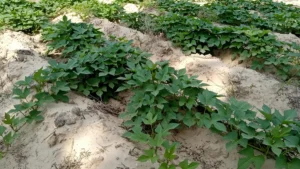
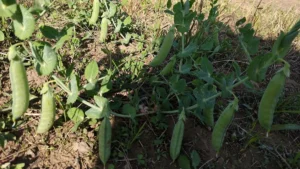
A ripe lima field stands low and bushy, with fat pods hanging on the plants until they feel full and firm when squeezed. Split a pod open and the beans inside should be broad and flat, pale green when fresh and cream when dried, and the field should smell of green leaves and warm earth.
Which region suits a first lima bean trip?
Sussex County is the easiest first trip: the lima fields are widest there, the farms are used to guests, and the fresh-shelled butter beans best show what the bean can do. If you want the story as well as the bowl, Lima is the coastal city where the bean got its name, and the stews there carry centuries of cooking.
Can a gluten-free traveller eat well on a lima farm?
Mostly. The fields, the shelling and the harvest are worth the trip alone, and lima beans carry no gluten, but the biscuits and bread served beside the beans are usually wheat. Ask the farm what a gluten-free guest can eat, and pick the shelling week rather than the week the ovens run.
The bottom line
A lima bean farm retreat suits travellers who prefer low bushy fields, shelling yards and lima beans cooked the farm’s own way to a hotel. The beans come warm and fresh, and the finest stays feed you from ground they worked themselves.
Fix the shelling week before the travel dates, and keep a spare day at the end. When the lima pods swell on time you will eat beans shelled that week, and when they do not, the hills, the valleys and the old towns will still carry the trip.