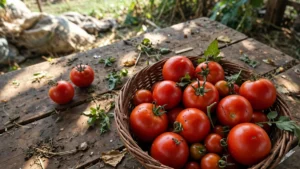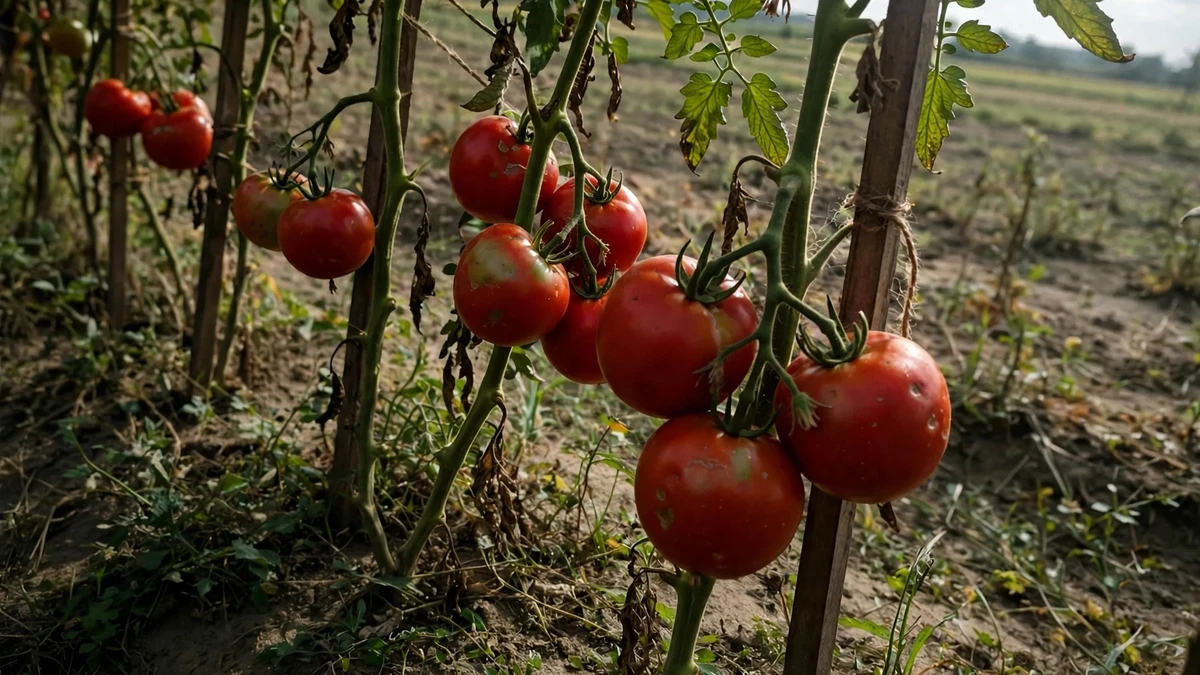
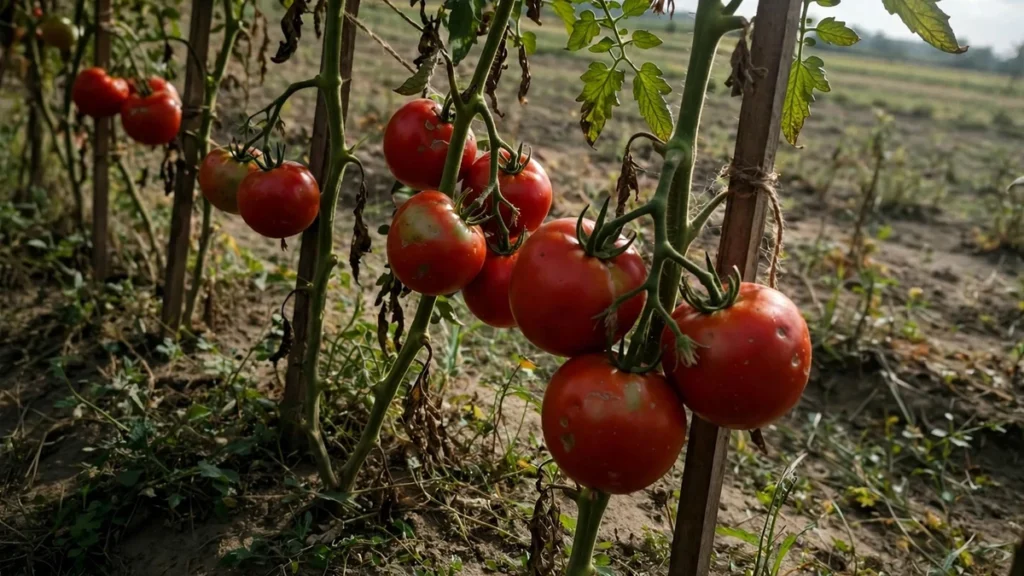
A tomato is a fruit that refuses to behave like one. Botanically it is Solanum lycopersicum, a berry that grows on a vine, yet every kitchen in the world treats it as a vegetable, slicing it into salads, simmering it into sauces and salting it before it ever meets a dessert plate. That split is part of the charm: the same plant gives you a cherry tomato you can eat like a sweet, a beefsteak that fills a sandwich, and an heirloom whose ribs and shoulders look nothing like the smooth red globe in a supermarket.
A tomato farm retreat is a few nights on a working farm in the ripening weeks, when the vines are staked and tied, the fruit hangs heavy, and the kitchen is cooking what the fields grew that morning. You sleep in a farmhouse room, eat tomatoes from the farm’s own rows, walk the vines while the morning is still cool, and watch the sauce pot simmer through the afternoon. The farms run from the volcanic slopes of Campania to the lake shore of Ontario, and the ripening tomato ties them together.
Here are nine tomato farm retreats to weigh for 2027, from the cheapest San Marzano stay to the dearest Leamington farm, covering heirloom, beefsteak and cherry tomatoes, so the decision turns on the way you travel rather than the place on the map.
Key takeaways
- A tomato is a fruit by botany and a vegetable by cooking: heirloom, beefsteak and cherry are the three kinds to know, and a sun-ripened tomato tastes nothing like a winter one.
- Tomatoes are a warm-season crop that hates frost and loves sun, rich soil and steady water, so the picking weeks fall in high summer in the north and run the other way round in the south.
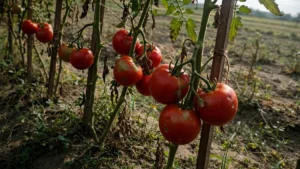
- Vines need staking and tying as they grow, and the fruit is picked through summer into autumn, with cherry types first and the big beefsteaks last.
- Tomato farms run small, with a handful of rooms and meals at one table, so expect plain comfort, early mornings and juice on your hands.
- Tomatoes carry no gluten, but the bread and pasta served beside them are usually wheat, so settle the kitchen and the calendar before you pay.
What a tomato farm retreat actually is
A tomato farm retreat means three to five nights on a working farm that grows tomatoes, with the ripening weeks as the reason for the trip. Guests sleep in a farmhouse room or a converted barn, eat what the farm kitchen cooks, and join the harvest, walking the rows to see the vines tied to their stakes, the cherry tomatoes picked by the handful and the beefsteaks cut when they give slightly under the thumb.
Tomatoes have fed warm countries for centuries, and the great tomato regions took shape around the dishes they served. Campania bottled its San Marzano for sauce, Emilia-Romagna simmered its tomatoes into ragù, and the farms of Provence turned theirs into ratatouille and salads eaten in the shade.
On these farms the vine sets the day, not the hotel: supper comes to one long table, and anyone who asks can join the real work.
How we picked these stays, and what to ask first
We began with where tomatoes truly grow, not where they sell best. A genuine tomato farm offers fields to walk through, vines to stand among at picking time, and a kitchen working with its own tomatoes. A farm that buys its tomatoes in is not a tomato farm, whatever the website says.
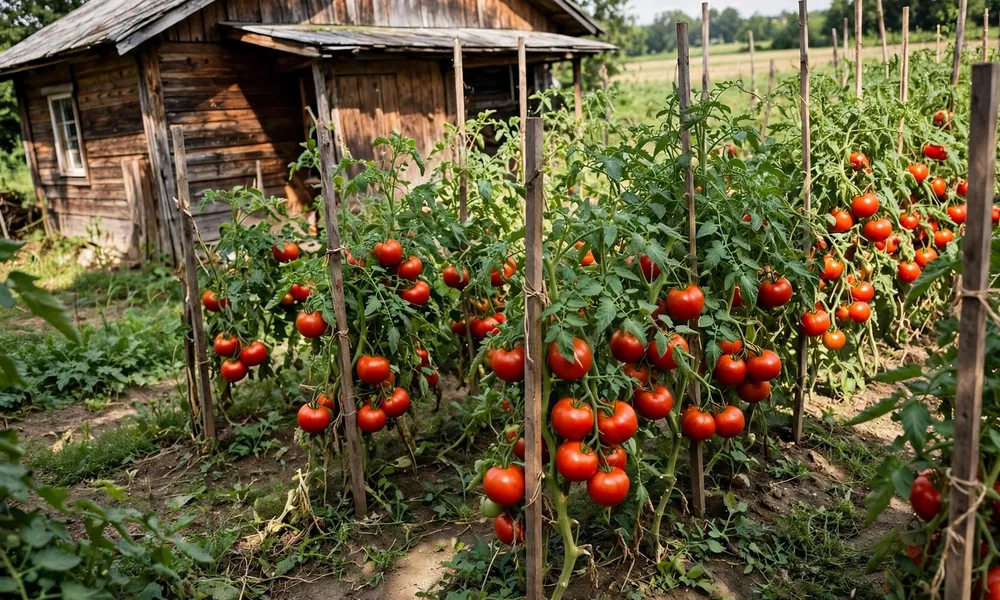
The finest farms keep their guest lists short, so the harvest stays honest work instead of a show put on for visitors. They also spell out plainly what the nightly rate covers, with supper, the lift in from the nearest town and walks among the vines folded into the price instead of added on arrival. Plain talk about staking, ripening and canning is usually a sign the farm looks after its guests well too.
The 9 best luxury tomato farm retreats of 2027
San Marzano, Campania, Italy — Tomatoes on the Volcanic Slopes
What we like: San Marzano tomatoes grow on the volcanic slopes below Vesuvius, where the ash-rich soil and the Campanian sun give the fruit its low acidity and dense flesh. The farm cans its own passata each August, and the kitchen serves it over pasta with basil picked from the same rows.
What to consider: The August heat is fierce at picking time, and the farm sits a long way from the railway, so the lift in matters.
Style: Campanian hillside farm stay. Best for: Travellers who want the sauce tomato where Italy grows it best. Price range: $65–$95 per night. Standout feature: Passata from San Marzano tomatoes canned on the farm.
Pachino, Sicily, Italy — Cherry Tomatoes by the Sea
What we like: Cherry tomatoes in Pachino grow on the warm coastal plain of south-east Sicily, where the sea breeze and the strong sun give the small fruit its sweetness. The farm picks them by the handful and serves them warm in salads with olive oil pressed a few fields away.
What to consider: The summer sun is strong at picking time, and the cherry vines need picking every day, so the mornings start early.
Style: Sicilian coastal farm stay. Best for: Travellers who want cherry tomatoes picked warm off the vine. Price range: $100–$130 per night. Standout feature: Cherry tomatoes served warm in salads with the farm’s own oil.
Murcia, Spain — Tomatoes on the Sunny Plain
What we like: Tomatoes in Murcia grow on the sunny plain of south-east Spain, where the long season and the dry air give the fruit a deep colour and a firm bite. The farm roasts its tomatoes for gazpacho and serves them with bread rubbed with garlic and oil.
What to consider: The plain is hot at midday in August, and the farmhouse rooms stay plain, so ask for a shaded room.
Style: Murcian plain farm stay. Best for: Travellers who want tomatoes for gazpacho from the Spanish fields. Price range: $135–$165 per night. Standout feature: Gazpacho from tomatoes roasted on the plain.
Almería, Spain — Tomatoes Under Glass
What we like: Tomatoes in Almería grow under glass in the great greenhouses of the Andalusian coast, where the mild winters stretch the season from autumn into spring. The farm grows beefsteak and vine tomatoes for the table, and the kitchen serves them sliced thick with salt and oil.
What to consider: The greenhouses are vast and warm inside, and the coast road is busy, so the farm feels less like a quiet retreat than the others here.
Style: Andalusian greenhouse farm stay. Best for: Travellers who want tomatoes outside the summer season. Price range: $170–$200 per night. Standout feature: Vine tomatoes grown under glass through the winter.
Emilia-Romagna, Italy — Tomatoes for the Sauce Pot
What we like: Tomatoes in Emilia-Romagna grow on the flat, fertile plain between the Apennines and the Po, where the fruit is bred for the sauce pot. The farm simmers its tomatoes into ragù and sugo, and the kitchen serves them over fresh pasta made that morning.
What to consider: The plain is humid in high summer, and the farm books early for the ragù weeks, so the picking week fills fast.
Style: Emilian plain farm stay. Best for: Travellers who want tomatoes cooked the ragù way. Price range: $205–$235 per night. Standout feature: Ragù from tomatoes simmered in the farm kitchen.
Provence, France — Tomatoes Below the Luberon Hills
What we like: Tomatoes in Provence grow in the southern sun below the Luberon, where the dry air and the long days give the fruit a bright, sharp flavour. The farm folds its tomatoes into ratatouille and serves them in salads with herbs cut from the garden wall.
What to consider: The Provençal sun is fierce at midday, and the farm sits far from the coast road, so a car helps.
Style: Provençal hillside farm stay. Best for: Travellers who want tomatoes with herbs from the French south. Price range: $240–$270 per night. Standout feature: Ratatouille from tomatoes picked on the hills.
Napa Valley, California, USA — Heirloom Tomatoes in Wine Country
What we like: Heirloom tomatoes in Napa grow in the warm valley between the vineyards, where the dry summers and cool nights give the old varieties their stripes, ribs and deep flavour. The farm grows Brandywine, Cherokee Purple and Green Zebra, and the kitchen serves them sliced with salt, oil and basil.
What to consider: The valley is dear in harvest season, and the farm sits among wineries, so the tomato weeks share the road with the grape harvest.
Style: Californian wine-country farm stay. Best for: Travellers who want heirloom tomatoes among the vines. Price range: $275–$305 per night. Standout feature: Heirloom slices from Brandywine and Cherokee Purple.
Immokalee, Florida, USA — Winter Tomatoes in the Everglades
What we like: Tomatoes in Immokalee grow on the flat fields at the edge of the Everglades, where the mild winters let the vines fruit while the north is frozen. The farm picks round tomatoes for the table through the cool months, and the kitchen serves them in salads and sandwiches with citrus from the groves.
What to consider: The fields are flat and the work is plain, and the summer heat keeps the farm closed, so the winter window is the only one.
Style: Floridian winter farm stay. Best for: Travellers who want tomatoes in the middle of winter. Price range: $310–$340 per night. Standout feature: Winter tomatoes picked while the north is frozen.
Leamington, Ontario, Canada — Tomatoes on the Lake Shore
What we like: Tomatoes in Leamington grow on the warm shore of Lake Erie, where the lake softens the frost and the long days ripen the fruit through the summer. The farm grows beefsteak and cherry types for the table, and the kitchen serves them in salads, sauces and sandwiches with bread baked on the farm.
What to consider: The farm is the dearest stay here, and the lake weather turns fast, so pack for a cool evening even in August.
Style: Canadian lakeside farm stay. Best for: Travellers who want tomatoes on the Lake Erie shore. Price range: $345–$380 per night. Standout feature: Beefsteak tomatoes from the warm lake shore.
Which tomato region fits your trip
If you want the tomato as a sauce, start with San Marzano or Emilia-Romagna, where the fruit is bred for the pot and the kitchen simmers it for hours. Both welcome a first-timer kindly, with gentle walks and slow meals shared at one table.
If you want the tomato as a fruit to eat raw, Pachino and Napa put the sweet cherry and the striped heirloom in your hand, while Provence and Murcia serve them in salads and cold soups.
If you want tomatoes outside the summer, Almería and Immokalee stretch the season into winter. For a different crop, our guide to the pumpkin farm retreats covers a vine that runs along the ground instead of climbing a stake, and the corn farm retreats offer tall rows and another harvest.
The caveats that matter
Tomato farming answers to the weather: farms give a best guess, never a promise, and a trip pinned to one ripening day gambles on rain. The real warning is the tomato itself, easy to miss when the stay is sold as gentle country.
| Detail | What is known |
|---|---|
| Best time to visit | July into October in the north for field tomatoes, and December into March for the winter crop in Florida and Almería |
| What the work involves | Walking the rows, seeing the vines tied to their stakes, picking cherry tomatoes by the handful, and watching the sauce pot simmer in the farm kitchen |
| How long a stay runs | Three to five nights, set around the ripening weeks |
| Who should take care | Guests with a tomato or nightshade sensitivity, and anyone unused to fierce sun, vine dust or humid greenhouses |
| What the kitchen serves | Tomato salads, gazpacho, ragù, ratatouille and passata, with fresh bread and farm oil beside the plate |
| Gluten note | Tomatoes carry no gluten, but the bread and pasta served beside them are usually wheat, so ask the kitchen what it can safely serve |
| What to pack | Closed walking shoes, a broad sun hat, a warm layer for chilly nights, and clothes that wash easily by hand |
| What it does not do | No promised ripening day, no fixed menu, and no hotel-style service on a working farm |
Anyone with a nightshade sensitivity or a strict gluten-free diet should ring the farm before booking. A single question about the kitchen and the tomatoes can save you a difficult stay, and a farm that answers honestly is usually worth the visit. Our pea farm retreats carry the same caution, with grain-baked bread on those tables too.
Checklist: booking a tomato farm stay honestly
Work through this list before you pay, and go over it again in the week before you travel.
- Get the ripening window in writing, and ask what happens if the tomatoes are still green when you arrive.
- Check that the nightly rate covers supper, the lift in from the nearest town and the walks among the vines.
- Ask whether the picking and cooking happen on the farm, and whether the kitchen can serve a meal without tomatoes.
- See the bedroom before you pay, and try the bed, the taps and the heating, because the rooms are plain.
- Pack for sun, dust and juice: closed shoes, a hat, a warm layer for cold evenings, and clothes you can wash by hand.
- Keep one day open for the nearest town, so a ripening week that moves still leaves a good trip.
Frequently asked questions
Is a tomato a fruit or a vegetable?
Both, in different senses. Botanically a tomato is a fruit, the berry of Solanum lycopersicum, but cooks treat it as a vegetable, and the law in the United States has called it one since an 1893 tax case. On a farm it matters little: the fruit is picked ripe, eaten fresh, and cooked like a vegetable.
When do tomatoes ripen in the northern hemisphere?
Field tomatoes ripen from July into October, with cherry types first and the big beefsteaks last, and the winter crop in Florida and Almería runs the other way round. The precise week shifts with the rain and the frost, so ask the farm for its ripening window instead of a single date, and hold off booking flights until that window is fixed.
How can you tell a tomato is ripe?
A ripe tomato is fully coloured, gives slightly under the thumb, and comes away from the vine with a gentle twist. Cut one open and the flesh should be juicy and fragrant, and the vine should smell of warm leaves and cut stems.
Can I join in with the picking and the cooking?
Most farms let guests walk the rows, join the picking and sit at the sauce table, and some invite you into the kitchen to stir the pot. The picking itself is steady work, so ask the farm what guests can do before you book, and expect tomato juice on your hands either way.
Which region suits a first tomato farm trip?
San Marzano is the easiest first trip: the tomato fields are widest there, the farms are used to guests, and the passata best shows what the tomato can do. If you want the fruit as well as the sauce, Pachino is the warm Sicilian plain where the cherry tomatoes are picked by the handful.
Can a gluten-free traveller eat well on a tomato farm?
Mostly. The fields, the picking and the harvest are worth the trip alone, and tomatoes carry no gluten, but the bread and pasta served beside the tomatoes are usually wheat. Ask the farm what it can cook for a gluten-free guest, and pick the ripening week over the bread-baking week.
The bottom line
A tomato farm retreat suits travellers who prefer staked vines, sauce pots and tomatoes cooked the farm’s own way to a hotel. The cherry tomatoes come warm off the vine, the sauce simmers through the afternoon, and the finest stays feed you from ground they worked themselves.
Fix the ripening week before the travel dates, and keep a spare day at the end. When the tomatoes ripen on time you will eat them cut that morning, and when they do not, the hills, the valleys and the old towns will still carry the trip.