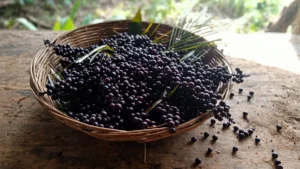
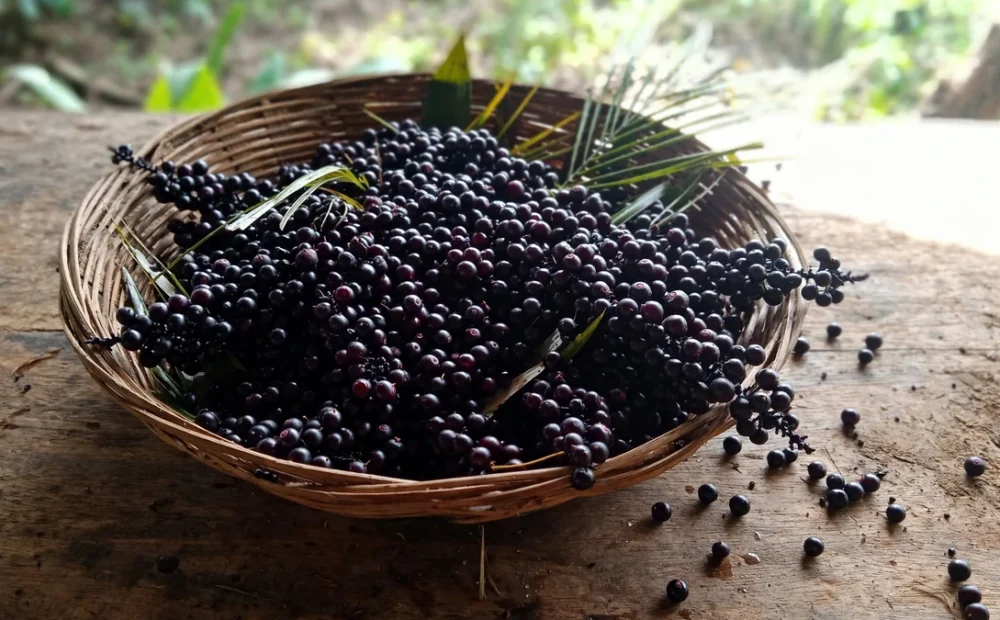
Acai is the small dark purple berry that turned a riverside palm into a global breakfast. In Pará, at the mouth of the Amazon, it is not a superfood trend. It is what people eat with tapioca and fish, what children pick from the palms behind the house, and what whole towns harvest by hand each year. A luxury acai farm retreat puts you in the middle of it.
The retreats here are not resorts with an acai bowl on the menu. They are working palm groves and small family farms along the rivers of Pará and Amapá, where guests sleep in the grove, walk the floodplain at dawn, and eat the berry the same day it was picked. Some are simple guesthouses with good beds and a shared table, others are proper lodges with private cabins, river boats, and a chef, and all nine were chosen because the acai is real and the hosts are part of the harvest.
Below are nine retreats worth considering in 2027, from a river market base in Belém to a quiet grove on Marajó Island, each described by what it does well, what to watch for, and who it suits best.
Key takeaways
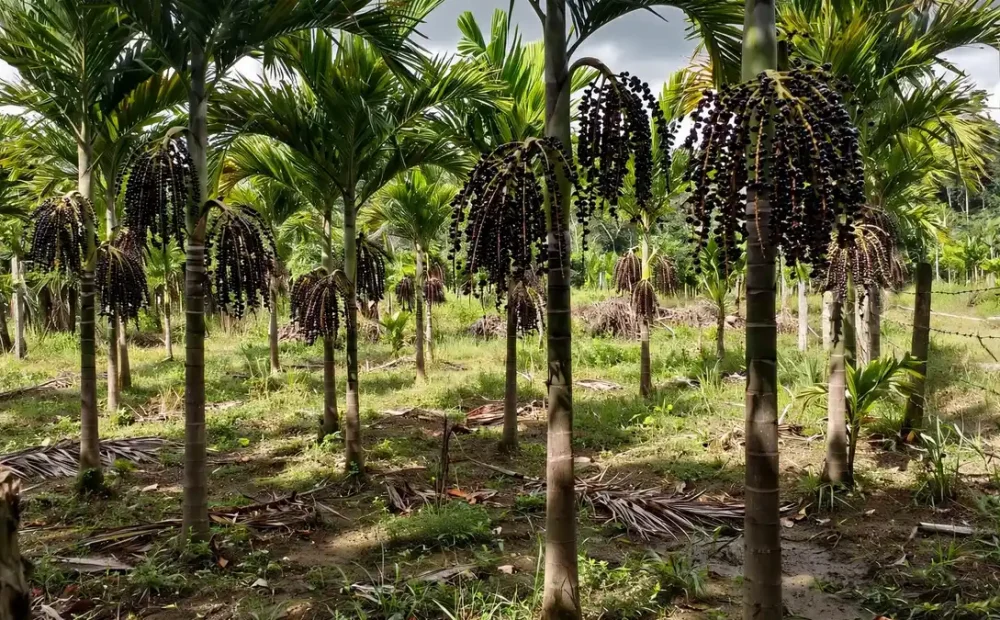
- Acai comes from the palm Euterpe oleracea, grows in clusters high in the crown, and is harvested by climbers who cut the whole bunch by hand.
- The main harvest runs roughly January to June in Pará, with the heaviest picking in the middle months, and the berry spoils fast once it leaves the palm.
- Fresh acai tastes earthy and faintly chocolatey, nothing like the sweetened bowls sold abroad, and it is usually eaten the same day it is picked.
- Most retreats are small and riverside, so boats, tides and rain shape the day more than any schedule, and flexibility is part of the stay.
- Acai itself has no gluten, but a farm breakfast table often does, so ask which breads, cakes and porridges contain wheat before you sit down to eat.
What an acai farm retreat actually is
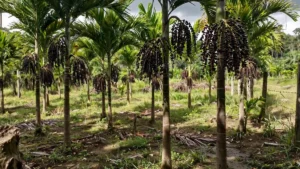
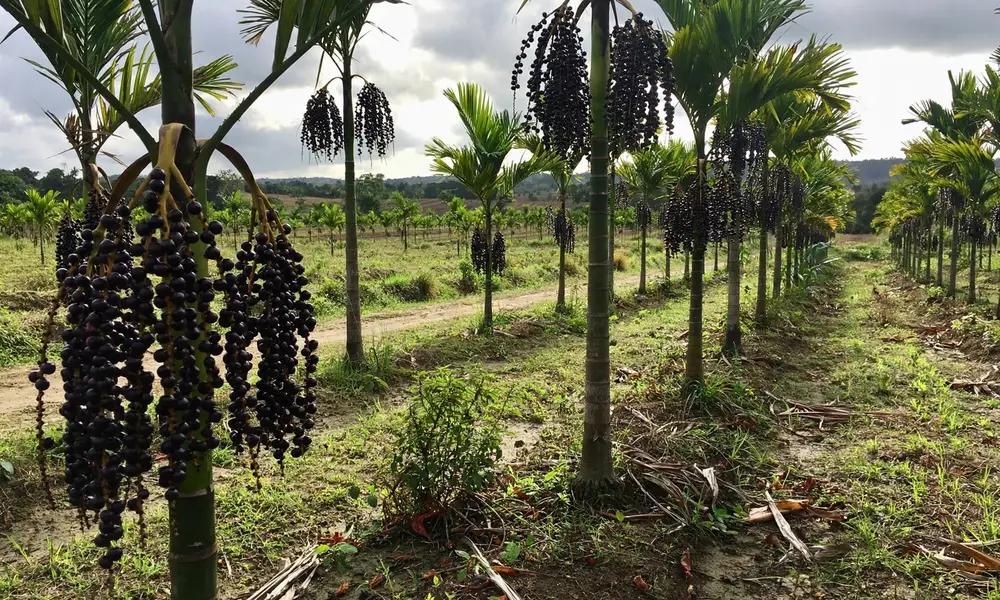
An acai palm is a tall, thin tree that grows in clumps along riverbanks and floodplains. The berries hang in heavy dark clusters near the top, and the only way to get them down is for someone to climb the trunk with a rope loop and cut the bunch free. That climb is the heart of an acai farm retreat, and guests watch it at dawn, then follow the berries from the basket to the pulping machine to the bowl.
The day is shaped by the river. Boats leave when the tide allows, rain arrives in the afternoon, and the pulping happens when the harvest comes in, not at a fixed hour. Expect early starts, simple food done well, and a lot of time outdoors, and a berry at lunch that was on the palm that morning.
These stays sit in a different world from a beach resort. There is no lobby, no concierge desk, and often no phone signal in the grove. What you get instead is a host family that knows every palm on its land, a cook who makes acai with tapioca and fried fish the way it has always been eaten here, and a landscape that changes with the tide. If that sounds like your kind of break, this place will suit you. If it sounds like hard work, choose a lodge with a boat and a chef and let the farm come to you.
How we chose these retreats and what to look for
We looked for stays where the acai is harvested on the property or on land the host farms directly, where guests can see the picking and the pulping, and where the food is cooked from the farm and the river rather than bought in. A retreat where the host climbs, the family pulps, and the bowl comes from that morning made the list. One that only serves acai at breakfast did not.
Look next at the practical details. Ask how far the grove is from the bed, whether the boat is included, and what happens when it rains. A retreat that answers plainly is usually run with care. Our guide to the best luxury jackfruit farm retreats follows the same test, and a cheap stay that leaves you stranded at a river landing is worse than a dearer one with a boat, a guide and a cook included.
Finally, look at the season. The harvest peaks in the first half of the year, and outside it the picking is thinner and the dawn climb may be a demonstration rather than a full harvest. Book inside the season if the harvest is why you are coming.
The 9 best luxury acai farm retreats of 2027
Belém — River Markets and Acai Bowls at the Source
What we like: A comfortable city base where the river trade lands each morning, with a host who walks guests through the Ver-o-Peso market and out to a partner grove by boat. What to consider: You sleep in the city, not in the grove, so the farm days are day trips rather than a full stay among the palms.
The market at dawn is the draw. Baskets arrive by canoe, the pulping machines run in the open, and your host knows the sellers by name. Best for: First-timers who want the city and the farm in one trip. Style: City guesthouse with guided river days. Price range: $95–$180 per night. Standout feature: A dawn market walk with a host who buys from the same sellers every day.
Abaetetuba — Palm Groves on the Floodplain
What we like: A family farm on the floodplain with cabins among the palms, a cook serving acai with tapioca and fish, and a host who climbs every morning. What to consider: The ground floods in the wet months, so the walkways are boards and the boots are essential, and the rooms are simple rather than plush.
This is the closest most guests get to the real harvest. You wake to climbers, walk the boards between the clumps, and watch the bunches come down by hand. Best for: Travellers who want to live inside the harvest, not watch it from a lodge. Style: Working family farm with simple cabins. Price range: $70–$130 per night. Standout feature: Morning climbs you can watch from the cabin steps.
Barcarena — Small Farms beside the River
What we like: A small riverside farm with two guest rooms, a private boat, and a host couple pulping the berries themselves each afternoon. What to consider: Only a handful of guests at a time, so dates fill early, and there is no restaurant, just the family table.
Barcarena suits people who like things small. The boat takes you to the grove, the host shows you how the bunches are graded, and lunch is whatever the river gave that morning. Best for: Pairs and lone travellers after a hushed, one-to-one kind of stay. Style: Intimate riverside farmhouse. Price range: $85–$150 per night. Standout feature: Afternoon pulping at the family table, berries in by hand.
Igarapé-Miri — The Acai Capital of the Delta
What we like: The town that calls itself the acai capital, with a festival, a river of boats, and groves that stretch as far as you can see. What to consider: Festival weeks are crowded and loud, and the town is a working river port, not a polished resort strip.
If you want scale, come here. The harvest is huge yet hand-done, and the town celebrates it with music, boats and bowls, while your host arranges a grove visit and a river tour. Best for: Travellers who want the biggest harvest scene in Brazil. Style: River town guesthouse with farm excursions. Price range: $60–$120 per night. Standout feature: A harvest festival town where acai is the whole economy.
Cametá — Old River Town, Working Groves
What we like: A historic river town with groves worked by the same families for generations and a host who knows the old trade routes. What to consider: The journey takes time, with a long boat ride from Belém, and few luxuries beyond the farm itself.
Cametá rewards patience. The groves are older, the palms taller, and the methods unchanged in decades, so guests walk the old paths, eat with the family, and learn how the berry trade shaped the town. Best for: Slow travellers and anyone interested in the old river trade. Style: Heritage river town farm stay. Price range: $65–$125 per night. Standout feature: Old-growth groves worked by the same families for generations.
Macapá — Acai on the Equator
What we like: A farm stay on the equator in Amapá, with wide river views, strong sun, and a long fruiting season. What to consider: The heat is serious, the sun is direct, and the town is far from the main Pará harvest belt.
Macapá offers acai on the equator, with a long fruiting season, wide water and big skies. The farm is a working one, the hosts are proud of their groves, and the sunset river trips are superb. Best for: Travellers combining Amapá with the Amazon and wanting a longer season. Style: Equatorial farm lodge with river trips. Price range: $80–$145 per night. Standout feature: Equator-line groves with a long fruiting season.
Santarém — Where the Tapajós Meets the Amazon
What we like: A lodge near the meeting of the clear Tapajós and the brown Amazon, with groves on the banks, river beaches, and a chef pairing acai with river fish. What to consider: The meeting of the waters is a boat trip, not a view from the room, and the best beaches appear only in the dry months.
Santarém is the prettiest base on this list. The water changes colour where the rivers meet, the beaches are white sand, and the groves run along the banks, with the best river food of the nine. Best for: Travellers who want river beauty as well as the harvest. Style: Riverside lodge near the meeting of the waters. Price range: $110–$200 per night. Standout feature: Clear-water beaches and groves where two rivers meet.
Altamira — Upriver Groves on the Xingu
What we like: A remote upriver farm on the Xingu, with wild country, deep forest, and groves few visitors ever see. What to consider: The journey is long and the lodge is basic, for travellers comfortable far from towns.
Altamira is the wild card. The groves sit in deep country, the river is powerful, and the harvest feels untouched by tourism, with a host who is a farmer first and a host second. Best for: Adventurous travellers who want the wildest groves. Style: Remote upriver farm on the Xingu. Price range: $75–$140 per night. Standout feature: Deep-country groves on a wild river few visitors reach.
Marajó Island — Buffalo Country and Palm Stands
What we like: A farm on the great island at the Amazon mouth, where buffalo graze beside the palms and groves meet the sea. What to consider: The island is large and slow to cross, so you stay put on one farm.
Marajó is unlike anywhere else here. The palms grow beside buffalo pastures, the cheese is famous, and the river meets the Atlantic at the island’s edge, so the stay feels like a working island rather than a single-crop tour. Best for: Travellers who want an island farm with more than one story. Style: Island farm with buffalo pastures and palm stands. Price range: $90–$165 per night. Standout feature: Buffalo pastures and palm groves on the island at the river mouth.
Which acai retreat suits you
First-timers should start in Belém or Santarém. Both give you a comfortable base, a guided introduction, and a real harvest without asking you to live on a floodplain. Belém suits market lovers, Santarém suits those who want river beauty and beaches.
If you have done a farm stay before and want the real thing, choose Abaetetuba, Barcarena or Igarapé-Miri. These are working farms where the harvest is the day, not an excursion, and you will understand acai in a way no bowl bar can teach.
For something different, Macapá, Altamira and Marajó each offer a second story: the equator, the wild Xingu, or a buffalo island, further, slower and less polished, and that is the point. The best luxury durian farm retreats make the same trade, and the same rule holds here: the further you go, the more the farm gives you.
The caveats that matter
Acai spoils quickly. Once the berry leaves the palm, the pulp must be processed within a day, so the best eating happens on the farm and frozen pulp is the honest way home. Do not expect fresh berries to travel.
| Detail | What is known |
|---|---|
| Botanical name | Euterpe oleracea, a clumping palm of the Amazon floodplain |
| Main harvest | Roughly January to June in Pará, heaviest in the middle months |
| Where it grows | Riverbanks and floodplains of Pará and Amapá in northern Brazil |
| Fresh flavour | Earthy, faintly chocolatey, unsweetened, nothing like a sweet bowl |
| How it is picked | Climbers cut whole bunches by hand from the palm crown |
| How fast it spoils | Pulp must be processed within about a day of picking |
| Who should take care | Anyone with a palm fruit allergy, and anyone who cannot climb or walk wet boards |
| What it is not | It is not a blueberry, and it is not a cure for anything |
The other caveat is the river itself. Boats run on tides, rain closes paths, and a farm day can change shape by mid-morning, so pack rain gear, shoes that grip wet wood, and patience. The best luxury marang farm retreats ask the same flexibility of their guests, because a working farm is not a hotel with a farm theme, and the weather is part of the stay.
Checklist: choosing an acai farm retreat honestly
Use these checks before you book, and again when the host confirms the dates.
- Check the harvest dates in writing: ask which weeks the palms will carry fruit on your dates.
- Check the boat: ask whether river transfers are included, and what happens if the tide or rain changes the plan.
- Check the food: ask what is cooked on the farm, and tell the kitchen about wheat before you arrive.
- Check the climb: ask whether guests can watch the picking, and whether a practice trunk is offered.
- Check the room: ask how far the cabin is from the grove, and whether the walkways are boarded.
- Check the price: ask what the walk, the tasting, the meals and the boat each cost, so nothing is a surprise.
Frequently asked questions
When does acai ripen in Pará?
The main harvest runs roughly January to June, with the heaviest picking in the middle months, and groves in Amapá fruit across a longer season.
What does fresh acai taste like?
Earthy and faintly chocolatey, rich and unsweetened, closer to a thick pulp than to a berry you would eat by the handful. The sweet bowls sold abroad add sugar, banana and granola, a different dish entirely from fresh pulp with tapioca and fish.
May guests pick acai from the palms?
Usually not. The palms are tall and the climb needs a rope loop and practice, so most farms let guests watch the picking and handle the bunches on the ground. Never climb without the host’s rope and instruction.
Who should be careful eating acai?
For most people, yes, in the amounts served at a meal. Anyone with a known palm fruit allergy should tell the host before eating, and anyone taking medication that interacts with fruit should check with a clinician first.
Which acai farm suits a first visit?
Belém is the easiest start, with the river market, a guided grove day, and a comfortable bed. Santarém is the prettiest, with river beaches and a lodge near the meeting of the waters.
How do wheat-free travellers handle a farm breakfast?
Ask the cook which breakfast items contain wheat, because farm tables serve bread, cakes and porridges alongside the acai, and cross-contact in a small kitchen is common. Tapioca is the usual local accompaniment, but confirm how it is prepared.
The bottom line
The best luxury acai farm retreat in 2027 is the one where the harvest is the day, not a decoration. Belém and Santarém are the easiest introductions, Abaetetuba and Barcarena are the most honest working farms, and Marajó, Altamira and Macapá reward the traveller who goes further.
Book inside the harvest season, confirm the fruiting dates in writing, tell the kitchen about wheat before you arrive, and let the river set the pace.