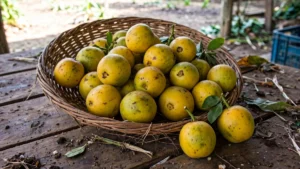
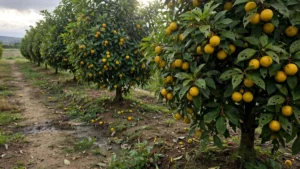
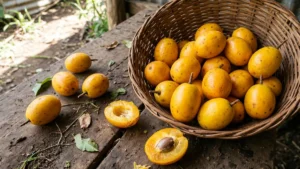
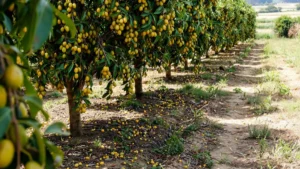
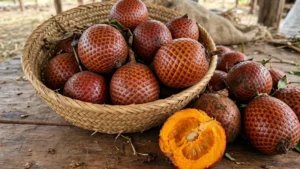
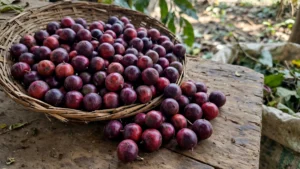
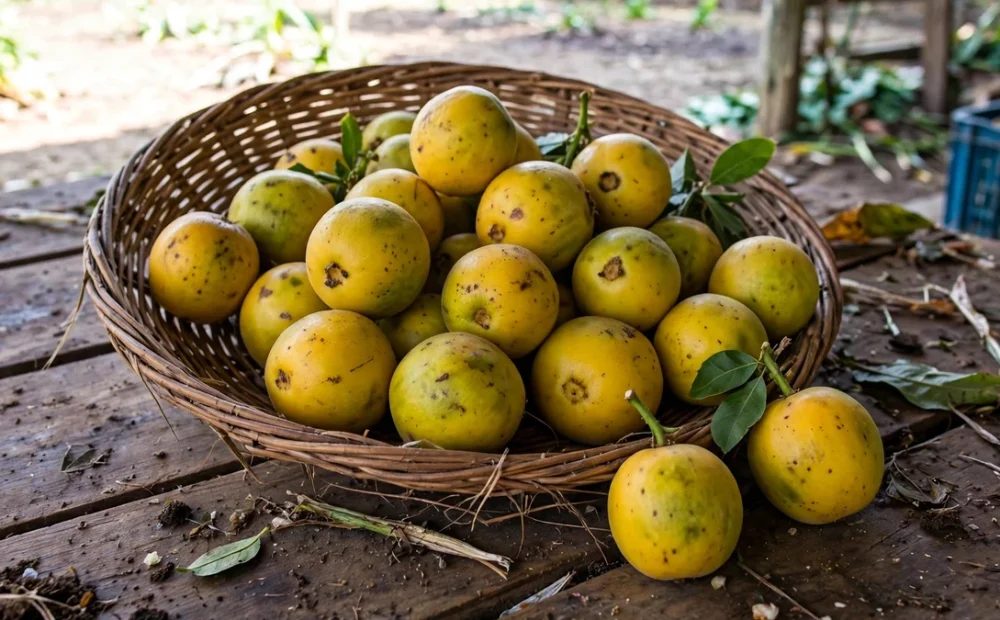
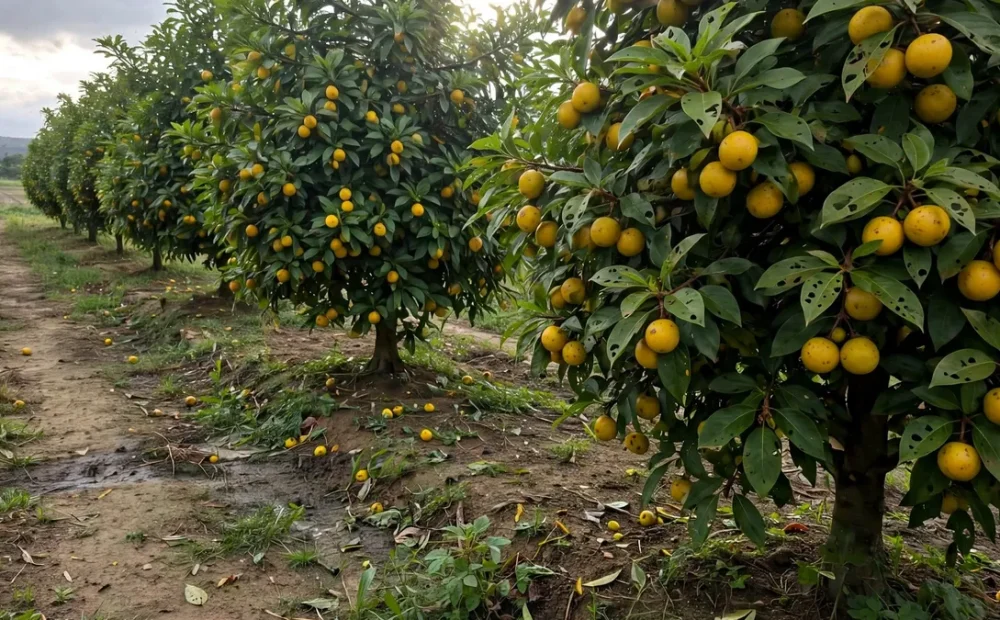
Camu camu is the Amazon’s own berry, and most of the world has never tasted it. It grows small and red-purple on bushes along the riverbanks of Loreto, and under the skin the pulp is sharp, sour, and packed with vitamin C. Peruvians press it into juice, stir the powder into drinks, and freeze the pulp into sorbet from Iquitos to Pucallpa.
A camu camu farm escape is a slow holiday built on one bush. The days run from an early boat trip to the plots to a tasting at noon and sorbet after dinner, with the kitchen folding the sharp pulp into juice and desserts in between. The rooms are plain, the host is out on the river at sunrise, and the season decides the pace.
What follows are nine steps, from fixing your dates to carrying the powder home. Take them in order and each one makes the next easier: the dates choose the river, the river chooses the farm, and the farm takes care of the rest.
Key takeaways
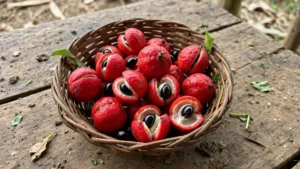
- Camu camu, Myrciaria dubia, turns deep red-purple when ripe and gives a little under the thumb, with sharp pulp that is best taken as juice.
- The harvest follows the falling rivers, roughly December to May, so the calendar matters more than the map.
- Ask about the room, the meals, and the lifts one by one. Each one can carry its own charge.
- Camu camu is not acerola: Myrciaria dubia is an Amazon riverbank berry with fiercely sour pulp, while acerola is a Caribbean cherry with a sweeter bite.
- Send the wheat note in your first message. Breakfast is baked on the farm each morning, and flour reaches every corner of a small kitchen.
What a camu camu farm escape involves
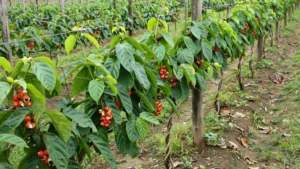
A camu camu farm escape is a holiday spent in the shade of a working plot beside the river. The bushes are low and spreading, the berries hang in small clusters, and a handful ripens each day through the season. The picking is done by hand, and most of what is gathered ends up in the farm kitchen.
The days move slowly, at the river’s own pace. Dawn means a boat ride between the plots, midday means a tasting of berries picked that morning, and the evening ends with sorbet or juice. The bedrooms are plain, the host works the plots, and the river’s calendar, not a printed timetable, decides the hours. Visitors expecting a packed programme usually drop it by day two, once the river’s rhythm takes over.
Find out what the nightly rate covers before you pay. Some farms put the plots first: simple rooms, a host mending nets at dawn. Others are comfortable guesthouses beside the river, with more comfort and less farm work in sight. Both can be good holidays, but they are not the same holiday, and the nightly rate usually tells the story. Our guide to planning a longan farm escape argues the same point from another fruit: find out what is included before the pictures win you over.
How to plan it, and what to ask first
Put the berries ahead of the room. A strong camu camu escape grows its own crop, folds a boat trip or a tasting into the stay, and is frank about the months when nothing is fruiting.

Start with the season. Camu camu ripens as the rivers fall, the peak shifting with river and water level. The plots near Iquitos pick first; the upper rivers come later and end sooner, while Colombia carries on after the Peruvian plots rest.
Then work out what the rate covers. At some stays the boat trip, the tasting, and the juice session are billed one by one. Before you book, ask about breakfast timings, the shared garden, and the languages spoken at the farm. Stays that spell out every charge in plain words are usually run with care. If lychee tempts you, the guide to planning a lychee farm escape we covered earlier follows the same small-stay pattern.
The 9 steps to plan a camu camu farm escape
1. Pin down the low-water weeks with the farm first
What to do: Message the farm and ask which weeks the rivers will be low enough to reach the plots, then shape your flights around the reply. Rain shifts the harvest, so a date the farm confirms is worth more than a guidebook window.
What to avoid: Booking flights first and hoping the river plays along. A farm without ripe berries is still a pleasant place to stay, but it is not the trip you came for. Best for: Travellers chasing the berries at their peak. Time needed: One afternoon of messages, before you pay for a thing. Standout tip: Ask the farm to put the picking dates in an email, not a rough season.
2. Choose your river, then choose your farm
What to do: Choose Iquitos or Nauta for the busiest river plots, Pucallpa for warm Ucayali water, or Yurimaguas for slow highland rivers. Every river ripens on its own calendar, so the place you pick fixes your dates. Ask the farm how long its season lasts, because a river with a short window punishes a late booking.
What to avoid: Picking a river for the flight price alone. A cheap flight to a farm out of season leaves you with empty bushes. Best for: Travellers who know if they want a wide river or a quiet one. Time needed: An evening comparing rivers and seasons. Standout tip: Fit the river to the month, not the month to the river.
3. Ask whether the berries are wild or planted
What to do: Find out whether the farm grows its own bushes or gathers wild berries from the riverbank, and whether guests may walk the plots. Some farms hand you a basket; others keep the picking to the crew, since the berries bruise fast and the banks are muddy.
What to avoid: Planning on picking all day. The bushes are low and the banks are slippery, so picking is usually a short morning trip rather than a full day’s work. Best for: Guests who want to handle the berries themselves. Time needed: Ten minutes, inside your first message. Standout tip: Ask who holds the basket while you pick.
4. Take a room on the river side, not the road side
What to do: Ask whether the window looks onto the river or the garden, and whether there is shade, a fan, or cooling. A room beside the water wakes you to birdsong; a room beside the road wakes you to passing traffic.
What to avoid: Accepting the last room on offer and waking to a blank wall. The cheapest bed is usually the one nobody else wanted, and you will spend your mornings in it. Best for: Travellers who guard their quiet mornings. Time needed: One message, sent before you pay the deposit. Standout tip: Ask for the river view by name, and let the price follow.
5. Put the wheat warning in your first message
What to do: Send the allergy note with your first message, and ask what the farm does to keep flour away from your plate. Breakfast is baked in the farm oven each morning, so the kitchen needs time to plan around you.
What to avoid: Leaving the warning until you sit down to eat. By then the morning bake is done, flour has drifted through the kitchen, and the cook has little left to offer you. Best for: Anyone who eats gluten-free. Time needed: Five minutes, tucked inside the booking message. Standout tip: Write the wheat note down; a spoken promise is easy to forget.
6. Taste the berry as juice, not raw
What to do: Ask the cook to press the berries at noon and serve the juice over ice, then try the powder stirred into a drink the next day. The same berry tastes different in each form, and the juice is where most guests change their minds about it. Ask the cook to hold the sugar in one glass, so you taste the berry itself first.
What to avoid: Judging camu camu on one raw berry. A raw berry is fiercely sour, and it tells you nothing about the juice. Best for: Travellers who taste slowly and on purpose. Time needed: Two tastings across the stay. Standout tip: Try the juice before deciding you dislike the berry.
7. Take the dawn boat with the pickers
What to do: Ask whether guests may join the morning boat run. You will see what the farm gathers, what it grows itself, and how the kitchen builds the day around the berry.
What to avoid: Sleeping through the boat run and eating whatever the kitchen had left over. The day’s menu is decided on the river, and the best dishes start there. Best for: Food lovers who want the kitchen as much as the boat trip. Time needed: One dawn, two hours. Standout tip: Bring a small basket and let the picker load it.
8. Leave the farm shop for your last morning
What to do: Use your last morning for the farm shop. The powder travels home sealed, the pulp keeps for weeks, and both hold the flavour better than fresh berries.
What to avoid: Carrying fresh berries home in your bags. They bruise on the journey, soften in the heat, and arrive home as pulp. Best for: Guests who want to take the flavour home with them. Time needed: Thirty minutes, inside the farm shop. Standout tip: Buy the sealed jar, not the fresh basket.
9. Learn the host’s drying method before you leave
What to do: Ask the host how the farm dries camu camu into powder, and what it does with the pulp that will not keep. A method learned on the farm is the souvenir that travels best and lasts longest.
What to avoid: Packing fresh berries into your bags for the flight home. They will not survive the journey, and the drying method is the part worth keeping. Best for: Cooks and slow travellers. Time needed: Ten minutes with the host, before you go. Standout tip: Ask how the host keeps powder dry, and copy the method.
Picking the right season and region
Iquitos and Nauta grow the most traditional berries, on working plots where the crop lands on the table daily. Tamshiyacu gives you the wildest setting, with a farm on the riverbank where the berries run for miles. Yurimaguas brings the deepest flavour, with fierce sun and a heavy crop. Jenaro Herrera suits a short trip from Iquitos, since the boat ride is brief and the farms welcome weekend guests.
Start in Jenaro Herrera if you are new to this: the hosts remember their guests, and the kitchen cooks with the berries daily. Our guide to the mangosteen farm escape makes the same point: pick the farm that cooks with its crop daily, and the rest of the trip mostly takes care of itself.
The caveats that matter
Camu camu farm escapes are lovely, but they suit some travellers better than others. The harvest fixes the dates, the farms lie far from town, and the honest ones tell you plainly what is ripening and what is not.
| Detail | What is known |
|---|---|
| Best months | The falling-river season, roughly December to May, while the bushes carry berries; the window shifts by river |
| Telling ripe from raw | Skin deep red-purple throughout, a little give under the thumb, tart scent at the stem, no hard green patches |
| Usually in the rate | Bed and breakfast, plus a boat trip or tasting in the orchard; juice sessions and lifts are usually billed on top |
| Made for | Unhurried travellers, keen eaters, and families with children old enough to walk the plots |
| Skip it if | You want nightlife, fast service, or a programme that fills every hour |
| The journey | Usually an hour or more from the nearest airport, so arrange the lift before you travel |
| What to pack | Long sleeves for the muddy banks, sturdy shoes for slippery paths, and repellent for still evenings |
| No guarantees | Ripe berries on your dates; the harvest answers to weather, season, and the river’s own timing |
Camu camu holds no gluten by itself, yet breakfast is baked in the farm oven each morning, so ask how the kitchen keeps flour off your plate. The berries are sharp and filling, so take them as juice and carry powder home rather than fresh berries. The seeds are small and not for chewing in quantity, so eat around them. Being pregnant, living with a health condition, or bringing small children all change the shape of the trip. Before you book, ask how far the nearest clinic lies, when the plots were last sprayed, and how muddy the paths get.
Checklist: before you book a camu camu farm escape
Check each of these before you pay, and check them again in the week before you travel.
- Fix the fruiting window first: ask whether the bushes will carry berries on your dates, not only whether the farm is open.
- Fix the price line by line: the boat trip, the tasting, the meals, the lifts, and the charge for each one.
- Fix the journey: the length of the airport drive and the boat ride, and whether the farm runs a pickup.
- Fix the bedroom: whether the window looks onto the river or the garden, and whether shade, a fan, or cooling is provided.
- Check how the plots are kept: how many bushes they hold, whether the farm grows organically, and when the last spraying was.
- Read the reviews first: look for guests who travelled in the same season you have in mind.
Frequently asked questions
How many nights does a camu camu escape need?
Three nights is about right. The first day settles you in, the second brings the boat trip and the tasting, and the third leaves room for the market and the farm shop. A single night feels rushed, and a full week pays off only when the harvest is at its peak.
Do I need my own transport to get to the farm?
Usually, yes, unless the farm sends a boat or a car for you. The plots sit an hour or more from the nearest airport, and buses on the last stretch are rare. Ask about pickups before you book and get the price in writing. If you drive yourself, set off early: the final road is often dirt and slower than the map claims.
Can children come on a camu camu farm escape?
Older children, yes. The boat trip is gentle, the berries are easy to reach, and most hosts love showing a child how the harvest works. Small children are harder to manage: the banks are muddy, the paths are slippery, and the heat builds fast. Ask the farm what ages it welcomes.
What should I pack for a camu camu farm?
Long sleeves for the muddy banks, sturdy shoes for slippery paths, and repellent for still evenings. Take a hat for the midday sun, a light layer for cool mornings, and a small bag for the farm shop. Leave anything smart at home.
How is camu camu different from acerola?
They are different species from different homes. Camu camu is Myrciaria dubia, an Amazon riverbank berry with fiercely sour pulp that is usually pressed into juice or dried into powder. Acerola is Malpighia emarginata, from the Caribbean, with a sweeter bite and a softer cherry shape. The two look alike in a bowl and part company on the tongue.
Can I buy camu camu products to take home?
Yes, and the farm shop is the place. The powder travels home sealed, the pulp keeps for weeks, and both hold the flavour better than fresh berries. Fresh berries bruise in transit, so buy the jar, not the basket.
The bottom line
A camu camu farm escape suits anyone who likes food from the bush beside them and is glad to let the river run the day. The berries are sharp, the season is kind, and the best stays pick them, press them into juice, and dry the rest into powder without making a fuss of it. The holiday is quiet by design, and the quiet is the point.
Pick your region by what you want most: the riverbank plots of Iquitos, the warm banks of the Ucayali, or the far river reaches of Caballococha — and bring the powder home sealed, not the berries themselves. A jar of it will outlast any photograph.