
Planning a cajá farm escape is less like booking a holiday and more like arranging a visit to a working farm that happens to take guests. The fruit sets the dates, the river or the road sets the journey, and the family that runs the farm sets the rhythm of the day. Get those three things right and the trip is easy. Get one of them wrong and you can spend your first day waiting for a boat, or your only morning watching fruit that is not yet ripe.
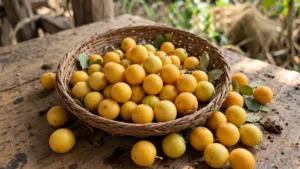
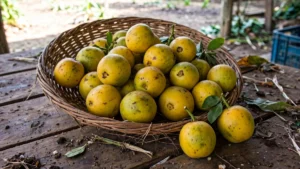
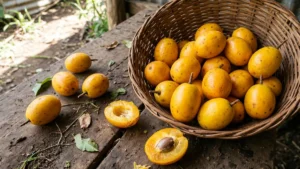
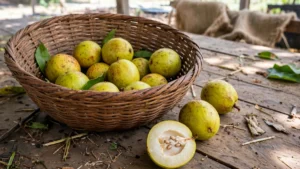
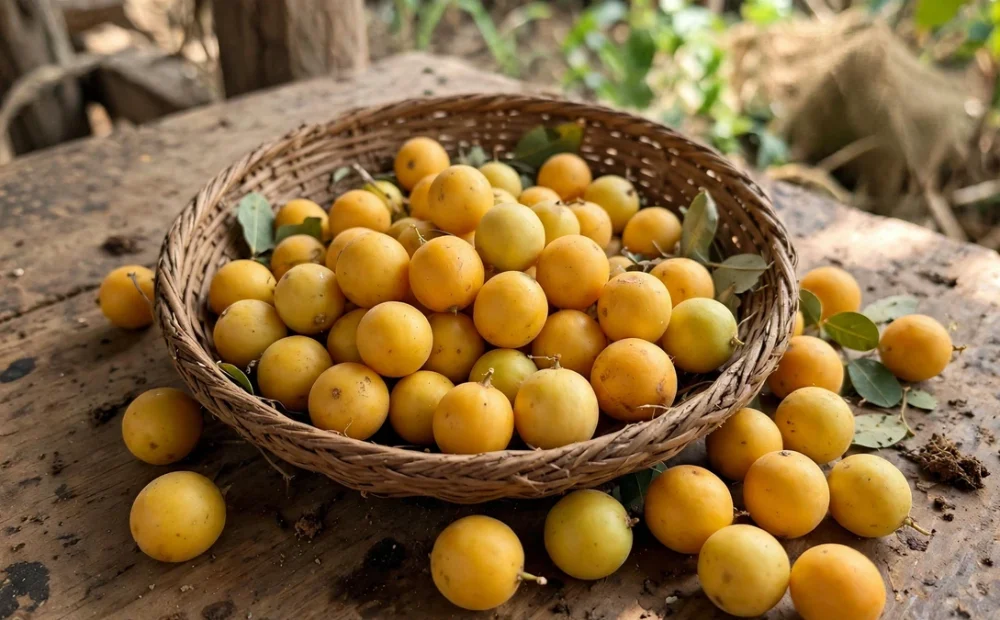
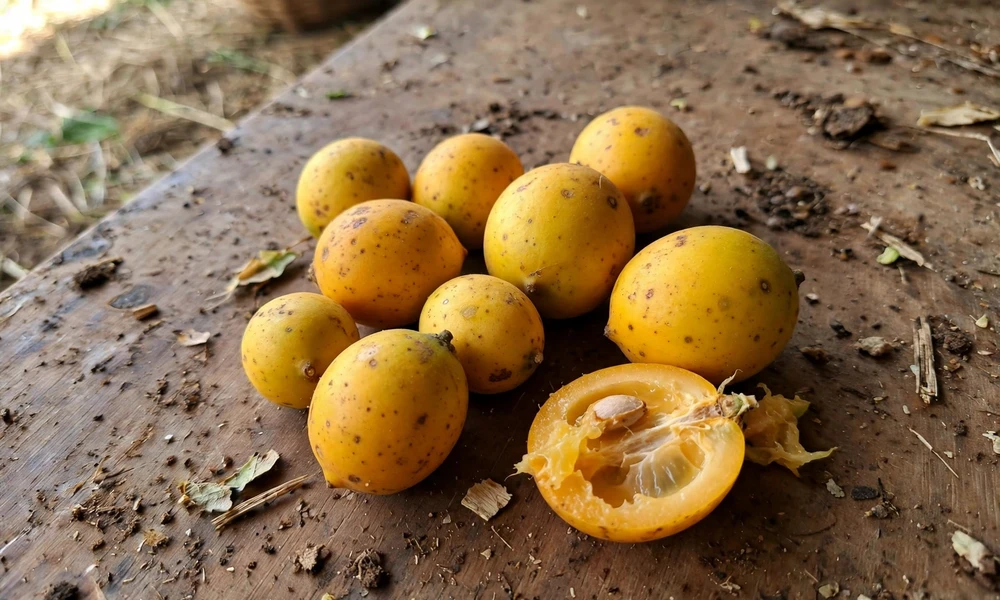
Cajá, or taperebá, is a small yellow plum from Central and South America, tart and bright, eaten fresh and pressed into juice and ice cream. It ripens fast and bruises easily, so the farms that grow it pick in the morning and use it the same day. That short window is the whole reason to go to the farm rather than buying a tub of frozen pulp at home, and it is also the reason the planning matters more than it would for an ordinary hotel stay.
This guide walks you through the nine steps that make a cajá farm escape work, from choosing the region and the fruiting weeks to confirming transport, telling the kitchen what you can eat, and packing for orchard mornings. Follow them in order, keep everything in writing, and you will arrive at a farm that is ready for you, in the weeks when the fruit is at its best.
Key takeaways
- Cajá is a tart-sweet yellow plum, Spondias mombin, grown across the Amazon, the north-east coast of Brazil and the Caribbean.
- The fruiting weeks decide your dates, so confirm them with the farm in writing before you book flights or pay a deposit.
- River farms depend on boats and water levels, and dirt roads turn after rain, so confirm every leg of the journey before you travel.
- Small farms have few rooms and one kitchen, so book early and say plainly what you need, including any dietary limits.
- Farm kitchens cook with wheat every day, so tell the farm about any wheat or gluten needs in your first message, not on arrival.
What a cajá farm escape actually is
A cajá farm escape is a short stay on a working farm where cajá trees grow. You sleep in a guest room the family keeps, you eat what the kitchen cooks from the farm and the market, and you spend your mornings in the orchard and your afternoons by the river, on the beach or in the shade. There is no front desk, no buffet and no entertainment programme, and that is the point.
The fruit shapes the day. Cajá ripens quickly, goes soft within a day or two of picking, and bruises if it is handled roughly, so the farm picks in the cool of the morning and the kitchen uses it by lunch. You will taste it as juice, as ice cream, as sorbet and sometimes as a sauce with fish, and you will learn to tell a ripe fruit from one that needs another day on the branch.
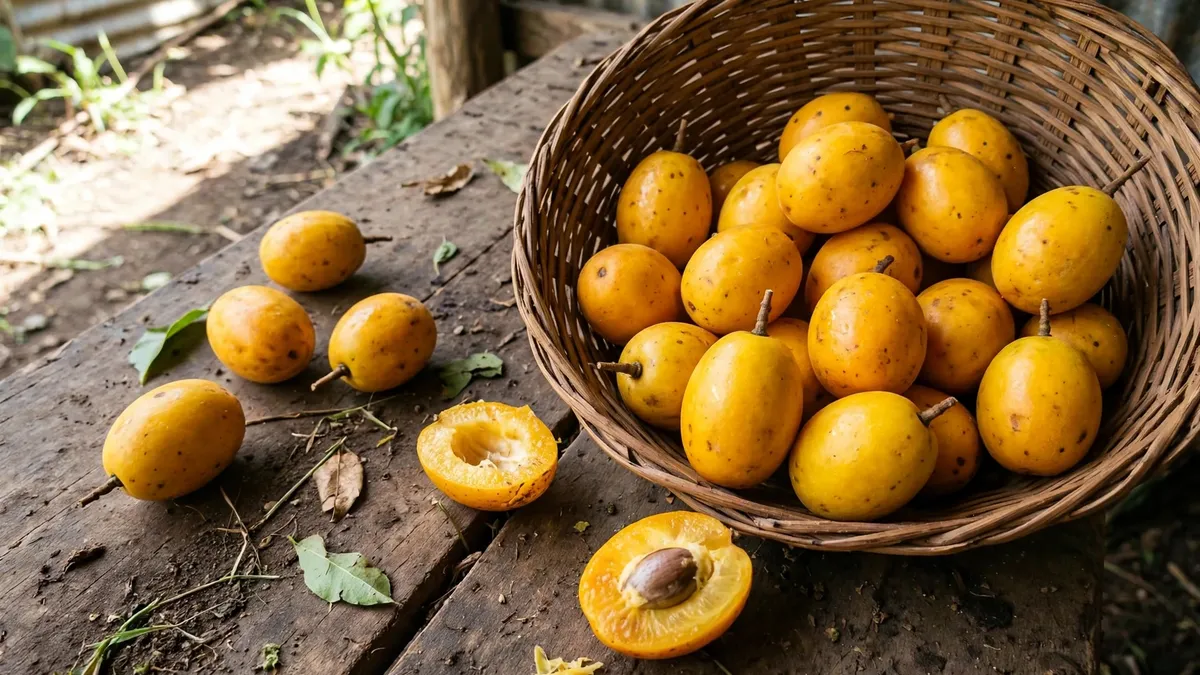
The stone matters more than it looks. Each cajá holds one hard, ridged stone that takes up a good part of the fruit, so the flesh is thin and the juice is the point. Farms press the fruit by hand or in a small press, strain out the stone and the skin, and use the pulp the same day, because it darkens and loses its brightness if it sits. That is why the juice at a farm tastes sharper and cleaner than the frozen pulp you find in a city supermarket, and why the ice cream made on the farm has a tart edge that factory versions smooth away.
It is worth knowing what cajá is not. It is not umbu, its cousin from the dry interior, which tastes rounder and milder. It is not a plum from a temperate orchard, and it does not travel well fresh, which is why most cajá outside Brazil is sold frozen. At the farm you meet it at its best, within hours of the tree, and that is the experience you are planning for.
How to plan the trip, and what to ask first
Begin with the harvest calendar, not the airline timetable. Write to two or three farms in the region you like and ask for their fruiting weeks, their room count and their nightly rate, and compare the answers before you book anything else. A farm that answers plainly about its season is a farm that runs well, and a farm that will not commit to dates is telling you something useful too.
Then work out the journey. Most of these farms are an hour or two from the nearest town, and the last stretch may be a dirt road, a boat, or both. Ask the farm how guests usually arrive, what it costs, and what happens if the river is low or the road is flooded. Write the answers down and keep them with your booking, because the farm’s word on transport is worth more than any map.
Finally, sort the money and the food. Ask what the nightly rate includes, how big the deposit is, whether the farm takes cards, and what the kitchen can cook for you. Farm kitchens use wheat in breads, cakes and fried snacks every day, so if you need wheat-free or gluten-free meals, say so in your first message and ask what the farm can cook instead. Our planning notes for the carambola farm escape cover the same money and food questions, because star fruit farms in these regions run on the same small-farm terms.
The 9 steps to a cajá farm escape
Decide where before you decide when
Choose between the Amazon gateway farms near Belém and Manaus, the coastal farms of Recife, Salvador and Fortaleza, the river farm near São Luís, or the further farms of Macapá, Santarém and Rio Branco. Each region has its own fruiting weeks, its own journey and its own feel, so pick the region that fits the trip you want, then let its season set your dates.
Write to the farms and compare their seasons
Send the same short message to two or three farms: your dates, your party size, and a question about their fruiting weeks. Compare the replies side by side. The farm that gives you exact weeks, a clear rate and a plain transport answer is the one to book, and the farm that answers vaguely is one to leave for another trip.
Get the fruiting weeks confirmed in writing
Once you have chosen a farm, get the fruiting weeks confirmed in writing before you pay anything. Ask whether the fruit served in your week will be fresh from the trees or frozen pulp from an earlier harvest, because both are honest answers and they are different experiences. Keep the message saved with your booking.
Confirm the room and pay the deposit
Pay the deposit only after the dates, the rate and the fruiting weeks are all confirmed in the same thread. Ask for a written confirmation with the total price, what is included, and the refund rules if you need to cancel. Small farms have few rooms, so a confirmed booking protects you and the farm alike.
Arrange every leg of the journey
Book your flight to the nearest city, then arrange the farm transfer in the same week. Ask the farm to confirm the driver or the boat, the meeting point, the time and the price, and carry the farm’s phone number with you. River levels and rain can change a plan overnight, so keep a buffer of a few hours on arrival day. If the farm offers to collect you, take the offer, because its driver knows the road and the river in a way a hired car from the city does not.
Work out the food before you travel
Tell the farm about any dietary needs in the same message thread as your booking, and ask what the kitchen can cook. Wheat turns up in farm bread, cakes and fried snacks, so a wheat-free request needs a real answer, not a nod. Ask what breakfast looks like without wheat, and what the farm serves instead, so there are no surprises at the table.
Pack for early orchard walks
Pack light, closed shoes for the orchard rows, long sleeves for the early morning insects, sun protection for midday, and a small bag for fruit to take home. Bring cash in small notes, because card machines fail on farms more often than in cities, and bring a water bottle you can refill at the farm. A light rain jacket earns its place too, because a wet-season shower can arrive with no warning and pass in twenty minutes.
Arrive early and walk the orchard first
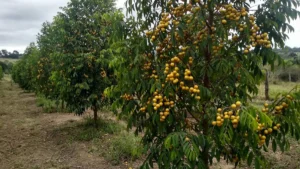
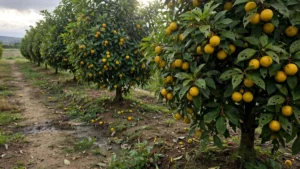
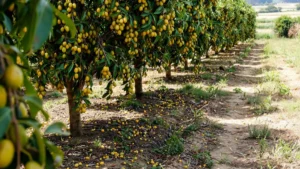
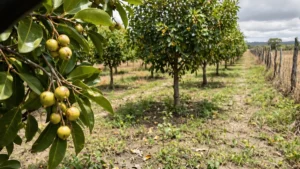
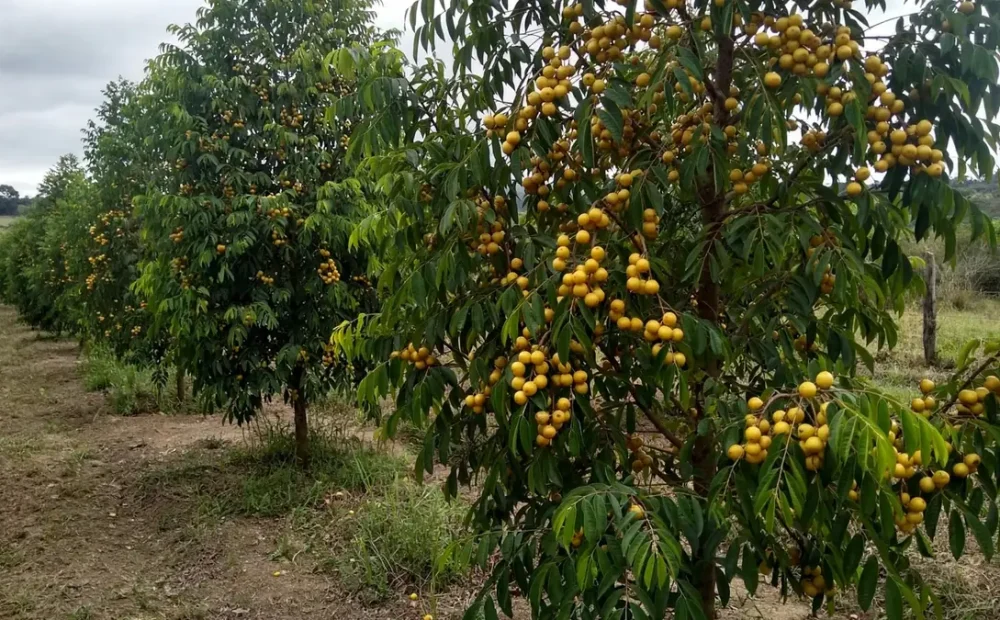
Plan to arrive before dark, because farm roads and river landings are harder after sunset. On your first morning, walk the cajá rows with whoever is picking, learn to spot a ripe fruit, and taste one from the branch. That walk sets up the rest of the stay better than any welcome drink.
Leave a morning for the river or the beach
Keep one morning free for the river trip, the canoe, or the beach near the farm, and do not fill every hour with farm activities. The best part of a cajá escape is often the slow hour after the orchard walk, with a glass of juice and nowhere to be, and you need an empty morning to find it. The sapodilla farm escape guide makes the same point about empty mornings, because the rhythm of these farms rewards travellers who leave room in the day.
Which cajá region fits your trip
Belém and Manaus are the easiest first visits. Belém has a river farm an hour away and a city worth a day, while Manaus offers forest, heat and a proper lodge at the cost of a longer dirt-road drive. Both fruit well in the wet season, and both suit travellers who have never been to the Amazon. Belém also has a market worth a morning on its own, where cajá pulp is sold by the kilo next to açaí and cupuaçu, while Manaus works better as a base for a longer forest stay.
Recife, Salvador and Fortaleza work well for travellers who want the coast alongside the farm. The farms are easier to reach, the cajá ripens a little earlier, and you can pair an orchard morning with a beach afternoon. São Luís sits between the two, with a river, a historic centre and a farm that runs on river time, which suits slow travellers better than tight itineraries.
Macapá, Santarém and Rio Branco reward travellers who are willing to travel further. Macapá’s island farm is reached by boat and has no road, Santarém pairs a farm with river beaches, and Rio Branco offers Acre’s forests and the most family-like stay. All three need more planning, and all three give you a quieter, more particular trip in return. If you are weighing a different fruit in a similar region, the persimmon farm escape guide shows how the planning steps change when the fruit and the season change.
The caveats that matter
The biggest risk in a cajá escape is not the fruit but the timing. Book outside the fruiting weeks and you will eat frozen pulp, which is pleasant but not the reason to travel. Book inside the weeks and you will eat fruit picked that morning, which is. The difference is a few written questions before you pay, so ask them.
| Detail | What is known |
|---|---|
| Scientific name | Spondias mombin, also called taperebá in Brazil |
| The fruit | Small yellow plum-like fruit, tart-sweet, thin skin, one hard stone |
| Where it grows | Central and South America, including the Amazon, the north-east coast and the Caribbean |
| How it is eaten | Fresh, pressed into juice, frozen as pulp, churned into ice cream and sorbet |
| Best season | Wet season into the early dry months, with fruiting weeks shifting by region |
| Not to confuse with | Umbu, a different Spondias species from the dry interior, rounder and milder |
| Who should ask first | Anyone who needs wheat-free or gluten-free meals, as farm kitchens use wheat daily |
| What it does not do | It does not travel well fresh, so most cajá outside Brazil is sold as frozen pulp |
Weather and water are the other risks. River farms cancel boat trips when the water is low, dirt roads turn after heavy rain, and small farms may have one vehicle for every guest. Keep a buffer on arrival day, carry cash, and do not plan a tight onward connection for the morning after your stay.
Checklist: planning a cajá farm escape honestly
Use these checks as you plan, and again a week before you travel.
- Choose the region first, then let its fruiting weeks set your dates.
- Get the fruiting weeks, the rate and the transport confirmed in writing before you pay a deposit.
- Book the farm transfer in the same week as your flight, and keep the farm’s phone number with you.
- Tell the farm about any wheat or gluten needs in your first message, and ask what the kitchen will cook instead.
- Carry cash in small notes, and check whether the farm takes cards before you rely on one.
- Pack closed shoes, long sleeves for the morning insects, sun protection, and a small bag for fruit.
Frequently asked questions
How far ahead should I book a cajá farm?
Two to three months ahead for the fruiting weeks, and earlier if you want a particular farm, because most of these farms have only four to six rooms. Last-minute bookings sometimes work outside the season, but the fruit will be frozen pulp rather than fresh.
What if the fruit is not in season when I visit?
You will still get a good farm stay, but the cajá will come from frozen pulp rather than the morning pick. Ask the farm before you book so you can decide with the facts, and consider shifting your dates if the fresh fruit matters to you.
Can I buy cajá pulp to take home?
Often yes. Many farms freeze extra pulp and sell it in sealed bags, and some sell jam. Ask before your last day so the farm has time to pack it, and check your flight rules, because frozen pulp needs to stay cold on the journey home.
How do I get to a river farm?
Usually by a combination of road and boat, arranged by the farm. Confirm the meeting point, the time and the price in writing, and arrive before dark, because river landings and farm roads are harder after sunset.
Is a cajá farm escape good for a first trip to Brazil?
Yes, if you choose a gateway farm near Belém or in the north-east, where the journey is short and the city is close by. The further farms suit travellers who are comfortable with boats, dirt roads and a farm that runs on its own time.
Will I manage at a cajá farm without Portuguese?
It helps a great deal to know a little. Most of these farms are run by families, and English is rarely spoken at the table. A few phrases, a translation app and a written booking confirmation will carry you through, but do not expect a front desk or a concierge.
The bottom line
A good cajá farm escape comes down to nine steps in the right order: pick the region, compare the farms, lock the fruiting weeks in writing, book the room, arrange the journey, sort the food, pack for the orchard, arrive early, and leave a morning free. Do them in order and the trip takes care of itself.
Book early, keep everything in writing, tell the farm about any wheat needs before you pay, and go ready for early mornings, river light and fruit that tastes best within hours of the branch. That is the honest way to plan a cajá escape, and it is a better trip than any resort that happens to have a fruit tree in the garden.