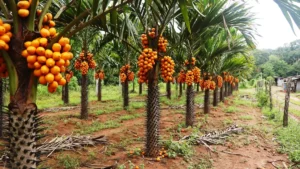
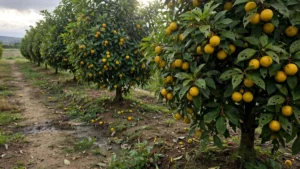
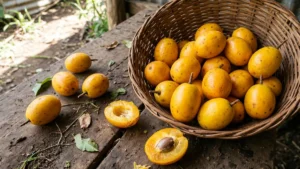
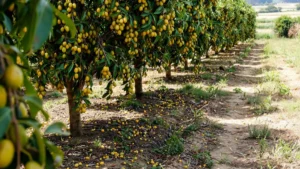
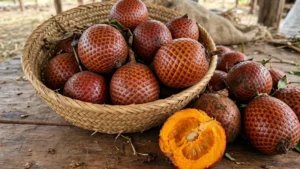
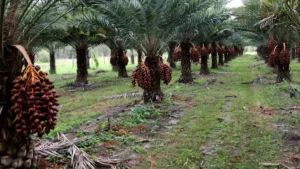
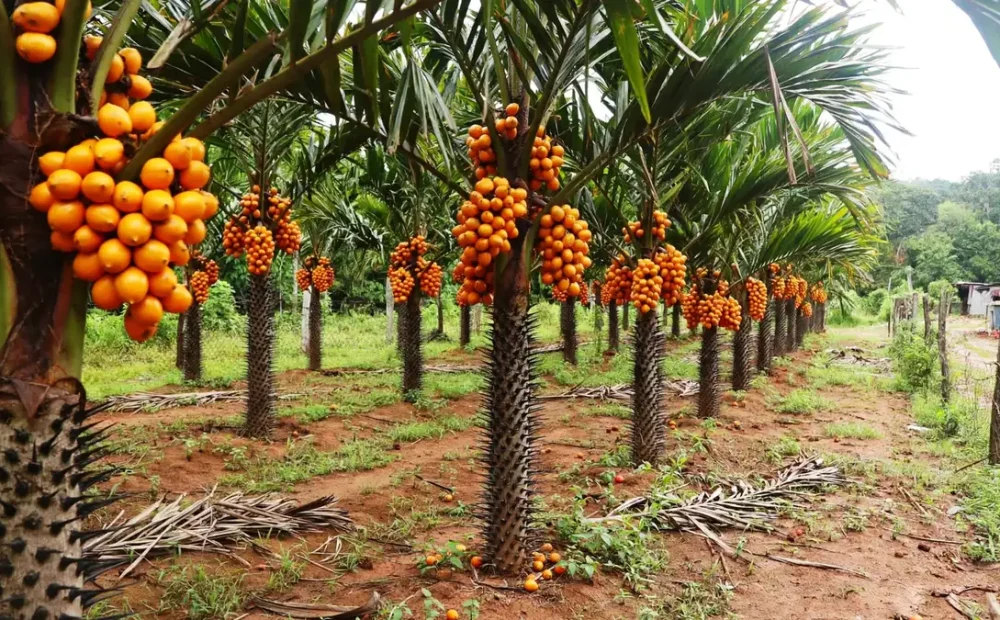
A buriti farm escape is a trip built round a palm and a wetland. The palms grow in the veredas, the damp hollows where the ground stays wet long after the rain, and the fruit hangs in rust-red clusters that ripen in waves from December to June. Inside each scaly fruit is flesh the colour of sunset, soft and oily, so rich in beta-carotene that it stains the fingers orange, and the farms in this guide turn it into juice, jam, sweets and ice cream.
The trip works when the fruit, the farm and the season line up. That takes planning, because the farms are small, the roads flood, and the fruit does not ripen to a timetable you can book by. A farm can be open, friendly and full of rooms while its palms carry nothing but green fruit, and the difference between a wonderful stay and a disappointing one is usually a handful of questions asked before you pay.
This guide walks through the nine steps that matter, from choosing the wetland to packing for the journey home. Follow them in order, get the fruiting dates in writing, and tell the kitchen about wheat before you arrive, and the wetland will do the rest.
Key takeaways
- The buriti palm, Mauritia flexuosa, bears small reddish-brown scaly fruit in the wet veredas of the Amazon and the cerrado, and the orange flesh inside is rich in beta-carotene.
- The fruiting season runs roughly from December to June, ripening in waves, and the dates differ from one region to the next.
- Book the farm before the flights, get the fruiting dates in writing, and arrange the lift from the nearest town in advance.
- Most buriti farms are small and family-run, with a handful of rooms, so the good ones fill weeks ahead in the high season.
- Ask about wheat in the breakfast breads and cakes before you book, and pack clothes you do not mind staining orange.
What a buriti farm escape actually is
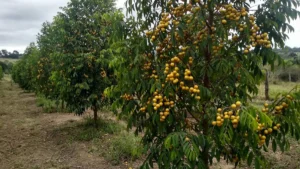
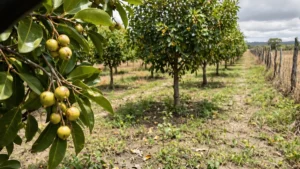
A buriti farm escape is a few days on a working palm grove, staying in the farmhouse or a small lodge while the host shows you the vereda. The palms stand in the wet ground, the fruit is gathered by hand, and the kitchen cooks with it at every meal while it lasts. The day is shaped by the wetland: a walk at first light, fruit and juice at breakfast, a slow afternoon by the water, and an evening under a sky full of stars.
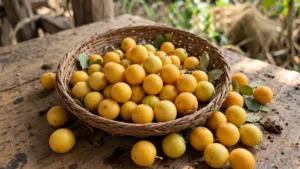
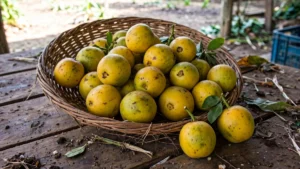
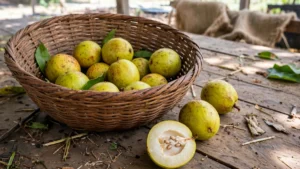
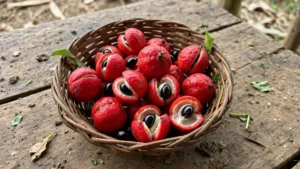
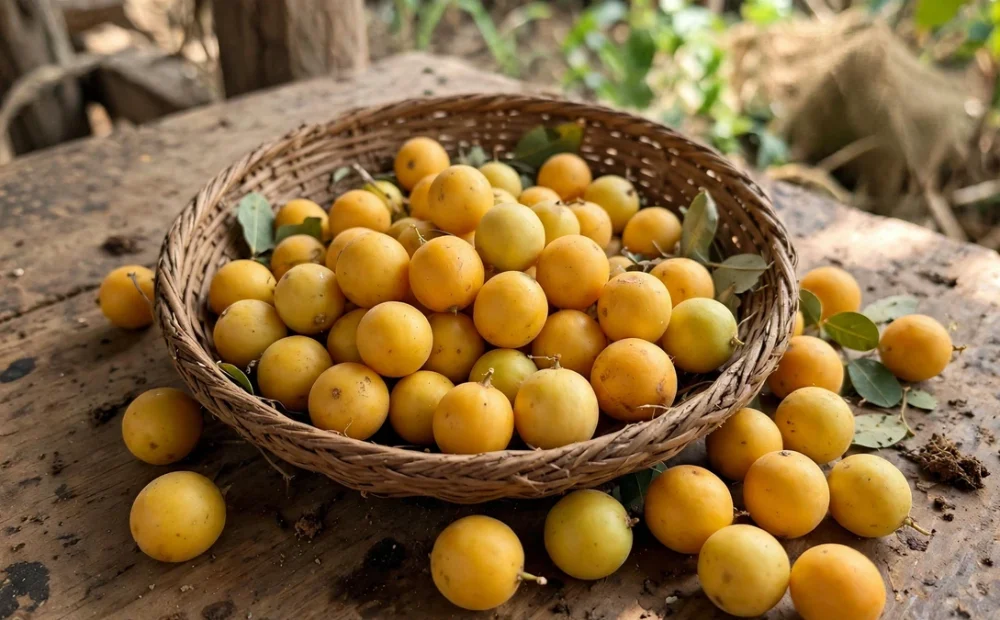
The fruit is the centre of it. Buriti is about the size of a small plum, covered in hard chestnut-red scales, and the flesh beneath is soft, orange and buttery, with a mild sweet flavour. You peel it with your thumbs and eat it with your hands, or the kitchen presses it into a thick orange juice that is served cold. Buriti is a palm fruit, not a berry, and it is nothing like acai, which grows in dark bunches and is eaten as a purple pulp. It is also a different fruit entirely from cupuacu, a large brown pod with white pulp, where buriti is small, scaly and orange inside.
What you are buying is not a hotel room but access to a grove and a host who knows it. The host walks you to the palms, shows you which clusters are ripe, explains how the grove is tended without cutting the trees, and cooks with you in the evening. Three days is enough to learn the fruit properly, and five days lets the wetland slow you down completely.
How to plan the trip, and what to ask first
Start with the fruit, not the flight. Buriti ripens in waves, and the dates move with the rain, so the first question to any farm is when its own palms expect fruit, and the answer should come back in writing. A farm that cannot give you dates is a farm that does not know its grove, and a farm that will not put them in writing is a farm you should not pay yet.

Ask next about the walk, the rooms and the road. Can guests walk the vereda with the host, or is the grove out of bounds? How many rooms does the farm keep, and how far is the nearest town? Is a lift from the airport included, and what does it cost? The answers tell you whether the farm is built for guests or merely tolerates them. The same three questions work on any farm trip, and our guide to planning a sapodilla farm escape opens with them for the same reason.
Ask last about the kitchen, and about wheat in particular. The breads and cakes that come with a farm breakfast often contain it, and a farm that knows its kitchen can tell you plainly what is safe. Tell the host when you book, not when you sit down to eat, because a kitchen that has been warned can make tapioca, rice and fruit breakfasts without wheat, and a kitchen that has not been warned cannot.
The 9 steps to a buriti farm escape
1. Pick the wetland, then fit the dates round the fruiting
What to do: Choose the kind of wetland you want first: the open veredas of Tocantins, the lagoons of Maranhão, the flooded forest near Manaus, or the quiet delta of Piauí. Then ask the farms in that region for their fruiting dates, and let the dates choose the week.
What to avoid: Booking a month because the flights are cheap, then finding the palms bare. Best for: Travellers who want ripe fruit on their dates. Time needed: An evening of reading and two or three messages to farms. Standout tip: Pick the wetland first, and let the fruiting dates pick the week.
2. Fix the fruiting weeks in writing before you pay a deposit
What to do: Write to two or three farms in your chosen region and ask for the fruiting weeks in writing, with a note on what the kitchen serves if the fruit runs late. Compare the answers before you pay anything.
What to avoid: Taking a vague promise of fruit as a guarantee, or paying a deposit before the dates are confirmed. Best for: Anyone travelling in the shoulder months. Time needed: A day of messages, then a night to compare. Standout tip: A date in writing is worth more than a friendly assurance.
3. Reserve the farm, then sort out the flights
What to do: Reserve the farm and confirm the room, the meals and the lift, then book the flights to fit the farm, not the other way round. The farm has a handful of rooms; the flights have a hundred seats.
What to avoid: Booking flights first and hoping the farm has a room on those dates. Best for: Trips in the high season, when the good farms fill first. Time needed: An hour once the dates are set. Standout tip: The farm is the scarce part of this trip, so book it first.
4. Let the farm arrange your ride in from the airport
What to do: Ask the host to fetch you from the nearest airport or bus station, and agree the price in advance. The farm knows the road, the flooding and the shortcuts, and a local driver is worth more than any map.
What to avoid: Arriving without a lift and hoping for a taxi at a small regional airport. Best for: First-time visitors to the region. Time needed: One message when you book. Standout tip: Fix the price of the lift before you land.
5. Ask the cook about wheat at the very start
What to do: Tell the farm in your first message that you need meals without wheat, and ask what the kitchen can make. Repeat it on arrival, and check the breakfast table each morning with the cook.
What to avoid: Mentioning it for the first time at the breakfast table, when the breads are already baked. Best for: Anyone who must avoid wheat. Time needed: A sentence in the booking message. Standout tip: A kitchen warned in advance can cook round wheat easily.
6. Learn to peel buriti and drink it as juice
What to do: Ask the host to show you how to peel the scales with your thumbs, how to tell a ripe fruit from a green one, and how the kitchen presses the juice. Taste the fruit fresh first, then as juice, so you know both.
What to avoid: Eating unripe fruit, which is hard and sour, or peeling with a knife and cutting into the flesh. Best for: Curious eaters and first-time visitors. Time needed: Half an hour with the host on the first morning. Standout tip: Taste the fruit fresh before you taste the juice.
7. Go out to the vereda in the first light with the host
What to do: Rise early and walk the vereda while the light is soft and the birds are loud. The host will show you which palms are fruiting, which are left for the birds, and how the water moves through the hollow.
What to avoid: Walking the wet ground alone in the dark, or wandering off the paths the host uses. Best for: Early risers and bird watchers. Time needed: An hour before breakfast. Standout tip: The vereda is at its best in the first hour of light.
8. Taste the fruit fresh, juiced and sweetened before you leave
What to do: Eat the fruit fresh at breakfast, drink the juice at lunch, and try the jam, the sweets and the ice cream the kitchen makes in the evening. Each form tastes different, and one stay is the way to try them all.
What to avoid: Eating only the juice and missing the fresh fruit, or filling up on sweets before you have tasted the fruit plain. Best for: People who travel to eat. Time needed: The whole stay, one meal at a time. Standout tip: Taste the fruit plain before the kitchen sweetens it.
9. Fill your bag with oil and sweets, not fresh fruit
What to do: Buy buriti oil, jam and sweets at the farm shop on the last morning, and pack them carefully. Leave the fresh fruit at the farm, because it bruises in a bag and does not travel well.
What to avoid: Packing fresh fruit for the flight home, or buying oil from a market stall you cannot trace. Best for: Anyone who wants a taste of the trip at home. Time needed: Thirty minutes in the farm shop on your last morning. Standout tip: The oil keeps; the fresh fruit does not.
Which buriti region fits your trip
First-timers do best in Tocantins or Maranhão, where the veredas are gentle to walk and the farms know how to look after guests. Manaus is the grandest choice, though the journey is longer and the price higher. Acre and Roraima suit travellers who enjoy quiet country and long drives, while Piauí’s delta and Pará’s shore suit people who want water alongside the fruit.
Let the calendar lead, not the map. Buriti comes in waves from December to June, and the farms shine when the fruit is arriving steadily. A flooded-forest farm is one trip in the wet months and another in the dry, and a savanna farm is best while its tracks stay passable. Settle the month first, then find the region fruiting then. A persimmon farm escape works the same way, and choosing the season before the destination pays off on every farm trip.
The caveats that matter
The flesh is oily and dense, so take small portions at first, above all if your stomach has never met buriti. Peeling leaves a deep orange mark on hands and clothes, so wear something you are happy to stain, and rinse your hands before you touch pale fabric. These farms sit far out, the tracks flood, and the nearest clinic may be an hour off, so bring the medicine you rely on and tell the host about allergies when you arrive.
| Detail | What is known |
|---|---|
| Best season | December to June in most regions, with the ripening coming in waves |
| Fruit to expect | Small reddish-brown scaly fruit with soft bright-orange flesh, eaten fresh or pressed |
| How the fruit is served | Fresh with a spoon, as thick cold juice, or as jam, sweets and ice cream |
| Getting there | Dirt tracks and sometimes a boat, so let the farm arrange the lift |
| What a night costs | Roughly $60 to $260 a night, with breakfast usually included |
| Who should skip it | Travellers who need sealed roads, a nearby clinic, or a fixed timetable |
| Wheat and breakfast | Breads and cakes may contain wheat, so warn the kitchen when you book |
| What to bring home | Oil, jam and sweets from the farm shop; fresh fruit bruises on the journey |
If you are pregnant, breastfeeding, or managing a medical condition, speak to your clinician before heading to a remote wetland, and keep your medicine in your hand luggage rather than a checked bag. That warning is not a formality: these farms are lovely and a long way from help, so a quick check before you leave beats any plan made on the road. A carambola farm escape carries the same caution, because every remote farm trip puts the same distance between you and help.
Checklist: planning a buriti farm escape honestly
Run through these checks before you pay, and again in the week before you travel.
- Ask for the fruiting dates in writing, and find out what the kitchen cooks if the fruit runs late.
- Reserve the farm, then the flights, then the lift from the nearest town.
- Put the wheat warning in your booking message, and repeat it when you arrive.
- Find out how far the nearest clinic sits, and bring the medicine you need.
- Bring clothes you are happy to stain orange, light long sleeves, and shoes for mud.
- Save space in your bag for oil, jam and sweets, and leave fresh fruit at the farm.
Frequently asked questions
How far ahead should I book a buriti farm?
Four to six weeks ahead in the high season, because the farms keep only a handful of rooms. In the quieter months two weeks is often enough, but the fruiting dates matter more than the calendar, so book once the farm confirms its dates.
Do I need to drive myself to the farm?
No, and a hired car is often a poor choice on flooded dirt tracks. Ask the farm to fetch you from the nearest airport or town, and agree the price before you travel.
How many nights does a buriti escape need?
Three nights is enough to learn the fruit and walk the vereda properly. Five nights lets the wetland slow you down, and gives you a spare day if the rain closes the tracks.
What should I pack for the wetlands?
Light long sleeves, shoes for mud, a rain layer, repellent, and clothes you do not mind staining orange. Bring any medicine you need, and a dry bag for the boat trips.
Can children walk the vereda with the group?
Yes, on the paths the host uses, and with an adult beside them. The ground is wet and uneven, so small children need holding hands, and the early walk is easier than the midday heat.
What if the buriti is not ripe when I arrive?
Ask the farm before you book what the kitchen serves in that case. A good farm will have jam, sweets and oil from the last harvest, and other fruit in season, so the trip is still worth the journey.
The bottom line
A buriti farm escape comes together when the fruit, the farm and the season agree, and that takes a few questions asked before you pay. Settle the wetland first, ask for the fruiting dates in writing, reserve the farm before the flights, and warn the kitchen about wheat in your first message. The wetland itself needs no planning at all.
Allow three unhurried days, go out to the vereda at first light, taste the fruit plain before you taste it sweetened, and bring oil and sweets home in your bag. That is the straightforward way to meet buriti, and it repays every dusty mile of the road in.