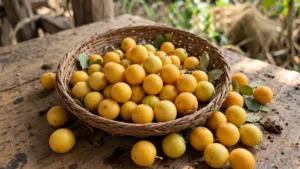
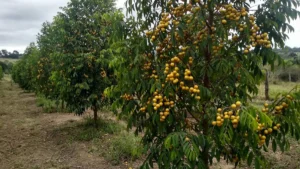
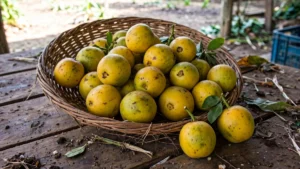
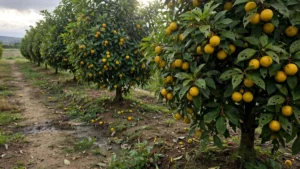
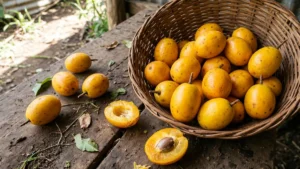
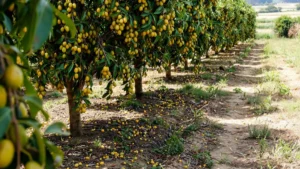
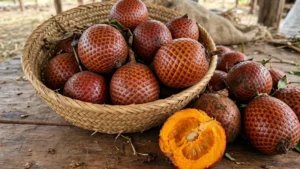
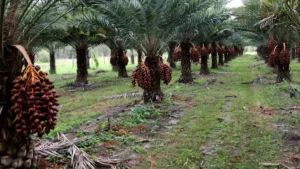
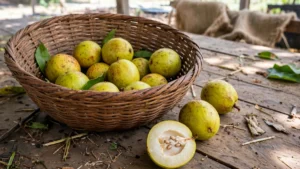
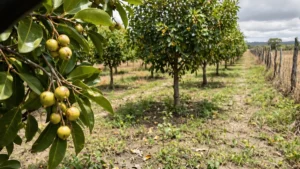
Planning a guarana farm escape starts with the vine, not the flight. The fruit ripens in the rainy months, the farms sit a boat ride or a long drive from the nearest city, and the best rooms go to the people who ask about the harvest before they ask about the price. The Sateré-Mawé have farmed this vine for centuries, and the farms that honour that history are the ones worth visiting.
The work is not hard, but it is easy to get the order wrong. Book the farm first and the flights after, fix the lift before you travel, and settle the caffeine question with the kitchen before your first morning drink. This guide walks through the nine steps in the order that saves the most trouble.
Follow them in sequence and the trip mostly plans itself: pick the state, pin the dates to the harvest, sort the journey, and arrive ready for the vines. The nine steps below follow the order that works best, from choosing the state to carrying the powder home.
Key takeaways
- Fix the state first, because the harvest calendar shifts from one river to the next and the dates follow the fruit.
- Book the farm before the flights, and get the picking dates in writing rather than trusting a rough season.
- Sort the lift from the airport or the river dock before you travel, since most farms sit an hour or more from town.
- Ask the kitchen about wheat in the morning bake and about caffeine in the drinks, both in the booking note.
- Guarana itself contains no gluten, but the farm kitchen bakes bread and cakes each morning, so ask how flour stays away from your plate.
What a guarana farm escape actually is
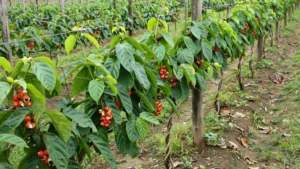
It is a few nights on a working Amazon farm where guarana vines climb the poles and shade trees behind the house. The fruit ripens through the rainy months, the picking is done by hand, and the seed is dried in the sun and grated into drinks, sweets and cakes. The drying takes days, and the smell of the seed fills the shed while it cures.
One crop sits at the centre of the whole stay, and that is what makes the trip unlike an ordinary farm holiday. Guarana shapes the day, from a cold grated-seed drink at breakfast to a slow walk among the vines in the late afternoon. Bedrooms are simple, the host spends the day among the vines, and the river sets the pace. Even the evenings follow the crop, with the host talking through the day’s picking over dinner.
Before you book, check what the nightly price actually includes. Some stays put the farm first, with spare rooms and a host who is out among the vines at dawn. Others are comfortable guesthouses set inside a farm, where the work stays mostly hidden. Both can make a fine holiday, yet the two stays differ. The difference is worth knowing before you pay, because it shapes every day of the trip. Our piece on planning a jackfruit farm escape step by step makes the same point from a different angle: read the inclusions before the photographs decide for you.
How to plan the trip, and what to ask first
Start with the harvest, not the map. A farm that grows its own vines will tell you which weeks the fruit is coming in, and a good host will say plainly when the vines stand bare. The answer is worth more than any photograph, because the fruit decides whether the trip is a harvest visit or just a farm stay.
Season comes before everything else. In Amazonas the fruit arrives with the rains, and the peak shifts from one river town to the next. Bahia gathers while the southern farms are still green, and Pará once the storms settle over the lower river. Learn your state’s calendar first, and the rest of the planning follows from it.
Then comes price. At some stays the walk, the tasting and the class are charged one by one, so ask ahead, and ask about breakfast, the shared garden, and which languages the host speaks. A farm that puts every charge out in the open is usually run with care. Ask the same questions of every farm you compare, so the prices mean the same thing. If cempedak appeals more, the cempedak escape guide we wrote earlier follows the same small-stay pattern.
The 9 steps to a guarana farm escape
1. Settle on a state before you chase the season
What to do: Choose one state first, then read its harvest weeks. Amazonas and Pará bear through the rains, Bahia gathers later, and the peak moves from one river town to the next. A state with a long harvest gives you more room if your dates slip. What to avoid: Choosing a farm by the photograph and hoping the vines are fruiting. Best for: Travellers who want the harvest at its peak. Time needed: An evening reading before you book. Standout tip: Ask for the picking dates in writing, not a rough season.
2. Ask the farm for its fruiting weeks
What to do: Write to the farm and ask which weeks the vines will be bearing on your dates. A good host answers with a week, not a month. Ask the same question of two farms and compare the answers before you choose. What to avoid: Trusting a booking page that says the farm is open all year. Best for: Travellers coming for the fruit itself. Time needed: Half an hour with the farm’s messages. Standout tip: If the farm will not name a week, pick another farm.
3. Fix the room first, then the flights
What to do: Hold the room first, then book the flights and the boat to match. The farm’s dates are the ones that cannot move. Flights can shift by a day; a fruiting week cannot. What to avoid: Booking flights first and hoping the vines cooperate. Best for: Travellers on a tight calendar. Time needed: A day to hold the room and fix the travel. Standout tip: Keep the room hold in writing until the flights are set.
4. Let the farm arrange your airport pickup
What to do: Ask the farm to send a car or a boat, and fix the price before you land. Most farms sit an hour or more from the nearest town. Get the driver’s name and a meeting point in the same message. What to avoid: Arriving at the dock with no lift arranged and no signal on your phone. Best for: First-time visitors to the Amazon. Time needed: One message when you book. Standout tip: Confirm the pickup the day before you travel.
5. Raise the wheat question before you book
What to do: Tell the farm in the first message that you need wheat kept away from your plate, and ask how the kitchen handles the morning bake. Ask whether the cook uses separate boards and pans for your meals. What to avoid: Waiting until breakfast to mention it, when the bread is already in the oven. Best for: Travellers eating gluten-free. Time needed: Five minutes in the booking note. Standout tip: Ask which dishes are safe, not only which are not.
6. Learn to drink guarana without overdoing the lift
What to do: Take the morning drink in a small cup and see how it sits before asking for more. The seed is rich in caffeine and the lift lasts longer than coffee. A small first cup tells you more than any warning on the menu. What to avoid: A second large helping late in the day, then a sleepless night. Best for: Anyone new to guarana. Time needed: One morning to learn your measure. Standout tip: Ask the host how strong the morning cup is before you drink it.
7. Join the host among the vines at first light
What to do: Walk the vines at first light, when the fruit is cool and the picking is quick. The host will show which clusters are ready and which need another week. Follow the host’s lead on which clusters to cut and which to leave. What to avoid: Walking the rows alone at midday, when the heat is fierce and the ground is soft. Best for: Early risers and keen photographers. Time needed: An hour at first light. Standout tip: Bring gloves, since the vines can scratch.
8. Taste what the kitchen cooks with the seed
What to do: Eat what the kitchen cooks with the grated seed: cold drinks, sweets, cakes, and fish with rice at lunch. The fruit is at its best on the day it was picked. Try the drink first, then the sweets, so you learn the seed’s flavour before the sugar covers it. What to avoid: Eating the raw fruit straight from the vine, which is not how the seed is used. Best for: Food lovers and unhurried travellers. Time needed: Every meal of the stay. Standout tip: Ask the cook to leave one drink unsweetened, so you taste the seed itself before the sugar joins in.
9. Pack powder and preserves, not fresh fruit
What to do: Buy the dried seed powder and the preserves at the farm shop, sealed for the journey home. A sealed bag lasts for months once the season ends. Ask the host to label the bag with the harvest date so you know how fresh it is. What to avoid: Carrying fresh fruit in your bag, which bruises fast and may not pass through customs. Best for: Travellers who like a souvenir they can use. Time needed: Half an hour looking round the farm shop. Standout tip: Ask how the host dries the seed, and copy the method at home.
Which guarana region fits your trip
For the most traditional fruit, Maués or Belém is the pick: working farms, with the seed on the table at every meal. For the wildest setting, Rio Branco, where the farm sits in the western forest. For the strongest flavours, Santarém, where the sun is fierce and the harvest runs heavy. Each region has its own rhythm, so match the place to the trip you want, not just to the map.
For a first trip, Manaus is the easiest pick: the farm welcomes visitors often, the season runs long, and the kitchen grates the seed every day. Our guide to the marang escape we planned earlier makes the same point: choose the farm that cooks with its crop daily.
The caveats that matter
Guarana escapes are lovely, but they fit some travellers better than others. The harvest sets the season, the farms sit far from town, and the honest ones tell you plainly what is ripening and what is not.
| Detail | What is known |
|---|---|
| Best time to visit | The rainy season, roughly December to March, while the vines are fruiting; the exact weeks move from one river to the next |
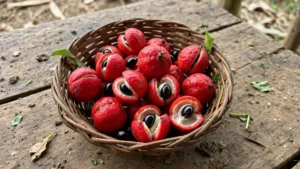
| The two main kinds | Guarana is the small red Amazon fruit with a black seed and a natural lift; coffee is a different plant with a different bean |
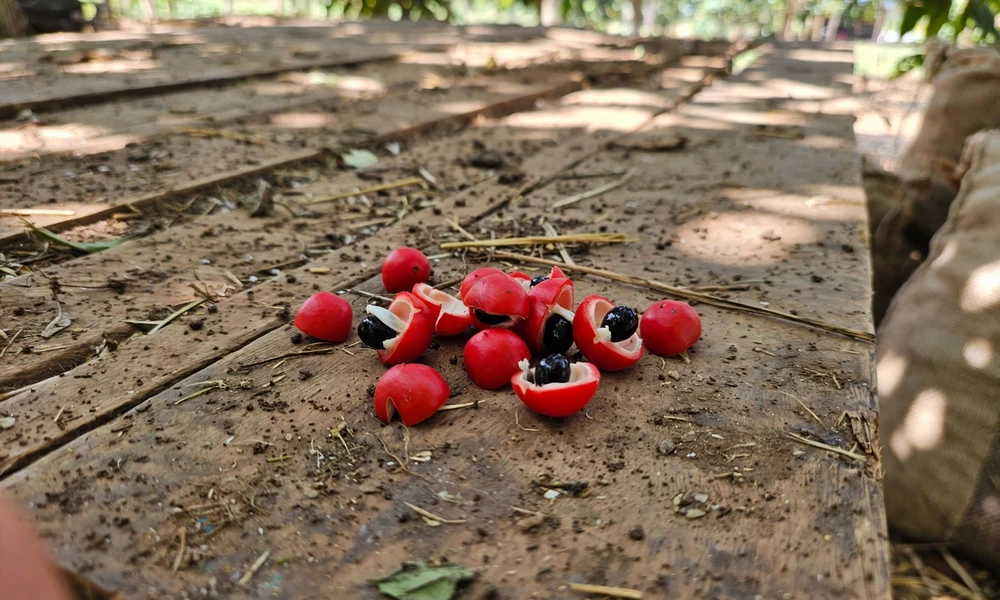
| How ripe fruit looks | Bright red all over, split open to show the dark seed, no green patches |
| What is usually included | Room and breakfast with a walk or a tasting; cooking classes and lifts are usually extra |
| Who should go | Slow travellers, food lovers and families with grown children |
| Who should think twice | Anyone after nightlife, quick service or a busy daily schedule |
| Transfers | Usually an hour or more from the nearest airport; fix the lift before you travel |
| What is not guaranteed | Fruit on your dates; the harvest rests on weather and the vine’s own pace |
Guarana itself contains no gluten, but the farm kitchen bakes bread and cakes every morning, so ask how flour stays away from your plate. The seed is rich in caffeine, so take the morning drink in small cups and pass on a second helping late in the day. The seed is dried and grated before it is used, so never eat the raw fruit straight from the vine. If you live with a health condition, are pregnant, or are bringing small children, check where the nearest clinic sits, when the farm last sprayed, and how steep the paths are before you book.
Checklist: planning a guarana farm escape honestly
Run through these checks before you pay, and again in the week before you travel.
- Fruiting: ask whether the vines will be bearing on your dates, and not only whether the farm is open.
- Costs: ask what the walk, the tasting, the meals and the lifts each cost, and what is billed separately.
- Distance: how long the drive from the airport lasts, and whether the farm sends a pickup.
- Room: whether the window looks onto the vines or the garden, and whether there is shade, a fan or cooling.
- Growing: how many vines the farm keeps, whether it is organic, and when it last sprayed.
- Reviews: read what guests who visited in your season wrote about the stay.
Frequently asked questions
How far ahead should I book a guarana farm?
Two to three months ahead for the peak weeks in January and February, when the small farms fill fast. Outside the peak, a few weeks is usually enough, but the fruiting weeks still decide the dates. Book the farm first, then the flights, so the harvest sets your calendar.
Do I need to hire a car to reach the farm?
Usually not. Most farms send a car or a boat if you ask when you book, and the river farms are reached by boat from the nearest town. A car helps only if you plan to visit more than one farm. Ask the farm what the last stretch looks like, so you know whether a boat or a car is the right choice.
How long should a guarana escape last?
Three nights is the sweet spot: one day to arrive and settle, one day for the dawn walk and the tasting, and one day for the river and the farm shop. Two nights works if the farm is close to the city. Four nights suits travellers who want a slow pace and a second walk among the vines.
What should I pack for the Amazon?
Light clothes, a rain layer, boots that can take mud, gloves for the vines, repellent for still evenings, and a small bag for the powder you buy at the farm shop. Leave the fresh fruit behind. Pack light enough to carry your own bag up a muddy track, since the farm paths are rarely paved.
Can children join the dawn walk with the group?
Yes, older children can join the dawn walk with an adult beside them. Small children should stay near the house, since the paths are soft after rain and the vines can scratch. Give older children gloves and boots of their own, and keep them close to the host on the walk.
What if the guarana is not ripe when I arrive?
Ask the farm before you travel, and keep the dates flexible if you can. If the fruit is late, the farm will still serve dried seed from the last harvest, and the walk and the tasting go ahead as planned. A late harvest still makes a good trip, as long as you know before you book.
The bottom line
A guarana farm escape suits travellers who like their food to come from the vine next to them, and who are happy to let the harvest run the day. The fruit is bold, the season is short, and the best stays gather it, grate it into drinks, and turn the rest into powder without any fuss.
Plan by the harvest, not the calendar: fix the state, get the dates in writing, sort the lift, and arrive ready for the vines. A sealed bag of powder keeps for months after the season ends, and it is the souvenir that lasts. Bring it home, grate a little into a cold drink, and the trip comes back with it.