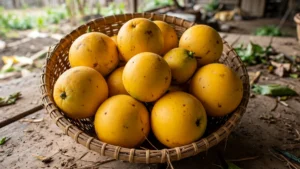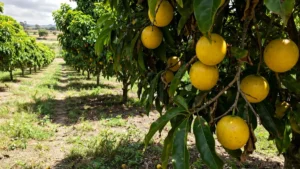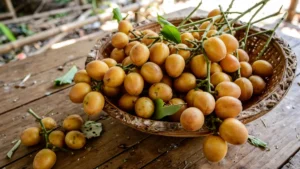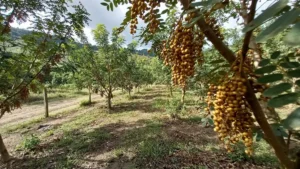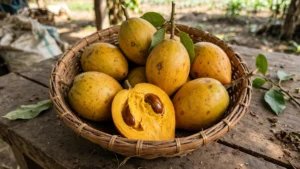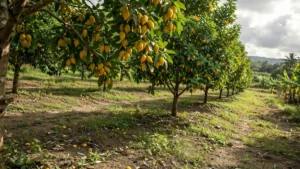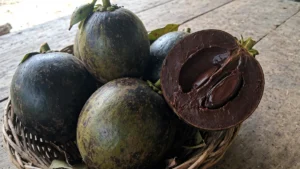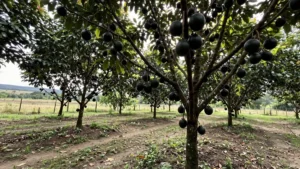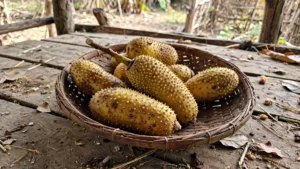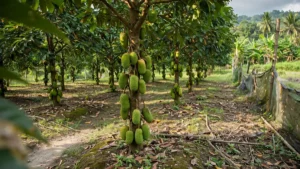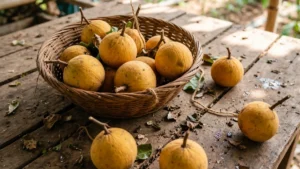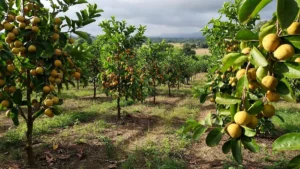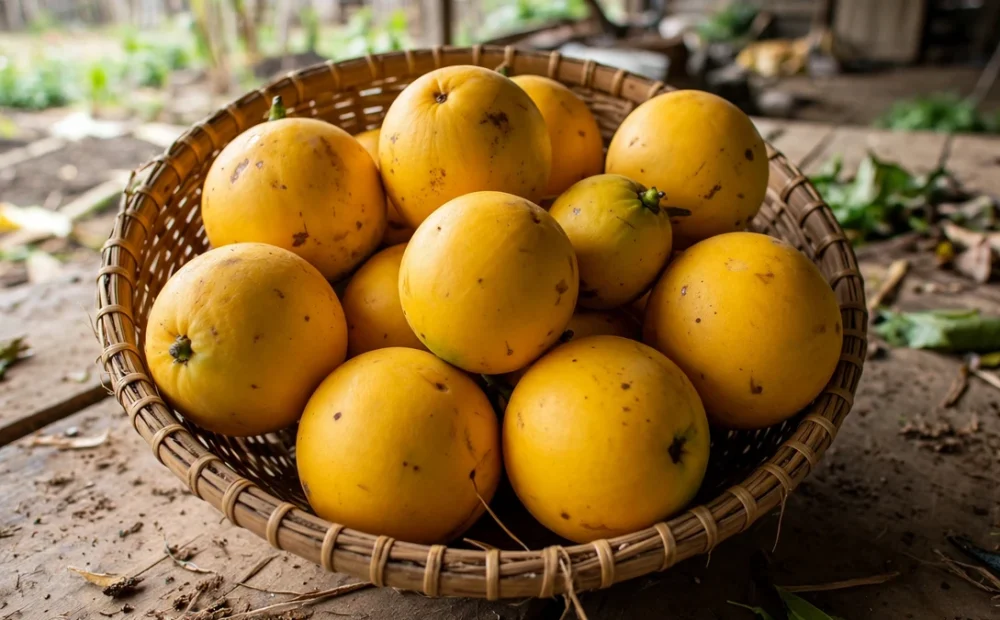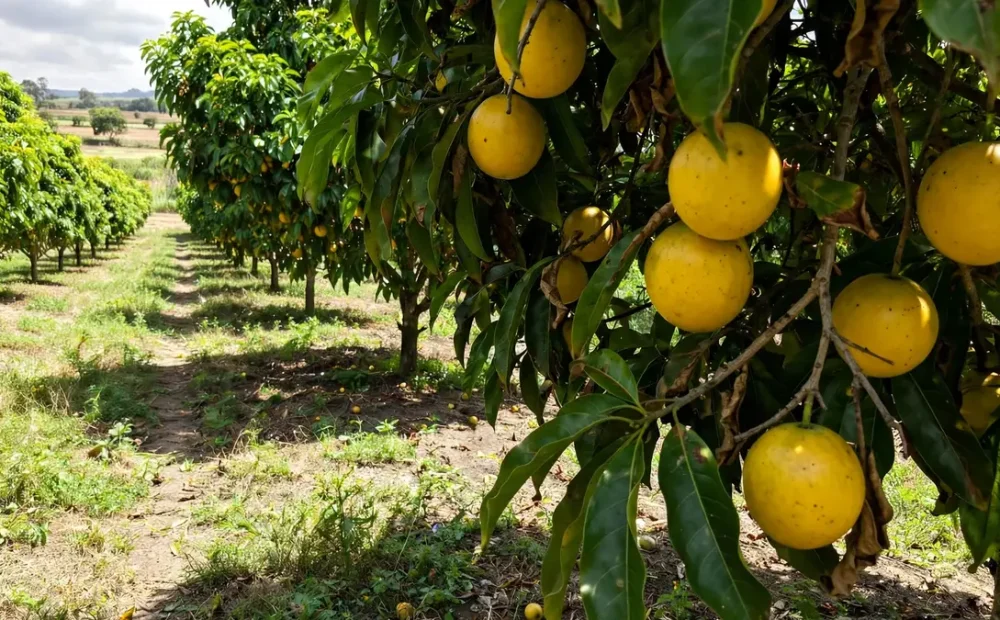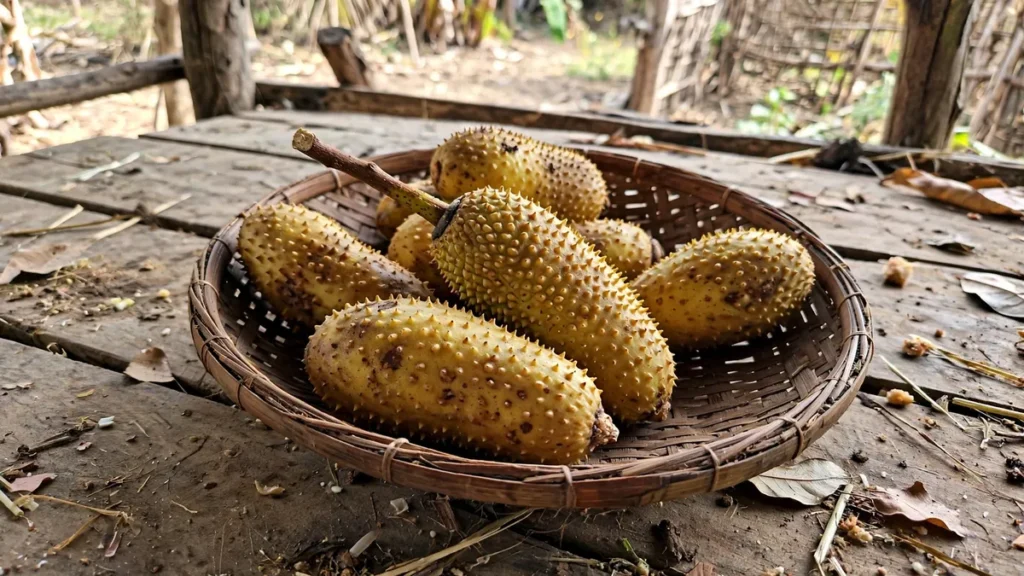
Three nights, one orchard, and a fruit that ripens in a hurry: that is a cempedak farm escape. You sleep within earshot of the trees, you rise before the heat, and you eat fruit that hung on a branch an hour before breakfast. There is no front desk and no schedule here — the orchard sets the day, and you follow it.
That reliance on the tree is the risk and the reward together. The burst is brief and the fruit bruises at a touch; the best of it is eaten at the gate the morning it is cut. Come in the middle of the burst and the branches hang heavy; come a week late and you will sleep beside bare wood. Planning here means picking a fortnight, not a hotel.
Nine choices carry the trip, from the first taste at a market stall to the jars you pack for home. They run in order below: the dates, the farm, the room, the packing, the kitchen, and the questions worth asking before any money moves. Each one is small, and each one changes the trip more than the room rate.
Key takeaways
- The fruiting burst lasts a few weeks and shifts with the rains — confirm the trees with the farm before you book.
- Choose a farm by its kitchen: the best ones fry cempedak the same morning it is cut.
- Ask about the smell in the bedrooms and about wheat in writing before you pay.
- Pack closed shoes, long sleeves, and a bag for fruit.
- Fresh cempedak rarely survives a flight, so take jars and dried slices instead.
How to plan it, and what to ask first
Planning a cempedak escape starts with a message, not a booking. Ask the farm three things: which trees are in fruit now, whether guests can join the picking, and whether the kitchen fries its own fruit. A farm that answers all three in detail is worth booking. One that answers vaguely is worth leaving alone, because the season is probably not on and the kitchen probably buys its fritters elsewhere.
The second message is about the room and the drive. Ask which rooms sit farthest from the kitchen, whether the windows face the orchard, and about wheat in the same message, so the kitchen has one clear note. Ask whether the farm sends a car, what it costs, and whether the driver knows the farm by name. If it cannot, hire a driver yourself and send the farm the number, so someone knows you are coming and when.
The 9 steps to a cempedak farm escape
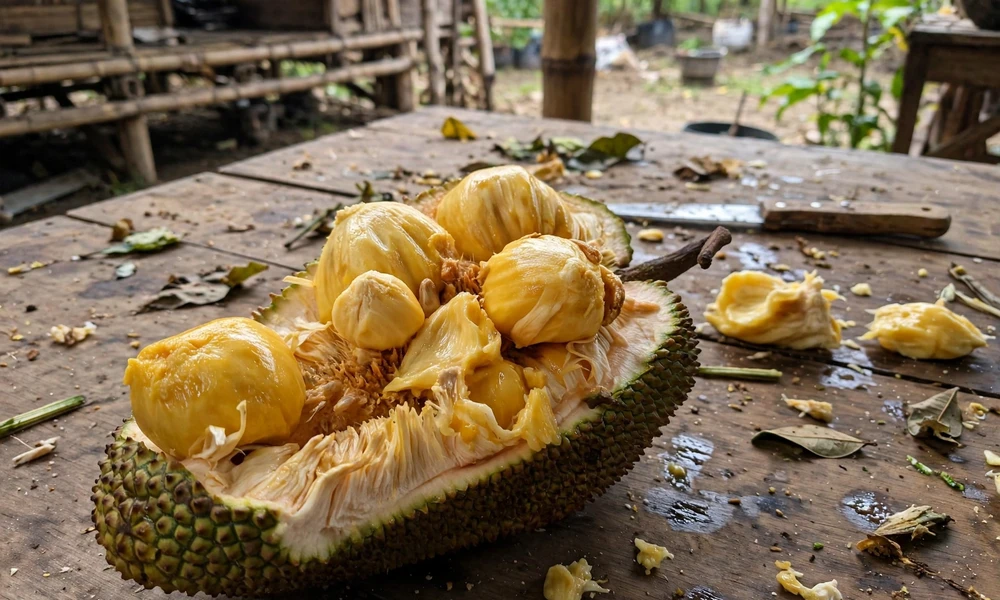
Time the trip around the fruit drop, not the calendar month
The fruiting burst is the whole trip, and it moves with the rains, so a guidebook month is only a rough guess. Write to the farm six weeks ahead and ask which trees are swelling, which are dropping, and which are bare. If the host names trees and dates, the season is on. If the host talks in general terms, it is not — shift your dates rather than hope.
What to Do: Ask for the state of the trees in the farm’s own words, and book the middle of the burst.
What to Avoid: Booking flights first and hoping the trees cooperate — an open farm is not a fruiting farm.
Best For: Travellers whose dates can shift by a week.
Time Needed: One short email before you pay.
Standout Tip: Ask the host to name the trees, not the month.
Find a kitchen that fries the fruit it picks
The fritters are the reason to go, and the best farms fry them within hours of cutting the fruit. Ask when the frying starts, whether guests can watch, and whether the batter is made on the farm. A kitchen that fries its own fruit talks about the batter, the oil, and the timing. One that buys fritters from a stall changes the subject, and that tells you everything.
What to Do: Ask when the frying starts and whether you can watch the first batch.
What to Avoid: Assuming every farm fries its own fruit — some send the harvest to market and serve bought fritters.
Best For: Travellers who build their trips around food.
Time Needed: A brief message before you book, and ten minutes watching the frying on arrival.
Standout Tip: Ask what the farm served yesterday.
Ask which rooms the smell reaches before you book
Cempedak smells strong, and the scent settles in rooms near the kitchen and the ripening shed. It is not as heavy as durian, but it is unmistakable, and a room beside the sheds carries it all night. Ask which rooms are farthest from the kitchen and whether the windows face the orchard. The honest farms answer plainly, and the best offer the far room unasked.
What to Do: Ask for the room farthest from the kitchen, and check the window direction first.
What to Avoid: Taking the cheapest room without asking where it sits — it is usually the one beside the sheds.
Best For: Light sleepers and anyone who hates the smell lingering in luggage.
Time Needed: Five minutes in the same message as the kitchen question.
Standout Tip: Keep your luggage closed and clothes sealed — the scent finds fabric fast.
Bring shoes and sleeves for spines, sap, and rain
The orchard floor is muddy after rain and dusty when dry, the fruit is spiky, and the sap sticks to everything. Closed shoes with grip beat sandals, long sleeves guard against spines and sap, and a hat beats sunscreen at midday. The rain comes in fast showers, so carry a light waterproof layer and a bag that can hold fruit without leaking.
What to Do: Pack closed shoes, long sleeves, a hat, a rain layer, and a sturdy bag.
What to Avoid: Wearing sandals or pale clothes into the orchard — the sap stains and the spines scratch.
Best For: Travellers who want to walk the rows rather than watch from the veranda.
Time Needed: An evening of packing before you leave home.
Standout Tip: Bring a light layer for the evenings, because the air cools quickly once the sun sets.
Book the cooking class in the same message as the room
On the best cempedak farms, the cooking session is the trip, and the bedroom is just where you sleep. The session usually runs in the late morning, when the fruit is cut and the batter is fresh, and it fills fast in season. Book it in the same message as the room, and ask what it covers. A farm that treats the session as an afterthought does not really cook.
What to Do: Reserve the session in your first message, and ask what it covers.
What to Avoid: Booking the room and assuming the session will be free — in season it books out first.
Best For: Travellers who want to learn the cooking, not just eat the result.
Time Needed: Half a morning on the farm, plus the message before you book.
Standout Tip: Ask whether the session includes the jam-making, because the jars are the souvenir worth having.
Arrange the drive from the nearest town before you book the flight
Most cempedak farms sit an hour or more from the nearest town, and the last stretch is often unsealed, steep, or both. Ask how long the drive takes, whether the farm sends a car, and what it costs. If it does not, hire a driver in town and give the farm the number. Do not rely on ride-hailing apps, because the signal dies before the farm gate.
What to Do: Get the drive time, car, and cost in writing before you book.
What to Avoid: Arriving late in the day without a car arranged — the last stretch is hard to navigate after dark.
Best For: Travellers who want the trip to start smoothly rather than with a long wait at the airport.
Time Needed: A quarter of an hour sorting the car, and the drive itself on arrival day.
Standout Tip: Carry cash for the driver, because the small towns rarely take cards.
Send the allergy note with your first message
The fritters are usually fried in wheat batter, and a kitchen that does not know about a wheat allergy will serve them without thinking. Tell the farm in writing, in your first message, and ask for a rice-flour batter instead. Rice flour fries well, and the kitchen needs a day or two of notice. Confirm again on arrival, and check the sauces as well as the batter.
What to Do: Put the wheat note in writing before you book, and confirm it again on arrival.
What to Avoid: Mentioning it only at the table — the batter is already mixed by then.
Best For: Travellers managing a wheat allergy.
Time Needed: Two minutes in your first message, and a word on arrival.
Standout Tip: Ask the farm to show you the batter before frying, so you can see the rice flour.
Buy the jam and the dried slices at the farm shop
Fresh cempedak bruises at a touch and ripens fast, so it rarely survives a flight, and many airports will not let you carry it through. The jars are the souvenir that works: jam, dried slices, and fritter mix all travel well, keep for months, and taste of the farm at home. Buy them at the farm shop on your last morning, and ask the host which jar keeps longest.
What to Do: Buy jars and dried slices at the farm shop, and ask which keeps longest.
What to Avoid: Packing fresh fruit for the flight — it will bruise, ripen, and smell through your luggage.
Best For: Travellers who want the farm to last past the flight home.
Time Needed: Fifteen minutes at the farm shop on your last morning.
Standout Tip: Ask the host to label the jars with the date, so you know which to open first.
Ask the host to walk the rows with you at first light
The dawn walk is the best hour on a cempedak farm, and the hour most guests sleep through. The air is cool, the fruit is easy to see, and the host will point out which trees are dropping, which are swelling, and which need another year. Ask the night before whether the host will walk with you, and set an alarm. The walk takes under an hour, and it changes how you see the farm, because the host talks differently among the trees than at the table.
What to Do: Ask the night before for a dawn walk.
What to Avoid: Sleeping in and missing the cool hour — the midday heat makes the rows hard work.
Best For: Early risers and anyone who wants to understand the farm, not just eat from it.
Time Needed: Under an hour at dawn, plus the ask the night before.
Standout Tip: Ask when the crew starts, and set your alarm to match theirs.
What to look for on the farm itself
First, look at the trees and the kitchen. A good orchard has trees of different ages, because the farm replants as the old trees tire, and a kitchen that fries in the morning smells of batter and hot oil before breakfast. One that serves bought fritters is quiet in the morning, and the host steers you to the orchard instead. Only one of these is the trip you came for, so look at the kitchen before the room.
Then look at the racks and the other guests. A farm that makes jam and dried slices keeps racks near the kitchen, and the smell of the drying fruit says it preserves its harvest. A cempedak farm is small, and the guests you share it with shape the trip: families mean slow, kind picking walks, while food writers mean a busy kitchen. The jackfruit farms of Kerala work the same way, and the same look around tells you the same things.
Planning the money and the days
Three nights is the right length, and the money is simple. One night is too short to learn the orchard, and five nights is too long for a small farm. The room is the main cost, and the farms on the roundup run from $65 to $380 a night, with most food folded in. The car from the airport is next, and worth budgeting for before you book, because it can add a third to the trip.
The days need little planning beyond the dawn walk and the cooking session. Midday is for shade, books, and the farm’s own honey, and the evenings are for the kitchen and the host’s stories. Pay the room in advance and the extras in cash, as you go, because the card machines are unreliable. The breadfruit farms of Samoa run on the same habit, and the same approach works there too.
Cempedak farm escapes at a glance
| Detail | What is known |
|---|---|
| Botanical name | Artocarpus integer, a close relative of jackfruit and breadfruit |
| Best trip length | Three nights: two dawn walks, two cooking sessions, one slow day |
| When to go | The middle of the fruiting burst, confirmed with the farm |
| What to eat | Fritters fried the same morning, fresh fruit, and jam |
| What to pack | Closed shoes, long sleeves, a hat, and a bag for fruit |
| Room cost | From $65 a night in Pahang to $380 a night above Hilo |
| Getting there | An hour or more from the nearest airport, by hired car |
| Gluten note | The fritters usually use wheat batter — ask for rice flour in writing |
Checklist before you go
- Write to the farm and ask which trees are in fruit.
- Book the cooking session in the same message as the room.
- Ask for the room farthest from the kitchen.
- Tell the farm about wheat in writing, and ask for rice-flour batter.
- Arrange the car from the airport, and carry cash.
- Pack closed shoes, long sleeves, a hat, and a bag for fruit.
Frequently asked questions
How long should a cempedak escape last?
Three nights is right. One night is too short to learn the orchard, and five nights is too long for a small farm. Three nights gives you two dawn walks, two cooking sessions, and a slow day in the middle.
Do I need a car to reach the farm?
Yes, or a driver arranged through the farm. The farms sit an hour or more from the nearest town, and ride-hailing apps lose signal before the farm gate. Ask whether the farm sends a car, and if not, hire one in town and give the farm the number.
What should I pack?
Closed shoes with grip, long sleeves, a hat, a rain layer, and a bag for fruit. The sap stains, the spines scratch, and the rain comes in fast showers. Leave pale clothes and sandals at home.
Can I eat cempedak if I have a wheat allergy?
Yes, if you tell the farm in writing before you arrive. The fritters are normally fried in wheat batter, but rice flour works well with a day or two of notice. Confirm again on arrival, and check the sauces as well as the batter.
Is it safe to bring children along?
Yes, as long as they stay with a guide and wear closed shoes. The fruit is heavy and the sap is sticky, so small children usually watch and carry the basket. Ask about ages before you book, and keep children away from the tall trees.
Can I bring fresh cempedak home?
Usually not, and it is not worth trying. The fruit bruises at a touch, ripens fast, and smells through luggage, and many airports will not let you carry it. Take jars, dried slices, and fritter mix instead — they keep for months.
The bottom line
A cempedak farm escape is a short, sweet trip built around a fruit that does not wait. The planning is simple: confirm the trees, book the cooking session with the room, ask about the smell and the wheat in writing, and arrange the car before you fly. The rest is dawn walks, hot fritters, and slow afternoons.
If you want a single rule, it is this: let the orchard set the hours. The farms that run well tell you when the fruit drops, when the frying starts, and when the crew walks the rows, and the best days follow that schedule instead of your own. The durian farms of Malaysia reward the same patience, and the same rule holds there too.