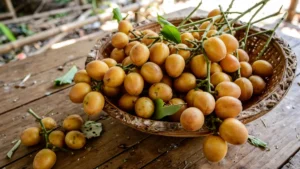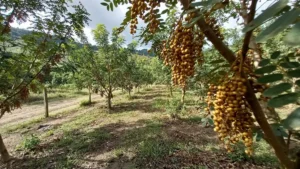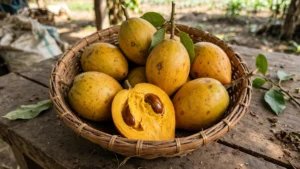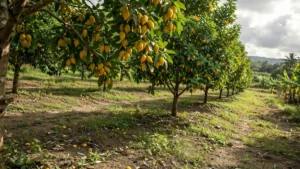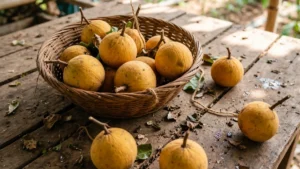

Abiu does not travel. Pick it in the morning and it is at its best by lunch; leave it a day and it turns soft and dull. That short life is the whole reason to sleep beside the tree that grew it.
On an abiu farm the day bends around the fruit. The trees stand in wet, flat ground near a river, the crop comes in a few fruits at a time, and the kitchen turns what is ripe into chilled halves and cold jelly. Rooms are simple, the host is out with a basket by sunrise, and nobody hurries. The fruit is so quick to spoil that the farm plans its days around the picking, and guests who rise early get the best of it.
Nine stays are listed below, from river towns deep in the Amazon to a hillside grove in Australia. Each entry notes what it does well, where it falls short, and who will enjoy it most.
Key takeaways
- Abiu grows in hot, humid lowlands, and the stays worth your money are the ones where the fruit is the point of the farm, not a garnish.
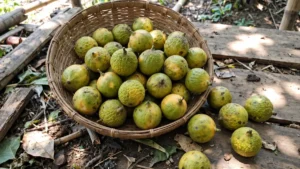
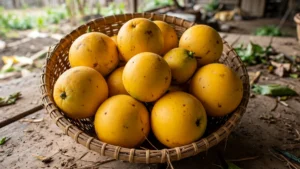
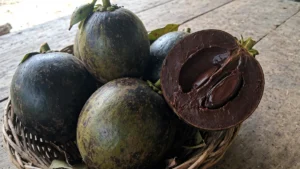
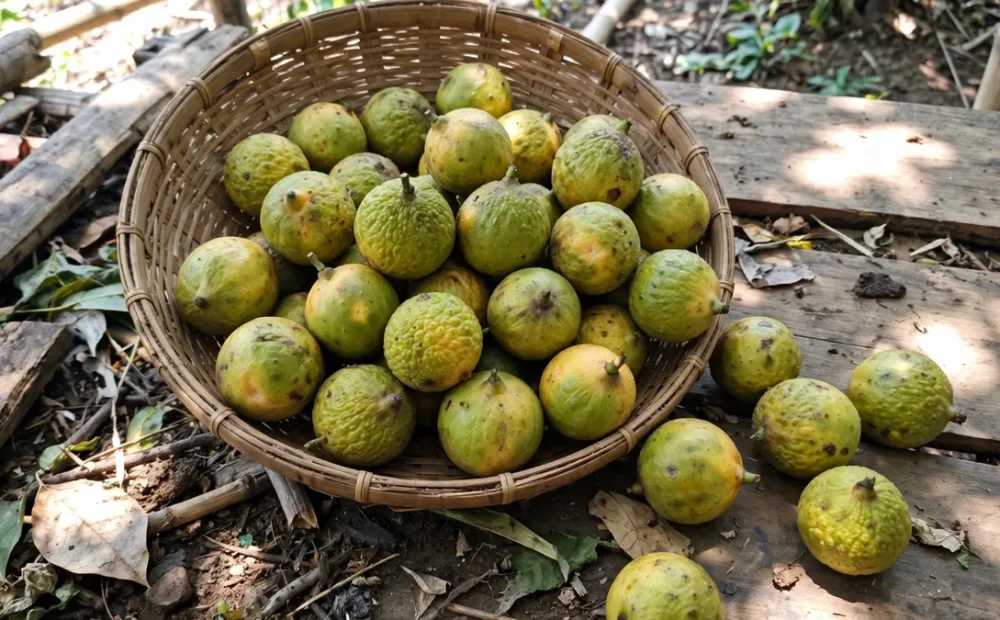
- Ripe abiu is bright yellow, soft under a gentle press, and sweet-smelling at the stem; green fruit is unripe and leaks sticky sap.
- The harvest runs through the hot months in the Amazon and shifts with the rains further north, so the region you pick fixes your dates.
- A room usually covers the bed, breakfast, and the orchard walk. Tastings, cooking sessions, and lifts are often billed on top.
- Write to the farm about wheat before you travel: the morning bake fills the kitchen with flour.
What an abiu farm retreat actually is
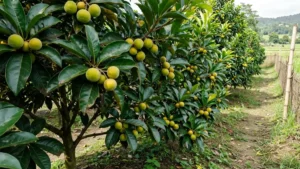
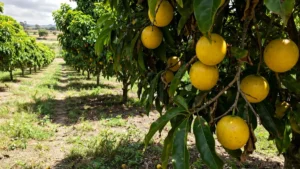
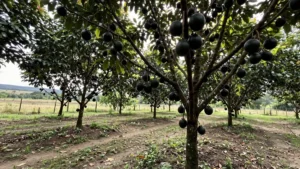
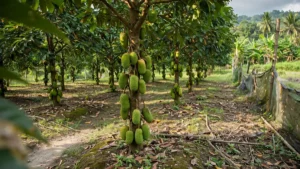
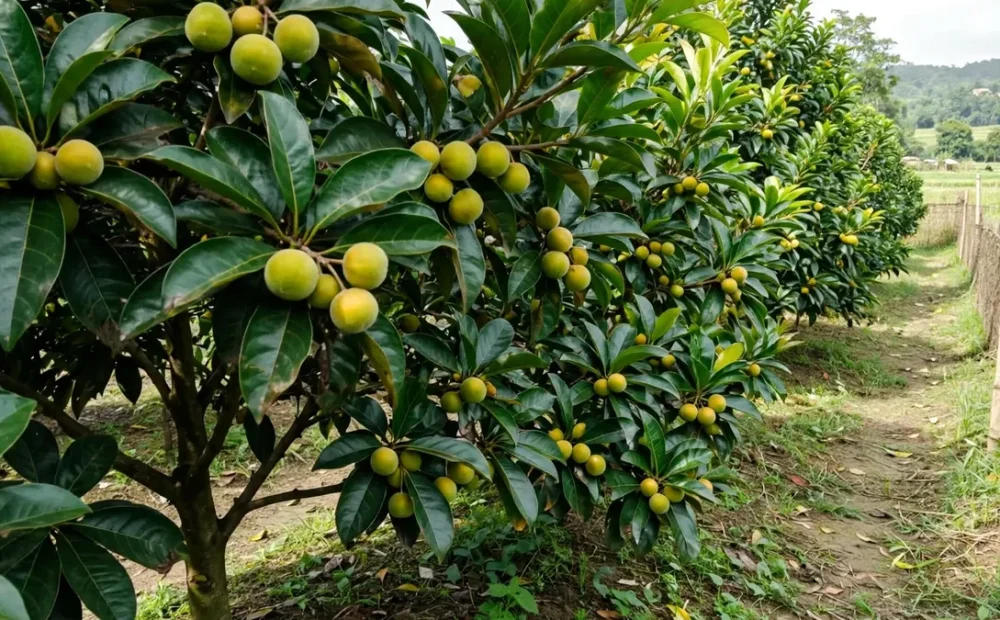
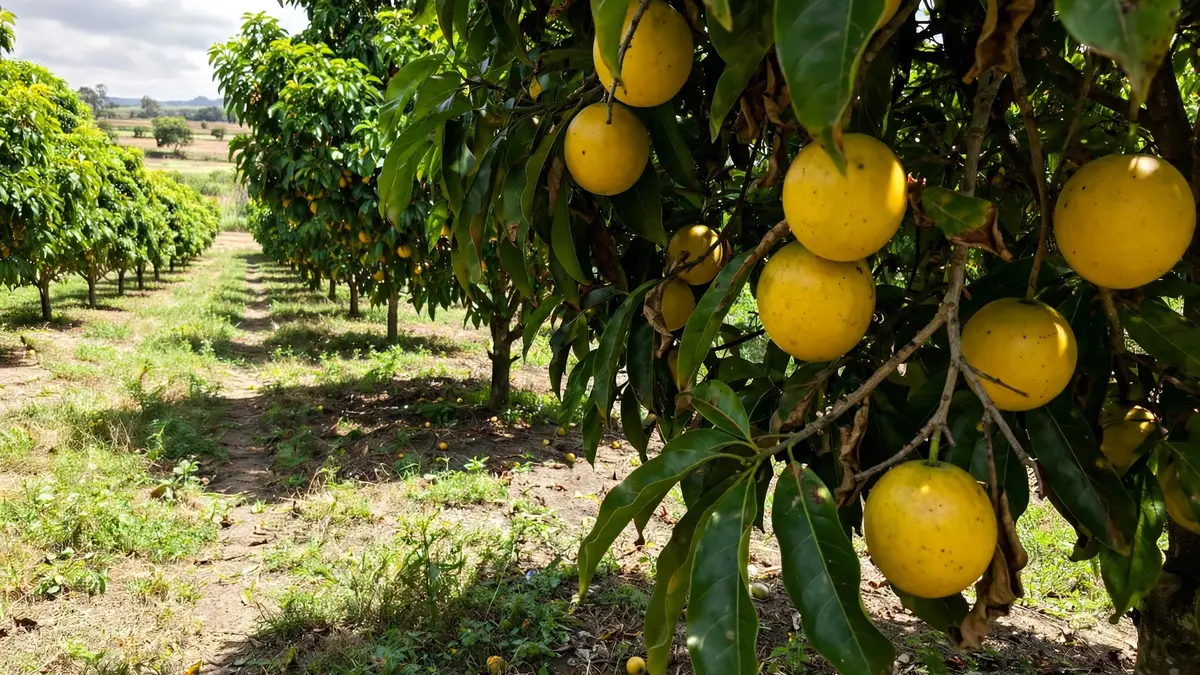
It is a working orchard that takes guests. The trees grow tall on flat ground near water, fruit hanging singly from the branches, and the harvest stretches across the season because the fruit ripens one by one. What is picked is mostly eaten on the farm. The trees fruit for months rather than weeks, so there is always something ripening, and the kitchen works through the crop a basket at a time.
The crop gives the stay its shape. Breakfast is a chilled half with a spoon; dinner ends with cold jelly; on Sundays the kitchen sets a larger batch for the week. The bedrooms are plain, the host is in the orchard at dawn, and the clock in the house is the tree’s, not yours.
Read the rate before you fall for the photographs. One farm may fold everything into the night’s price while the next charges the walk, the tasting, and the lift separately. Both can be good value, but they are not the same holiday. The sapodilla retreats we covered before reward the same habit: check what the money buys before you book.
How we picked these stays, and what to ask first
We wanted farms where abiu is the main crop, not a side note: orchards that grow their own fruit, walk guests through the rows, and say plainly which months are empty. A farm that hides its quiet months is one to avoid, however pretty the photographs look.

Season comes first. In the Amazon the crop runs through the hot months; in Colombia it follows the easing rains; in Australia it arrives as the southern summer fades. The peak moves with the country, so ask the farm, not the calendar.
Then the money. Some farms bundle the walk and the tasting into the night; others price each one apart. Ask about breakfast, the garden, and the languages the host speaks — a farm that answers in full is usually run with care. If carambola tempts you instead, the carambola retreats run on the same small-stay lines.
The 9 best luxury abiu farm retreats of 2027
Manaus, Brazil — Abiu beside the Black River
What we like: The farm is reached by riverboat, and the abiu here is the old kind: small, round, and heavy with scent. Guests sleep in a stilt house above the dark water, and the host takes a basket out before breakfast while the river mist is still lifting. Evenings are for the hammock and the sound of the river, not for plans.
What to consider: The heat is heavy and the rain arrives most afternoons, and a wet week can split the fruit before it is picked. The farm is a boat ride from town, so fix the lift before you arrive. Best for: Travellers who want the river at the centre of the trip. Style: Stilt house above the black water. Price range: $65–$95 a night, breakfast included. Standout feature: Arrival by riverboat at dusk.
Iquitos, Peru — Abiu from the Upper Amazon
What we like: A timber lodge on the riverbank where abiu grows in broad rows, the fruit large and honey-sweet. The host runs a canopy walk above the orchard, and picking mornings are open to guests who want to work. The river carries everything in and out, so pack light and leave the big case at home.
What to consider: The farm is reached by boat alone, and the midday heat is strong. Paths turn to mud after a wet week, so bring shoes that can take it. Best for: Guests happy to reach the farm by boat alone. Style: Timber lodge on the riverbank. Price range: $95–$125 a night, breakfast and the tasting included. Standout feature: A canopy walk above the orchard.
Leticia, Colombia — Abiu where Three Countries Meet
What we like: A riverside house with hammocks, abiu in rich soil, the fruit pale and slow to ripen. The town market sits where three borders meet, and a forest trail runs behind the orchard for guests who want to walk further. The market sells fruit you will not find anywhere else, so go hungry.
What to consider: The road in is rough, and rooms go fast while the fruit is coming in. Evenings cool enough for a layer, and the town is half an hour away. Best for: Visitors who like a market town on three borders. Style: Riverside house with hammocks. Price range: $125–$160 nightly, breakfast and dinner in the rate. Standout feature: A forest trail behind the orchard.
Belém, Brazil — Abiu near the Mouth of the Amazon
What we like: A tiled house near the river market where abiu grows beside cacao, and the kitchen halves the fruit for breakfast each morning. The house is old, the summer air is soft, and the host knows every tree in the rows. The market at the river mouth is worth a morning on its own.
What to consider: The road along the coast is narrow and the farm keeps few rooms, so book early. Fruit stays firm in the early season, and rain rises off the river by afternoon. Best for: Travellers who want the coast and the river together. Style: Tiled house near the river market. Price range: $160–$195 per night, with dinner in the price. Standout feature: Cacao and abiu from the same garden.
Pucallpa, Peru — Abiu on the Ucayali Plain
What we like: A plain farmhouse on the open plain east of the Andes, where abiu ripens early in long rows under a wide sky, and the gate stall is piled with baskets. The house sits among the rows, and the kitchen uses the fruit in jellies and salads. The plain is wide and quiet, and the stars at night are worth staying up for.
What to consider: The heat comes early, and the nearest city is an hour away. Paths dry to dust after a hot day, so wear shoes that can cope. Best for: Guests who prefer dry heat to humidity. Style: Plain farmhouse on the open plain. Price range: $195–$230 nightly, with every meal covered. Standout feature: A gate stall piled with baskets.
Cairns, Australia — Abiu above the Coral Sea
What we like: A Queenslander cottage with a wide veranda, abiu on gentle slopes above the sea, the season running while the Amazon orchards rest. Breakfast is served on the veranda above the cane, and the reef is a day trip away. The garden holds more fruit than abiu, so ask what else is ripe.
What to consider: The sea wind is strong, and the farm is a drive from the nearest city. The fruiting window is brief, so the dates count for more than the rate. Best for: Travellers pairing the orchard with the reef. Style: Queenslander cottage with a wide veranda. Price range: $230–$265 per night, breakfast and dinner covered. Standout feature: Breakfast on the veranda above the cane.
Hilo, Hawaii — Abiu in the Island Rain
What we like: A cottage among orchids and lava rock where abiu grows in dark, rich soil, the fruiting season long and the gate stall full of baskets. The host’s family has grown abiu for two generations, and the dessert kitchen is open to guests. Rain is part of the stay here, so a good book and a dry veranda matter.
What to consider: The road winds far, and the farm books out through the picking months. Showers pass often, so pick at first light and shelter when the sun returns. Best for: Guests who do not mind daily rain. Style: Cottage among orchids and lava rock. Price range: $265–$300 a night, walk, cooking session, lifts and all meals included. Standout feature: A dessert kitchen open to guests.
Miami, Florida — Abiu behind the Coastal Hills
What we like: A grove cottage with a small pool where abiu grows in neat rows behind an old barn. The fruit runs sweet, the farm holds a Saturday tasting at the farmers’ market, and the kitchen blends the flesh into smoothies each morning. The grove is small and the host knows every guest by name within a day.
What to consider: This stay tops the list on price, and the farm is a drive from the city. The fruiting window is brief, so fix the dates before you book. Best for: Travellers who want the tropics without a long flight. Style: Grove cottage with a small pool. Price range: $300–$340 nightly, full board in the price. Standout feature: A Saturday tasting at the farmers’ market.
Byron Bay, Australia — Abiu in the Bay’s Warm Northern Groves
What we like: A hinterland house with an outdoor shower, abiu beside macadamia, the fruit served chilled at every meal. Guests sleep in a low timber house with a shaded garden, and the host makes jelly on Sundays in the farm kitchen. The hinterland roads are slow, so leave plenty of time for the drive in.
What to consider: The farm is a long drive from the city, and summer rain can soften the fruit by noon. Sandflies appear on still evenings, so pack repellent. Best for: Guests who want a food region as well as a farm. Style: Hinterland house with an outdoor shower. Price range: $345–$380 per night, all in. Standout feature: Jelly made on Sundays in the farm kitchen.
Which abiu region fits your trip
For the deepest Amazon feel, Manaus and Iquitos put the river first: boat arrivals, stilt houses, and fruit at every meal. For sun and sea, Cairns pairs the orchard with the coast. For the richest harvest, Belém’s long season is hard to beat.
First-timers do best in Belém: the farm is used to visitors, the season runs long, and the kitchen uses the fruit every day. The naranjilla retreats make the same point in their own way: pick the farm that cooks its crop daily and the trip looks after itself.
The caveats that matter
Abiu farm retreats are lovely, but they are not for everyone. The harvest fixes the dates, the farms lie far from town, and the honest stays say plainly what is ripening and what is not.
| Detail | What is known |
|---|---|
| Best time to visit | The hot months in the Amazon; the window moves with the rains further north |
| The two main kinds | Abiu is yellow and jelly-soft; its cousin caimito is smaller, greener, and firmer |
| How ripe fruit looks | Bright yellow all over, soft under a gentle press, sweet at the stem, no green patches left |
| What is usually included | Bed, breakfast, and the orchard walk; tastings, cooking sessions, and lifts are often extra |
| Who should go | Slow travellers, food lovers, and older children who enjoy the orchard |
| Who should think twice | Nightlife seekers, anyone in a hurry, or travellers wanting a full daily programme |
| Transfers | Often an hour or more from the nearest airport; book the lift before you arrive |
| What is not guaranteed | Fruit on your dates — the crop depends on weather, season, and the tree |
Abiu itself has no gluten, but the farm oven bakes bread and cakes each morning, so ask the cook how flour is kept away from your plate. The fruit softens within a day, so eat it fresh and take jelly home instead. The seeds are big and dark — scoop around them and never chew one. If you are pregnant, managing a health condition, or travelling with small children, check the nearest clinic, the last spray date, and the steepness of the paths before you book.
Checklist: booking an abiu farm stay honestly
Go through these before you pay, and again in the week before you travel.
- Fruiting: ask whether the trees will carry ripe fruit on your dates, not just whether the farm is open.
- Money: ask what the night covers and what each extra costs — the walk, the tasting, the meals, the lifts.
- Getting there: the drive time from the airport, and whether the farm collects guests.
- The room: a window onto the rows or the garden, with shade, a fan, or cooling for the night.
- The orchard: how many trees it holds, whether it is organic, and when it was last sprayed.
- Other guests: find reviews from people who travelled in the same season you plan.
Frequently asked questions
When is abiu season?
It moves with the country. In the Amazon basin the trees carry fruit through the hot months, with the peak in the middle of the summer. In Colombia the crop follows the easing rains, and in Australia it arrives as the southern summer fades. Wherever you go, the peak lasts weeks rather than days, so you have room to choose.
What does an abiu taste like?
Sweet and soft, with flesh that scoops like jelly. Ripe fruit is yellow and fragrant, with hints of caramel, vanilla, and pear; unripe fruit is firm, pale, and sticky with sap. The best are eaten chilled, on the morning they were picked. A spoon is the only tool you need, and the skin peels back with a thumb.
May guests pick abiu from the trees?
Yes, at most farms, if you walk the rows with a guide and ask first. Some farms give guests a basket for a few fruits, while others keep the picking to the crew, because the fruit spoils fast and the branches break easily. Mention it when you book, and wear long sleeves, because the sap sticks to skin and cloth.
Is it safe for everyone to eat abiu?
Mostly. The flesh suits most people, but the large dark seeds must never be chewed or swallowed, and anyone with a fruit allergy should tell the farm before booking. Rinse the fruit before eating, and eat a small portion first if your stomach is sensitive.
Where should a first-timer begin with abiu farms?
Belém, for the easiest journey and the longest season. The farm is used to guests, the fruit runs for months, and the kitchen puts it on the table at every meal.
What should a gluten-free traveller ask on an abiu farm?
Tell the farm when you book. Abiu on its own carries no gluten, and the rice dishes are generally safe. The risk is the morning bake: bread and cakes leave the oven daily. Ask the cook how flour is kept away from your plate.
The bottom line
An abiu farm retreat fits travellers who like their food to come from the tree next door and are content to let the harvest set the pace. The fruit is sweet, the season is long, and the best farms pick it, chill it, and set the rest into jelly without fuss.
Pick by what matters most to you — the river towns of Manaus, the warm coast of Belém, or the sea slopes of Cairns — and bring the jelly home sealed. A jar keeps; the fruit does not.