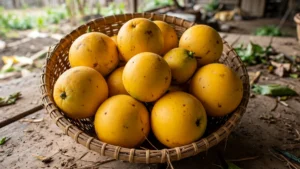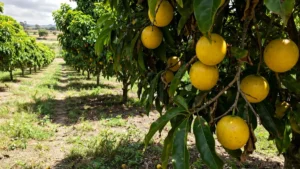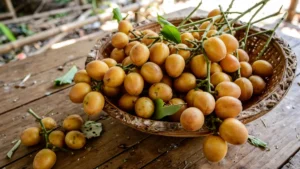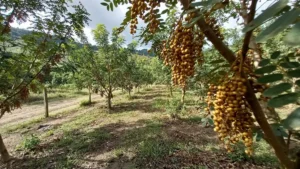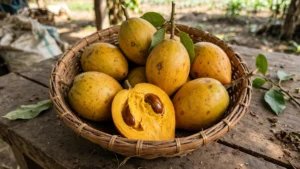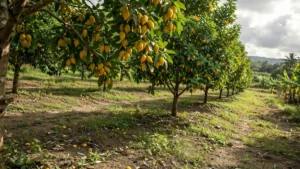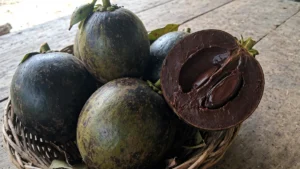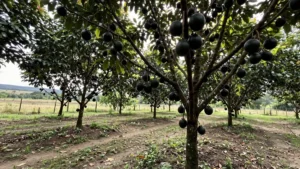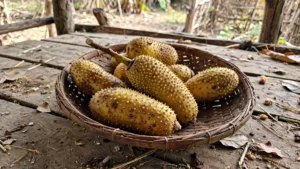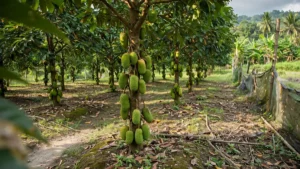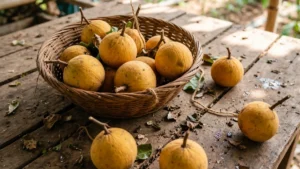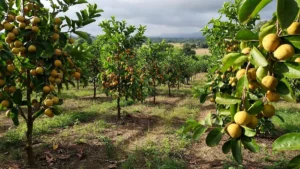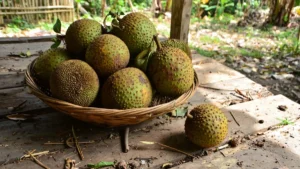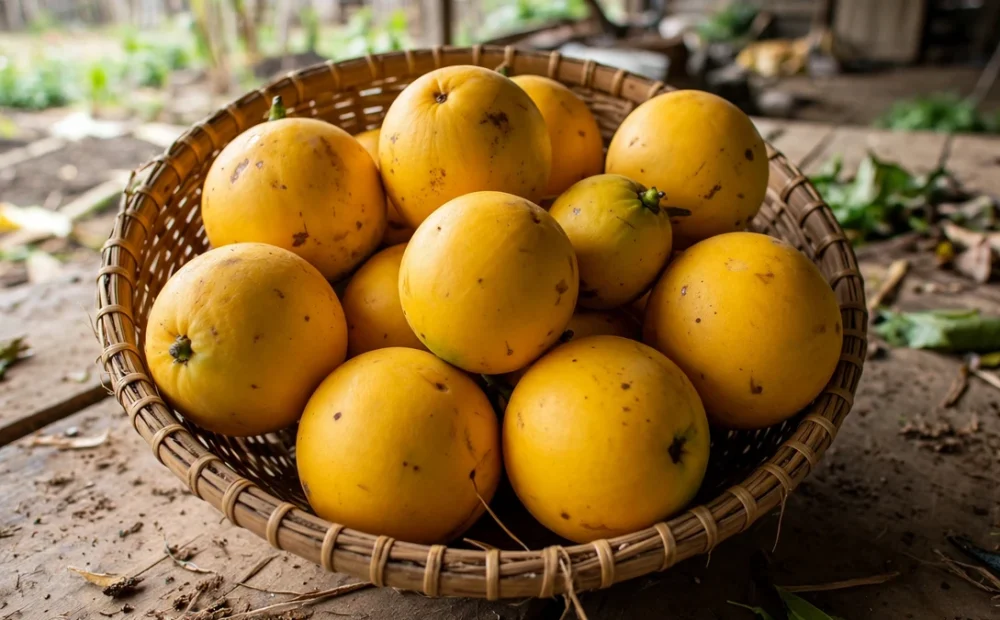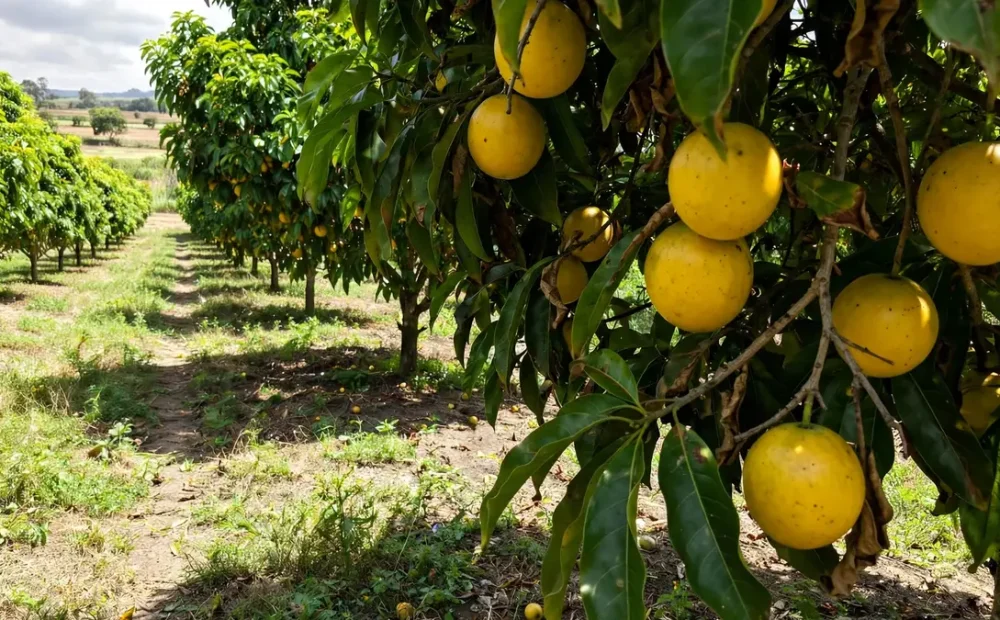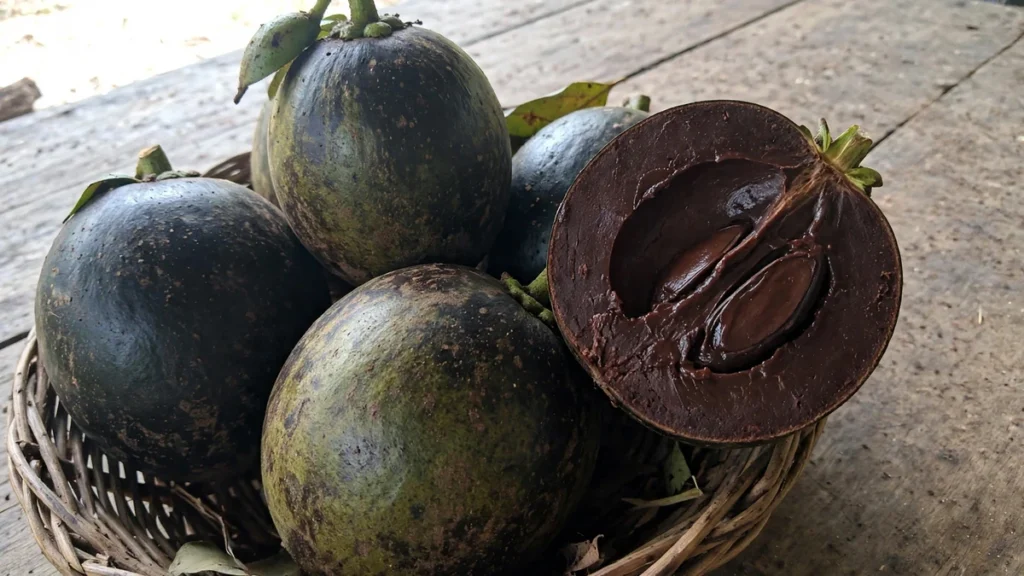
A black sapote farm escape is a holiday arranged around a single fruit: a round green globe that darkens as it ripens and opens to flesh the colour of chocolate pudding. You rise early, walk the rows while the air is still cool, press a fruit softly to test it, and eat it scooped from the skin before the midday heat arrives.
The trick is to plan around the harvest rather than around cheap flights. The trees bear a few fruits at a time through the dry season, the farms lie an hour or more from the nearest airport, and the best stays are small, with few rooms and a host who works the orchard. Secure the farm first, and let the flights follow. It is not a fruit you buy in a supermarket and eat on the way home; it is a fruit you plan a holiday around, and the planning is the point.
This guide covers the nine moves of a black sapote farm escape, from fixing the fruiting weeks to bringing the ice cream home. Each move sets out what to do, what to steer clear of, and the small detail that makes the difference. The moves are written in the order you will need them, from the first message to the farm to the last morning at the farm shop.
Key takeaways
- Fix the fruiting window first: dry season into early summer across Mexico and Central America.
- Dark skin and a soft press mean the fruit is ready; green and hard means it needs more days on the branch.
- Secure the room before the flights, and get the inclusions in writing before you pay.
- Bring cash for the farm stall, a hat for the midday sun, and shoes that can handle mud.
- Warn the kitchen about wheat in advance. Bread and cakes leave the oven every morning, and flour travels through the kitchen air.
What a black sapote farm escape actually is
An escape means basing yourself at a working black sapote orchard and letting the harvest shape your days. The trees are broad and leafy, spread across warm flat ground, with fruit hanging singly from the branches. Because the fruit ripens one at a time, the gathering runs all season, and the picking is done by hand. Most of the crop is eaten on the farm itself, at the table or in the kitchen, and only the surplus reaches the stall.
The crop is the point of the trip, not a backdrop. It fixes the rhythm: a scooped half at breakfast, mousse after dinner, ice cream churned on a Sunday. Rooms are plain, the host is out pruning before sunrise, and the orchard, not a schedule, decides the day.
Sort out what the nightly rate buys before you commit. Some places are working farms first, with simple rooms and a host who spends the morning among the trees. Others are comfortable guesthouses inside an orchard, with more ease and less farm work on show. Both repay a stay, though they are different holidays, and the price per night is usually the clearest sign of which you are getting. A farm that charges little and feeds you well is the better bargain; a farm that charges much and feeds you little is not. Our guide to planning a persimmon farm escape puts it another way: persimmon is black sapote’s cousin in the same genus, and the rate is still the truest guide to what a stay contains.
How to plan the trip, and what to ask first
This guide is written for travellers who want the fruit at its best, not a generic farm holiday. A strong black sapote escape grows its own fruit, builds an orchard walk or a tasting into the visit, and speaks plainly about the months when the branches hold nothing. A farm that admits its bare months is a farm you can trust about its full ones.
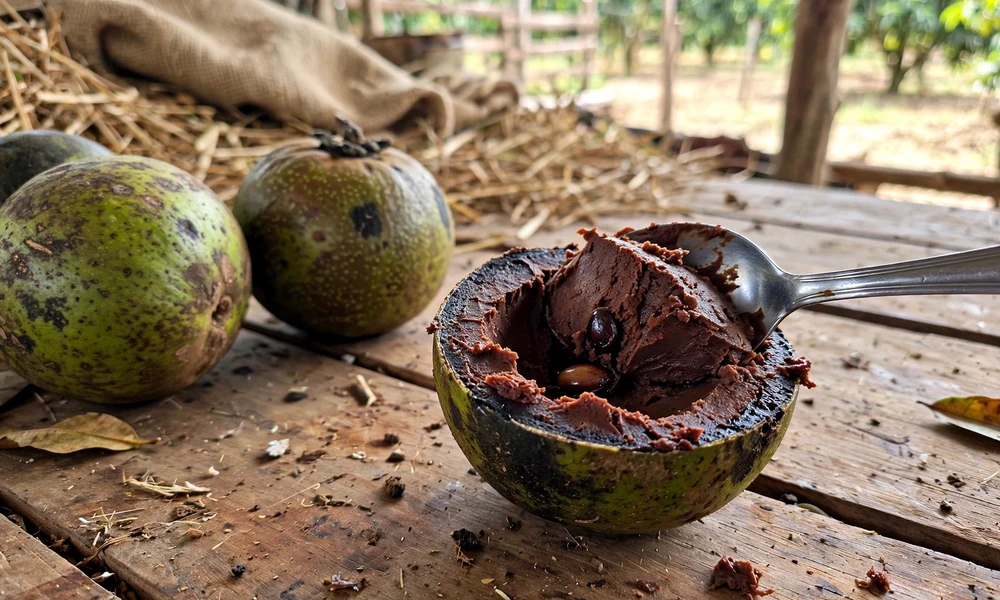
The season leads. Across Mexico and Central America the fruit arrives in the dry season and runs into early summer, the peak shifting from country to country. Veracruz and Oaxaca gather in the late dry months, Guatemala and Belize follow as the rains draw near, and Florida and Hawaii keep going while the northern orchards rest.
Then work out the inclusions. Some stays charge the walk, the tasting and the cooking session separately. Ask ahead about breakfast, the shared garden, and the languages the host speaks. A farm that lays every charge out plainly is generally run with care. If sapodilla appeals more, the guide to planning a sapodilla farm escape we covered earlier follows the same small-stay pattern.
The 9 steps of a black sapote farm escape
1. Ask the farm for its harvest dates
What to do: Write to the farm and ask which weeks the trees will be in fruit on your dates. Ask for the harvest weeks, not the opening weeks, and book inside them. A farm that replies with dates is a farm that knows its trees. If the reply is vague about the weeks, treat that as a warning and ask again, plainly, for the harvest dates. What to avoid: Booking a flight first and hoping the trees fall in line. Best for: Travellers who want fruit on the table every single day. Time needed: One afternoon of messages ahead of booking. Standout tip: The harvest weeks, not the school holidays, should set your dates.
2. Pick the country by its fruiting weeks
What to do: Let the fruiting window pick the country for you. Veracruz and Oaxaca fruit in the late dry months; Guatemala and Belize follow as the rains approach; Florida and Hawaii run later still. What to avoid: Taking the cheapest flight and landing between harvests. Best for: Travellers who can shift their dates by a fortnight. Time needed: An evening comparing regions. Standout tip: The region with fruit in season beats the region with the cheapest ticket. A dearer flight to a fruiting orchard is a better trip than a cheap flight to bare branches.
3. Book the farm, then the plane
What to do: Reserve the room first, then arrange the flights around it. Small farms hold few rooms, and the picking weeks fill early. Ask for the room that looks onto the rows rather than the road. What to avoid: Holding a flight and then finding the farm full. Best for: Travellers who want the picking weeks. Time needed: Half an hour on the farm’s booking page. Standout tip: A room facing the orchard is worth more than a room facing the road. The picking weeks are the first to fill, so a room held early is the difference between fruit and no fruit.
4. Get every charge spelled out first
What to do: Ask in writing whether the walk, the tasting, the meals and the lifts sit inside the rate, and what each extra costs. Keep the reply with your booking. What to avoid: Taking breakfast to mean every meal. Best for: Travellers who want no surprises at checkout. Time needed: One message, answered before you pay. Standout tip: A farm that lists every charge in the open is generally run with care. Keep the reply beside your booking, so checkout holds no surprises.
5. Arrange the airport lift ahead of time
What to do: Arrange the airport pickup with the farm, or book a driver who knows the road. Most farms sit an hour or more from the nearest airport, and the road is rough in places. What to avoid: Landing late and hunting for a taxi on a country road. Best for: Travellers arriving after dark. Time needed: One call the week before you travel. Standout tip: Ask the farm which driver it trusts, and book that one. Confirm the pickup time the day before, and keep the driver’s number in your phone.
6. Tell the farm about wheat at once
What to do: Write to the kitchen before you arrive and explain what you cannot eat. The morning bake runs daily, and flour drifts through the whole kitchen. What to avoid: Raising it only at the table on the first morning. Best for: Travellers who need gluten-free food. Time needed: Five minutes inside your booking message. Standout tip: Ask what the kitchen does to keep flour off your plate. A kitchen that answers clearly has done this before; a kitchen that shrugs has not.
7. Wear long sleeves against sun and sap
What to do: Pack a hat, sunscreen, a light rain layer, and shoes that can handle mud. The sap stains, so bring clothes you do not mind marking. What to avoid: Packing only sandals and a white shirt. Best for: Travellers who walk the rows each and every morning. Time needed: An evening of packing. Standout tip: Long sleeves guard against brittle branches as well as the sun. A small bag for the fruit and a bottle of water will carry you through the morning walk.
8. Walk the orchard before breakfast
What to do: Go out with the host on the morning walk, basket in hand, and learn to press a fruit softly to test it. The best fruit is picked at dawn, before the heat builds. What to avoid: Picking on your own without asking which trees are ready. Best for: Travellers who want the harvest itself. Time needed: An hour each morning. Standout tip: A dark fruit that gives softly under your thumb is ready; a hard green one is not. Taste the first fruit beside the tree, while the flesh is still cool from the night.
9. Take frozen tubs for the trip back
What to do: Buy the ice cream and the jam at the farm shop, sealed for travel. The flesh keeps far better frozen than fresh, and a tub survives the journey home. What to avoid: Packing ripe fruit in a suitcase and finding it bruised on arrival. Best for: Travellers who want the flavour to keep. Time needed: Twenty minutes choosing tubs and jars at the farm shop. Standout tip: A tub of ice cream outlasts any photograph. The jam keeps longer still, and a jar of it travels better than any fresh fruit.
Which black sapote region fits your trip
For the deepest tradition, head for Veracruz or Oaxaca, where the orchards are working farms and the fruit reaches the table at every meal. For the most dramatic setting, the Osa Peninsula puts the farm on slopes above the Pacific. For the strongest flavours, Antigua’s sun and heavy harvest win.
First-timers do best in Mérida: the farm welcomes guests often, the season stretches long, and the kitchen uses the fruit every day. Our guide to the carambola farm escape says the same: pick the farm that cooks with its crop daily, and the rest of the trip falls into place.
The caveats that matter
A black sapote farm escape is lovely, but it will not suit everyone. The harvest fixes the season, the farms lie far from town, and the honest stays are plain about what is ripening and what is not.
| Detail | What is known |
|---|---|
| Best time to visit | Dry season into early summer, when the trees are in fruit; the window moves by country |
| The two main kinds | Black sapote is the dark chocolate-pudding fruit of Mexico; mamey sapote is a different orange-fleshed fruit, often confused with it |
| How ripe fruit looks | Dark all over, yielding to a soft press, and sweet-smelling at the stem, with no hard patches |
| What is usually included | Room and breakfast with an orchard walk or tasting; cooking sessions and lifts often cost extra |
| Who should go | Slow travellers, food lovers, and families with older children |
| Who should think twice | Anyone chasing nightlife, quick service, or a full daily programme |
| Transfers | Often an hour or more from the closest airport; arrange the lift before you arrive |
| What is not guaranteed | Fruit on your dates; the harvest leans on weather, season, and the tree’s own rhythm |
The fruit on its own holds no gluten, but the farm kitchen bakes bread and cakes each morning, so find out how it keeps flour away from your plate. The flesh is soft and bruises at a touch, so eat it on the day it is picked and bring ice cream home in place of fresh fruit. The seeds are big and must never be chewed, so scoop around them. Pregnancy, health conditions and small children alter the trip. Learn how far the nearest clinic lies, when the orchard was last sprayed, and how steep the paths run, before you book.
Checklist: planning a black sapote farm escape honestly
Work through these checks before you pay, then again in the week before you travel.
- Confirm the fruiting: will the trees be in fruit on your dates, or only open for guests?
- Confirm the rate: which parts of the walk, the tasting, the meals and the lifts sit inside it?
- Confirm the journey: how long is the airport drive, and does the farm send a pickup?
- Confirm the bedroom: does it face the rows or the garden, and is there shade, a fan, or cooling?
- Confirm the growing: how many trees stand in the orchard, is it organic, and when was it last sprayed?
- Read reviews from guests who travelled in the same season as your planned trip.
Frequently asked questions
How many nights does a black sapote escape need?
Four or five nights is the sweet spot. Two nights is barely enough to learn the rows, and a week is a long time on a small farm. Four nights gives you three full picking mornings and a day to rest. A longer stay suits travellers who want to learn the orchard rather than sample it.
How does a ripe black sapote taste?
Like chocolate pudding that grew on a tree. The flesh is soft, dark and sweet, with cocoa and caramel in it, and the best fruit is eaten scooped from the skin on the morning it was picked. A hard green fruit tastes of nothing much and needs more days on the branch.
Can I gather the fruit myself?
At most farms, yes, as long as you walk with a guide and ask which trees are ready. A few farms keep the picking to the crew, because the fruit bruises at a touch and the branches snap easily. Mention it when you book, and wear long sleeves for the branches.
Is the flesh safe for children?
Yes, in small portions, once the seeds are scooped out. The flesh itself is gentle, but the large seeds must never be chewed or swallowed, and a child with a fruit allergy should be flagged to the farm before booking. Rinse the fruit first, and keep the first taste small.
Must I drive myself to the farm?
Usually not, if the farm runs a pickup. Most farms sit an hour or more from the nearest airport, and the road is rough in places. Arrange the lift with the farm before you arrive, and confirm the driver’s name the day before. Some farms lend bicycles for the lanes around the orchard, which is a pleasant way to spend an afternoon.
How do I eat gluten-free on a black sapote farm?
Flag it when you book, in writing. The fruit on its own has no gluten, and the rice dishes are safe as a rule. The risk is the morning bake: bread and cakes leave the oven daily, so ask the kitchen how it keeps flour off your plate.
The bottom line
A black sapote farm escape fits travellers who want their food to come from the tree beside them and are content to let the harvest run the day. The fruit is dark, the season is kind, and the best stays gather it, serve it scooped, and freeze the rest into ice cream without fuss.
Plan by the fruiting window, secure the farm before the flights, and bring the ice cream home sealed, not the fruit itself. A cheap room in a bare orchard is money spent on nothing; a dearer room among fruiting trees is money spent on the trip itself. A tub of it will outlast any photograph.