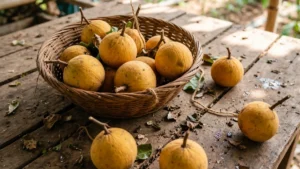
Abiu does not wait. Pick it in the morning and it is perfect by lunch; leave it a day and it turns soft and dull. A farm escape built around it has to be planned the same way: backwards from the harvest, not forwards from the flights.
The trip is simple at heart. You sleep in a plain room beside the rows, walk the orchard at dawn with the host, eat the fruit chilled at breakfast, and watch the kitchen set the rest into jelly. What makes it work is choosing a farm that is in fruit on your dates and a kitchen that cooks what it grows.
Nine steps are set out below, from tasting the fruit at a stall to bringing the jelly home. None of them is hard; together they stop the common mistakes. The most useful habit is to ask the farm questions in writing and keep the answers, so nothing is lost between the booking and the arrival.
Abiu is a forgiving fruit to plan around once you know its habits. It ripens a few at a time, it bruises if it is knocked, and it tastes best within hours of picking. A farm that understands those three facts will look after you well; a farm that does not will leave you eating fruit that was picked too soon.
Key takeaways
- Abiu ripens a few fruits at a time, so the harvest dates matter more than the room or the rate.
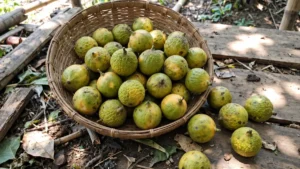
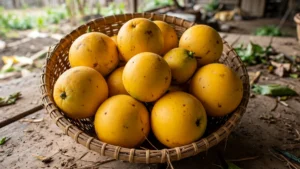
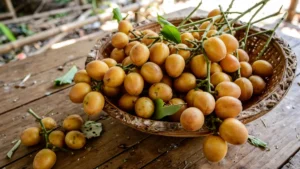
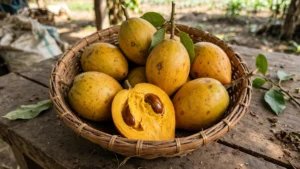
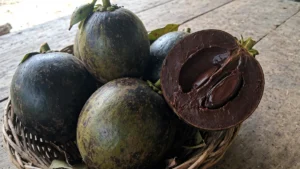
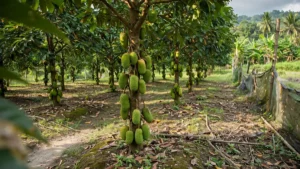
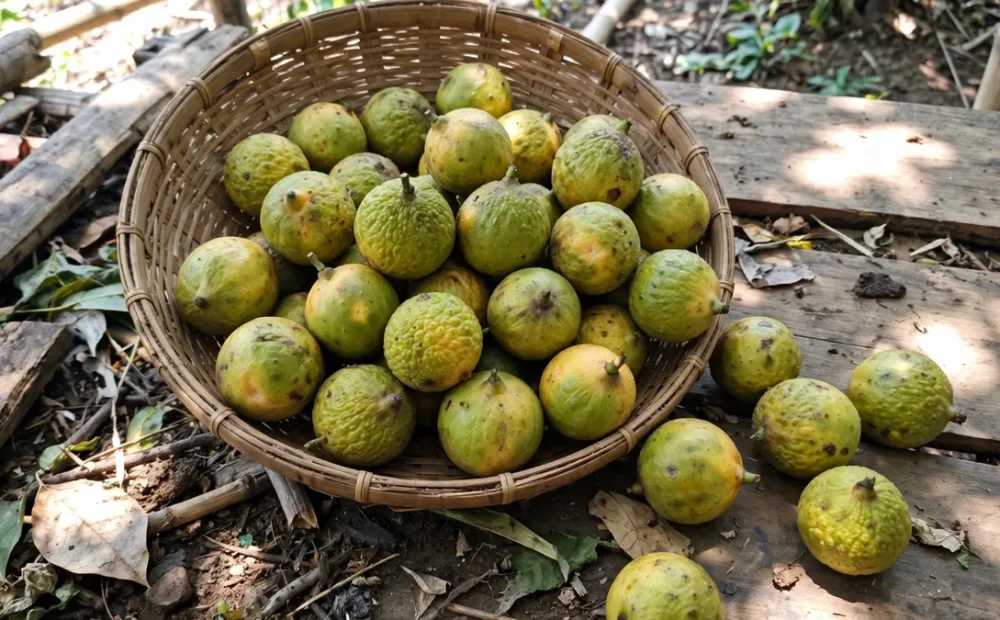
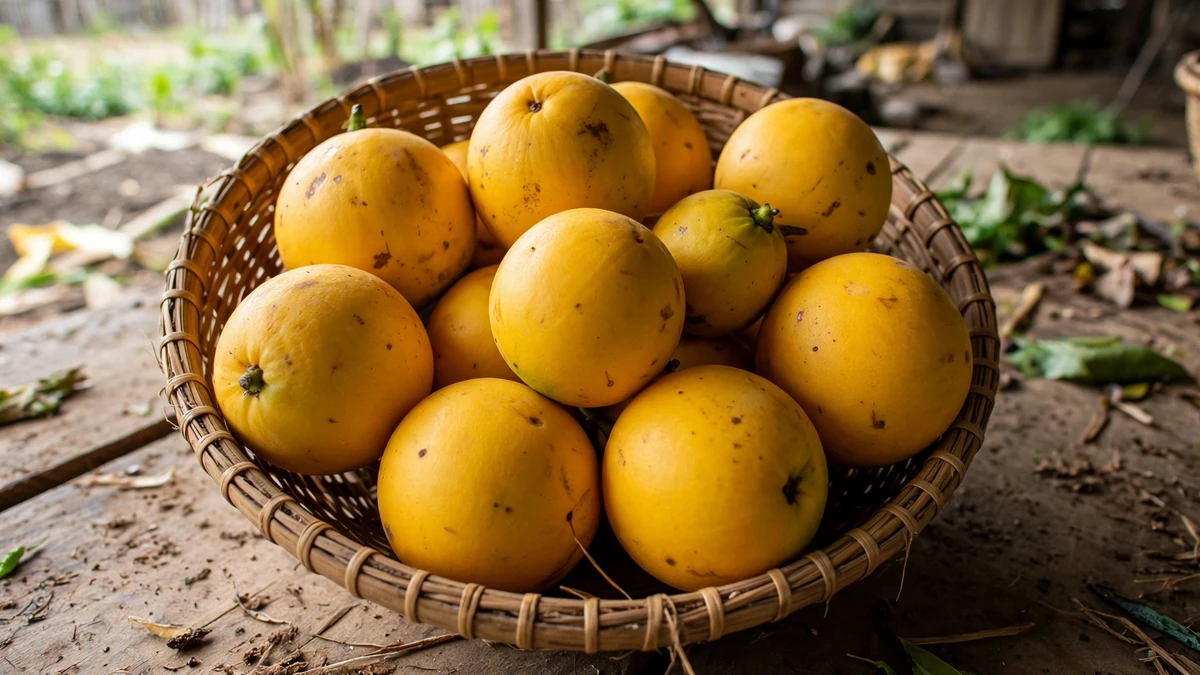
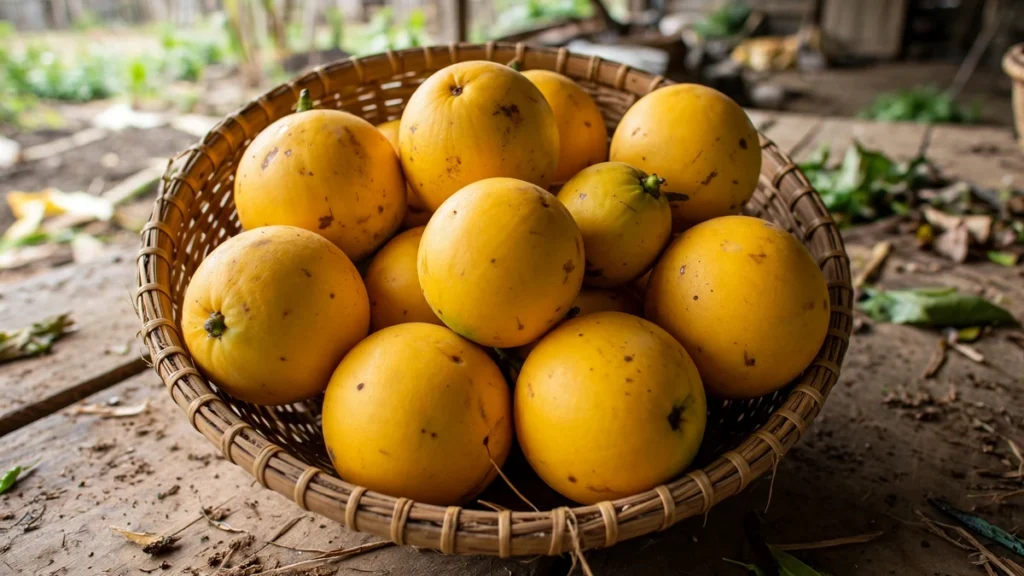
- Ripe fruit is bright yellow, soft under a gentle press, and sweet at the stem; green fruit is unripe and leaks sticky sap.
- Choose a farm whose kitchen uses its own harvest every day, not one that buys fruit in for guests.
- Ask what the price covers before you book: the walk, the tasting, the meals, and the lifts are often billed apart.
- Tell the farm about wheat in writing before you travel: the morning bake fills the kitchen with flour.
What an abiu farm escape involves
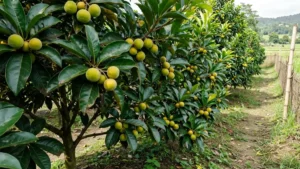
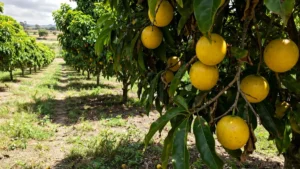
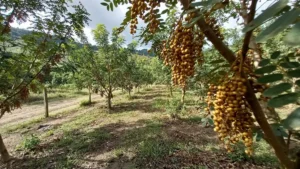
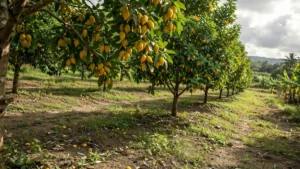
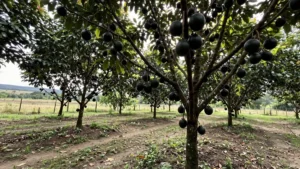
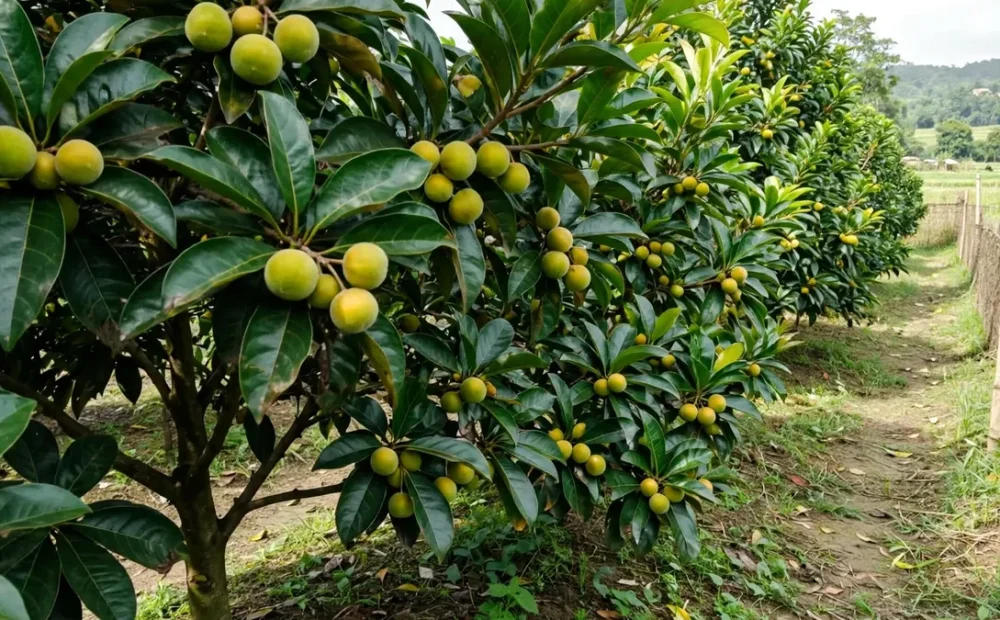
It is a few nights on, or beside, a working abiu orchard. The trees stand tall on flat, wet ground near a river, fruit hanging singly from the branches, and the crop stretches across the season because the fruit ripens one by one. What is picked is mostly eaten where it grew.
The fruit sets the day. Dawn brings a walk through the rows with the host and a basket; breakfast brings a chilled half and a spoon; the afternoon is slow, and the kitchen sets jelly while the guests rest. It is a quiet holiday, not a busy one. The orchard gives the day its shape, and the spaces between meals are for resting, reading, and watching the trees. Guests who arrive with a list of sights to tick off will be disappointed; guests who arrive with a book will not be.
Travellers who like that pace will love it; travellers who want a full schedule will not. The sapodilla escape guide says the same in other words: match the farm to the pace you actually want.
How to plan it, and what to ask first
Begin with the fruit, not the bedroom. Find abiu at a market stall, taste it, and learn ripe from green: yellow skin, a gentle give, a sweet smell at the stem. Once you know the fruit, you can judge a farm by the way it talks about its trees. A host who names the varieties, the picking weeks, and the last spray date is telling you the truth about the place; a host who talks only about the rooms is selling you a hotel that happens to have trees.
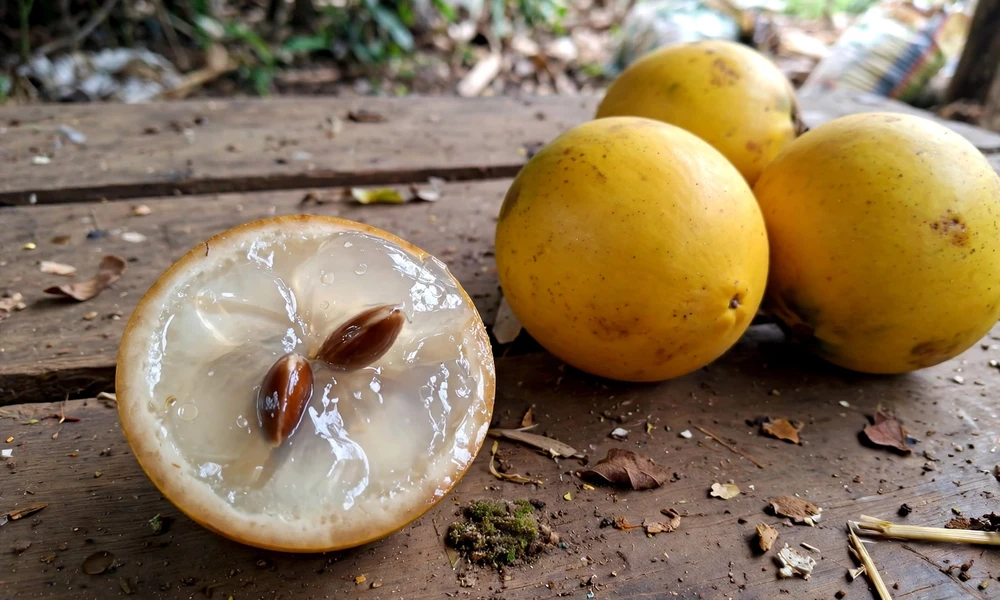
Then the season. The Amazon crop runs through the hot months; in Colombia it follows the easing rains; in Australia it arrives as the southern summer fades. The peak moves with the country, so ask the farm rather than the calendar.
Then the money. Some farms bundle the walk and the tasting into the night; others price each apart. Ask about breakfast, the garden, and the languages the host speaks — a farm that answers openly is usually run with care. If carambola tempts you instead, the carambola escape guide runs on the same small-stay lines.
The 9 steps to plan an abiu farm escape
Buy abiu at a street stall before you pick a region
What to do: Find a stall selling abiu and taste it before you book anything. Learn the look of ripe fruit: bright yellow skin, a gentle give, and a sweet smell at the stem. What to avoid: Booking a region on photographs alone, without knowing what the fruit tastes like. Best for: First-timers who have never eaten abiu. Time needed: An hour at the market. Standout tip: Buy three fruits at different stages and compare them side by side.
Pin down the harvest weeks before you buy tickets
What to do: Ask the farm which weeks the trees will be in fruit, and fix your dates around the answer. Abiu ripens a few fruits at a time, so the window matters more than the weather. What to avoid: Buying flights first and hoping the trees cooperate. Best for: Travellers with fixed leave dates. Time needed: A week of messages with the farm. Standout tip: Get the fruiting dates in writing, not just in passing.
Choose a farm where the kitchen uses its own harvest
What to do: Pick a farm where the kitchen serves abiu daily: chilled halves at breakfast, jelly after dinner, and a cold dessert on Sundays. A kitchen that cooks its own crop will feed you well. Ask how the fruit is used across the day, not just at breakfast: a good kitchen folds it into salads, sets it into jelly, and blends it into cold drinks, so the same fruit never tastes the same twice. What to avoid: A farm that buys fruit in for guests, or serves it once and never again. Best for: Food lovers who care about the kitchen as much as the rows. Time needed: An evening of reading menus and messages. Standout tip: Ask what the kitchen served yesterday, not what it plans to serve.
Check if guests can gather fruit on the orchard walk
What to do: Ask whether guests may gather fruit on the orchard walk, and how many each guest may take. Some farms hand guests a basket; others keep the picking to the crew. Either way is fine, so long as you know before you arrive. The worst outcome is to expect a picking morning and find the crew has already finished by the time you wake. What to avoid: Reaching for fruit without asking, and assuming you may pick. Best for: Guests who want to work among the trees. Time needed: Ten minutes in the booking message. Standout tip: Say how many fruits you hope to gather, so the host can plan.
Ask for a bedroom facing the orchard rows
What to do: Ask for a room whose window looks onto the rows, with shade in the afternoon and a fan for the night. The view is half the stay. A room that faces the rows gives you the orchard at dawn, when the light is soft and the birds are loud; a room that faces the road gives you dust and the sound of passing carts. What to avoid: Accepting the last room going and spending your mornings facing a plain wall. Best for: Travellers who want the orchard from the bed. Time needed: One message when you book. Standout tip: Ask which side of the house catches the morning light.
Tell the cook about wheat in your first message
What to do: Put wheat and gluten in your first message, in writing. The morning bake sends flour through the kitchen, so the cook needs to plan around it. Say it in your first message and repeat it a week before you travel, so the kitchen has time to set aside clean boards, clean pans, and a separate shelf. What to avoid: Mentioning it on arrival, when the bread is already in the oven. Best for: Travellers avoiding gluten, and anyone with a wheat allergy. Time needed: Five minutes in the first message. Standout tip: Ask what the kitchen bakes each morning, and what it can offer instead.
Pack for downpours, sun and sap-stained sleeves
What to do: Pack light clothes for the heat, a rain layer for the afternoon showers, and long sleeves for the orchard walk. The sap from unripe fruit is sticky and stains. It comes off skin with soap and water, but it does not come out of light clothing, so the old shirt is worth more than the new one on this trip. What to avoid: Packing only for sunshine, and finding the rain catches you in the rows. Best for: Travellers who plan to walk the orchard daily. Time needed: An evening of packing. Standout tip: Bring one old shirt for the picking walk and keep it for that job alone.
Follow the cook through the dawn market
What to do: Go with the cook to the morning market and watch what is bought for the day. You will learn the fruit, the season, and the kitchen in one walk. The cook will show you which stalls sell the ripest fruit, which sellers to trust, and what is in season beyond abiu, and that knowledge is worth more than any guidebook. What to avoid: Sleeping through the market and missing the day’s best fruit. Best for: Travellers who like to cook as well as pick. Time needed: Two hours before breakfast. Standout tip: Carry the basket for the cook; it earns you the best stall.
Take jelly home and leave the fresh fruit behind
What to do: Buy jelly, jam, or a sealed dessert to take home, and leave the fresh fruit on the farm. Abiu spoils within a day or two, and the jelly keeps for weeks. The farm shop usually sells jars made the same week, and the kitchen will often label them with the date, so you know how fresh they are. What to avoid: Packing fresh fruit for the flight and finding it soft by landing. Best for: Travellers who want a taste of the trip back home. Time needed: Half an hour shopping at the farm. Standout tip: Ask the kitchen to seal the jars while you watch.
Picking the right season and region
The Amazon towns give you the fruit at its oldest and richest: boat arrivals, river air, and abiu at every meal. Cairns gives you the coast as well as the orchard. Belém gives you the longest season and the easiest journey. The town itself is worth a day: the river market, the tiled streets, and the food stalls sell more tropical fruit in one morning than most travellers see in a year.
If this is your first abiu trip, start in Belém: the farm knows its guests, the fruit runs for months, and the kitchen uses it daily. The naranjilla escape guide makes the same point in its own way: a farm that cooks its crop every day makes the trip easy.
The caveats that matter
Abiu farm escapes are lovely, but they are not for everyone. The harvest sets the dates, the farms lie far from town, and the honest stays say plainly what is ripening and what is not.
| Detail | What is known |
|---|---|
| Best time to visit | Hot months in the Amazon; the window follows the rains elsewhere |
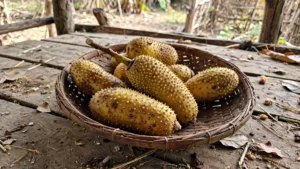
| The two main kinds | Yellow abiu, jelly-soft inside; green caimito, smaller and firmer |
| How ripe fruit looks | Yellow all over, soft when pressed gently, sweet at the stem, no green left |
| What is usually included | Bed and breakfast plus the orchard walk; tastings, cooking, and lifts are usually extra |
| Who should go | Slow travellers, food lovers, and older children who like the orchard |
| Who should think twice | Anyone wanting nightlife, fast service, or a packed daily schedule |
| Transfers | Often an hour or more from the airport; arrange the lift in advance |
| What is not guaranteed | Fruit on your dates — the crop rests on weather, season, and the tree |
Abiu has no gluten of its own, but bread and cakes come from the farm oven each morning, so ask the cook how flour is kept off your plate. Eat the fruit the day it is picked and bring jelly home instead of fresh fruit. The seeds are large and dark — scoop around them and never chew one. Pregnancy, health conditions, and small children change the trip: check the clinic distance, the last spray date, and how steep the paths are before you book.
Checklist: before you book an abiu farm escape
Check these before you pay, and once more the week before you travel.
- Fruiting: will the trees carry ripe fruit on your dates, not only be open?
- Money: what does the night cover, and what does each extra cost — walk, tasting, meals, lifts?
- Getting there: how long is the airport drive, and does the farm collect guests?
- The room: a window on the rows or the garden, shade, a fan, or cooling at night?
- The orchard: how many trees, organic or not, and when was it last sprayed?
- Other guests: reviews from travellers who went in the same season you plan.
Frequently asked questions
How many nights does an abiu escape need?
Three or four nights is enough. The first day is for settling in and tasting the fruit, the second for the orchard walk, and the third for the market and the cooking session. Longer stays suit travellers who want to slow down further. A week gives you time to learn the orchard, to cook with the host, and to wait out a rainy day without feeling the trip has slipped away.
Do you need a hire car for an abiu farm?
Usually not. Most farms collect guests from the nearest town or airport, and the stay itself is on foot. A car helps only if you want to visit other farms or markets alone. For most guests the farm pickup and the walk are enough, and the money saved on a hire car is better spent on the cooking session.
May guests gather fruit while they walk the rows?
Most farms say yes, if you walk with a guide and ask before you reach for any fruit. Some farms give guests a basket for a few fruits; others keep picking to the crew, because the fruit spoils fast and the branches break easily. Mention it when you book, and wear long sleeves — the sap is sticky.
How is abiu different from sapodilla?
They come from different trees. Abiu is yellow and round with pale jelly flesh. Sapodilla is brown and egg-shaped with sweet caramel-brown flesh. Both are scooped with a spoon, but the taste and the tree are not the same.
Can children come on an abiu farm escape?
Older children, yes — they can walk the rows and join a tasting. Small children will struggle with the heat and the slow pace, and the sap stains clothes. Bring sun cover, water, and something for the afternoon.
How do gluten-free travellers eat safely on an abiu farm?
Tell the farm when you book. Abiu on its own is gluten-free, and the rice dishes are generally safe. The risk is the morning bake: bread and cakes come out of the oven every day. Ask how the farm keeps flour away from your plate.
The bottom line
If you like slow mornings, food from the tree beside you, and a holiday set by the harvest rather than a timetable, an abiu farm escape will suit you. The fruit is sweet, the farms are small, and the best of them feed you from their own rows.
Start in Belém if you have never done this before, pick Manaus for the river, or Cairns for the sea — and whatever you choose, bring jelly home in a sealed jar. The fruit will not survive the flight; the jelly will.