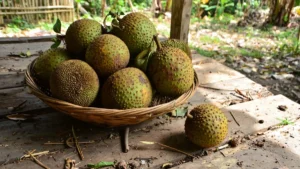
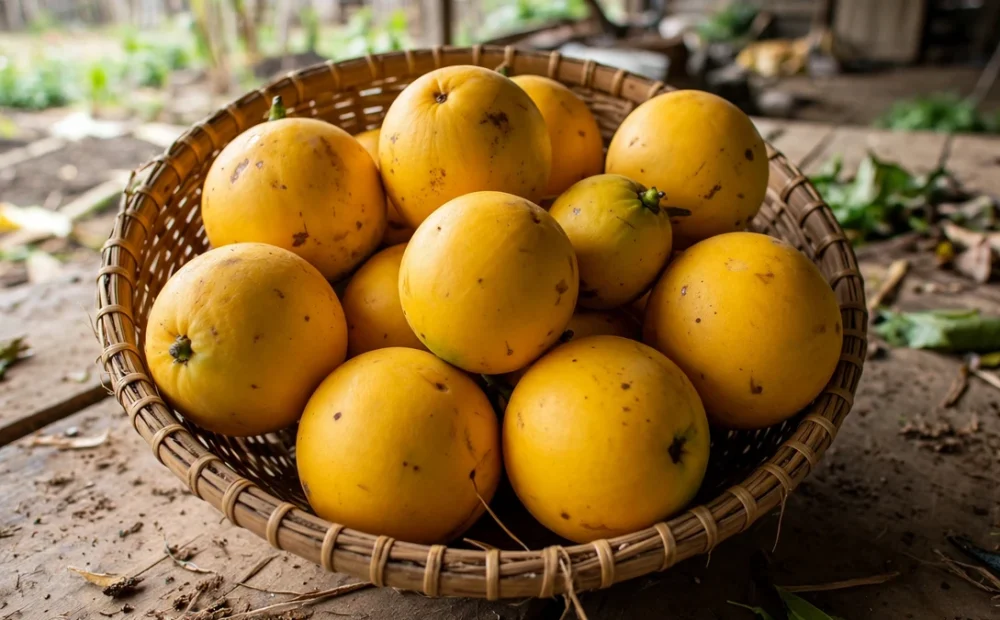
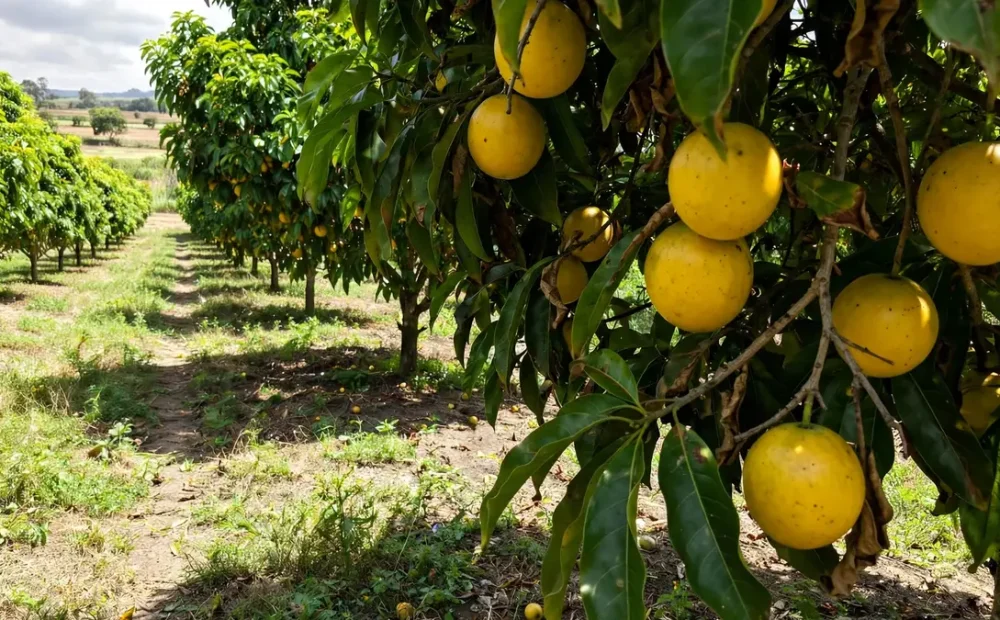
A naranjilla farm escape is a slow holiday built around a single sharp fruit. The days start with a glass of juice pressed from fruit picked an hour before, continue with a walk through spiny rows in the cool of the morning, and end with a sauce spooned over dinner that tastes of lime and pineapple at once. It is not a resort with a fruit theme; it is a working farm that happens to take guests.
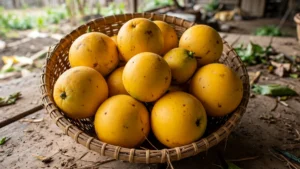
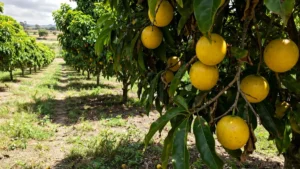
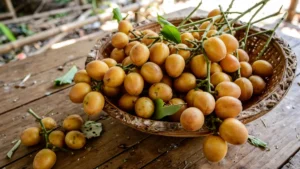
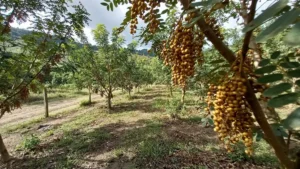
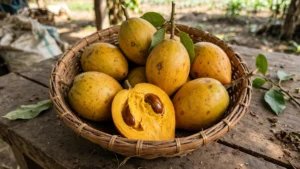
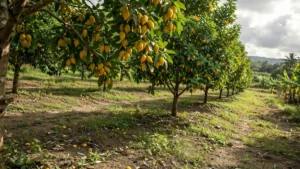
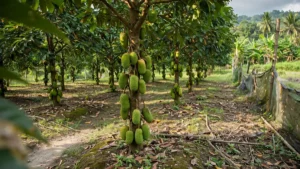
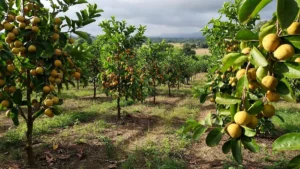
The fruit itself is the reason to go. Naranjilla grows on broad-leaved bushes in the Andean foothills, where the rain arrives most afternoons and the air stays cool. The berries ripen a few at a time, deep orange and soft, and the farm presses most of what it picks, because the fruit is too tart to eat by the handful and too delicate to travel far. The bushes carry thorns along their stems, so the picking is slow work done with gloves, and a good morning ends with a basket of orange fruit and scratched forearms, which is exactly how a naranjilla farm likes it.
This guide walks through the nine steps that make the difference between a good naranjilla trip and a wasted one, from tasting the fruit before you commit to carrying the sauce home sealed. Follow them in order, and the farm will do most of the rest.
Key takeaways
- Naranjilla is a sharp Andean fruit with orange fuzzy skin and tangy green flesh, best pressed into juice rather than eaten whole.
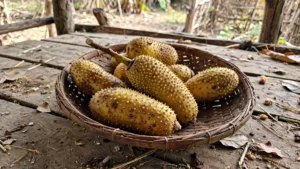
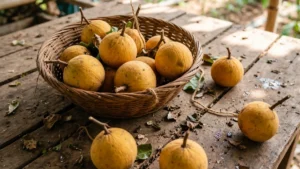
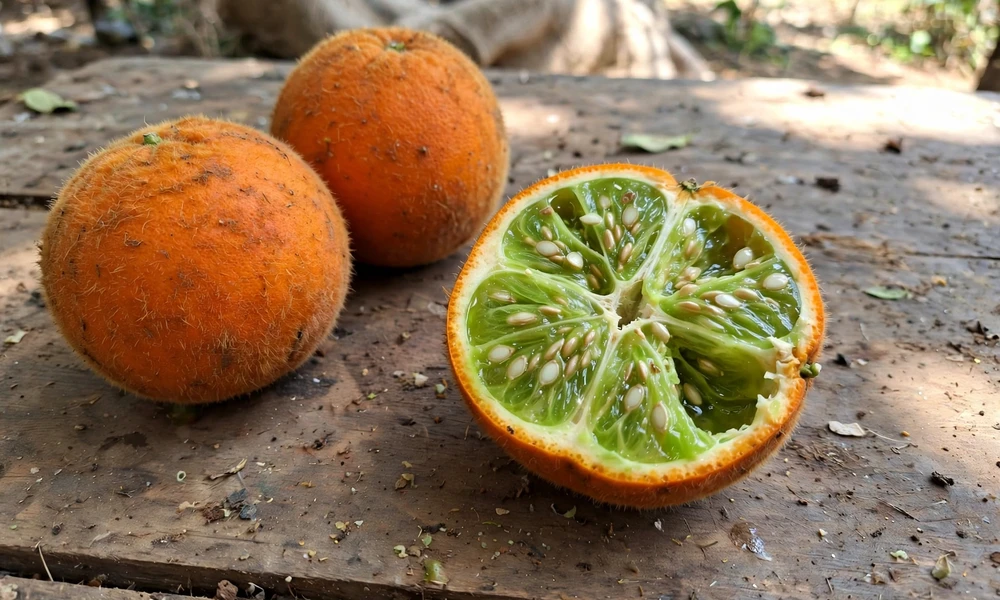
- A ripe fruit is deep orange, soft to the touch, and its fuzz rubs off easily; a pale or hard fruit is not ready.
- The harvest moves by valley, so the month you choose decides how much fruit you will actually see.
- Most stays include the farm walk and a tasting, but meals, lifts and cooking lessons are often charged on top.
- People with a wheat allergy should warn the farm in the first note, because farm kitchens bake bread each morning and flour travels easily.
What a naranjilla farm escape involves
What sets it apart from an ordinary farm stay is the one crop that runs the whole place. The fruit sets the pace: a glass of juice at breakfast, sauce over lunch, sorbet after dinner. The rooms are plain, the host works the rows, and the day bends around the picking rather than any timetable.
The stay suits travellers who like their food to come from the field beside them. It will not suit anyone looking for nightlife, quick service, or a full daily programme. Bring a book for the afternoons, because the rain arrives most days and the farm slows to a crawl while it falls. The hosts usually gather on the porch with coffee, and those unplanned hours are often the best part of the stay — the stories come out, the juice keeps coming, and nobody is in a hurry to be anywhere else. Our guide to the passion fruit farm escape makes the same point: pick the farm that cooks with its crop daily, and the trip mostly takes care of itself.
How to plan it, and what to ask first
Begin with the fruit, not the room. Find a market that sells naranjilla, taste one, and decide whether the sharpness suits you before you book anything. A farm stay built around a fruit you dislike is a long week, however pretty the valley.
Ask next what the price covers. Walking the rows, tasting the juice and learning to cook are three separate items, and some stays price each one on its own. Check whether breakfast is included in the rate, whether the garden is shared, and whether the host speaks a language you can manage in. Farms that lay out every charge plainly before you book are usually run with care.
Ask about the season last, and ask it precisely. Naranjilla fruits in flushes, and a farm that is open is not the same as a farm that is bearing. Get the harvest dates in writing, and check whether the kitchen will still be pressing juice on the week you arrive. The valleys differ more than the guidebooks suggest: one slope can be in full fruit while the next is still flowering, so the farm’s own answer matters more than any general season chart. The guava farm escape we covered earlier follows the same shape: small stays where the booking details matter more than any star rating.
The 9 steps to plan a naranjilla farm escape
Try the fruit at a market stall first
What to do: Buy a single fruit at a market, rub the fuzz off, and taste the green flesh before you book anything. What to avoid: Booking a week around a fruit you have never tasted. Best for: Travellers who have never met naranjilla before. Time needed: Thirty minutes at a market stall. Standout tip: The juice tells the truth faster than the fruit — ask the stallholder for a glass. If the stall sells both ripe and unripe fruit, buy one of each and compare them side by side; the difference teaches your tongue what to look for in the rows.
Shape your trip around the fruiting weeks
What to do: Ask the farm which weeks the bushes will be bearing, and book your flights around that answer. What to avoid: Booking cheap flights first and hoping the fruit keeps. Best for: Travellers tied to fixed holiday dates. Time needed: One afternoon of emails with the farm. Standout tip: After the rains is when the fruit runs sweetest, so ask when the last heavy rain fell.
Pick the farm for its morning juice
What to do: Pick the farm whose kitchen presses daily, even if its rooms are plain. What to avoid: Choosing the prettiest terrace and finding the juice comes from a carton. Best for: Food lovers who came for the fruit. Time needed: An evening reading guest reviews about the table. Standout tip: A farm that serves its own juice at breakfast is a farm that grows its own fruit. Read the reviews for mentions of the table rather than the terrace: guests remember the juice long after they forget the view.
Check whether guests get a basket of their own
What to do: Ask the farm plainly whether guests can pick, and what the picking involves. What to avoid: Assuming the rows are open to everyone who stays. Best for: Travellers who want to work the harvest with their own hands. Time needed: Five minutes in your first message to the farm. Standout tip: Some farms hand guests a basket and gloves; others keep the picking to the crew, so ask before you arrive.
Book a room that wakes up to the rows
What to do: Ask for the room with the window facing the rows, and check whether it has shade. What to avoid: Taking the last room going and waking to a plain wall. Best for: Travellers who want rows beyond their window. Time needed: Ten minutes when you book. Standout tip: The morning light on the rows is the best hour of the day, so ask which side the sun rises on. A room that faces the rows also lets you see when the picking starts, so you will not miss the walk.
Email the farm about wheat when you first write
What to do: Tell the farm about any wheat allergy in the very first message, before you pay. What to avoid: Mentioning it at the table on the first morning. Best for: Travellers with a wheat or gluten allergy. Time needed: Two lines in your booking email. Standout tip: Ask how the kitchen keeps flour away from the juice and the sauces, not just the bread.
Wear sleeves and boots for the rows
What to do: Pack sleeves that cover your arms, boots that take mud, and a hat for the midday sun. What to avoid: Walking the rows in shorts and sandals. Best for: Anyone planning to pick. Time needed: Half an hour the night before you travel. Standout tip: The thorns are sharp and the rain comes fast, so a light waterproof layer earns its place in the bag. Gloves matter more than you think: the stems carry fine spines that sting through thin fabric.
Walk the morning stalls with the cook
What to do: Go with the cook to the morning market and watch what goes into the day’s cooking. What to avoid: Sleeping through the market and eating whatever appears. Best for: Travellers who want the kitchen as much as the picking rows. Time needed: Two hours on one morning. Standout tip: The cook buys by smell and by hand, so ask what to look for in a ripe fruit while you walk.
Take sauce jars home and leave the fruit
What to do: Buy sealed jars of sauce at the farm shop for the journey home. What to avoid: Carrying fresh fruit that bruises in the bag and sours by the airport. Best for: Travellers who want the flavour to follow them home. Time needed: Half an hour at the farm shop counter. Standout tip: Ask the farm to seal the jars while you watch, and pack them in the middle of your case. Wrap each jar in a sock or a shirt so the glass cannot knock against anything hard on the journey home.
Picking the right season and region
For the longest season, go to Quito or Medellín, where the bushes bear for much of the year and the farms are used to guests. For the sharpest fruit, pick Pasto or Cajamarca, where the cool air and volcanic soil keep the juice tart. For a short, bright trip, choose Madeira or Tenerife, where the island farms pick while the mainland farms rest.
The island farms deserve a second look even for a first trip. Their seasons run opposite to the mainland, so a traveller who missed the Andean fruiting can still catch a harvest in Madeira or Tenerife, and the smaller farms there often have more time for each guest. The trade-off is the journey: the island roads are steep, the farms are small, and the best rooms go months ahead, so book the island stay first and fit the mainland around it. One more thing to weigh is the altitude. The mainland farms sit high, and the first day at height can leave you breathless on the paths, so plan a slow first morning and drink more water than you think you need.
For a first trip, Quito is the simplest choice: the farm is used to guests, the season is generous, and the kitchen presses juice every day. If you have more time, add a second valley rather than a second week in the same place — the juice changes valley by valley, and tasting the difference is half the point of going. Pack a small notebook for the farms you visit, because the hosts will tell you things no guidebook prints: which slope fruits first, which cook makes the sharpest sauce, and when the rain usually arrives. Our guide to the tamarillo farm escape makes the same point: pick the farm that cooks with its crop daily, and the trip mostly takes care of itself.
The caveats that matter
Naranjilla farm escapes are lovely, but not for everyone. The fruit follows the seasons, the farms lie far from town, and the honest stays say plainly what is ripening and what is not.
| Detail | What is known |
|---|---|
| Best time to visit | The fruiting months, when the bushes carry fruit; the window moves by valley |
| How the fruit grows | On soft, broad-leaved bushes in cool valleys, ripening a few fruits at a time |
| How ripe fruit looks | Deep orange all over and soft, the fuzz rubbing off easily, green flesh inside |
| What is usually included | Room and breakfast plus a row walk or tasting; cooking lessons and lifts often cost extra |
| Who should go | Slow travellers, food lovers and families with older children |
| Who should think twice | Anyone chasing nightlife, quick service, or a full daily programme |
| Transfers | Usually an hour or more from the closest airport, so book the lift before you arrive |
| What is not guaranteed | Fruit on your dates — the crop leans on weather, season and the bush’s own rhythm |
Naranjilla carries no gluten itself, yet the farm kitchen bakes bread each morning, so find out how it keeps flour away from your plate. The fruit is tart and best pressed, so drink the juice the day it is made and bring sauce home instead of fresh fruit. The juice itself keeps only a day once pressed, which is why the farms freeze it or cook it down into sauce — a jar of sauce will travel home in a suitcase, while a bottle of fresh juice will not survive the flight. Before you book, look at the practical side if you have a health condition, are expecting, or travel with small children: where the nearest clinic sits, when the farm last sprayed, and whether the paths suit little feet.
Checklist: before you book a naranjilla farm escape
Run through these checks before you pay, then once more in the week before you travel.
- Check the crop: ask whether the bushes will carry fruit on your dates, not only whether the farm is open.
- Check the extras: row walk, tasting, meals and lifts, and which ones cost more.
- Check the drive: how long is the airport run, and does the farm send a car?
- Check the windows: which way does the room face, rows or garden, and is there shade, a fan, or air conditioning?
- Check the sprays: ask about the size of the field, whether it is organic, and when it was last sprayed.
- Check past guests: look for travellers who came in the same season as your planned trip.
Frequently asked questions
When does naranjilla fruit?
It depends on the valley. Quito and Medellín bushes bear for much of the year, with the sharpest fruit after the rains. Cusco and Cajamarca have a shorter window, and the island farms fruit while the mainland farms rest.
What flavour does naranjilla have?
Sharp and fragrant together, the green flesh tasting of lime and pineapple. Ripe fruit is deep orange and soft; unripe fruit is pale, firm and sour. The best are juiced on the morning they were picked.
Can guests pick their own naranjilla?
Yes, at most farms, with a guide beside you and permission asked first. Some farms give guests a basket for a few fruits, while others leave the picking to the crew because the bushes are spiny and easy to damage. Flag it when you book, and wear long sleeves, because the thorns are sharp.
Who should be careful eating naranjilla?
Mostly. The fruit suits most people, but the sharp juice can upset a sensitive stomach, and anyone with a nightshade allergy should warn the farm before booking. Wash the fruit before you eat it, and keep portions small if your stomach is delicate.
Which naranjilla farm suits a first visit?
Quito, for the simplest journey and the longest season. The farm is used to guests, the fruit comes for much of the year, and the kitchen cooks with it at every meal.
What does a gluten-free traveller need to ask?
Yes, so long as you flag it when you book. The fruit has no gluten in itself, and the rice dishes are usually safe. The trouble is the morning bread, so ask the farm how it keeps flour off your plate.
The bottom line
A naranjilla farm escape suits travellers who like food that comes from the bush beside them, and who are content to let the picking set the day. The fruit is sharp, the season is generous, and the best stays pick it, press it fresh, and cook the rest into sauces without fuss.
Pick the region by what you want most: the misty valleys of Quito, the high air of Cusco, or the green hills of Tenerife — and bring the sauce home sealed, not the fruit itself. A jar of it will outlast any photograph.