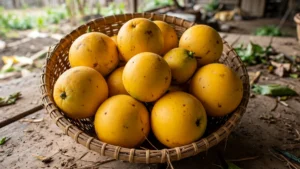
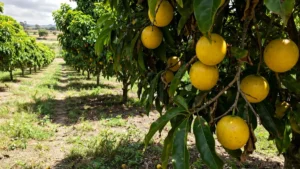
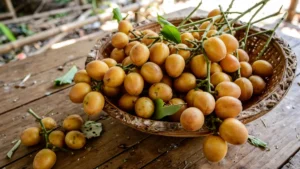
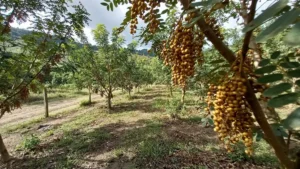
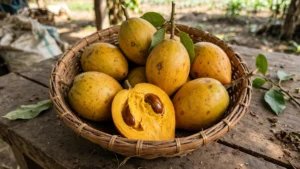
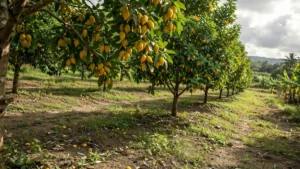
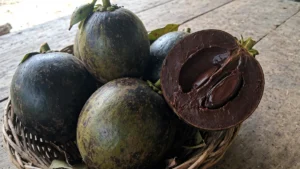
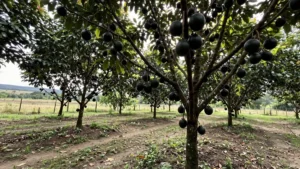
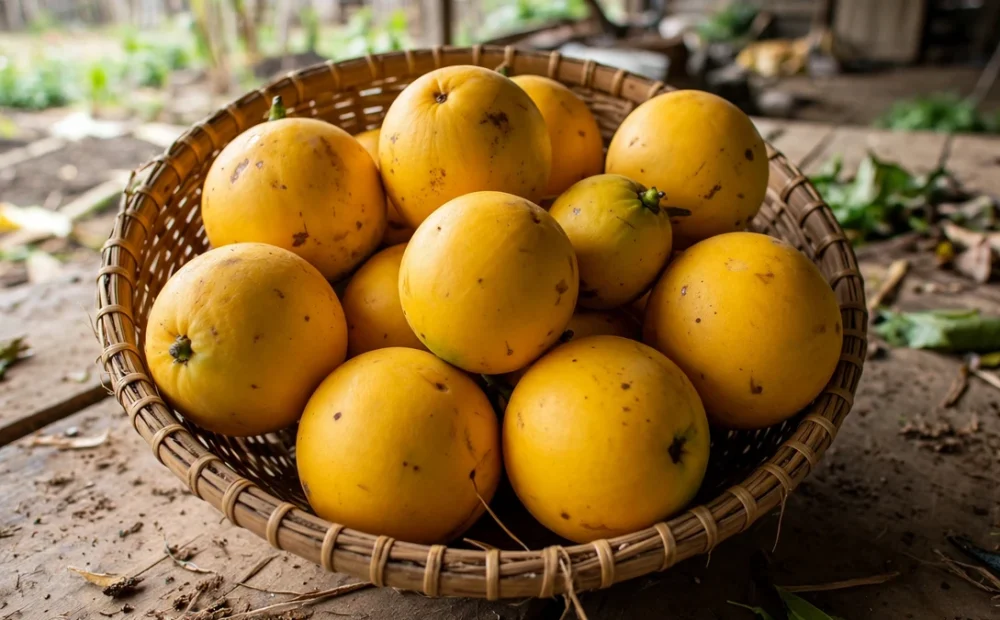
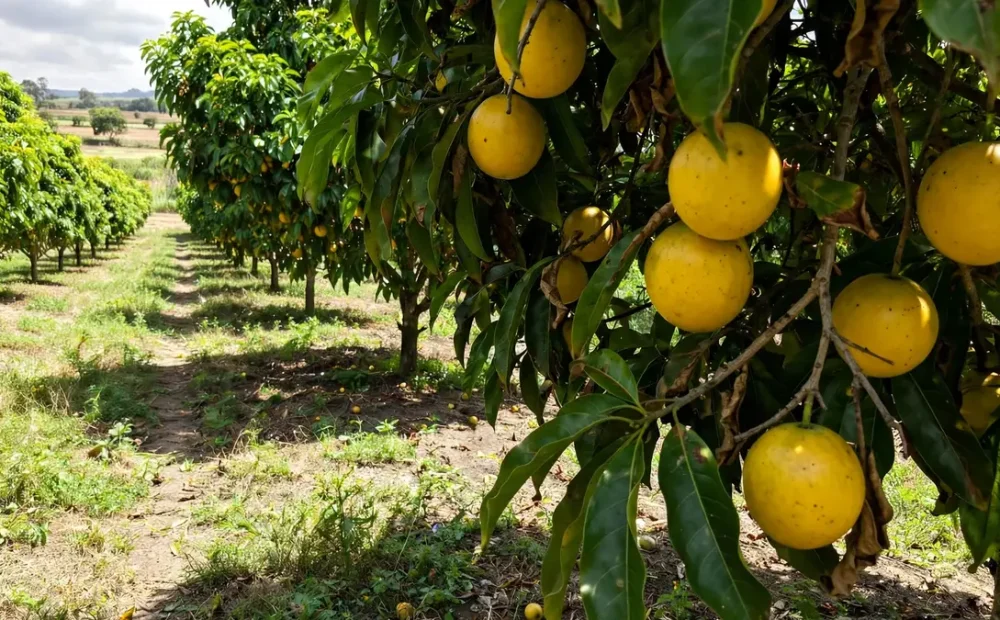
A sapodilla farm escape is a short trip arranged around one fruit. The trees stand tall, the fruit is brown and sweet, and the finest days begin ahead of the heat, with a basket in hand and a host who knows which branches ripened overnight. Plan it properly and the fruit does most of the work for you.
The planning counts for more than the packing. Sapodillas ripen in flushes, bruise if you handle them roughly, and move from hard to overripe within a couple of days, so the dates you choose decide whether you taste the fruit at its best or watch it fall. Get the timing right and the rest follows naturally.
Here is a nine-step plan for a sapodilla farm escape in 2027, from fixing your season to carrying the jam home. Every step covers what to do, what to steer clear of, and how long it takes, so nothing is left to guesswork on the day.
Key takeaways
- Fix the season ahead of the region, because the fruiting window shifts by country and the trees will not wait for your holiday dates.
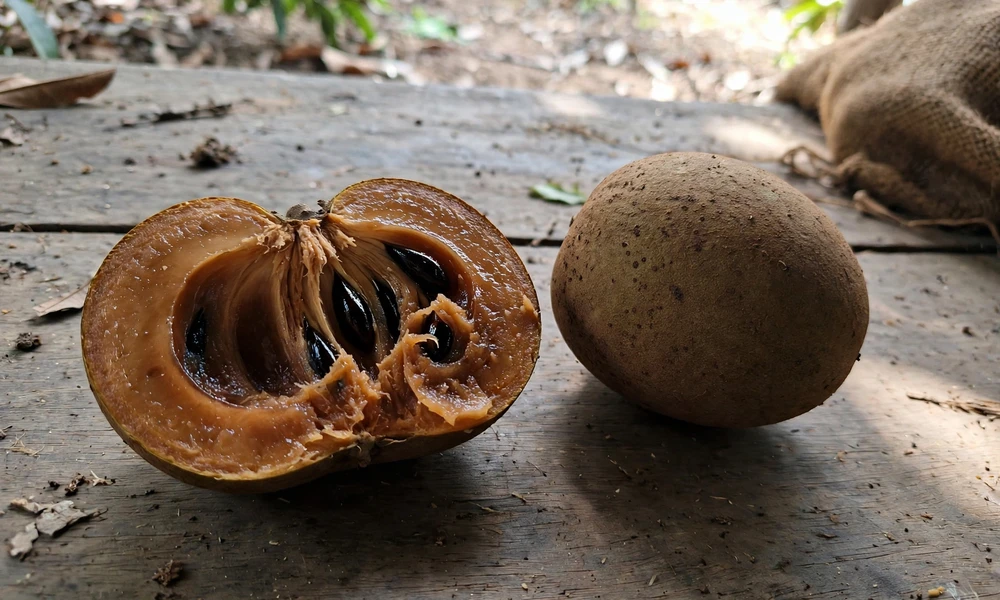
- Ripe sapodilla yields a little under a gentle press and smells sweet at the stem; hard, scentless fruit is not ready, and unripe fruit is full of sticky latex.
- Ask the farm in writing whether the trees will be bearing on your dates, what meals cost, and how the kitchen deals with wheat.
- A grove walk and a tasting generally come with the room, while transfers, cooking sessions, and extra meals are frequently charged on top.
- Travellers with a wheat allergy should tell the farm before paying, since farm kitchens bake bread every morning and flour gets everywhere.
What a sapodilla farm escape actually is
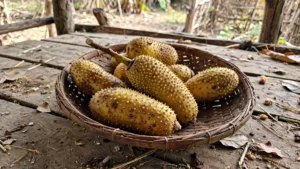
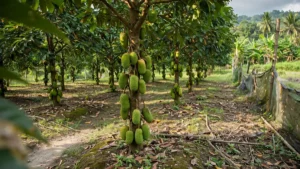
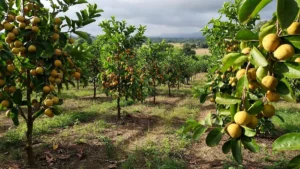
A sapodilla farm escape is a few nights spent beside a grove where the fruit is the whole point of the trip. The trees grow tall, the fruit ripens in small batches, and the farm’s day is organised around which branches are ready. Guests gather the fruit by hand, and most of what is picked ends up on the farm’s own table.
What makes it different from an ordinary countryside break is that one crop shapes everything: breakfast smoothies, afternoon ice cream, evening jam. Accommodation is usually unshowy, the host is usually out among the trees at dawn, and the schedule bends to the harvest instead of the other way round.
Work out the inclusions before you pay anything. A few of these places are working farms with plain bedrooms and a host who checks the trees each morning; others are easy guesthouses tucked inside a grove, where the farm work is mostly out of sight. Both can be delightful, but they are not the same holiday, and the nightly charge normally gives the game away. Our guide to planning a persimmon farm escape says the same thing: put the inclusions in writing before the photographs talk you into anything.
How to plan it, and what to ask first
We chose escapes where the sapodilla trees are the real crop, not decoration. A worthwhile one grows its own fruit, builds a grove walk or tasting into the stay, and tells you plainly which months have nothing fruiting.
Begin with the calendar. Sapodillas come in flushes through the warm months, and the peak moves from one country to the next. Mexico and Central America gather from the long dry season into the rains; Florida’s window is late spring into early summer; Queensland’s comes while the northern farms rest.
Then pin down the price. A grove walk, a tasting, and a cooking session are separate items, and some stays bill each one on its own. Ask whether breakfast is in the room rate, whether the garden is shared, and whether the host speaks a language you can get by in. A farm that spells out every charge ahead of booking is usually run with care. The guide to planning a quince farm escape we covered before runs on the same logic: modest stays where the booking detail counts for more than any star rating.
The 9 steps to planning a sapodilla farm escape
Work through the steps in order: the season and the region come first, the room and the allergy note come next, and the packing and the kitchen come last. Each step is short on its own, and together they cover the whole trip, from the first email to the jars you carry home.
Step 1: Set the fruiting month first, before the farm
What to do: Set your travel month around the fruiting window, not around the airfare. Sapodillas ripen in flushes, and a week either side of the peak can mean the difference between baskets of ripe fruit and bare branches.
What to avoid: Choosing a farm because the photographs look green, without asking whether the trees bear on your dates. Best for: Travellers who want the fruit at its sweetest. Time needed: Half an hour with the farm’s fruiting calendar. Standout tip: Ask for the dates the last crop finished, not only when the next one begins.
Step 2: Let your travel month choose the region
What to do: Line your month up with the region that is bearing then. Yucatán and Guatemala fruit through the long dry season, Florida in late spring, and Queensland while the north is quiet.
What to avoid: Picking a region for its beach or its town, then finding the grove empty on arrival. Best for: Travellers who plan around the harvest. Time needed: An hour weighing regions against your dates. Standout tip: A region in full fruit beats a prettier region out of season every time.
Step 3: Ask the farm to confirm fruit on your dates
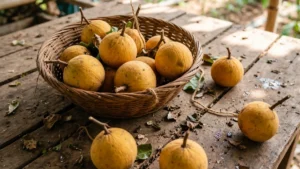
What to do: Write to the farm and ask if the trees will be bearing on your precise dates, and how much fruit they expect. Ripe sapodilla yields under a gentle press and smells sweet at the stem, and the host can show you the difference between a fruit that is ready today and one that needs another week on the branch.
What to avoid: Treating a website’s “fruiting season” as a promise; seasons move with the weather. Best for: Travellers who want to eat the fruit, not only see the trees. Time needed: One email, plus a day for the reply. Standout tip: Ask the farm to name the week the pulp turns ready, in writing.
Step 4: Ask if you can pick fruit with the crew
What to do: Ask the farm whether you may gather fruit yourself, and whether a guide walks with you. Some farms hand guests a basket; others leave the picking to the crew because the trees are tall and the fruit bruises at a touch.
What to avoid: Climbing a tree or pulling fruit without asking; the branches are brittle and the sap stains. Best for: Travellers keen to get their hands in the harvest. Time needed: Ten minutes in the booking email. Standout tip: If gathering is open, wear old clothes — the latex sap does not wash out.
Step 5: Wake up facing the sapodilla trees
What to do: Request a room with a window on the trees, so you wake to the grove and know when the picking starts. The morning walk begins early, and a grove-facing room puts you a few steps from it.
What to avoid: Taking the last room going and spending your mornings facing a plain brick wall. Best for: Early risers who like the grove at first light. Time needed: Five minutes while you book. Standout tip: Ask which side the sun rises on, and whether the room has shade or a fan.
Step 6: Write about wheat before you write about dates
What to do: Mention the wheat allergy in your opening message to the farm, ahead of any payment. The fruit carries no gluten, but the kitchen bakes bread every morning and flour gets everywhere.
What to avoid: Raising it at the table on the first night, when the bread is already baked. Best for: Travellers living with a wheat allergy or coeliac disease. Time needed: Five minutes in the first email. Standout tip: Ask how the farm keeps flour off your plate, and ask for the answer in writing.
Step 7: Dress for the grove floor, not the dining room
What to do: Bring light clothes you can wash, closed shoes for the grove floor, a hat, and a bag for fruit. The sun is strong by midday and the paths turn dusty after a dry week.
What to avoid: Packing white clothes or good shoes; the latex sap stains and the grove floor is uneven. Best for: Travellers who pack light and sensibly. Time needed: An evening of packing before you travel. Standout tip: A small cloth bag beats a hard case for carrying fruit back to the room.
Step 8: Learn the fruit in the farm kitchen
What to do: Spend a morning with the cook and learn how the farm turns ripe sapodillas into smoothies, ice cream, and jam. The fruit is at its best on the day it is gathered, and the kitchen knows how to use it — which fruit to blend, which to bake, and which to leave for jam.
What to avoid: Skipping the cooking session to lie by the pool; the kitchen is where the fruit’s flavour shows itself. Best for: Food lovers keen to cook as well as pick. Time needed: Three hours on a free morning. Standout tip: Ask the cook which fruit goes into the ice cream and which into the jam — they are picked at different ripeness.
Step 9: Bring the jam home in sealed jars
What to do: Buy sealed jars of the farm’s jam or dried fruit for the journey home. Fresh sapodillas bruise quickly and ripen within a day or two, so they rarely survive the trip.
What to avoid: Packing soft fruit in your case; it will leak, stain, and arrive as pulp. Best for: Travellers who want a taste of the farm at home. Time needed: Allow thirty minutes for the farm shop. Standout tip: Ask the farm to mark the jars with the picking date — the newest batch keeps longest.
Which sapodilla region fits your trip
If tradition is what you want, Yucatán or Guatemala are the obvious picks: the trees there are a working crop, and the basket reaches the table at every meal. If wildness matters more, Belize puts the farm in green foothills beside cacao. If flavour is the priority, Kerala’s strong sun and heavy harvest are hard to beat.
First-timers should start with Yucatán: the farm knows how to look after guests, the season runs long, the roads are straightforward, and the kitchen cooks with the fruit daily, so there is little to go wrong. Our guide to planning a carambola farm escape makes the same point in different words: a farm that cooks with its crop every day mostly looks after the rest of the trip itself.
The caveats that matter
Sapodilla farm escapes are lovely, yet they suit some travellers better than others. The fruit runs to the seasons, the farms sit a long way from town, and the honest stays say what is ripening and what is not.
| Detail | What is known |
|---|---|
| Best time to visit | Warm months when the trees are in fruit; the exact window changes by country |
| The two main kinds | Seedlings give fruit that differs from tree to tree; grafted stock gives even ripening and the same flavour year after year |
| How ripe fruit looks | Even brown skin, soft under a light press, sweet at the stem, and free of hard patches |
| What is usually included | Bed and breakfast with a grove walk or tasting; cooking lessons and lifts are often billed separately |
| Who should go | Unhurried travellers, keen eaters, and families with older children |
| Who should think twice | Anyone looking for nightlife, fast service, or a packed daily schedule |
| Transfers | Mostly an hour or more from the closest airport; sort the lift out before arrival |
| What is not guaranteed | Fruit while you are there; the harvest leans on weather, season, and the tree itself |
The fruit itself has no gluten, but the farm kitchen bakes bread each morning, so ask how it keeps flour away from your plate. Sapodillas are soft and mark easily, so eat them the day they are gathered and take jam home rather than fresh fruit. Before you book, think through the practical questions if you have a health condition, are expecting, or travel with small children: the nearest clinic, the last spraying date, and whether little feet can manage the paths.
Checklist: planning a sapodilla farm escape honestly
Work through these checks before you pay, then again in the week before you travel.
- Confirm the fruiting: ask whether the trees will be in fruit on your dates, not just whether the farm is open.
- Confirm the inclusions: walk, tasting, meals, and lifts, and which of them cost extra.
- Confirm the distance: the length of the airport drive, and whether the farm sends a car.
- Confirm the bedroom: the direction the window faces, grove or garden, and whether there is shade, a fan, or air conditioning.
- Confirm the growing: the size of the grove, whether it is organic, and the last spraying date.
- Confirm recent reviews: find guests who travelled in the same season you are planning.
Frequently asked questions
When should I book a sapodilla farm escape?
Book at least two months ahead of the fruiting window in your chosen region. In Mexico and Central America, the trees bear from the long dry season into the rains. Florida’s window runs from late spring into early summer, and Queensland’s fruit comes while the northern farms are quiet.
How do I know a sapodilla is ripe?
Press it gently and smell the stem. Ripe fruit gives a little under your thumb and smells sweet; hard fruit with no scent is not ready. Never eat a fruit the host has not said is ripe — unripe sapodillas are full of sticky latex and taste astringent.
Can children join the picking?
Yes, at most farms, provided they walk with a guide and stay on the paths. The trees are tall and the fruit bruises at a touch, so children pick from low branches or gather fallen fruit. Say so when you book, and dress them in old clothes, because the sap stains.
Is sapodilla safe for everyone to eat?
For most people, yes. Ripe sapodilla is gentle on the stomach, but the latex in unripe fruit can unsettle it, and a latex allergy is worth mentioning to the farm before you book. Only eat fruit the host confirms as ripe, and eat modest amounts if your digestion is delicate.
Where is the best place for a first sapodilla trip?
Start with Yucatán: the journey is the simplest, the season is the longest, and the farm is used to looking after newcomers. The fruit is on the table for much of the year, and the kitchen serves it at every meal.
How do I handle a wheat allergy on a sapodilla farm?
Raise it at booking time. The fruit has no gluten in itself, and the rice dishes are normally fine. The hazard is the bread baked each morning, so ask the farm what it does to keep flour off your plate.
The bottom line
A sapodilla farm escape fits travellers who enjoy food that comes from the tree next to them, and who are happy for the ripening to set the day’s pace. The fruit is sweet, the season is kind, and the best stays gather it, serve it fresh, and turn what is left into ice cream without making a fuss of it.
Let the fruiting window decide the dates, the window decide the region, and the region decide the room — then bring the jam home sealed, not the fruit. A jar keeps far longer than any photograph.