Quince is a fruit that punishes impatience. Pick it green and it stays sour. Bite it raw and it puckers your mouth. But give it time, and it turns rosy, fragrant and sweet, unlike any other fruit you have eaten. A quince farm escape is a holiday built around that slow transformation.
The mistake most people make is treating a quince farm like any other countryside stay. They book a pretty house in July, arrive to find green fruit and a closed kitchen, and leave wondering what the fuss was about. The farms are at their best for about six weeks a year, when the fruit is ripe and the kitchens run all day.
This guide walks you through the nine steps that make a quince farm escape work, from tasting the fruit at home before you book to packing jars of paste for the flight home. It is written for travellers who like to cook and enjoy slow mornings.
Key takeaways
- Quince ripens once a year, in autumn, and the best escapes are built around a picking week in late September to early November.
- Taste quince cooked, as jam, jelly or paste, before you book, so you know what the fruit becomes.
- Choose a region by its quince cooking: Turkey and Greece for orchards, Spain and Portugal for paste, France and Italy for preserves.
- Tell the farm about gluten-free needs before you pay, because farm kitchens share counters and ovens with bread and flour.
- Fresh quince is heavy and bruises easily, so bring home jars of jam or paste instead of the fruit itself.
What a quince farm escape involves
A quince farm escape is a short stay on a working orchard, usually two to five nights, built around the harvest and the kitchen. The days follow the farm’s rhythm: up early for the picking, in the kitchen by midday, at a long table for dinner. The quince appears in every course, and turning it from hard yellow fruit into jam, jelly or paste is the main event.
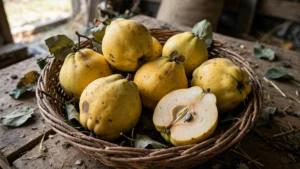
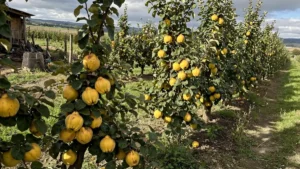
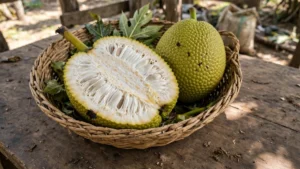
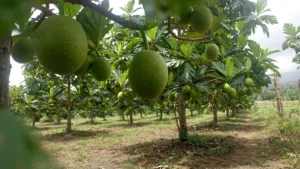
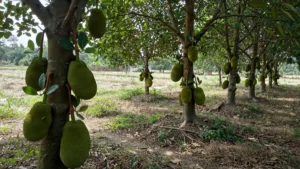
The fruit itself sets the terms. Quince trees are low and slow growing, and the fruit hangs heavy in autumn, covered in a fine grey down that rubs off when it ripens. A ripe quince is deep yellow and fragrant at the stem. The farms grow eighty to four hundred trees, and the harvest is their busiest fortnight.
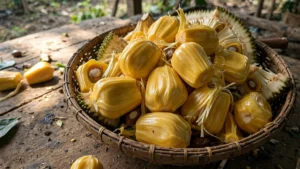
The cooking is where the escape earns its keep. Quince must be peeled, cored, sliced and simmered for an hour or more before it softens and turns rosy. The farms keep that work open: you stand at the counter, stir the pot, and learn to judge when the jam is ready. You leave with jars and a recipe that works at home.
How to plan it, and what to ask first
Start with the fruit, not the flight. Before you look at rooms or prices, find out when the farm picks its quince, because the harvest is a six-week window and the best weeks book out first. Ask the farm for its picking dates, and treat them as fixed. Flights, rooms and transfers should be arranged around them.

Then check the kitchen. Quince itself is naturally gluten-free, but a farm kitchen bakes bread, rolls pastry and thickens sauces in the same space, so gluten-free guests need to ask how the farm separates its cooking. Ask how the gluten-free food is kept separate, and what breakfast looks like for you.
Finally, check what the rate covers. Some farms include cooking classes and tastings in the nightly price, and others charge for them separately. Some include dinner every night, and others twice a week. Ask for the full list before you pay. For a sense of how the same planning works with a different autumn fruit, our guide on how to plan a persimmon farm escape in 2027 follows the same harvest-first logic.
The 9 steps to plan a quince farm escape
Start with a spoonful of quince jam at home
Before you spend money on flights and rooms, spend a few pounds on a jar. Buy quince jam or a slab of membrillo from a deli, and eat it with cheese and bread. You will learn more from one spoonful than from any number of photographs.
What to do: Buy a jam and a paste, and taste them side by side with a mild cheese. What to avoid: Do not judge quince by a raw fruit from a market stall, which will be hard, sour and misleading. Best for: Anyone who has never eaten quince before. Time needed: An evening at home. Standout tip: The paste should be dense enough to slice.
Wait for the farm’s harvest dates before booking
The quince harvest runs from late September to early November, and the picking week is the heart of the escape. Book flights first and you will find the best weeks already full.
What to do: Email the farm and ask for its exact picking dates, then book flights the same week. What to avoid: Do not book a non-refundable flight before the farm confirms its harvest dates. Best for: Travellers with flexible dates who can move a trip by a week. Time needed: A day of emails before you commit to anything. Standout tip: The middle of the picking week is better than the first day.
Follow the quince dishes to the right region
Every quince region cooks the fruit differently, and the cooking should decide where you go. Turkey and Greece keep the oldest orchards and simplest methods. Spain and Portugal make dense paste and marmalade. France and Italy turn it into preserves and spiced mostarda.
What to do: Read the farm’s menu or recipe list before you choose, and pick the one whose cooking excites you. What to avoid: Do not choose a region for its scenery, because a beautiful view does not teach you to make membrillo. Best for: Cooks who want to learn one quince dish properly. Time needed: An afternoon comparing farm menus online. Standout tip: Ask the farm which dish it is proudest of.
Check whether guests can help with the harvest
A real quince farm escape lets you into the work: you pick in the morning, peel and stir in the kitchen, and eat what you made. Some farms keep guests on the terrace with a glass of wine while the staff do the work, and that is a hotel with an orchard view.
What to do: Ask the farm how many hours a day guests spend in the orchard and the kitchen. What to avoid: Do not accept “guests are welcome to watch”, which usually means you will be watching. Best for: Travellers who want to work with their hands. Time needed: One email, and a straight answer in return. Standout tip: A farm that hands you gloves and a basket on arrival means it.
Give the farm your gluten-free notes ahead of paying
Quince is naturally gluten-free, but the farm kitchen is not. Bread is baked in the same oven, pastry rolled on the same counter, sauces thickened with flour. A farm that knows your needs in advance can plan separate counters and a safe breakfast. A farm that learns at check-in cannot.
What to do: Put your gluten-free needs in your first message to the farm, and ask how the kitchen separates its work. What to avoid: Do not assume a farm that serves gluten-free jam has a gluten-free kitchen, because the jam is safe and the breakfast may not be. Best for: Coeliac guests and anyone who eats gluten-free. Time needed: Ten minutes to write one clear message. Standout tip: Ask what breakfast looks like for a gluten-free guest.
Bring old work clothes and a pair of garden gloves
Picking quince is not clean work. The fruit is covered in a fine down that gets on your hands and sleeves, the branches are low and scratchy, and the juice stains anything it touches. The farms provide baskets, not clothes, and the guests who enjoy the harvest most arrive dressed for it.
What to do: Pack long sleeves, trousers you do not mind staining, closed shoes and a pair of garden gloves. What to avoid: Do not wear white or linen, because quince juice does not wash out easily. Best for: Anyone planning to spend a morning in the orchard. Time needed: Ten minutes of packing before you leave home. Standout tip: Gloves matter: quince branches are rougher than they look.
Go to the dawn market beside the farm cook
The best meal of a quince farm escape is often not on the farm at all. It is at the village market, where the cook buys cheese, bread and vegetables, and the stalls sell whatever the season has brought in. Going along turns a shopping trip into a lesson in the region’s food.
What to do: Ask the cook which morning it goes to market, and go along with a basket and an appetite. What to avoid: Do not sleep through the market morning, because the stalls close by midday and the lesson goes with them. Best for: Food lovers who want to see the region’s larder. Time needed: A morning at the market. Standout tip: Buy the cheese the cook buys, not the tourist stall’s.
Practise spotting a ripe quince by its yellow skin
A ripe quince is easy to recognise once you know what to look for. The fruit turns from green to deep yellow, the grey down on its skin rubs away, and the stem end smells fragrant. The farms will show you on your first morning, but a little practice beforehand makes the picking faster.
What to do: Look at photographs of ripe and unripe quince side by side, and learn the colour and the scent. What to avoid: Do not pick by size alone: a large green quince is still unripe and will never sweeten off the tree. Best for: First-time pickers who want to be useful on day one. Time needed: Half an hour of reading before you travel. Standout tip: Rub the down off one fruit and smell the stem.
Take paste jars home and skip the fresh fruit
Fresh quince is a poor traveller: heavy, easily bruised, and restricted at some borders. Jars of jam, jelly and paste are a different story: they keep for months, wrap easily, and carry the farm’s flavour home far better than a battered fruit.
What to do: Leave room in your case for four to six jars, wrapped in clothes, and buy them from the farm shop. What to avoid: Do not pack fresh quince, because it will bruise, leak and may be confiscated at customs. Best for: Travellers who want the farm’s flavour at home. Time needed: Twenty minutes at the farm shop on your last morning. Standout tip: Ask the farm to label the jars with the picking date.
Picking the right season and region
The season is the decision that matters most. Quince ripens in autumn, and the picking window runs from late September to early November, with October as the peak month. A farm visited in that window is a working harvest: the trees are heavy, the kitchen runs all day, and the meals are built around the fruit. A farm visited in July is a pleasant stay with green fruit and stored jars, and no picking to join.
Once the season is set, the region follows the cooking. Turkey and Greece suit travellers who want old orchards and simple methods. Spain and Portugal suit cooks who want paste and marmalade to take home. France and Italy suit food lovers who want preserves and mostarda. A similar season-first logic applies to the guide to planning a longan farm escape in 2027, where the drying season sets the calendar.
| Detail | What is known |
|---|---|
| Best picking window | Late September to early November; October in California |
| How long to stay | Two to five nights, with two full days in the orchard and kitchen |
| What to taste first | Quince jam and paste at home, before you book |
| Region by cooking | Turkey and Greece for old orchards; Spain and Portugal for paste; France and Italy for preserves |
| Gluten-free step | Tell the farm before you pay, and ask how the kitchen separates its cooking |
| What to pack | Old work clothes, garden gloves, closed shoes and a case with room for jars |
| What to bring home | Jars of jam, jelly or paste; fresh quince bruises and is restricted at borders |
| Biggest mistake | Booking flights before the farm confirms its picking dates |
The caveats that matter
The first caveat is the raw fruit. Quince is hard, sour and astringent until it is cooked, and a first-time visitor who bites into one will remember the mistake. The pleasure comes after an hour in the pot, not from the tree.
The second caveat is the kitchen’s shared space. Quince contains no gluten, but the farm kitchen bakes bread, rolls pastry and thickens sauces with flour on the same counters. Gluten-free guests who tell the farm in advance will be looked after properly. Guests who mention it at check-in will get a sympathetic shrug and a breakfast of fruit and yoghurt.
The third caveat is the calendar. The harvest lasts about six weeks, and the farms are at their best inside it. Book outside it and you will find a pleasant house and jars from last year’s harvest, but no picking and no kitchen programme. That is a fine holiday, but it is not a quince farm escape.
Checklist: before you book a quince farm escape
- Taste quince jam or paste at home before you commit.
- Get the farm’s picking dates in writing, and book flights around them.
- Ask whether guests join the picking and the cooking, not only watch.
- Send your gluten-free needs to the farm before you pay, and ask how the kitchen separates its work.
- Check what the nightly rate includes, because classes and tastings are sometimes extra.
- Pack old work clothes, garden gloves and a case with room for jars.
Frequently asked questions
When is the best time to visit a quince farm?
October, in most of the Mediterranean. The harvest runs from late September to early November, and the middle of that window is when the fruit is ripest and the kitchens are busiest.
Do I need cooking experience to enjoy a quince farm escape?
No. The farms teach as they go, and the work is simple: peeling, coring, slicing and stirring. You need only patience and a willingness to stand at a stove for an hour.
Can coeliac guests eat safely at a quince farm?
Quince itself is naturally gluten-free, and most quince jams, jellies and pastes are too. The danger lies in the farm kitchen itself, where the same benches and ovens serve bread, pastry and flour. Tell the farm before you book, ask how it separates gluten-free cooking, and confirm that breakfast and the tasting plates have a safe version.
How long should a quince farm escape last?
Two to five nights. Two nights gives you one full day of picking and cooking, enough to learn the basics. Five nights lets you settle into the rhythm, join the market morning, and cook more than one dish.
What should I pack for a quince farm stay?
Old work clothes you can stain, garden gloves, closed shoes, and a case with room for jars. The farms provide baskets and aprons, but not clothes, and quince juice stains anything it touches. Pack a layer for cool autumn mornings.
Can I bring quince products home from the farm?
Yes. Jams, jellies, pastes and syrups travel well and keep for months, and the farms wrap them for the journey. Fresh quince is a poor choice: it is heavy, it bruises, and some countries restrict fresh fruit at the border. Buy the jars at the farm shop on your last morning. For a fruit that travels fresh more easily, the guide to planning a dragon fruit plantation escape in 2027 covers a harvest that ships far better.
The bottom line
A quince farm escape works when you plan it around the fruit: taste it cooked before you book, build your travel around the picking week, choose a region by its cooking, and tell the kitchen what you need before you pay.
Book for October, pack old clothes and gloves, and leave room in your case for jars. The quince will do the rest.