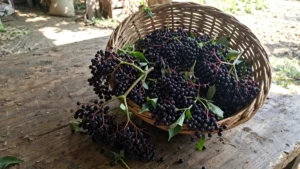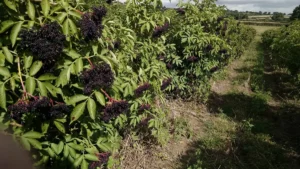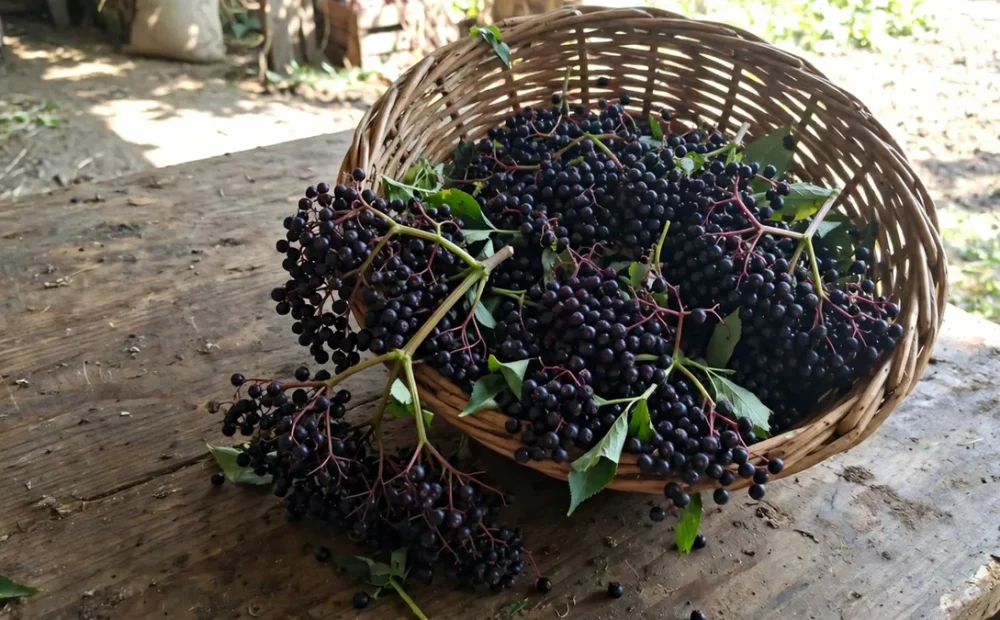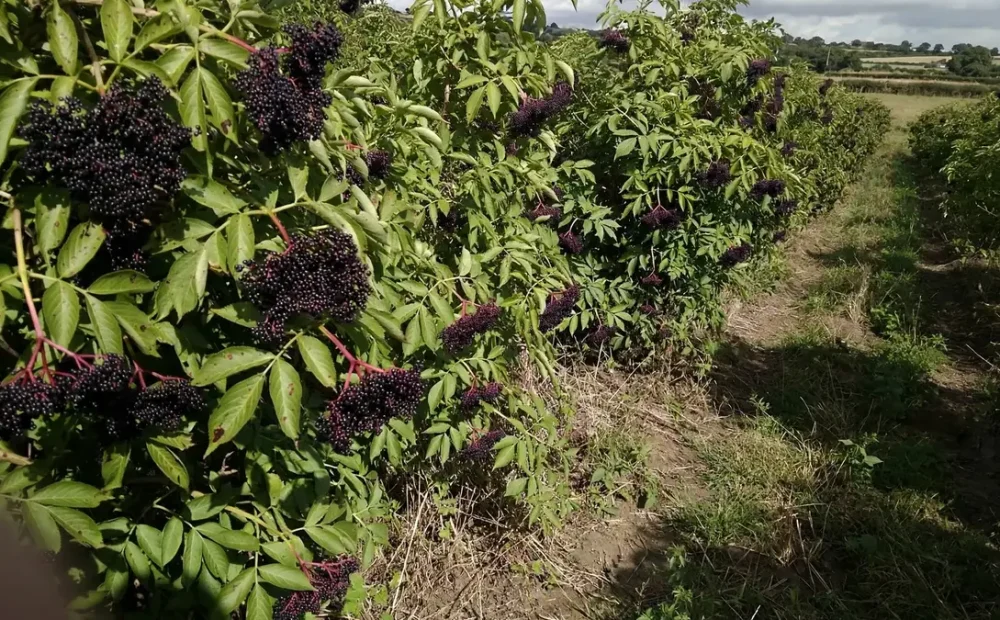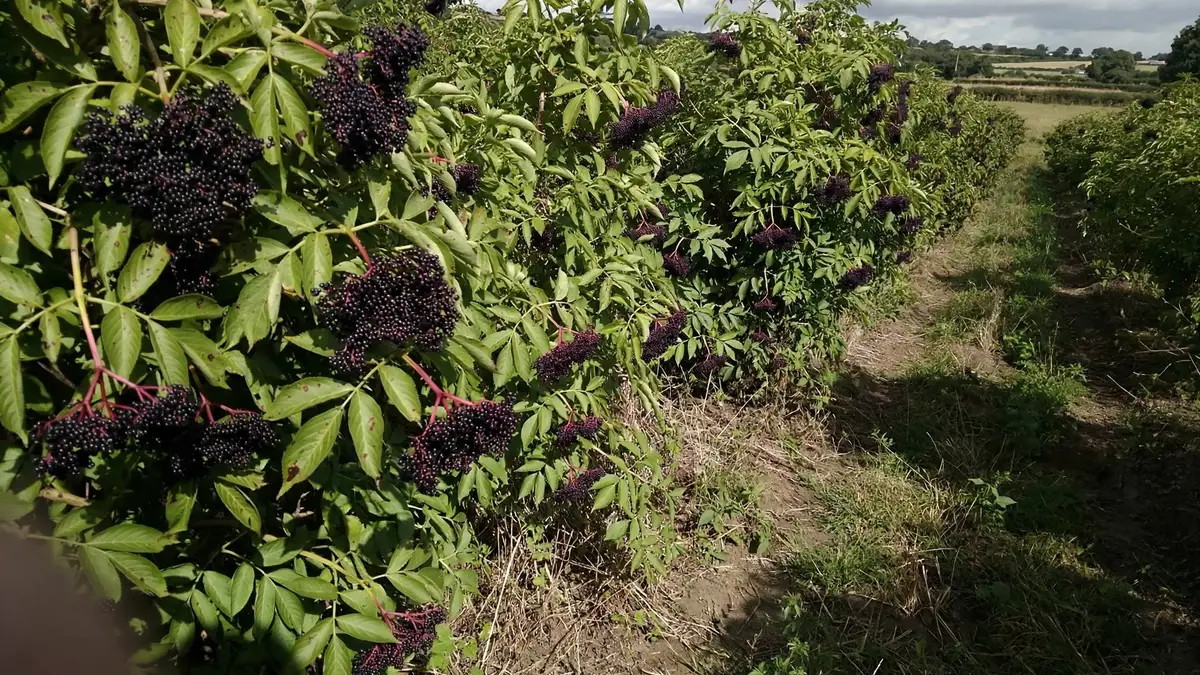
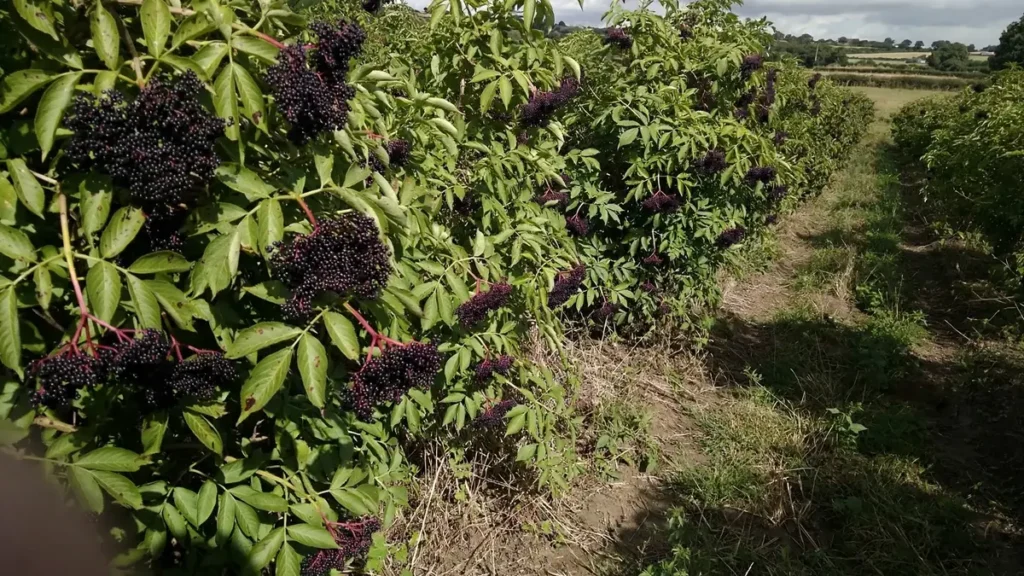
Elderberry is the fruit that asks you to slow down. The berries grow in flat clusters that hang heavy at the end of summer, dark purple and almost black when they are ready, and the farms that grow them are usually small holdings where the harvest is done by hand, cluster by cluster, with scissors and a basket.
Unlike the fruit you eat straight off the branch, elderberries must be cooked before they are safe. That single fact shapes the whole stay: the kitchen is the heart of the farm, the mornings smell of simmering syrup, and the day is built around picking, stripping, and boiling the berries down into something you can take home in a jar.
Below are nine elderberry farm stays worth considering in 2027, from the hedgerows of Kent to a hillside farm in Sonoma. Each entry weighs the strengths, the shortcomings, and the traveller each stay suits best.
Key takeaways
- Elderberries grow in flat-topped clusters on shrubs and small trees, and the best stays are working farms where the berries are the main crop.
- A ripe cluster is deep purple-black all the way through; green or red berries in the same cluster are not ready yet.
- Raw elderberries can upset the stomach, so every farm on this list cooks them into syrup, jam, or cordial before serving.
- Most stays include a picking walk and a tasting, but meals, transfers, and syrup-making sessions are often priced separately.
- People who take certain medicines or are expecting should ask a doctor before drinking elderberry syrup, because it is a strong preparation, not a soft drink.
What an elderberry farm retreat actually is
An elderberry farm retreat is a stay on, or beside, a working elderberry farm. The shrubs are modest things, with pale flower heads in June and dark berry clusters by late August. The fruit ripens unevenly, so the farm picks over several weeks, and the kitchen works through the harvest as it comes in.
The difference from a plain farm stay is the cooking at the centre of everything. The berries set the rhythm, from the syrup stirred at breakfast to the jam spread at tea and the cordial poured after dinner. The rooms are simple, the host works the rows, and the day runs on the picking rather than a schedule.
Knowing exactly what the nightly rate covers spares you a letdown later. Some of these stays are farms first and foremost, with plain rooms and a host who prunes the shrubs every winter. Others are comfortable guesthouses set beside an elderberry field, offering more ease and less visible farm work. Both kinds can be wonderful, yet they are different trips, and the nightly rate usually gives away which kind you are looking at. Our guide to luxury durian farm retreats follows the same idea: check the inclusions in writing before the photographs win you over.
How we picked these stays, and what to ask first
We looked for stays where the elderberry rows are real and central, not decorative. A good elderberry retreat grows its own berries, offers a picking walk or syrup session as part of the stay, and is honest about what happens outside the harvest season.
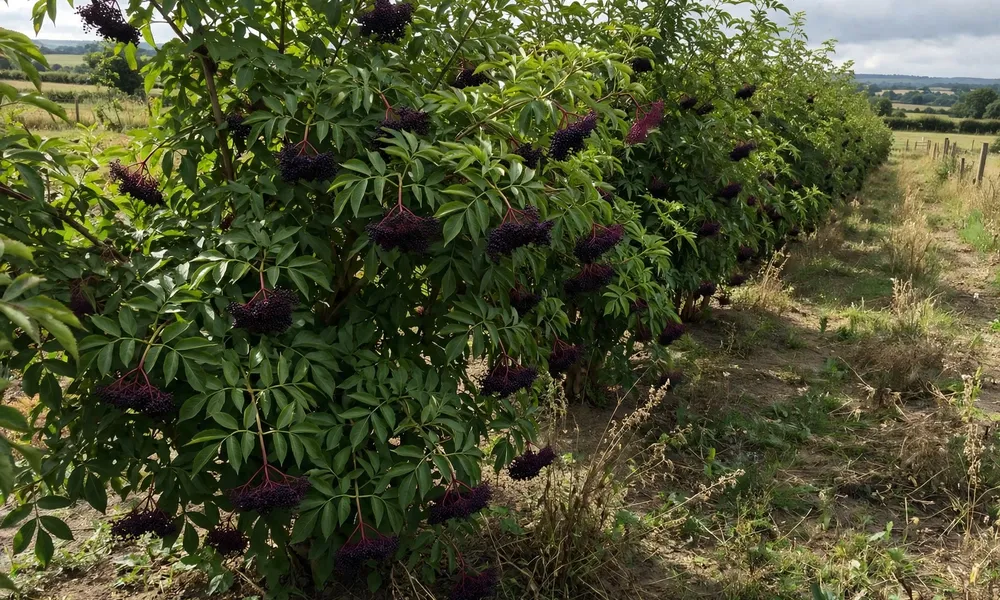
Look first at the season. Elderberries ripen in late summer, and the window moves by country. England and northern Europe pick from late August into September, while the warmer parts of North America can start a little earlier. Outside those weeks the farm is still a pleasant place, but the berries will not be on the branches.
Ask next what the price covers. A walk through the rows, a tasting, and a syrup-making session are three separate things, and some stays charge for each one apart. Find out whether breakfast comes with the room, whether the garden is shared, and whether the host speaks a language you can get by in. A farm that spells all of this out before you pay is usually run with care. The luxury persimmon farm retreats we covered earlier follow the same shape: small stays where the booking details matter more than any star rating.
The 9 best luxury elderberry farm retreats of 2027
Kent, England — Elderberry among the Old Hop Gardens
What we like: Kent is England’s garden, and the elderberry here grows in the hedgerows between old hop gardens and apple orchards. The stay is a brick farmhouse at the end of a lane, and the host walks guests along the hedges with scissors and a basket, showing which clusters are ready and which need another week.
What to consider: The farm is a bus ride from the nearest station and the lanes are narrow, so arrange a lift before you arrive. The rooms are plain, cooled by open windows, and the berries are sharp in the early season. Best for: Travellers who want elderberry where England has grown it longest. Style: Brick farmhouse at the end of a lane. Price range: $65–$95 a night, breakfast and a picking walk included. Standout feature: Morning picking walks along the hedgerows.
Herefordshire, England — Elderberry beside the Cider Orchards
What we like: A quiet farm in the west where elderberry shrubs line the cider orchards, and the kitchen simmers the berries into syrup every morning of the harvest. The house is timber-framed, the air is soft and damp, and the table serves syrup with porridge, yoghurt, and warm soda bread.
What to consider: The location is remote and the mobile signal is thin, so download your maps before you arrive. The rainy season brings heavy afternoon showers. Best for: Travellers who want a slow, green corner of the west. Style: Timber-framed farmhouse in the orchards. Price range: $95–$125 a night, farm breakfast and syrup tasting included. Standout feature: Syrup simmered fresh each harvest morning.
Normandy, France — Elderberry in the Apple Country
What we like: A stone farmhouse in the apple country where elderberry grows along the field edges and the farm keeps a small table for guests under the trees. The berries here are deep and dark, and the host folds them into jams and dark cordial served with sparkling water.
What to consider: The farm has only a few rooms, so book early, and French is the working language of the house. The coast is close enough to visit, but the farm itself is quiet after dark. Best for: Travellers who want berries and French farm cooking in one trip. Style: Stone farmhouse in the apple country. Price range: $125–$160 a night, breakfast and dinner included. Standout feature: Dark elderberry cordial with sparkling water.
Styria, Austria — Elderberry on the Green Hills
What we like: A hillside farm in the green heart of Austria where elderberry is a serious crop, grown in neat rows for syrup and juice, and the farm runs a proper kitchen that cooks with the berries all through the harvest. The rooms are comfortable, the garden is wide, and the host knows the ripening calendar.
What to consider: The farm is a long drive from Vienna and the hills are steep, so a car helps. The evenings are cool enough to need a layer. Best for: Travellers who want elderberry taken seriously as a crop. Style: Comfortable hillside farmhouse. Price range: $160–$195 a night, dinner and an orchard walk included. Standout feature: A kitchen that cooks with elderberry all harvest long.
Transylvania, Romania — Elderberry in the Meadow Country
What we like: A meadow farm far from the main road, where the elderberry grows wild along the field edges and the farm keeps just four rooms. The host is a retired teacher who gathers the berries for love rather than scale, and the meals are home cooking at a shared table with syrup and jam.
What to consider: There is little to do beyond the meadows, and the nearest town is a half-hour drive. Best for: Travellers who want stillness and a host with time to chat. Style: Small meadow farmhouse. Price range: $195–$230 a night, all meals and tastings included. Standout feature: Shared suppers at the farmhouse table.
Mazovia, Poland — Elderberry on the Flat Farmland
What we like: A farm on the flat farmland east of Warsaw where elderberry shrubs stand in long rows and the fruit is pressed into juice and cooked into a thick syrup. The house sits beside a pond, the storks pass overhead, and the kitchen uses the berries in duck sauces as well as jams.
What to consider: The heat is heavy in late summer and the mosquitoes are out at dusk. Best for: Travellers who want berries and wide Polish skies in one trip. Style: Farmhouse beside a pond. Price range: $230–$265 a night, breakfast, dinner, and a jam session included. Standout feature: Elderberry sauce served with roast duck.
Vermont, USA — Elderberry in the Mountain Hollows
What we like: A farm on the edge of the Green Mountains where the North American elderberry grows in damp hollows, and the farm serves the berries with maple at breakfast. The air is cooler than the lowlands, the walks are long, and the host arranges syrup-making sessions as well as picking walks.
What to consider: The farm is a drive from the nearest town and the evenings are cool enough to need a layer. Best for: Travellers who want berries and mountain air together. Style: Mountain farmhouse with a maple kitchen. Price range: $265–$300 a night, full board and a syrup morning included. Standout feature: Elderberry served with maple at breakfast.
Oregon, USA — Elderberry beside the Hazelnut Groves
What we like: A valley farm where elderberry grows beside hazelnut trees and the fruit is cooked into syrups and a dark jam that guests take home. The host is a second-generation grower, the harvest season is long, and the kitchen makes a cordial that sells out every year.
What to consider: The road in is rough after rain, and the farm books out in the harvest months. Best for: Travellers who want a long season and a serious kitchen. Style: Valley farmhouse with a jam kitchen. Price range: $300–$340 a night, full board plus a cordial tasting included. Standout feature: Dark elderberry jam made on the farm.
Sonoma, California, USA — Elderberry on a Hillside Farm
What we like: A small farm on the hills above Sonoma where elderberry grows year-round in the Californian sun, and the stay is a polished cottage with a view down to the vines. The berries are the dark kind, the farm runs a weekly tasting, and the kitchen folds the syrup into breakfast pancakes.
What to consider: The price is the highest on this list, and the farm is a drive from the wine towns. Best for: Travellers who want elderberry without leaving the United States. Style: Hillside farm cottage. Price range: $345–$380 a night, every meal and session included. Standout feature: Weekly tastings with a view down to the vines.
Which elderberry region fits your trip
For the most traditional fruit, go to Kent or Styria, where the shrubs are a working crop and the syrup lands on the table at every meal. For the wildest setting, choose Transylvania, where the farm sits among meadows and the berries grow along the field edges. For the biggest flavours, pick Mazovia, where the kitchen cooks the berries into sauces as well as jams. Kent suits a first trip too, if Herefordshire is booked out, because the hedgerows are used to guests and the harvest window is long.
For a first trip, Herefordshire is the simplest choice: the farm is used to guests, the season is generous, and the kitchen cooks with the berries every day. Our guide to the luxury carambola farm retreats makes the same point: pick the farm that cooks with its crop daily, and the trip mostly takes care of itself.
The caveats that matter
Elderberry farm retreats are lovely, but not for everyone. The berries answer to the seasons, the farms sit a long way from town, and the best stays say plainly what is ripe and what is not.
| Detail | What is known |
|---|---|
| Best time to visit | Late summer into early autumn, when the clusters are purple-black; the window moves by country |
| The two main kinds | European elderberry is dark and tart, North American elderberry is smaller and a little sweeter |
| How ripe berries look | Deep purple-black all the way through, soft, and easy to strip from the stem |
| What is usually included | Room and breakfast plus a picking walk or tasting; syrup sessions and transfers often cost extra |
| Who should go | Slow travellers, food lovers, and families with older children |
| Who should think twice | Anyone after nightlife, quick service, or a full daily programme |
| Transfers | Usually an hour or more from the closest airport; book the lift before you arrive |
| What is not guaranteed | Berries on your dates; the crop leans on weather, season, and the shrub’s own rhythm |
Elderberries carry no gluten themselves, yet farm kitchens bake bread each morning, so find out how the kitchen keeps flour away from your plate. Elderberries must also be cooked before eating, so never eat raw berries from the rows, and tell the farm before booking if you take medicine or are expecting, because the syrup is a strong preparation. Before you book, weigh the practical points if you have a health condition, are expecting, or travel with small children: how far the nearest clinic sits, when the farm last sprayed, and whether the paths suit little feet.
Checklist: booking an elderberry farm stay honestly
Run through these checks before you pay, then once more in the week before you travel.
- Check the ripening: ask whether the clusters will be purple-black on your dates, not just whether the farm is open.
- Check the inclusions: picking walk, tasting, meals, and transfers, and which of them costs extra.
- Check the distance: how long the drive runs from the airport, and whether the farm sends a car.
- Check the bedroom: does it face the elderberry rows or the garden, and does it have shade, a fan, or air conditioning?
- Check the growing: ask how big the elderberry field is, whether it is organic, and when it last sprayed.
- Check recent reviews: look for guests who visited in the same season as your planned trip.
Frequently asked questions
When is elderberry season?
It depends on the country. In England and northern Europe, the clusters ripen from late August into September. In North America the window can start a little earlier, and in California the season runs longer, so ask the host directly.
What does elderberry taste like?
Tart and dark, with a flavour between blackberry and blackcurrant, sometimes sharp, sometimes almost wine-like. Cooked berries are rich and deep; raw berries are bitter and can upset the stomach, which is why every farm cooks them first.
Can guests pick elderberries on the farm?
Yes, on most farms, provided you walk with a guide and ask first. Some farms hand guests scissors and a basket for a few clusters, while others do the picking themselves because ripe berries crush easily. Mention it when you book, and wear long sleeves, because the stems can scratch.
Is elderberry safe for everyone to eat?
No. The berries must be cooked before eating, and the syrup is a strong preparation, so anyone who takes medicine or is expecting should ask a doctor first. Healthy eaters should still keep portions modest, because a lot of tart berries can upset the stomach.
Where should a first-timer start with elderberry farms?
Herefordshire, for the easiest journey and the longest season. The farm is used to guests, the berries come for several weeks, and the kitchen serves them at every meal.
Can a gluten-free eater enjoy an elderberry farm?
Yes, if you flag it when you book. The berries themselves have no gluten, and the rice dishes are usually safe. The risk is the bread baked each morning, so ask the farm how it keeps flour away from your plate.
The bottom line
An elderberry farm retreat suits travellers who like their food to come from the shrub they are standing beside, and who are happy to let the harvest set the day. The berries are dark, the season is short, and the best stays are the ones that pick them, cook them down, and serve them without any fuss.
Choose the region by what you want most: the old hedgerows of Kent, the meadows of Transylvania, or the hillside light of Sonoma — and carry the syrup home sealed, not the raw berries themselves. A jar of that syrup will keep long after the photographs fade.