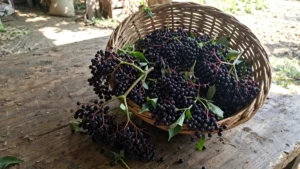
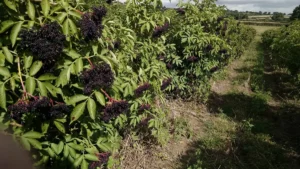
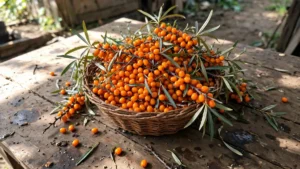
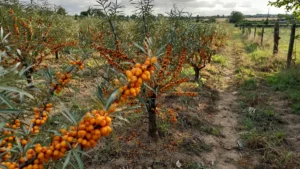
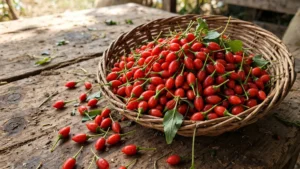
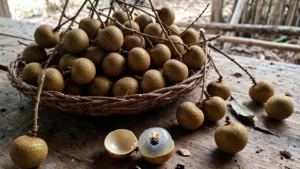
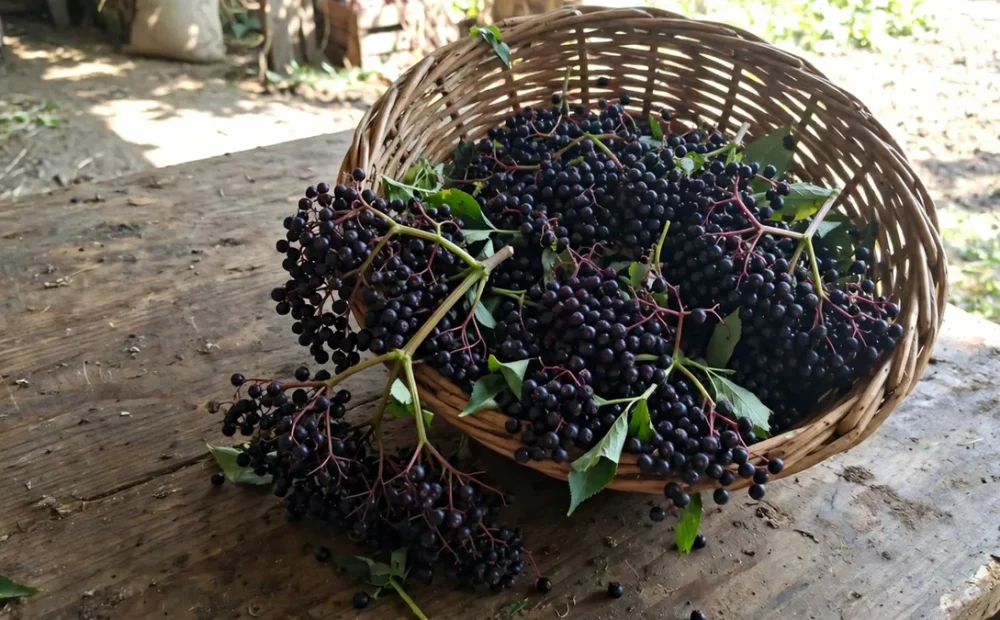
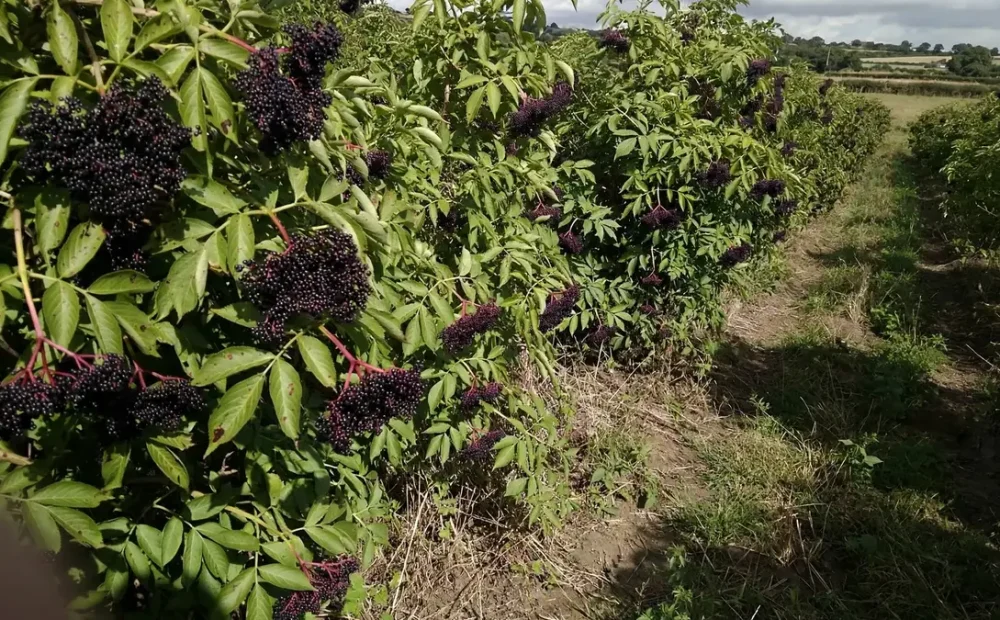
Goji berries are small, bright and easy to miss until you taste one dried in the sun. Fresh off the shrub they are soft, glossy and sweet with a tart edge, the colour of a ripe cherry held up to the light. Dried, they turn chewy and dark red, and that is how most travellers know them — scattered through tea, porridge and trail mixes. In Ningxia, in north-west China, the berries are a crop and a way of life, grown on dry, sunny slopes and picked by hand through the summer.
That is what a goji berry farm retreat is built around. These are working farms where the shrubs grow in long, low rows, the berries are gathered into baskets through the warm months, and the drying yards fill with red fruit spread on mats under the sun. The best stays keep groups small and let the farm set the pace of the day.
This guide gathers nine luxury goji berry farm retreats for 2027, from Ningxia’s Yellow River plain to a California vineyard valley. Every stay below offers real farm access, honest pricing and a kitchen that treats goji as a daily ingredient. Prices run from $65 to $380 a night, and each entry notes what the stay does well and where it comes up short.
Key takeaways
- Goji berries ripen in waves from July to October in northern China, so the picking window decides the trip more than flights.
- The best retreats let guests join the picking and the sun-drying, not just watch it from a veranda.
- Room rates run from $65–$95 a night at the plainest farmhouse to $345–$380 at the top California lodge.
- Goji berries are naturally gluten-free, but farm kitchens also serve wheat noodles and steamed buns, so guests with coeliac disease should put the allergy in writing before arrival.
- Berries picked while they are still orange never sweeten, so a farm that rushes the harvest is a warning sign, not a bargain.
What a goji berry farm retreat actually is
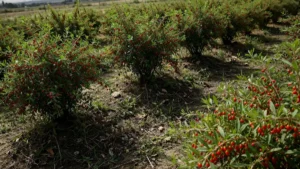
A goji berry farm retreat is a stay on a working farm, usually a family operation where the shrubs were planted a generation ago and the harvest is still done by hand with baskets and sorting trays. The shrubs are low and thorny, the field edges are lined with drying mats, and the air smells faintly sweet in the picking weeks.
The season matters here more than on most farm stays. Berries colour up in waves through the summer, and the pickers return to the same shrubs again and again as each flush turns bright red. Arrive too early and the fruit is orange and sharp; arrive at the right moment and the baskets fill fast with berries that are soft, glossy and sweet.
What separates a real retreat from a resort with a few shrubs is the access you get. At a genuine farm stay you walk into the rows with the picking crew, sit at the sorting table, and watch the berries being spread on the drying mats. At a resort you get a handful of dried berries in a tea cup at check-in and a photo of a shrub. Every stay below gives you the first kind of access, and each entry says how deep it goes.
How we picked these stays, and what to ask first
We looked for farms that grow goji as a main crop, keep guest numbers low, and cook at least one full meal a day around the harvest. We also favoured stays that share their picking calendar and answer allergy questions in writing before booking. Stays that would not name their picking weeks or that charged extra for a farm tour did not make the list.
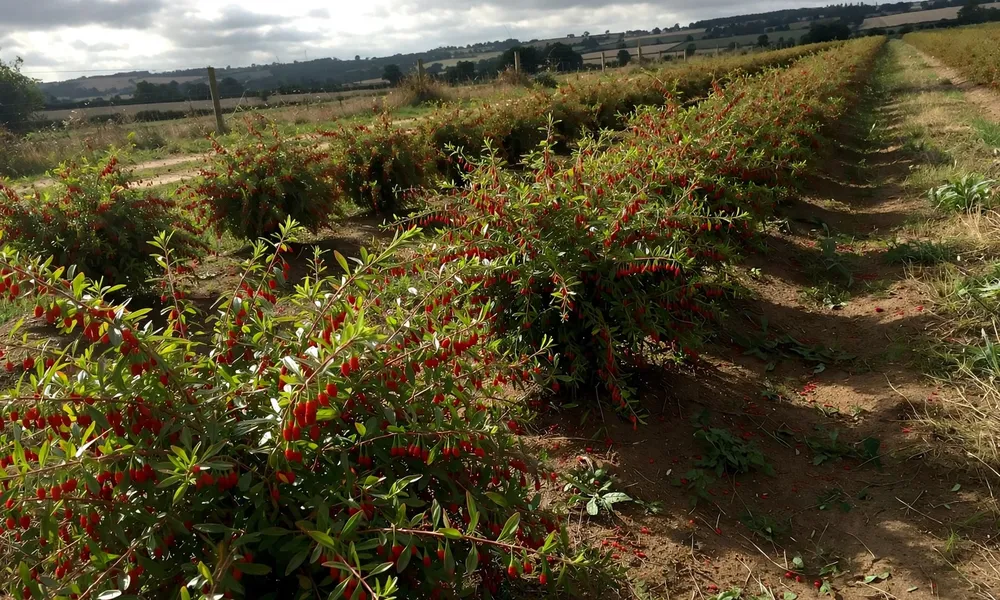
Before you book, ask three things. First, the weeks when the berries come down, and whether guests may join the crew. Second, whether the kitchen can cook a full gluten-free menu, since goji dishes often sit beside wheat noodles and steamed buns. Third, what the room rate covers — some farms bundle in all meals and picking sessions, while others charge for them apart. Those answers tell you more than any review could. Carambola farm retreats follow the same pattern of working-farm stays, and the questions that matter there are the same ones to ask here.
The 9 best luxury goji berry farm retreats of 2027
Zhongning, Ningxia, China — Goji Berries on the Yellow River Plain
Zhongning is the heart of goji country, a flat, sunny county on the Yellow River where the shrubs have been grown for centuries. The farmhouse kitchen cooks Ningxia food with dried berries in teas, soups and sweet porridge, and guests pick berries in the cool morning before the heat builds.
What We Like: The oldest goji fields on this list, and a kitchen that treats the berry as a daily staple. What to Consider: Dry heat and dust in the rows, and the nearest town is a long drive across the plain. Best For: Travellers who want the classic goji region and a proper Ningxia kitchen. Style: Courtyard farmhouse with a shaded drying yard. Price Range: $65–$95 a night, meals included in the rate. Standout Feature: A drying yard where guests spread berries on mats with the farm family.
Yinchuan, Ningxia, China — Goji Berries Beside the Desert Edge
Yinchuan sits where the irrigated plain meets the desert, and the farm grows goji on sandy soil watered from the Yellow River. The stay is a low brick house at the field’s edge, rooms opening onto a garden of dates and melons, the kitchen serving berries in tea and lamb dishes at every meal.
What We Like: Desert light, river water and a truly skilled cook. What to Consider: The desert wind carries dust across the fields, which some guests love and others do not. Best For: Food lovers who want to taste goji in savoury dishes too. Style: Brick farmhouse with a garden kitchen. Price Range: $95–$125 a night, with meals in the price. Standout Feature: A goji tea ceremony at the long farm table each evening.
Lanzhou, Gansu, China — Goji Berries on the River Terraces
Lanzhou is a river city in the dry hills, with goji shrubs in terraced rows running down to the water. The farm is a working operation first and a guesthouse second: picking starts at dawn, the drying racks stay busy, and the meals are plain, generous Gansu food with goji tea.
What We Like: A serious working farm with no pretence, and generous Gansu cooking. What to Consider: Steep terraces and strong sun, with scant shade in the rows. Best For: Guests who like a plain working farm more than a polished lodge. Style: Plain working farmhouse on the river terraces. Price Range: $120–$150 a night, food part of the rate. Standout Feature: Terraced rows of goji running down to the Yellow River.
Xining, Qinghai, China — Goji Berries on the High Plateau
Xining sits high on the Qinghai plateau, and the farm grows goji in thin, bright air where the berries colour slowly and sweetly. Guests pick berries in the cool morning, then learn to sort and dry them in the afternoon shade, and the kitchen cooks plateau food with goji in soups and teas.
What We Like: Slow-ripening berries in the cleanest air on this list, and a calm, unhurried farm. What to Consider: Thin air tires newcomers, and the nights turn cold even in summer. Best For: Travellers who want altitude and a slower harvest. Style: Stone farmhouse with a broad veranda. Price Range: $145–$175 a night, meals are included. Standout Feature: A sorting table where guests learn to grade berries by colour.
Urumqi, Xinjiang, China — Goji Berries in the Far West
Urumqi sits in the far west, and the farm grows goji on sunny, stony ground a short drive from the mountains. The kitchen cooks Xinjiang food — hand-pulled noodles, roast lamb and goji tea — and the farm runs a market trip for guests who want to see the region’s spice stalls after the morning picking.
What We Like: Big skies, mountain views nearby, and goji in the tea. What to Consider: A dry spell can push the harvest back a week or two. Best For: Travellers who want a far-western farm stay with a market. Style: Whitewashed house above a stony orchard. Price Range: $170–$205 a night, with all meals included. Standout Feature: A market trip after the morning picking session.
Hohhot, Inner Mongolia, China — Goji Berries Where the Grassland Begins
Hohhot grows goji where the grassland meets the farm belt, and the shrubs fruit heavily in the long northern summer. The farm is a family operation with a small guesthouse, and the kitchen cooks Mongolian-influenced food, hearty and plain, with goji to sweeten the tea.
What We Like: The heaviest fruiting on this list, and a warm family greeting. What to Consider: Open grassland wind and long drives between towns. Best For: Guests who like wide skies and a working farm. Style: Family guesthouse among the northern fields. Price Range: $200–$235 a night, food covered in the rate. Standout Feature: Goji tea served at the end of every hearty northern meal.
Zhangjiakou, Hebei, China — Goji Berries in the Northern Hills
Zhangjiakou sits in the northern hills, and the farm grows goji on terraced slopes above a river valley. The kitchen cooks Hebei food, and the farm runs a morning market trip for herbs and vegetables, then picking in the cool afternoon.
What We Like: Terraced hillsides, river-valley views, and a morning market trip thrown in. What to Consider: Steep hills, and a market trip that sets off very early. Best For: Early risers who like dawn markets and hillside views. Style: Timber-and-stone lodge above the river valley. Price Range: $230–$265 a night, every meal included. Standout Feature: A morning market trip that fills the day’s kitchen.
Xi’an, Shaanxi, China — Goji Berries Near the Old Capital
Xi’an grows goji on the loess plateau outside the old capital, where the shrubs fruit beside wheat and dates. The farm is a working operation with a small guesthouse, and the kitchen cooks Shaanxi food with goji in teas and sweet soups.
What We Like: Loess soil, dates and wheat beside the goji, and a genuinely working farm. What to Consider: A long drive from the city over dusty roads. Best For: Travellers who want a farm stay with history nearby. Style: Loess farmhouse on the plateau slopes. Price Range: $265–$300 a night, meals folded into the rate. Standout Feature: Goji, dates and wheat growing on the same yellow soil.
Napa Valley, California — Goji Berries from a Vineyard Farm
Napa Valley is the most polished stay on this list, a small luxury lodge among vineyards with a goji field along the valley floor. The kitchen — run by a Californian chef — cooks goji into salads, grain bowls and teas, and guests get a guided picking session.
What We Like: The most comfortable rooms on this list, and a chef who treats goji seriously. What to Consider: The priciest stay here by far, with a smaller field than the Chinese farms. Best For: Travellers who want comfortable rooms plus real farm access. Style: Private cottages set among the vineyards. Price Range: $345–$380 a night, all meals included in the price. Standout Feature: A Californian chef cooking goji across salads, bowls and teas.
Which goji berry region fits your trip
If this is your first goji trip, start in Ningxia. The fields are older, the picking culture deeper, and the kitchens have cooked with goji for generations. Zhongning suits travellers who like flat, sunny fields and old shrubs, while Yinchuan suits food lovers who want goji in savoury dishes. Lanzhou is the pick if you want a plain working farm with no frills.
Gansu and Qinghai suit a second trip, or a first for travellers who prefer a high, dry farm and a slow harvest. Xining grows the sweetest berries on this list, Urumqi adds the far west, Hohhot the grassland edge, and Zhangjiakou terraced hills and a market that makes the stay feel like a small adventure. Passion fruit farm retreats offer a similar tropical-fruit, working-farm feel for travellers who want to compare two harvests on one journey. Xi’an and Napa Valley suit comfort seekers and guests who want history or wine beside the goji.
The caveats that matter
Goji is a forgiving berry, but a farm trip still has sharp edges. Berries picked orange stay tart and never sweeten, so a farm that starts before the fruit turns red is cutting corners. The shrubs are low and thorny, so long sleeves matter more than climbing rules, and the berries are soft, so rough handling bruises them.
| Detail | What is known |
|---|---|
| Best harvest window | July to October in northern China, August to September at the peak |
| Fruit ripeness test | Berries turn bright red and soft, and come away with a gentle pull |
| Gluten status | Goji berries are naturally gluten-free, but farm kitchens serve wheat noodles too |
| Guest picking | Allowed at all nine stays, with baskets and sorting trays provided by the crew |
| Thorns | Shrubs are thorny, so long sleeves and gloves protect pickers in the rows |
| Fresh berries | Spoil within a day, so the kitchen serves them the morning they are picked |
| Rain risk | Wet berries spoil quickly, so a rainy harvest week can cut the picking short |
| What to bring home | Dried berries in sealed bags, or goji tea from the farm shop |
Checklist: booking a goji berry farm stay honestly
- Ask the farm to name its picking weeks in writing before you pay.
- Put any wheat or gluten allergy in your first message, and ask what the kitchen intends to cook.
- Check whether meals and picking sessions sit inside the room rate.
- Pack closed shoes, a hat, long sleeves for the rows, and a light rain layer too.
- Bring cash for the farm shop, since most goji farms are cash-only.
- Leave a free morning for the local market, where dried goji is cheapest.
Frequently asked questions
When do goji berries ripen?
Goji berries ripen in waves through the warm months, roughly July to October across northern China, with August to September the peak. The berries turn bright red and soft, and come away with a gentle pull. A farm that picks while the berries are still orange is harvesting too early.
Can guests pick berries alongside the farm crews?
Yes, at all nine stays on this list. Guests carry baskets and gather berries by hand, and the crew shows newcomers how to tell ripe from orange. Guests wear gloves, as the shrubs are thorny and the berries bruise easily.
Are goji berries safe for gluten-free guests?
The berries on their own are naturally gluten-free. The risk comes from the kitchen, where wheat noodles, steamed buns and soy sauce share the same counter. Tell the farm about the allergy before you arrive and ask for a written menu.
What do ripe goji berries taste like?
Ripe berries are sweet with a light tart edge, a little like a dried cherry. Orange berries are sharp and astringent, and the flesh stays firm. Ningxia berries taste the sweetest; plateau berries stay a touch tarter.
How long should a goji berry farm stay last?
Three nights is the sweet spot: one day to settle in and walk the fields, one to pick and dry with the crew, and one for the market and kitchen. Shorter stays feel rushed, and longer ones repeat the same jobs.
What should I carry home from a goji berry farm?
Dried berries in sealed bags, or goji tea from the farm shop. Both come closer to the fresh harvest than anything else you can carry home. Avoid fresh berries in a hot suitcase, which spoil fast. Lychee farm retreats are a fine second stop for travellers building a dried-fruit pantry from farm visits.
The bottom line
Goji rewards the traveller who plans around the harvest rather than the flight board. Pick the right weeks, choose a farm that welcomes you into the rows instead of keeping you on the veranda, and tell the kitchen about your allergies before you arrive. The berry does the rest — sweet, tart and bright red, straight off the shrub.
If you book only one stay from this list, choose the one whose harvest weeks match your dates, not the one with the prettiest photos. A simple farmhouse in Zhongning during picking week gives you more than a luxury lodge in Napa outside it. The shrub sets the calendar, and the best trips follow its lead.