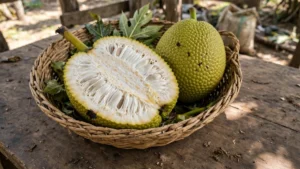
Quince is the fruit most travellers have tasted without knowing it. It shows up as amber jam beside cheese, dense paste on a breakfast board, pale jelly in a farm shop window. Raw, it is hard, sour and astringent. Cooked slowly, it turns rosy gold and tastes of pear, apple and rose. That transformation is the whole point of a quince farm retreat: you go to watch a fruit nobody eats raw become the most memorable thing on the table.
A quince farm stay is not a hotel with an orchard attached. The best ones are working farms where the quince trees are the reason the place exists, and the rooms, kitchen and daily rhythm all run around the harvest. You pick in the morning, watch the fruit simmer, and eat lunch with the people who grew it.
This roundup covers nine quince farm retreats for 2027, from an Aegean orchard in Turkey to a Sonoma estate with a private chef. Every stay grows its own quince, cooks with it, and lets you into the work.
Key takeaways
- Quince is almost never eaten raw; cooked, it turns sweet, rosy and fragrant.
- The harvest runs late September to early November, and the best stays book around it.
- Turkey, Greece, Spain and Portugal grow most of the world’s quince.
- A real quince farm stay lets guests pick, cook and taste.
- Quince is naturally gluten-free, but farm kitchens share space with bread, so gluten-free guests must ask first.
What a quince farm retreat actually is
A quince farm retreat is a working orchard that takes guests for a night or more and builds the stay around the fruit. The pattern is the same across the nine places below: a farmhouse or small cottages, a kitchen that cooks with the harvest, and a day that follows the orchard. Mornings are for picking, midday for the kitchen. Evenings are for long meals, and the quince appears in every course.
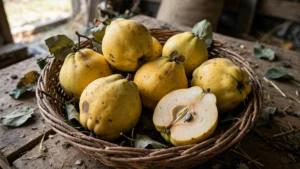
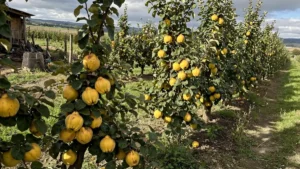
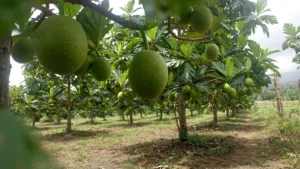
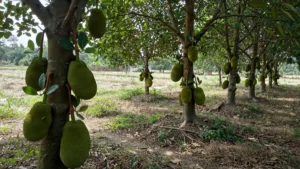
Quince trees look unremarkable most of the year: low, gnarled and slow growing, with grey-green leaves and pale pink blossom in spring. The fruit hangs heavy in autumn, round and yellow, covered in a fine down that rubs off when ripe. The farms below grow eighty to four hundred trees, and the harvest is their busiest fortnight.
What separates a quince farm retreat from a countryside hotel is the cooking. Quince demands patience: peeled, cored, sliced and cooked for an hour or more before it softens and sweetens. The farms here keep that work visible. Guests stand at the counter, stir the copper pots, and leave with jars and a recipe they will actually use.
How we picked these stays, and what to ask first
We started with the quince itself. Every stay below grows its own fruit, and guests are invited into the picking and the cooking rather than watching from a distance.

Then we looked at the stay itself: rooms, food, hosts and price. The food should come from the farm’s own produce, and the hosts should know their trees and recipes.
Before you book, ask four questions: are guests allowed to pick and cook, or only to watch? What is in season on your dates? How does the kitchen handle gluten-free guests? What is included in the nightly rate? For a sense of how the same format works with a sweeter fruit, our roundup of the best luxury persimmon farm retreats of 2027 follows the same picking-and-cooking pattern.
The 9 best luxury quince farm retreats of 2027
Izmir, Turkey — Quince Picking on the Aegean Hillsides
The farm sits on a terraced hillside above the Aegean, where two hundred quince trees grow between olive rows and a small vineyard. The house is a restored stone farmhouse with four guest rooms, run by a couple who left Istanbul a decade ago.
What we like: The picking is real work, not a photo opportunity: a morning in the trees, an afternoon at the stove, jam cooked in small copper pots over a wood fire.
What to consider: The rooms are simple, with shared outdoor showers in summer and no air conditioning.
Best for: Travellers who want to work in the orchard and cook quince from scratch. Style: Stone farmhouse on a terraced Aegean hillside. Price range: $65–$95 a night, breakfast and a cooking session included. Standout feature: Wood-fired copper pots and jam you stir yourself.
Bursa, Turkey — Quince Orchards Below Mount Uludag
Bursa has grown quince for centuries, and this farm keeps the old pattern: a walled orchard of a hundred and fifty trees, a farmhouse with a tiled courtyard, and a kitchen that turns the harvest into paste, jelly and syrup.
What we like: The quince paste is made the slow way, sliced thin and simmered for hours until it sets into dense amber slabs. Guests who help make it take home a slab.
What to consider: The farm is at its best in harvest week. In October the house fills with pickers and the kitchen runs all day.
Best for: Cooks who want to learn traditional quince paste. Style: Walled orchard farmhouse at the foot of a mountain. Price range: $95–$125 a night, breakfast and harvest lunch included. Standout feature: Slow-simmered quince paste made in the farm’s own kitchen.
Thessaly, Greece — Quince Among the Plain’s Old Orchards
The Thessaly farm is a low white house in the middle of the plain, surrounded by eighty quince trees older than the people who tend them. The orchard was planted by the host’s grandfather, and the trees are gnarled, wide and heavy with fruit.
What we like: The age of the trees shows in the fruit: old trees produce smaller, more fragrant fruit, and the jam made here is darker and more complex than any we tasted elsewhere.
What to consider: The farm is remote, forty minutes from the nearest town, and the house has no television and patchy mobile signal.
Best for: Travellers who want to switch off and spend a week inside an old orchard. Style: Whitewashed farmhouse among century-old quince trees. Price range: $125–$155 a night, breakfast and dinner included. Standout feature: Jam and syrup from three-generation-old trees.
Peloponnese, Greece — Quince Groves Near the Olive Coast
This farm sits a short walk from the coast in the southern Peloponnese, where the quince trees grow in the shade of much older olives. The house is a converted olive press with a terrace that looks across the grove to the sea.
What we like: The pairing of quince and olive oil is the star here: quince jelly with the farm’s own cold-pressed oil and village cheese, better than either ingredient alone.
What to consider: The house is small, with only three guest rooms, and it books out early for harvest week.
Best for: Food lovers who want quince and olive oil from the same farm. Style: Converted olive press with a sea view over the grove. Price range: $155–$185 a night, breakfast and one farm dinner included. Standout feature: Quince jelly served with the farm’s own olive oil.
Andalusia, Spain — Quince and Membrillo in the White Villages
Andalusia is where quince becomes membrillo, the dense paste beside Manchego on every Spanish cheese board. This farm, in the hills between white villages, grows two hundred trees and turns most of the harvest into membrillo in a kitchen that has done it the same way for fifty years.
What we like: The membrillo class is the best we found anywhere. You learn to judge when the paste is ready by its colour and smell, not by a timer, and you leave with a slab of your own.
What to consider: The farm is busiest during the village fiestas in October, when the courtyard fills and the kitchen works late.
Best for: Travellers who want to master membrillo and eat it with local cheese. Style: Whitewashed Andalusian farmhouse with a courtyard and pool. Price range: $185–$215 a night, breakfast and a cooking class included. Standout feature: A membrillo class taught by the family that made it for fifty years.
Alentejo, Portugal — Marmalade Cooking on a Southern Estate
The Alentejo farm is a long low house on the golden plains, with a hundred and twenty quince trees in rows that run to the horizon. The region is famous for marmelada, the Portuguese quince marmalade, made in copper pots over an open fire.
What we like: The marmalade here is the real thing, dense and dark, served with the region’s sheep cheese and a glass of local red. The farm also keeps bees and sells its quince honey in the village.
What to consider: The Alentejo summer is hot, and the quince harvest comes late, in late October. Come in summer and there is no fruit to pick, only the pool and the plains.
Best for: Travellers who want Portuguese marmalade and slow Alentejo days. Style: Long farmhouse on the plains with a cork-oak dining table. Price range: $215–$245 a night, breakfast and dinner included. Standout feature: Copper-pot marmelada served with the region’s sheep cheese.
Provence, France — Quince Preserves in the Luberon Hills
The Provence farm is a stone bastide in the Luberon hills, with ninety quince trees in a walled garden and a kitchen that makes preserves, jellies and a quince tart the village bakery buys by the tray.
What we like: The preserves are the most refined we tasted, with a clarity and perfume from cooking the fruit gently and slowly. The farm’s quince tart is worth the trip alone.
What to consider: This is the most polished stay on the list, and the price reflects it. Popular with painters and writers, the house can feel more like a retreat centre than a working farm.
Best for: Travellers who want French preserves and a beautiful house in the hills. Style: Stone bastide in the Luberon with a walled garden. Price range: $245–$275 a night, breakfast and a preserve-making session included. Standout feature: A quince tart the village bakery buys by the tray.
Piedmont, Italy — Quince Mostarda in the Vineyard Hills
Piedmont is wine country, but this farm keeps a hundred quince trees on the edge of its vineyards, and the fruit goes into mostarda, the spiced preserve served with boiled meats and cheese.
What we like: The mostarda is unlike anything else on this list: sweet, sharp and spiced, with mustard oil giving it a slow heat. Served with the region’s cheeses and cured meats, it turns a simple board into a meal.
What to consider: The farm is a working vineyard first, and the quince is a second crop, with one cooking session a week.
Best for: Wine lovers who want quince mostarda. Style: Renovated cascina between vineyards and a quince orchard. Price range: $275–$305 a night, breakfast and dinner included. Standout feature: Spiced quince mostarda served with the region’s cheeses.
Sonoma County, California, USA — Quince on a Wine Country Estate
The Sonoma estate is the most luxurious stay on this list, and the only one in the United States. Four hundred quince trees grow in neat rows beside the vineyard, and the fruit goes into the estate restaurant, where the chef builds a quince menu every autumn.
What we like: The chef’s quince menu is a proper tasting experience: seven courses from quince jelly and cheese to poached quince with ice cream. The estate also runs a jam-making class.
What to consider: The price is the highest here, and the estate feels more like a resort than a farm. Guests who want mud on their boots will find the Izmir or Bursa farms more honest.
Best for: Travellers who want a quince tasting menu and a luxury wine-country stay. Style: Converted barn suites on a wine estate with a spa. Price range: $345–$380 a night, breakfast and a tasting dinner included. Standout feature: A seven-course quince tasting menu.
Which quince region fits your trip
Choose by what you want to cook. Turkey and Greece keep the oldest methods, for travellers who want to pick and cook. Spain and Portugal make paste and marmalade for cooks who want a jar to take home. France and Italy refine it into preserves and mostarda.
Timing matters more than region. The harvest runs from late September to early November, and a farm visited in August has no fruit to pick. Ask the farm for its picking dates before you book, and build your flights around them. A similar harvest-first approach works for the best luxury longan farm retreats of 2027, where the drying season sets the calendar.
| Detail | What is known |
|---|---|
| Best harvest window | Late September to early November; October in California |
| Cheapest stay | Izmir, $65–$95 a night with breakfast and a cooking session |
| Most expensive stay | Sonoma County, $345–$380 a night with a tasting dinner |
| Oldest trees | Thessaly, Greece, trees planted three generations ago |
| Best for cooking | Andalusia for membrillo; Alentejo for marmalade |
| Best for wine lovers | Piedmont mostarda meets the vineyard |
| Quince season | Fruit ripens in autumn; raw quince is hard and astringent |
| Gluten-free note | Quince is naturally gluten-free, but farm kitchens share counters with bread |
The caveats that matter
Quince is not a fruit you eat raw, and that catches first-time visitors out. The farms will all tell you the same thing on arrival: do not bite into a raw quince. The pleasure comes after an hour in the pot, and the farms build their whole programme around that wait.
The second caveat is the kitchen. Quince itself contains no gluten, but a farm kitchen is a shared space: bread is baked in the same oven, pastry rolled on the same counters, sauces thickened with flour. Guests who need gluten-free food must tell the farm before they book and ask how the kitchen separates its work.
The third caveat is the calendar. Quince ripens once a year, in autumn, and the farms are at their best for about six weeks. Outside that window the trees are bare or green and the kitchens cook from stored jars. That is still a pleasant stay, but it is not a quince farm retreat.
Checklist: booking a quince farm stay honestly
- Ask the farm for its exact picking dates, and book your flights around them.
- Confirm that guests can pick and cook, not only watch.
- Tell the farm about gluten-free needs before you book.
- Check what the nightly rate includes, because cooking classes and tastings are sometimes charged separately.
- Pack clothes you can stain, gloves for the picking, and a bag with room for jars.
- Buy the farm’s own jam or paste there rather than at the airport.
Frequently asked questions
When do quinces ripen?
Quinces ripen in autumn, from late September to early November, and in October in California. The fruit is ready when it turns deep yellow, loses the grey down on its skin, and smells fragrant at the stem.
Can you eat quince raw?
Technically yes, but almost nobody does: raw quince is hard, dry, sour and astringent. Cooking transforms it: the flesh softens and the colour turns rosy gold.
Is quince safe for gluten-free guests?
Quince is naturally gluten-free, and so are most quince jams, jellies and pastes. The risk is the farm kitchen, where bread, pastry and flour share the same counters and ovens. Tell the farm before you book.
What is the difference between quince paste and quince jam?
Jam is soft, cooked with sugar and water until it sets lightly. Paste, called membrillo in Spain and marmelada in Portugal, is cooked longer until it is dense enough to slice.
How much does a quince farm stay cost?
From $65 in Izmir to $380 in Sonoma County. The lower-priced farms include breakfast and a cooking session; the higher-priced ones include dinner, tastings and a spa. Check the rate before you book.
Can I bring quince products home?
Yes, in most cases. Jams, jellies, pastes and syrups travel well, and the farms wrap them for the journey. Fresh quince is heavy, bruises, and is restricted at some borders. Buy the jars, not the fruit. If you want a fruit that travels better fresh, the best luxury dragon fruit plantation retreats of 2027 ship far more easily.
The bottom line
A quince farm retreat is a stay built around a fruit that demands patience, and that patience is the luxury. You pick in the morning, cook in the afternoon, and eat at a long table in the evening, and the fruit that was inedible at dawn is the best thing you tasted all week.
Book for the harvest, ask the kitchen questions before you pay, and pack a bag with room for jars.