A cabeludinha farm escape is a short trip built around a berry that does not travel. The fruit is small, velvety and sweet-tart, it ripens for a few weeks each summer across southern Brazil, and it softens within hours of picking. That means the trip only works if you are there when the berries are ready, on a farm that knows its own trees, with a kitchen that turns the morning pick into lunch. Get those three things right and the rest of the trip takes care of itself.
Planning it is not complicated, but it does need to happen in the right order. The fruit decides the dates, the region decides the journey, and the farm decides how the days feel. Book a flight before you know the harvest weeks and you may arrive to green berries and a polite apology. Choose the wrong region and you spend the trip in transit.
This guide walks through the nine steps that make the trip work, from finding the harvest dates to spending your last morning well. Follow them in order, write to the farm early, and you will arrive when the berries are dark, the kitchen is ready, and the rows are waiting.
Key takeaways
- Cabeludinha ripens in the summer, roughly December to February, for only a few short weeks, so the harvest dates decide everything else.
- The fruit grows along the branches in clusters, which sets it apart from jabuticaba, whose fruit grows on the trunk.
- Write to two or three farms, get their harvest weeks in writing, and only then book flights and rooms.
- Pick in the early morning, when the berries are cool and firm, and keep the afternoon for the kitchen and the shade.
- Wheat is common in farm bread, cakes and sauces, so flag a gluten-free diet in your first message and confirm it again when you arrive.
What a cabeludinha farm escape actually involves
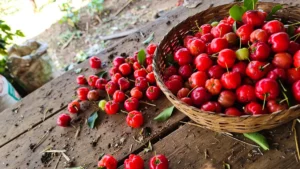
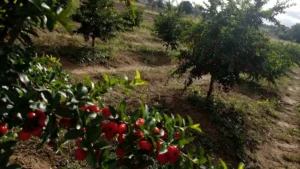
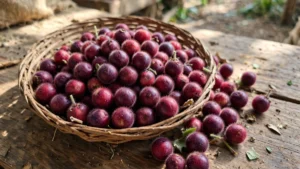
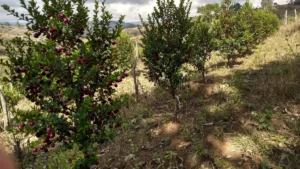
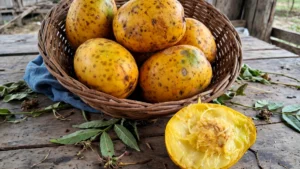
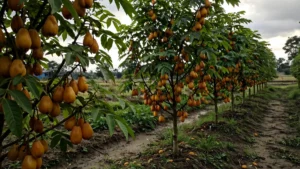
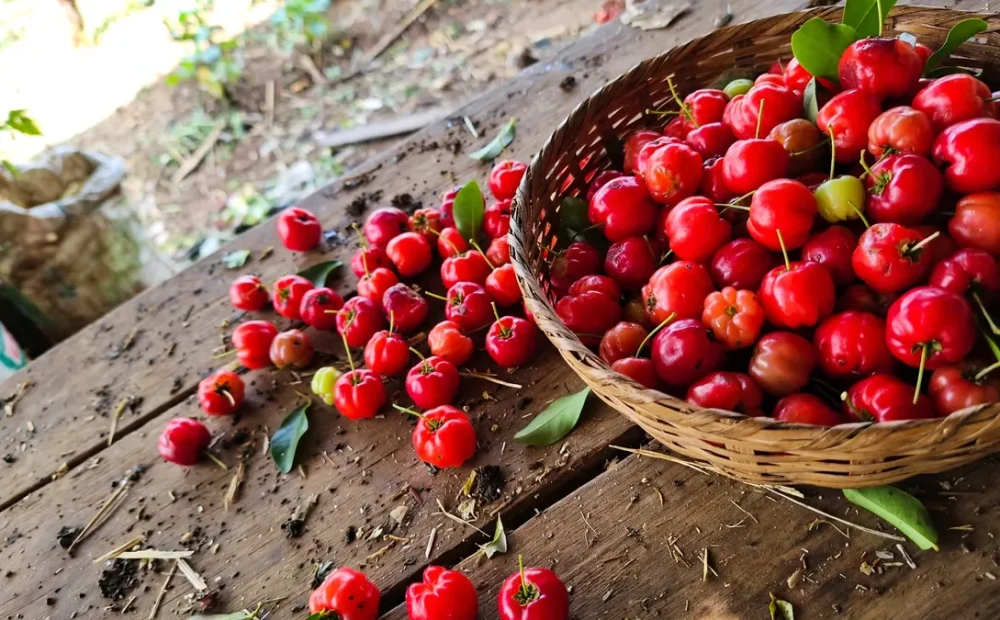
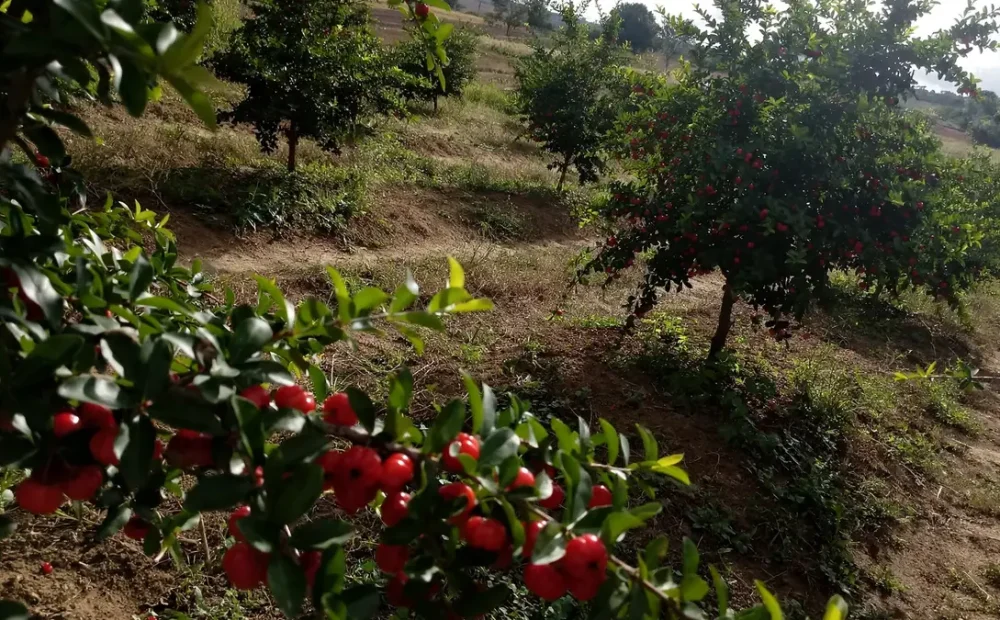
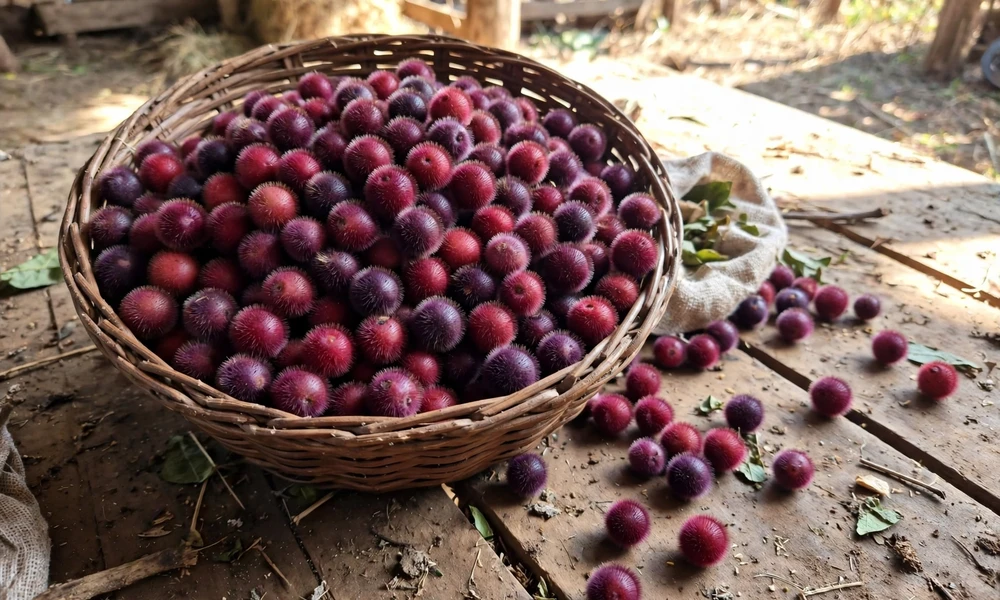
The escape is a stay of two or three nights on a working orchard in southern Brazil. The trees are small and slow-growing, and their fruit hangs along the branches in clusters that turn from green to deep red and then to a dark purple. The fine hairs on the skin give the fruit its name, and the soft, juicy flesh inside is sweet with a sharp edge. You eat the berries fresh, seeds spat out, and the rest of the pick becomes juice, jelly, liqueur or ice cream in the farm kitchen.
A day on the farm starts early. The picking walk leaves soon after breakfast, while the berries are still cool and firm, and the farmer shows you which clusters are ready and which need another day. By midday the baskets are in the kitchen, and the afternoon belongs to the tasting table and the shade. Evenings are quiet: a long dinner, the berries in a sauce or a glass, and a guesthouse a short walk from the rows.
It is not a sightseeing trip. There is no itinerary of towns and viewpoints, and the farms are small, most with fewer than a dozen guests at a time. The pleasure is in the narrow focus: one fruit, one orchard, one kitchen, and a few days spent learning how the three fit together.
How to plan the escape and what to look for
Start with the fruit, not with the fares. Write to two or three farms and ask for their harvest dates in writing, then build the trip around the weeks they name. A farm that gives you a clear answer is worth more than a cheap flight to a region where the berries are still green. Once the dates are set, choose the region that fits how much travelling you enjoy: a city-edge farm for a short trip, a highland or coastal farm for a longer one.
Then look closely at the stay itself. A good farm has a comfortable bed, a bathroom that works, meals cooked on the property, and a host who answers questions directly. Ask how many guests pick on the same morning, because a quiet row beats a crowded one, and ask what happens if the harvest runs late. Our guide to planning a jabuticaba farm escape follows the same order, and it works because the fruit, not the airline, sets the schedule.
Finally, sort the food before you travel. Farm kitchens are shared, and wheat turns up in bread, cakes and sauces, so tell the farm about a gluten-free diet in your first message and confirm it again when you arrive. A farm that takes the note seriously will plan your meals around it; a farm that brushes it off will not.
The 9 steps to plan your cabeludinha farm escape
Build your dates around the harvest weeks
What to do: Write to two or three farms and ask for their harvest dates in writing, then book your travel around the weeks they name. What to avoid: Booking a cheap flight first and hoping the berries are ripe when you land. Best for: Anyone travelling in the main summer season. Time needed: An afternoon of messages. Standout tip: Ask each farm how it handles a late harvest, and keep the reply with your booking.
The fruit sets the trip, not the airline, and a farm that names its weeks honestly is worth more than a fare that saves you a little money.
Pick a region that suits how far you like to travel
What to do: Pick a city-edge farm for a short stay and a highland or coastal farm for a longer one, and be honest about how much travelling you enjoy. What to avoid: Choosing a far-flung farm for a two-night weekend and spending both days on the road. Best for: Travellers weighing a short stay against a longer one. Time needed: An evening of reading. Standout tip: Match the journey to the stay, not the other way round.
Southern Brazil is large, and the distance between farms is real. A short trip near São Paulo can be just as rewarding as a long one in the highlands.
Ask for fresh photos of the trees, not the brochure
What to do: Ask for recent photos of the orchard and the current state of the fruit, and ask how many trees are bearing this year. What to avoid: Booking on glossy pictures alone without asking what the rows look like now. Best for: Travellers who want to know what they are actually walking into. Time needed: A few messages over a day or two. Standout tip: A farm that sends fresh photos is a farm that is proud of its trees.
Brochures show the best year. Fresh photos show this year, and this year is the one you are travelling in.
Plan the whole journey before you spend anything
What to do: Confirm the road, the arrival time, and whether the farm collects guests from the nearest town, before you book anything. What to avoid: Arriving after dark on a winding mountain road you have never driven. Best for: Anyone travelling without a car, or arriving late in the day. Time needed: An hour of planning. Standout tip: Arrive in daylight on your first visit, even if it means leaving earlier.
Rural roads in the south are not always signed well, and a farm that collects its guests is telling you it has done this before.
Raise the wheat question before you book anything
What to do: Mention a gluten-free diet in your first message to the farm, list what you cannot eat, and confirm it again when you arrive. What to avoid: Waiting until dinner on the first night to mention it. Best for: Anyone who needs gluten-free meals. Time needed: A minute in your first email. Standout tip: Ask what the farm serves instead of bread, so you know the plan is real.
Farm kitchens cook for the whole table, and a note given early is a note the cook can actually plan around.
Pack for early mornings and strong sun
What to do: Pack light layers, a hat, sunscreen and sturdy shoes, because the pick starts early and the sun is strong by mid-morning. What to avoid: Packing only beach clothes and arriving in sandals for a walk through the rows. Best for: Anyone picking in the summer heat. Time needed: An evening of packing. Standout tip: A light long sleeve protects you from both the sun and the fine hairs on the fruit.
The best berries are picked before the heat, so dress for a cool dawn and a hot late morning in the same outfit.
Spend your first hour learning ripeness
What to do: On the first walk, ask the farmer to show you a green berry, a ripe one and an overripe one, and taste each in turn. What to avoid: Filling your basket with the first dark berries you see without checking how they feel. Best for: First-time pickers who want to get it right. Time needed: The first hour of the first morning. Standout tip: A ripe berry gives slightly under your thumb and comes away from the branch easily.
An hour spent learning the fruit saves a basket of berries you would have picked too early, and it makes the rest of the stay better.
Book the cooking session as well as the picking walk
What to do: Book the farm’s kitchen session, where your morning pick becomes juice, jelly or liqueur, and stay for the tasting. What to avoid: Treating the trip as a walk through the trees and skipping the part where the fruit becomes food. Best for: Food lovers and anyone who wants to take something home. Time needed: An afternoon. Standout tip: Ask the cook which dish the berries suit best, and write the recipe down.
The berries keep for hours, not days, so the kitchen is where the harvest is saved, and the session is the heart of the stay.
Keep your final morning free for the market
What to do: Keep your final morning free for the local market and the farm’s gate shop, where jars of jelly and bottles of liqueur are sold. What to avoid: Booking a dawn departure that skips the market entirely. Best for: Travellers who want to bring the trip home. Time needed: A morning. Standout tip: Buy the jelly made from the fruit you picked, not the batch from last year.
Fresh berries do not travel, but the things cooked from them do, and a jar from your own pick is the best souvenir the trip offers.
Matching the trip to you
If you have a long weekend, keep it simple: a farm near São Paulo or Brasília, a short journey, and two nights in the rows. The picking is just as good there as anywhere else, and you lose no days to travel. If you have a week, go further: Curitiba for the cool mornings, Belo Horizonte for the late season, or Florianópolis for orchard mornings and beach afternoons.
Food lovers should lean toward Porto Alegre or Salvador, where the berry appears across the whole table, from sauce to dessert to liqueur. Travellers who like order and a clear schedule will be happiest in Brasília, where the days run on a plan, while those who prefer wildness will enjoy Salvador’s garden, which feels more like a forest than an orchard. Our guide to planning a grumixama farm escape covers another small Brazilian cherry with the same shape of trip, and it is a useful second read if you are torn between the two.
Whatever you choose, let the harvest set the dates and the kitchen set the pace. A trip planned that way gives you the fruit at its best, the meals at their best, and the farm at its most honest.
The caveats that matter
Cabeludinha is a gentle fruit, but the escape still needs honest expectations. The season is short, the berries are soft, and the fruit does not travel, so a stay booked outside the harvest weeks will not give you the experience you came for. The seeds are not eaten, the juice stains clothes, and farm meals come from a shared kitchen where wheat is common.
| Detail | What is known |
|---|---|
| Botanical name | Myrciaria glazioviana, a small slow-growing tree from southern Brazil |
| The fruit | Round berries, 2 to 3 cm wide, turning deep red then dark purple, skin covered in fine hairs |
| Harvest season | The summer months, around December to February, lasting only a few weeks |
| How it is eaten | Eaten fresh off the branch, or turned into juice, jelly, liqueur and ice cream |
| Seeds | Each berry holds one or two seeds, which you spit out rather than chewing |
| What sets it apart | Berries hang in clusters along the branches, while jabuticaba fruits straight from the trunk |
| Shelf life | Barely a day; the berries go soft within hours of being picked |
| Gluten note | Wheat is common in farm bread, cakes and sauces, so raise it before you travel |
Heat is the other thing to plan for. By mid-morning the southern sun is fierce, and the best berries are picked before it climbs. Pack a hat, drink plenty of water, and save the afternoon for the kitchen and the shade rather than the rows.
Checklist: planning your cabeludinha farm escape honestly
Use these checks before you book, and again before you travel.
- Check the harvest weeks: get the farm’s ripeness dates in writing before you book flights.
- Check the journey: confirm the road, the arrival time and whether the farm collects guests from town.
- Check the food: raise a gluten-free diet in your first message and confirm it again when you arrive.
- Check the group size: ask how many guests share the morning pick, and favour a small group.
- Check the kitchen: book the cooking session, so the morning pick becomes something you can taste and take home.
- Check the last morning: keep it free for the market and the gate shop, and do not book a dawn departure.
Frequently asked questions
When should I book a cabeludinha farm escape?
As soon as the farm confirms its harvest weeks, usually by late spring. The season runs roughly December to February, and the best farms fill up fast once the dates are known. Book the farm first, then the flights.
How is cabeludinha different from jabuticaba?
They are cousins in the same genus, but the fruit grows differently. Cabeludinha is Myrciaria glazioviana, with velvety berries that hang along the branches, while jabuticaba is Myrciaria cauliflora, with smooth, dark fruit that grows directly on the trunk. Cabeludinha is softer and more tart, and it keeps for even less time.
Do I need farming experience to enjoy this trip?
No. The farmer shows you which berries are ripe on the first walk, and an hour of picking is enough to learn. Bring sturdy shoes and a hat, and leave the rest to the farm.
How many nights does a cabeludinha escape need?
Two or three nights suits most travellers: one morning to learn the trees, one to pick properly, and one for the kitchen. Staying longer suits food lovers who want the berry in more dishes across the week. Our guide to planning a pitanga farm escape suggests the same length, for the same reason.
Are children welcome on the cabeludinha picking walk?
Usually yes, and the walk suits them well: the trees are small, the fruit is at hand height, and the berries are fun to pick. Ask the farm in advance, and bring hats and water for them, because the morning sun is strong.
Which other fruit farm trip feels similar?
Grumixama is the closest match: another small Brazilian cherry with a short season and a kitchen that knows what to do with it. Jabuticaba is the closest cousin, and its farm stays follow the same rhythm of early picking, a kitchen session and a quiet evening.
The bottom line
A cabeludinha farm escape works when the planning follows the fruit. Get the harvest dates in writing, choose a region that fits your appetite for travel, sort the journey and the food before you pay, and the trip will give you the berries at their best, the kitchen at its best, and a few quiet days in the orchard.
Book early, pack for the morning sun, and leave your last morning free for the market. Do that, and a small, velvety berry that most travellers have never heard of can give you one of the most memorable trips of the year.