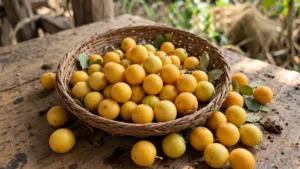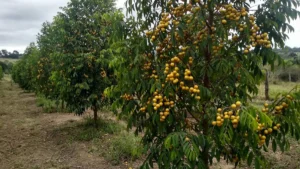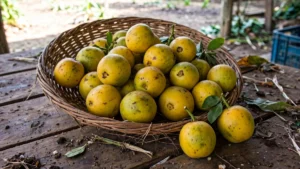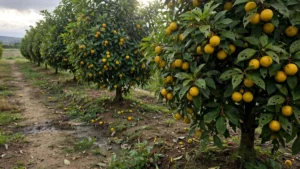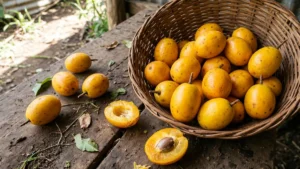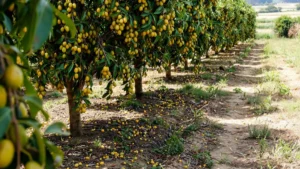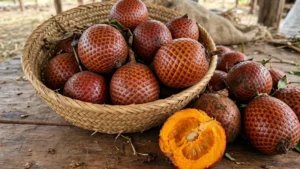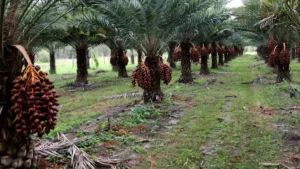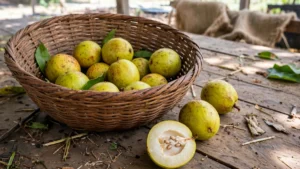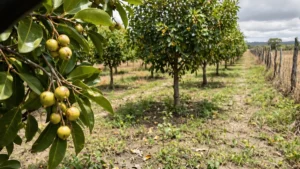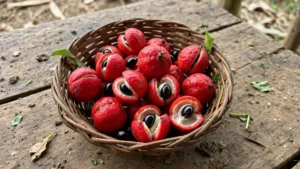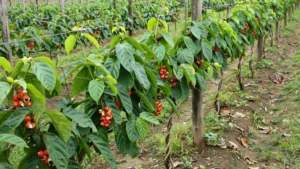

A pitanga farm escape is a short trip built around a single ribbed fruit. You sleep on the farm, you walk the hedges in the morning, and you eat what was picked an hour before. It is not a hotel with a fruit theme; it is a working farm that happens to have rooms, and the fruit decides the shape of the day.
The fruit is why you go, and why planning matters. Pitangas ripen a few at a time, they bruise if you look at them wrong, and the best ones never reach a shop shelf, because the farm sells them at the gate the same morning they are picked. Get the timing right and you will eat the best fruit of your life; get it wrong and you will stare at green shrubs.
Nine steps follow, taking you from the first taste to the booked trip: the season, the region, the questions worth asking, and what to pack for the hedges. Work through them in order and the farm does the rest, mostly.
Key takeaways
- Pitangas ripen a few at a time and the season is short, so the picking dates decide everything about the trip.
- Wild shrubs and planted trees fruit weeks apart, and the same farm can look bare or generous depending on the week.
- Most stays include a hedge walk and a tasting, but meals, transfers, and jam-making are often priced separately.
- The fruit has no gluten in it, but the farm kitchen bakes bread and cakes every morning, so put a wheat allergy in your first message to the farm.
- Ask for the picking dates in writing before you pay for flights — a farm that is open is not the same as a farm that is bearing.
What a pitanga farm escape involves
A pitanga farm escape involves staying on a working fruit farm for two or three nights, usually in a simple room at the edge of the hedges. The day starts early: the host walks the shrubs, the guests pick a basket, and breakfast is served with the fruit still cool from the hedge. The host walks the shrubs at dawn, before the heat, and the guests follow with baskets.
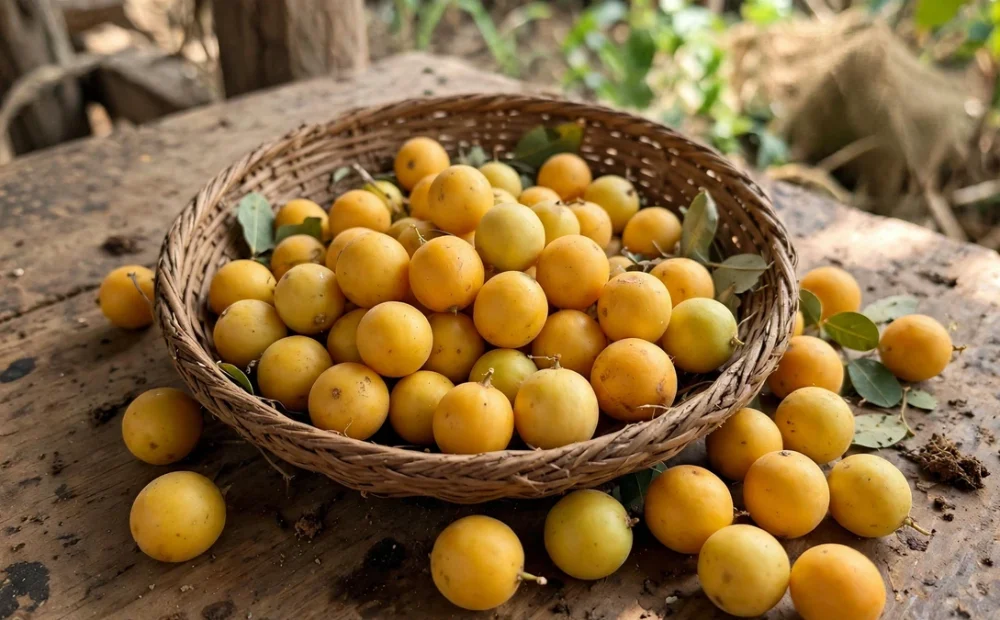
The fruit is small and soft, so the picking is gentle work. You cup the fruit in your palm and twist, and a ripe one comes away without a tug. The unripe ones stay on the branch, orange and hard, and the host will tell you to leave them alone. By midday the baskets are full, the kitchen is making jam, and the afternoon is yours. The host will show you which fruit is ready by its colour and its give, and after one morning you will know it yourself.
Rooms are plain by design: a bed, a window onto the hedges, and a fan for the warm nights. Nobody books a pitanga farm for the thread count. The luxury is outside the window, in the rows, and in the kitchen, where the fruit from your morning basket appears at lunch.
An escape is not a tour. There is no daily programme, no guide with a flag, and no gift shop at the gate. What you get is a room, a hedge, a host who knows the shrubs, and a kitchen that cooks with the fruit. Our guide to planning a cherry farm escape works the same way: the farm is the holiday, and the planning is about the fruit, not the hotel.
How to plan it, and what to ask first
Start with the fruit; the flight can wait. Find out when the shrubs bear where you fancy going, and whether the farm expects a flush while you are there. A farm that answers plainly is worth booking; one that answers with photographs is selling you a picture.
Ask what the rate covers before you hand over money. The hedge walk, the tasting, and the jam session are three different things, and some stays charge for each one on its own. Check whether breakfast comes with the room, whether the farm sends a car from the airport, and whether the host speaks a language you can manage.
Check the room as carefully as the fruit. A window that faces the hedges is worth more than a bigger bed, and a fan matters more than a television when the nights stay warm. The blackberry farm escape guide makes the same point: the bedroom decides whether you sleep well, and the fruit decides whether the trip was worth it.
The 9 steps to plan a pitanga farm escape
Taste the fruit at a market and let it choose the country
What to do: Buy a punnet of fresh pitangas at a market and eat them slowly, deciding whether you like them tart or sweet. A punnet costs little and teaches more than any photograph. The flavour you prefer points to the region: cooler ground gives sharper fruit, warmer ground gives sweeter. What to avoid: Picking a country from pictures alone, before you know whether you like the fruit tart or sweet. Best for: Travellers who have never tasted a farm pitanga. Time needed: An afternoon at a market. Standout tip: Taste fruit from two stalls if you can, because one shrub’s crop can differ wildly from the next. If the stall also sells jam, buy a jar — it tells you what the farm does with the fruit it cannot sell fresh.
Have the farm name its ripest fortnight before you price a flight
What to do: Write to the farm and ask which fortnight it expects its heaviest flush, then build the trip around those dates. A flush lasts a week or two, and the farm knows its shrubs better than any calendar. What to avoid: Booking flights first and hoping the fruit cooperates, because a farm that is open is not the same as one that is bearing. Best for: Travellers with holiday dates that cannot move. Time needed: A week of emails before you book anything. Standout tip: Ask for the dates in writing, and keep the farm’s reply with your booking.
Pick the farm by its jam shelf, not its pool
What to do: Choose the farm whose kitchen cooks with the fruit every day, because that is where the trip lives. A farm that makes jam, juice, and cakes from its own crop will feed you better than a farm with a pool and a fruit bowl. What to avoid: Judging a farm by its pool, its lawn, or its photographs, when the kitchen is what you will remember. Best for: Travellers who build a trip around food. Time needed: An evening comparing farm kitchens online. Standout tip: Ask what the farm served yesterday, not what it serves in its brochure.
Check whether the fallen fruit is yours to gather
What to do: Ask the farm whether guests can gather fallen fruit from under the shrubs, because ripe pitangas drop fast and the ground is where the sweetest ones land. Some farms welcome it, and a morning spent gathering is the best part of the trip. What to avoid: Assuming you can pick from the branches, when many farms keep the branch picking to the crew. Best for: Travellers who like working with their hands. Time needed: One question, sent with your first email. Standout tip: Bring a shallow basket, because deep buckets bruise soft fruit.
Choose the bedroom with a hedge for a view
What to do: Ask for the room whose window looks onto the hedges, and pay a little more for it if you must. Waking to the shrubs is the whole point of the trip, and a garden view is no substitute. What to avoid: Accepting the last room available and waking to a plain brick wall. Best for: Travellers who rise early. Time needed: Five minutes at booking. Standout tip: Ask which way the window faces, not only whether the room is free.
Open with the wheat allergy in your first email to the farm
What to do: Write the wheat allergy into your first message to the farm, before any money moves, so the kitchen can plan around it. The fruit carries no gluten, but the morning’s bread and cakes do, and flour drifts easily in a small kitchen. What to avoid: Mentioning the allergy at check-in, when the kitchen has already baked for the day. Best for: Gluten-free travellers. Time needed: Two minutes in your booking email. Standout tip: Ask the farm to describe how it keeps flour off your plate, not just whether it can.
Wear sleeves and a hat for the thorns and the sun
What to do: Pack long sleeves, closed shoes, and a hat, because the shrubs are dense and scratchy and the sun is strong by mid-morning. Light clothes that cover you are worth more than sunscreen alone. What to avoid: Walking the hedges in shorts and sandals, which leaves your legs scratched and your feet dusty. Best for: Anyone planning to pick. Time needed: Ten minutes packing. Standout tip: Wear clothes you do not mind staining, because pitanga juice does not wash out easily.
Learn to set pitanga jelly at the farm stove one morning
What to do: Book the jam session and spend a morning at the stove with the cook, stirring the fruit down to jelly. It is the best souvenir a farm offers, and the jars travel better than fresh fruit ever will. What to avoid: Skipping the session to lie by the pool, when the kitchen is where the farm shows its skill. Best for: Travellers who like to cook. Time needed: A morning at the stove. Standout tip: Ask the cook how long the jelly keeps, and label your jars with the date.
Take sealed jars home and leave the soft fruit where it grew
What to do: Buy sealed jars of jam and juice at the farm shop, and leave the fresh fruit where it grew. Pitangas bruise in a bag and spoil in a day, while a sealed jar keeps for months. What to avoid: Packing fresh fruit for the journey home, which arrives as red mush. Best for: Travellers flying home. Time needed: Twenty minutes set aside for the farm shop. Standout tip: Check your airline’s rules for liquids before you buy juice.
Picking the right season and region
For the longest season, choose Brazil, where the shrubs bear for much of the warm season and the flushes come thick and fast. For a short, sharp trip, choose Florida or Hawaii, where the fruiting window is narrow and the dates matter more than the price. For the quietest stay, choose Queensland, where the farms are small and the season runs long. Whichever region you pick, ask the farm how many flushes it expects in your month, because a farm with three flushes forgives a late flight in a way a farm with one never will.
Newcomers do best in São Paulo, where the farm knows guests, the season runs long, and the kitchen cooks with the fruit daily. Our raspberry farm escape guide says the same in different words: a farm that cooks with its crop every day does most of the work for you.
Book the farm before the flights, and the flights before the car. The farms keep few rooms, and the best weeks go first. If the farm offers a lift from the airport, take it — the lanes are narrow, the signs are few, and a local driver knows which turnings flood after rain.
The caveats that matter
A pitanga farm escape is lovely, but it is not for everyone. The crop answers to the weather, the farms lie far from town, and the good ones tell you plainly what is ripening and what is not.
| Detail | What is known |
|---|---|
| Best time to visit | The warm months, when the shrubs are bearing; the window moves by country |
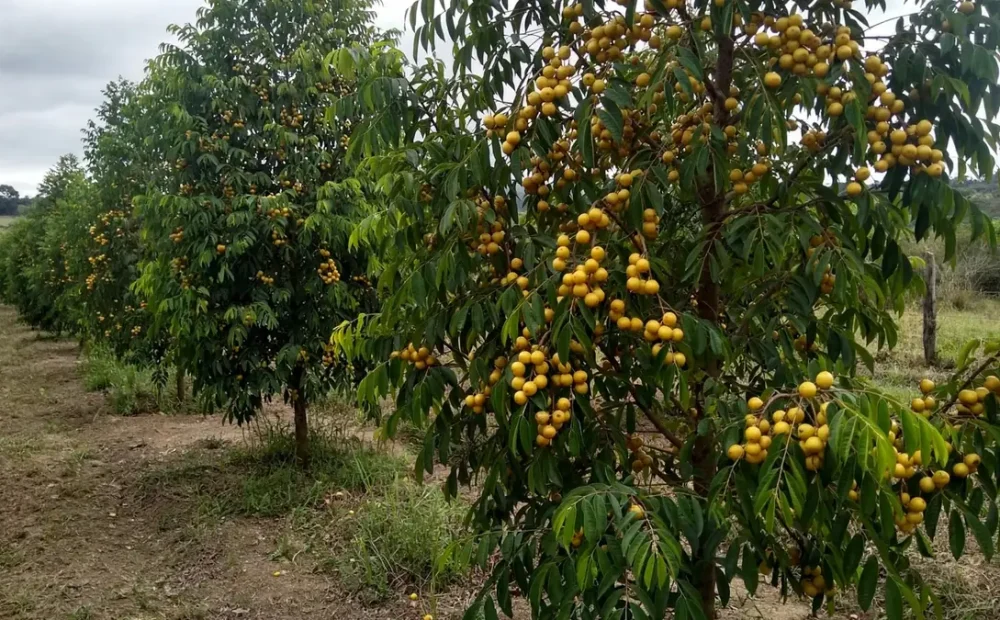
| The two main kinds | Wild shrubs bear small fruit close to the ground; planted trees grow tall and bear larger fruit |
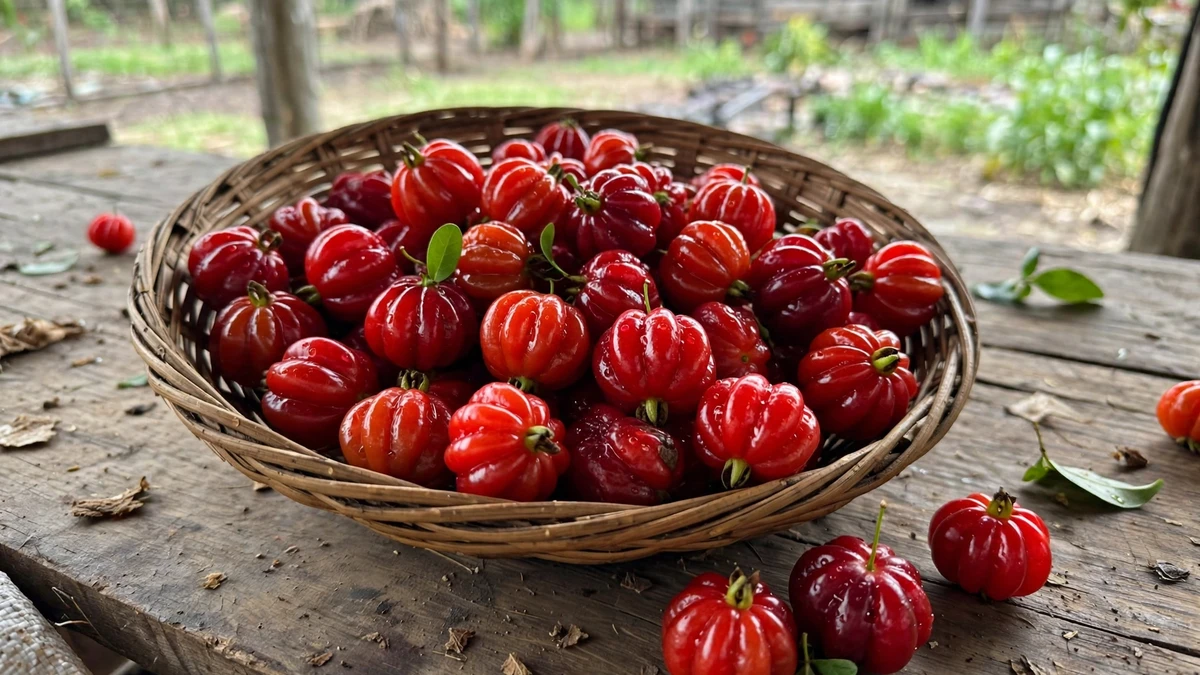
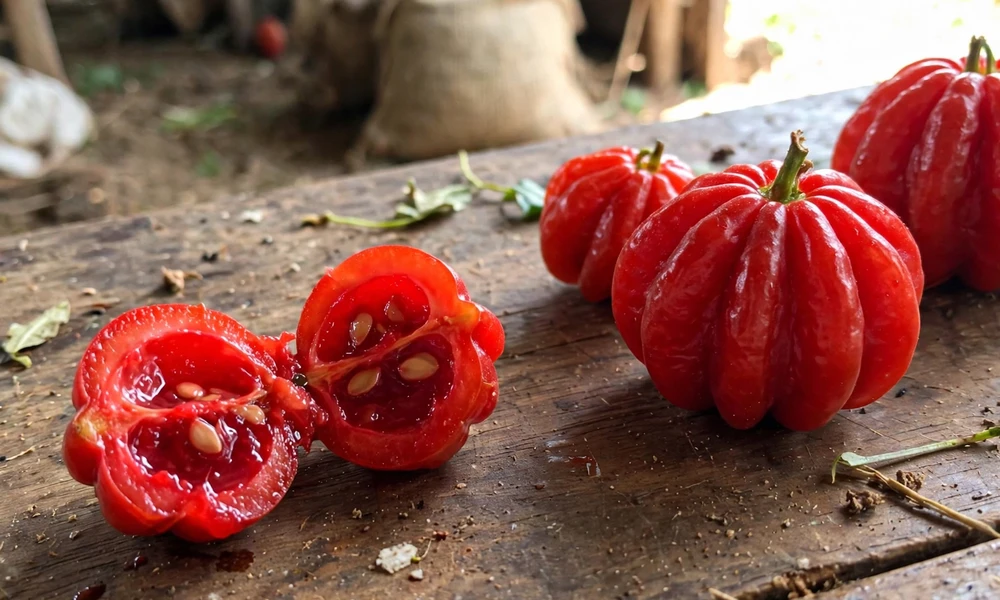
| How ripe fruit looks | Deep red all over, soft, and ribbed like a tiny pumpkin, with no orange on the skin |
| What is usually included | Room and breakfast plus a hedge walk or tasting; jam-making and transfers often cost extra |
| Who should go | Slow travellers, food lovers, and families with older children |
| Who should think twice | Anyone after nightlife, quick service, or a full daily programme |
| Transfers | Usually an hour or more from the closest airport; book the lift before you arrive |
| What is not guaranteed | Fruit on your dates; the crop leans on weather, season, and the shrub’s own rhythm |
Pitangas themselves are gluten-free, yet the morning bread and cakes come from the same small kitchen, so find out how the farm keeps flour off your plate. Soft fruit spoils fast, so eat it on the day it is picked and carry jam home rather than fresh fruit. Travellers with a health condition, anyone expecting, and families with small children should check the practical side first: the nearest clinic, the last spraying date, and whether little feet can manage the paths.
Checklist: before you book a pitanga farm escape
Run through these checks before you pay, then once more in the week before you travel.
- Confirm the fruiting: will the shrubs be bearing on your dates, or only open for guests?
- Confirm what the rate covers: hedge walk, tasting, meals, transfers — and what costs extra.
- Confirm the airport run: how long is the drive, and will the farm send a car?
- Confirm the bedroom: does the window face the hedges or the garden, and is there shade, a fan, or air conditioning?
- Confirm the growing: how large is the field, is it organic, and when did the farm last spray?
- Read reviews from guests who travelled in the same season you plan to.
Frequently asked questions
How many nights is a pitanga farm escape?
Two or three nights is enough. One night is too short to learn the shrubs, and a week is too long unless you love slow days. Arrive the day before a flush peaks, and leave the morning after the jam session.
Is a hire car needed to reach a pitanga farm?
Usually, yes, or a lift booked with the farm. The farms sit an hour or more from the closest airport, and buses rarely reach them. Book the car or the lift before you arrive, not after you land.
Can guests pick pitangas during the farm walk?
Most farms say yes, provided you walk with a guide and ask first. Some hand guests a basket for a few fruit, while others leave branch picking to the crew, since the shrubs are dense and easy to damage. Gathering fallen fruit is often welcome.
What is the difference between pitanga and cherry?
Pitanga is a ribbed tropical fruit with a tart, resinous edge, while a cherry is smooth and round with a single stone. Pitanga grows on a shrub or small tree in warm climates, and its fruit softens fast; cherries grow on larger trees in cooler climates and keep longer.
Do children enjoy a pitanga farm escape?
Older children, yes. The picking is gentle, the fruit is fun to gather, and the jam session keeps them busy. Small children struggle with the scratchy branches and the long walks, so ask the farm about paths and shade before you book.
What should a wheat-free traveller ask the farm before booking?
Ask it when you book, not at check-in. The fruit has no gluten in it, and the rice dishes are generally safe. The risk is the morning’s bread and cakes, so ask the farm how it keeps flour away from your plate.
The bottom line
A pitanga farm escape suits travellers who want a short trip with a single flavour at its heart, and who do not mind slow days. The fruit is tart, the picking is gentle, and the best farms feed you from the hedge at every meal.
Choose by season first and region second: São Paulo for the longest picking, Queensland for the quietest stay, Hawaii for the sea air — and take the jam home sealed, because the fruit will not survive the journey.