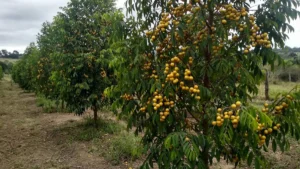
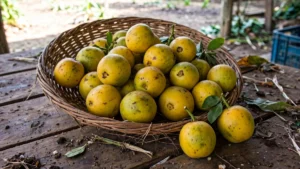
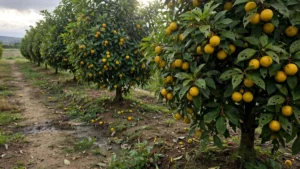
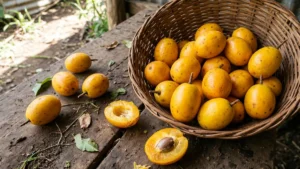
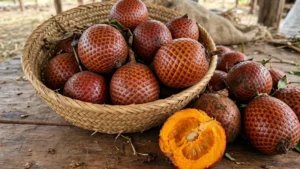
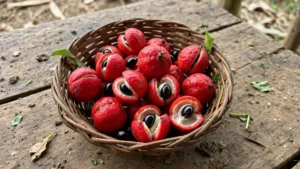
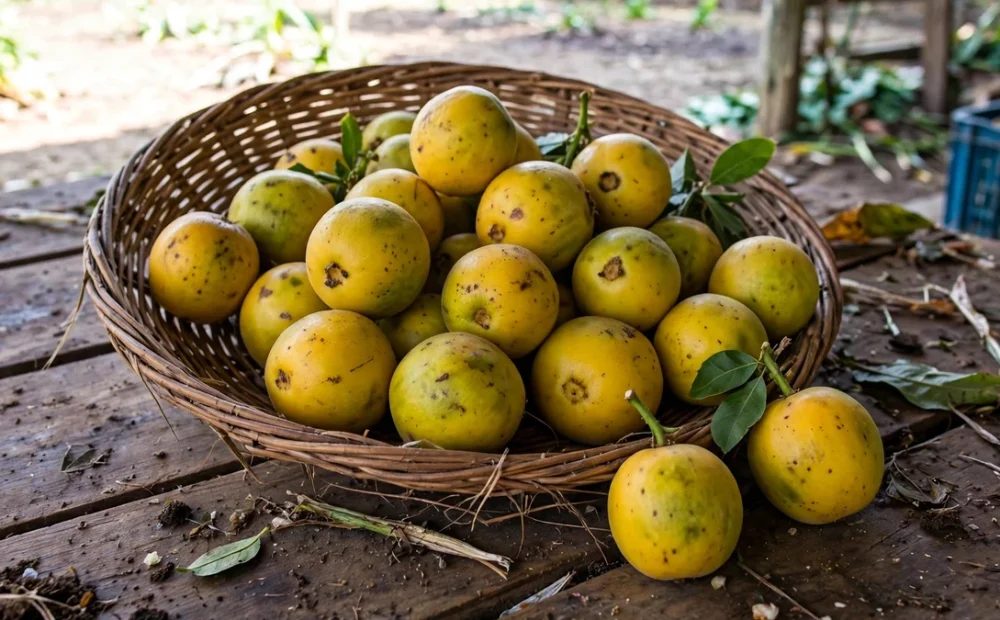
Pitanga does not look like a cherry, and it does not behave like one either. The fruit hangs from the shrub in a small ribbed globe, green first, then amber, then a deep red that darkens almost to black, and it comes away soft when it is ready. Bite in and the flesh is tart and sweet together, with a faint resinous edge no ordinary cherry carries, and the juice stains the fingers bright red.
The shrub grows fast, a small tree in warm places and a dense hedge in cooler ones, and it fruits in flushes through the warm months. A stay on a pitanga farm is built around those flushes: the hedge is the view, the picking is the morning’s work, and the kitchen turns the fruit into jam, juice, and a sharp red caipirinha before the day ends.
Nine pitanga farm stays follow, from the forest hills of São Paulo to a small orchard behind Byron Bay. Each one gets an honest read on what it does well, where it falls short, and who it suits best.
Key takeaways
- Pitangas grow on a shrub or a small tree, and the stays worth booking are working farms where the fruit is the main crop, not a garnish.
- A ripe pitanga is deep red all over, soft when you press it, and ribbed like a tiny pumpkin; an orange or firm one is not ready.
- The shrub fruits in flushes, so the region you pick decides whether you land in a glut or between crops.
- A hedge walk and a tasting usually come with the room, while meals, transfers, and jam-making are often charged apart.
- Travellers with a wheat allergy should write to the kitchen first, because farm kitchens bake bread and cakes each morning and flour gets everywhere.
What a pitanga farm retreat actually is
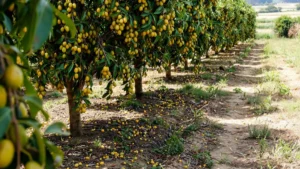
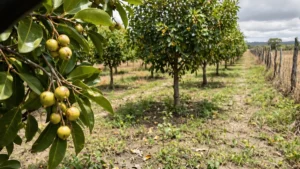
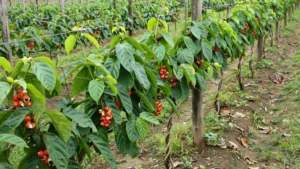
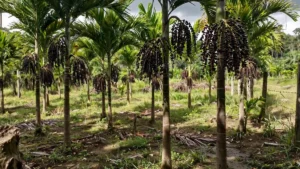
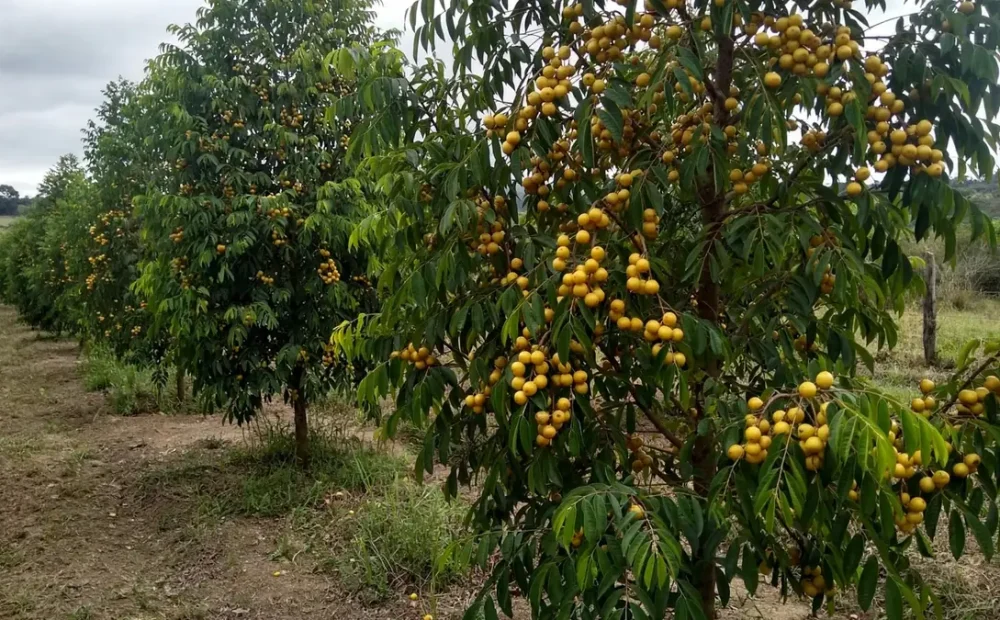
A pitanga farm retreat is a night or three on, or beside, a working pitanga farm. The shrubs stand in long hedges, glossy-leaved and dense, and the fruit hangs in clusters that ripen a few at a time, so the picking never stops while a flush runs. Guests pick by hand, and most of the crop never leaves the farm — it is eaten, juiced, or jammed on the spot.
What sets it apart from an ordinary farm stay is the single crop running through everything. The fruit decides the day, from breakfast’s bowl to lunch’s jam and dinner’s juice over ice. Rooms tend to be plain, the host tends to work the hedges, and the timetable follows the picking.
Know what the nightly rate covers first. Some stays are farms first and foremost, with plain rooms and a host who prunes the shrubs each morning. Others are comfortable guesthouses set inside a fruit farm, with more ease and less farm work to see. Both kinds can be wonderful, yet they are different holidays, and the price usually tells you which one you are booking. Our guide to luxury cherry farm retreats follows the same idea: get the inclusions in writing before the photographs win you over.
How we picked these stays, and what to ask first
We looked for stays where the pitanga shrubs are real and central, not decorative. A good pitanga retreat grows its own fruit, offers a hedge walk or tasting with the stay, and tells you plainly what happens between flushes.

Start with the season. Pitangas fruit in flushes through the warm months, and the peak shifts by country. Brazil picks for much of the year. Florida and Hawaii pick through the summer, and Australia picks while the northern farms rest.
Then ask what the price covers. A hedge walk, a tasting, and a jam session are three separate things, and some stays charge for each one on its own. Find out if breakfast comes with the room, if the garden is shared, and if the host speaks a language you can manage. When a farm spells out every charge before you book, it is usually run with care. The blackberry farm retreats we covered earlier are the same kind of stay: small, farm-first places where the fine print matters more than the photographs.
The 9 best luxury pitanga farm retreats of 2027
São Paulo, Brazil — Pitanga Hedges in the Atlantic Forest Hills
What we like: São Paulo is pitanga country, and the fruit here grows on tall shrubs in red soil under the forest edge, small, ribbed, and sharply sweet. The stay is a weathered farmhouse at the field edge, and the host takes guests through the hedges with a basket before breakfast.
What to consider: Rain arrives fast in the warm season, and a wet week can soften the fruit before anyone picks it. The farm sits well away from the nearest town, so arrange a lift before you arrive. Best for: Travellers who want pitanga where Brazil grows it best. Style: Old farmhouse on the field edge. Price range: $65–$95 a night, breakfast served from the farm kitchen. Standout feature: Early-morning walks with the host among the picking hedges.
Rio de Janeiro, Brazil — Pitanga Rows above the Green Coast
What we like: A farm on the green coast where pitanga shrubs grow in rich soil under the hills, and the fruit is dark, tart, and slow to ripen. The rooms look down the valley, the host runs a small kitchen, and the jam bubbles in a copper pot on the stove.
What to consider: The climb is steep and the farm fills up in the fruiting months. Evenings stay warm enough for sitting outside, and the nearest town is thirty minutes away. Best for: Travellers who want warm hill air with their fruit. Style: Farmhouse on the hillside, valley below. Price range: $95–$125 a night, breakfast from the farm’s own kitchen. Standout feature: Jam stirred in a copper pot on the stove.
Ouro Preto, Minas Gerais — Pitanga in the Old Mining Hills
What we like: A farm in the old mining hills near Ouro Preto where pitanga grows beside the coffee rows, and the fruit is served with cheese at every meal. The house is a low white building with a shaded garden, and the host folds the fruit into cakes for breakfast.
What to consider: The farm lies a long way from the city, and the afternoon heat can soften the fruit by midday. Midges gather on still evenings, so bring repellent. Best for: Travellers who want good fruit and good food in one trip. Style: White farmhouse with a shaded garden. Price range: $125–$160 a night, breakfast and dinner cooked on the farm. Standout feature: Fresh pitanga cakes at breakfast.
Paraná, Brazil — Pitanga Hedges on the Red Earth
What we like: A large farm on red earth where pitanga shrubs grow tall in deep soil, and the fruit comes in heavy and sweet. The stay is a comfortable farmhouse, the garden is wide, and the host opens the hedges to guests who want to pick in the morning.
What to consider: Midday heat is fierce and the farm lies far from the nearest city. A breeze helps, but the tracks turn dusty after a dry week, so wear shoes that can take it. Best for: Travellers who want a heavy harvest and a full basket. Style: Comfortable farmhouse on red earth. Price range: $160–$195 a night, dinner at the farm table included. Standout feature: Guest picking mornings in the hedges.
Rio Grande do Sul, Brazil — Pitanga in the Vineyard Valleys
What we like: A farm in a southern valley where pitanga grows beside vineyards, and the kitchen folds the fruit into tarts every afternoon. The house is old and low, the air stays cool even in summer, and the host knows the shrubs row by row.
What to consider: The valley lane is narrow and rooms are scarce, so book early. The fruit runs sharp in the early season, and the wind rises off the river by afternoon. Best for: Travellers after a quiet green corner of the south. Style: Old farmhouse in a river valley. Price range: $195–$230 a night, every meal at the farm table. Standout feature: Pitanga tarts baked each afternoon.
Florida, USA — Pitanga Hedges in the Warm Southern Groves
What we like: A farm in the warm south where pitanga ripens early, in long hedges under a wide sky, and the fruit is picked into baskets for the farm gate stall. The house sits among the shrubs, and the kitchen uses the fruit in sorbets as well as jam.
What to consider: Heat arrives early, and the nearest city is an hour away. The tracks turn dusty after a dry day, so wear shoes that can take it. Best for: Travellers who want warm weather and ripe fruit together. Style: Farmhouse among the hedges. Price range: $230–$265 a night, breakfast and dinner both at the farm table. Standout feature: Pitanga sorbets from the farm kitchen.
Hawaii, USA — Pitanga Shrubs on the Volcanic Slopes
What we like: A coastal farm where pitanga grows on volcanic soil above the sea, and the season runs while the mainland farms rest. The house is a timber cottage, and the host serves the fruit with shaved ice from a neighbouring stall.
What to consider: Sea wind is strong and the farm sits a drive from the nearest town. The season runs short, so the dates outweigh the price. Best for: Travellers who want pitanga by the sea. Style: Timber cottage by the shore. Price range: $265–$300 a night, meals and tastings at the farm’s table. Standout feature: Fruit with shaved ice from the stall next door.
Queensland, Australia — Pitanga Rows in the Rainy Hinterland
What we like: A farm in the green hinterland where pitanga grows in warm, damp air, and the fruit is picked into baskets for the farm gate stall. The host is a second-generation grower, the fruiting season runs long, and the kitchen makes a pitanga sauce that guests take home in jars.
What to consider: The road winds a long way, and the farm books out in the picking months. Rain comes often, so pick early and sit in the shade when the sun breaks through. Best for: Travellers who want a long picking season and green hills. Style: Hillside farmhouse, farm gate stall of its own. Price range: $300–$340 a night, full board with the farm’s kitchen. Standout feature: Pitanga sauce made on the farm.
New South Wales, Australia — Pitanga Shrubs on a Small Hills Farm
What we like: A small farm in the hills behind Byron Bay where pitanga grows in neat rows behind an old shed, and the stay is a polished cottage with a valley view. The fruit is the tart kind, the farm runs a weekly tasting, and the kitchen folds the fruit into morning pancakes.
What to consider: The rate tops this list, and the farm sits a drive from the city. The season runs short, so pin the dates down before you book. Best for: Travellers who want pitanga within reach of Byron Bay. Style: Hills cottage looking down the valley. Price range: $345–$380 a night, with the whole stay included. Standout feature: A tasting each week, valley below.
Which pitanga region fits your trip
If tradition matters most, São Paulo or Minas Gerais, where the shrubs are a working crop. For the wildest setting, Rio Grande do Sul, where the farm sits in a river valley under the vineyards. For the biggest flavours, Paraná, where the sun is strong and the harvest is heavy.
São Paulo suits first-timers best: the farm knows guests, the season runs long, and the kitchen cooks with the fruit daily. Our raspberry farm retreats roundup makes the same point: a farm that cooks with its crop every day does most of the work for you.
The caveats that matter
A pitanga farm retreat is lovely, but it is not for everyone. The crop answers to the weather, the farms sit far from town, and the honest ones tell you plainly what is ripening and what is not.
| Detail | What is known |
|---|---|
| Best time to visit | The warm months, when the shrubs are bearing; the window moves by country |
| The two main kinds | Wild shrubs bear small fruit close to the ground; planted trees grow tall and bear larger fruit |
| How ripe fruit looks | Deep red all over, soft, and ribbed like a tiny pumpkin, with no orange on the skin |
| What is usually included | Room and breakfast plus a hedge walk or tasting; jam-making and transfers often cost extra |
| Who should go | Slow travellers, food lovers, and families with older children |
| Who should think twice | Anyone after nightlife, quick service, or a full daily programme |
| Transfers | Usually an hour or more from the closest airport; book the lift before you arrive |
| What is not guaranteed | Fruit on your dates; the crop leans on weather, season, and the shrub’s own rhythm |
The fruit itself is gluten-free, but the bread and cakes come out of the same small kitchen each morning, so ask how flour is kept away from your plate. The fruit is soft and spoils fast, so eat it the day it is picked and take jam home instead. If you have a health condition, are expecting, or travel with small children, check the practical side before you book: where the nearest clinic is, when the farm last sprayed, and whether the paths suit little feet.
Checklist: booking a pitanga farm stay honestly
Run through these checks before you pay, then again in the week before you travel.
- Ask about the fruiting first: will the shrubs be bearing on your dates, or only open for guests?
- Ask what the rate covers: hedge walk, tasting, meals, transfers — and which ones cost extra.
- Ask about the airport run: how long is the drive, and will the farm send a car?
- Ask about the bedroom: does the window face the hedges or the garden, and is there shade, a fan, or air conditioning?
- Ask about the growing: how large is the field, is it farmed organically, and when was it last sprayed?
- Read recent reviews from guests who travelled in the same season you plan to.
Frequently asked questions
When is pitanga season?
It shifts by country. In Brazil, the shrubs bear for much of the warm season, heaviest in spring and summer. In Florida and Hawaii the window is the summer, and in Australia the fruit comes while the northern farms rest.
What does a pitanga taste like?
Tart and sweet together, with a faint resinous edge and a soft flesh that gives under the tongue. A ripe pitanga is deep red and fragrant; an unripe one is orange, firm, and sour. Eat the best ones fresh, the morning they come off the shrub.
May guests pick pitangas from the shrubs?
Most farms say yes, if you walk with a guide and ask first. Some hand guests a basket for a few fruit, while others keep branch picking to the crew because the shrubs are thick and easy to damage. Mention it when you book, and wear long sleeves — the branches scratch.
Is it safe for everyone to eat pitangas?
Mostly. The fruit suits most people, but the seeds should not be eaten, and anyone with a fruit allergy should tell the farm before booking. Rinse the fruit before you eat it, and keep portions small if your stomach is tender.
Which pitanga farm suits a first visit best?
São Paulo, for the simplest journey and the longest season. The farm knows guests well, the fruit comes for much of the warm season, and the kitchen serves it at every meal.
How does a gluten-free traveller eat well on a pitanga farm?
Well, if you flag it when you book. The fruit itself carries no gluten, and the rice dishes are usually safe. The risk is the bread and cakes from the morning bake, so ask the farm how it keeps flour off your plate.
The bottom line
A pitanga farm retreat suits anyone who likes food grown beside the bedroom, happy to let the harvest set the day. The fruit is sharp, the flushes come thick, and the best stays serve it fresh at breakfast and jam the rest by lunch.
Pick your region for what matters most to you — the forest hills of São Paulo, the vineyard valleys of Rio Grande do Sul, the green hinterland of Queensland — and bring the jam home sealed. A jar keeps for months; the fruit would not survive the flight.