
A cherry farm escape runs on the orchard’s clock, not yours. The trees decide the dates, the weather decides the picking, and the best trips fit around both. You do not visit a cherry farm the way you visit a hotel; you visit the way you would visit a harvest, with mud on your shoes and an early alarm.
The reason is the fruit itself. A cherry ripens on the branch and never again, so the picking window for a single variety can close in a week, and one heavy shower can split the crop while you sleep. That urgency is the whole point of the trip: ladders in the rows, buckets at the gate, and a kitchen that turns the morning’s picking into lunch.
This guide covers the nine choices that shape the trip, from telling sweet cherries from sour ones to getting a cold box of fruit home in one piece.
Key takeaways
- Book the farm before the dates, because the best cherry farms are small, fill up fast, and only pick for a few weeks a year.
- Sweet cherries are for eating fresh and sour cherries are for cooking, and knowing which one a farm grows changes where you should go.
- Mornings are for picking, when the crews are out and the fruit is cool, so build your day around the orchard’s hours.
- Sleep on the farm or a short drive away, and bring a car, because orchard lanes are slow and buses rarely reach the trees.
- A storm can split ripe cherries in an afternoon, so watch the forecast and be ready to move your picking session earlier.
What a cherry farm escape actually is
A cherry farm escape is a short stay built around a working orchard. You sleep in a farmhouse, a lodge, or a guesthouse at the edge of the trees, and the orchard sets the shape of each day: picking in the morning, a look at the packing shed, a tasting of the varieties, and supper cooked with cherries.
The fruit is what makes the stay different. A cherry is picked at its ripest, stem and all, and once it leaves the branch it never gets any better. Pickers lift each cherry gently from its spur instead of pulling it, then the fruit is graded, boxed, and chilled, and a whole variety can be cleared from the trees in days.
The rhythm is the other half of the escape, and it is not for everyone. If dawn starts, ladder climbing, and stained fingers sound like a good holiday, a cherry farm will suit you. If you want late mornings and a spa, it will not.
Before you book: what to decide first
Start with what you want to learn. A large growing region such as the Yakima Valley or Traverse City shows you the cherry trade at scale, with big packing sheds and industrial farming. A small-farm region such as the Valle del Jerte or Vignola shows you old varieties and family methods instead.

Dates come next, and think in picking weeks, not months. Bing usually comes in June and Lapins and Sweetheart in July, and the farm’s busiest days are the ones when the crews are picking and the shed is running. The pear farm escape guide argues the same point, that a farm stay is best while the farm is at work, not while it rests, so read our guide to planning a pear farm escape for the same timing logic applied to a different fruit.
Then sort out travel and sleep. Most cherry farms need a car, and the last stretch is often a slow, rutted lane, so give yourself more time than the map promises and try to arrive while it is still light. If the farm has rooms, take one, so you are among the trees at dawn, and get what is included confirmed in writing.
9 steps to planning a cherry farm escape
Know your sweet cherry from your sour cherry first
What to do: Spend half an hour learning the two crops before you book, because they are different fruit with different uses. A sweet cherry is dark, firm, and eaten fresh, while a sour cherry is bright red, soft, and cooked into pies and jams. Ask every farm which it grows, and pick a sweet region for eating or a sour region for the kitchen. What to avoid: Do not book a farm on the word cherry alone, because many farms grow sour cherries, old varieties, or fruit for liqueur you have never tasted. Best For: Travellers choosing between regions for the first time. Time Needed: Half an hour of reading. Standout Tip: Look up the farm’s varieties by name, and ask the host which one the kitchen uses for pie.
Plan around the picking week, because the cherry season is short
What to do: Ask the farm which days its crews will be in the trees, and aim your stay at one of those days, when the ladders are up and the shed is running. What to avoid: Do not arrive on a quiet week and expect a full picking session, because on a non-picking day the shed can be shut and the orchard empty. Best For: Anyone who wants to see the harvest in full swing. Time Needed: One email to the farm. Standout Tip: Ask for the picking dates when you book, and plan your arrival day around them.
Pick only what is ripe, because cherries never ripen off the tree
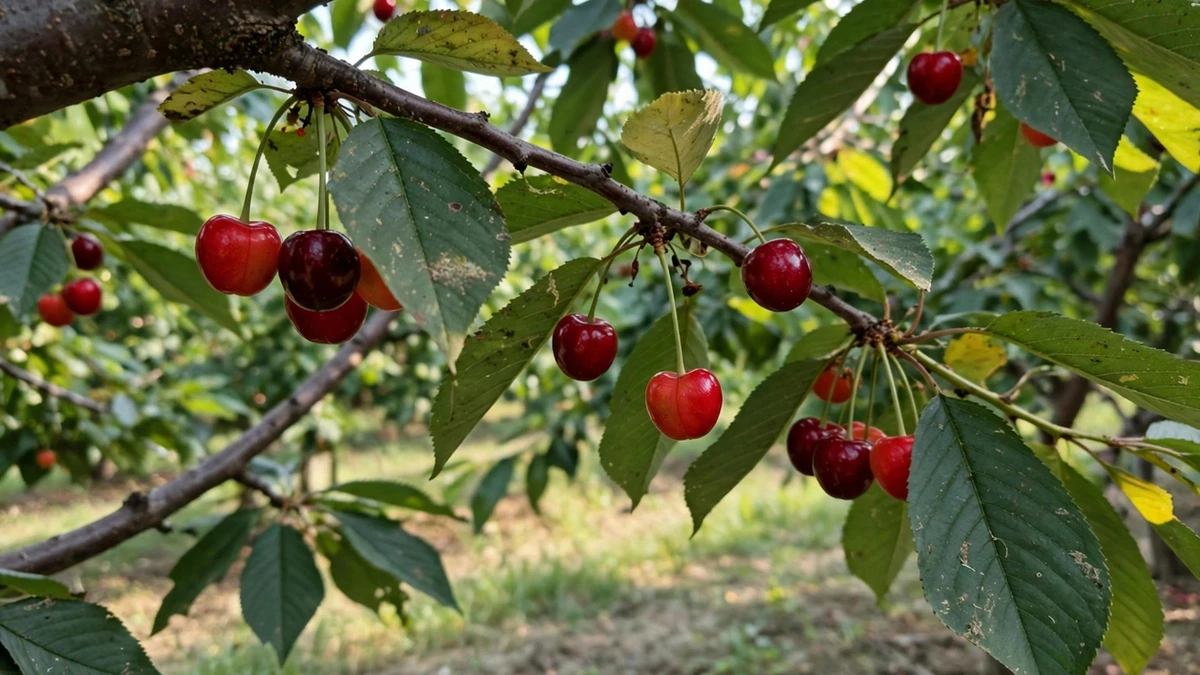
What to do: Learn what a ripe cherry looks like before you go, because there is no fixing a hard one later. A ripe sweet cherry is dark, glossy, and firm, with a green stem, and a ripe sour cherry is bright red and soft. What to avoid: Do not pick pale or hard cherries and hope they sweeten at home, because a cherry picked too early stays hard and sour, and the fruit is wasted. Best For: Visitors who plan to eat what they pick. Time Needed: A few minutes among the trees. Standout Tip: Ask the guide to show you a cherry at each stage, and taste the gap between a ripe one and one picked a day early.
Pick by the stem, never by the fruit
What to do: Learn the picking grip before you climb a ladder, because it is the one skill that keeps the fruit good. Take the stem between thumb and forefinger, lift gently, and let the cherry come away with its stem attached. What to avoid: Do not tug a cherry off its spur, because a cherry without its stem spoils quickly, and a damaged spur may not bear next year. Best For: Anyone joining a picking session. Time Needed: A few minutes with the guide. Standout Tip: Pick into a bucket and keep it in the shade, because warm cherries soften in minutes.
Watch the sky, because rain splits cherries
What to do: Check the forecast every morning of your trip, and ask the farm what rain means for picking that day. A heavy shower can split ripe cherries on the tree, so farms cover their best trees and may shut picking after a storm. What to avoid: Do not expect the orchard to open the morning after a downpour, because split fruit spoils fast and the farm will be sorting the damage, not welcoming pickers. Best For: Every visitor in cherry season. Time Needed: A minute with the forecast each morning. Standout Tip: If rain is coming, ask the farm to bring your picking session forward, because a dry morning beats a day of waiting.
See how the farm defends its cherries from birds
What to do: Ask the farm how it protects the crop from birds, and respect the answer. Most farms net their best trees, and some use scarers or falconry, because birds can strip a ripe tree in a day. What to avoid: Do not lift a net or step inside a netted row without asking, because the nets guard the fruit and a torn net lets the birds in. Best For: Every visitor, no exceptions. Time Needed: A few minutes with the guide. Standout Tip: Ask to see the trees inside the netting, because the best fruit is usually the best protected.
Let the kitchen turn one cherry into three dishes
What to do: Ask the farm kitchen to show you one cherry three ways: raw, for eating fresh; baked, for pie and clafoutis; and preserved, for jam and liqueur. What to avoid: Do not taste a raw sour cherry and judge the farm by it, because a sour cherry is meant for cooking, and it will put you off the fruit for the rest of the trip. Best For: Food lovers and home cooks. Time Needed: One meal and a tasting. Standout Tip: Try the same cherry raw, baked, and preserved in one sitting, and notice how different it tastes each way.
Bring cherries home cold, and eat them within days
What to do: Buy a box of cherries from the farm shop or the farm gate, and ask how to keep them cold on the way home. Keep them in the fridge, unwashed, stems on, and eat them within a few days. What to avoid: Do not leave a whole crate in a warm car, because cherries soften fast in the heat, and some countries restrict fresh fruit across borders. Best For: Visitors with a kitchen waiting at home. Time Needed: Ten minutes in the farm shop. Standout Tip: Ask for cherries at different stages of ripeness, so they do not all turn soft on the same day.
Bring clothes you can stain and shoes you can muddy
What to do: Wear closed shoes that grip, long sleeves, a hat, and sunscreen, carry water and a camera in a small bag, and expect wasps around the fallen fruit in early summer. What to avoid: Leave white clothes and good shoes at home, because cherry juice marks fabric for good and orchard mud ruins pale colours, and keep any food covered while you are among the trees. Best For: Anyone walking the orchard. Time Needed: An evening of packing. Standout Tip: Keep a clean pair of shoes at the door, because the orchard mud comes home with you.
Cherry seasons, explained
The cherry harvest does not fall on one day. A cherry tree flowers in spring, sets fruit in early summer, and gives its crop over a few short weeks, with Bing coming first in June and Lapins and Sweetheart following in July.
A wet spell means muddy lanes and split cherries, while a dry spell means firm ground and bright light between the rows.
Timing also means the weekly rhythm of the farm. Most farms run a weekly picking cycle, and the liveliest days are when the crews are out, the shed is running, and the grading line is in full flow. Time your visit for one of those days and you will see the whole operation at once. The plum farm escape guide makes a similar point about timing, because a fruit farm’s busy days and quiet days feel like different trips, so read our guide to planning a plum farm escape for the same idea in another orchard.
The caveats that matter
Most of what can go wrong on a cherry farm escape is simple and practical, and it starts with the ground under your feet. The lanes between the rows are uneven, slick after rain, and crossed by irrigation channels, so wear shoes that grip and look where you put your feet. Fallen cherries draw wasps in early summer, so keep your food covered and stay calm if one comes close.
| Detail | What is known |
|---|---|
| Best time to go | Early summer for harvest, roughly June to July in the north and December to January in Tasmania, with the season lasting six to eight weeks |
| How long to stay | Two to three nights, with a full morning for the orchard and a day for the area |
| Getting there | A car is almost essential, and the last stretch of orchard road is slow, so arrive before dark |
| What to wear | Closed shoes with grip, a hat, light long sleeves, and clothes that can take cherry juice stains |
| Who should check first | Anyone with a stone fruit allergy, because cherry and peach allergies are linked |
| Health and hygiene | Wash your hands after handling fruit, follow the farm’s netting rules, and do not bring fruit from another orchard |
| Money and booking | Book direct with the farm, confirm meals and picking sessions in writing, and expect a deposit for small stays |
| What it does not offer | Early mornings, farm food, and a quiet evening, not late nights, a spa, or a cocktail bar |
One more warning, about the juice itself. Cherry juice marks skin and clothes, and once it dries it is nearly impossible to wash out, so keep your hands off your clothes after handling fruit, and wash them before you eat.
Checklist: planning a cherry farm escape honestly
Run through these checks before you book, and once more before you travel.
- Varieties first: make sure the farm grows the sweet or sour cherries you actually want to see and taste.
- Picking days next: find out when the crews will be in the trees, and aim your stay at a working day.
- The stay itself: get rooms, meals, picking sessions, and tastings confirmed in writing, and ask what the price includes.
- Transport: bring a hire car, give yourself extra time for slow orchard lanes, and arrive while it is still light.
- Packing: shoes that grip, a hat, sunscreen, water, and clothes that can take a stain.
- Rain forecast: ask what the farm does after a storm, and be ready to move your picking session earlier.
Frequently asked questions
How many nights is enough for a cherry farm?
Most people find two or three nights plenty. Come in the afternoon, spend the next morning picking, use the afternoon for the surrounding area, and keep a third day spare for another farm or a local market.
Is a hire car essential for a cherry farm stay?
In almost every case, yes. Cherry farms sit on orchard land beyond the towns, and the final stretch is often a slow, rutted lane no bus serves. A small hire car will do, but ask about the lane before you book, because a wet orchard road can need more clearance.
May I taste a cherry off the tree?
If the guide says a cherry is ready, you can taste it straight from the branch. Most of the fruit, though, is picked by the crews at its ripest, so the tasting table is where you will eat the best of it.
What if a storm hits in the middle of my trip?
Rain can split ripe cherries on the tree, so the farm may shut picking after a storm and spend the day sorting the damage. Ask the farm to bring your picking session forward if rain is coming, and keep a wet day free for the farm kitchen, the packing shed, or a nearby town.
Is a cherry farm safe with a stone fruit allergy?
Usually, but check first. Cherry and peach allergies are linked, because the proteins are similar, and some people with a peach allergy react to raw cherry, especially in early summer. Mention the allergy when you book, and get your clinician’s view first if you have any doubt. The kiwi farm escape guide covers similar ground for kiwi growing, because allergy advice matters on every fruit farm.
What should I wear for a cherry picking morning?
Shoes that grip, light long sleeves, a hat, and plenty of sunscreen. After rain the lanes turn to mud, the sun beats down between the rows, and cherry juice leaves a mark that will not wash out, so dress in clothes you are happy to spoil.
The bottom line
A cherry farm escape works when the orchard sets the plan. Pick the farm for its varieties and its picking week, aim for a dry spell in early summer, sleep on the farm or close by, and turn up ready for a dawn start, muddy shoes, and a morning in the trees.
Stay two or three nights, climb a ladder before breakfast, taste the fruit raw, baked, and preserved in a single day, and carry a cold box of cherries home to eat within days. That is the honest way to enjoy a cherry farm.