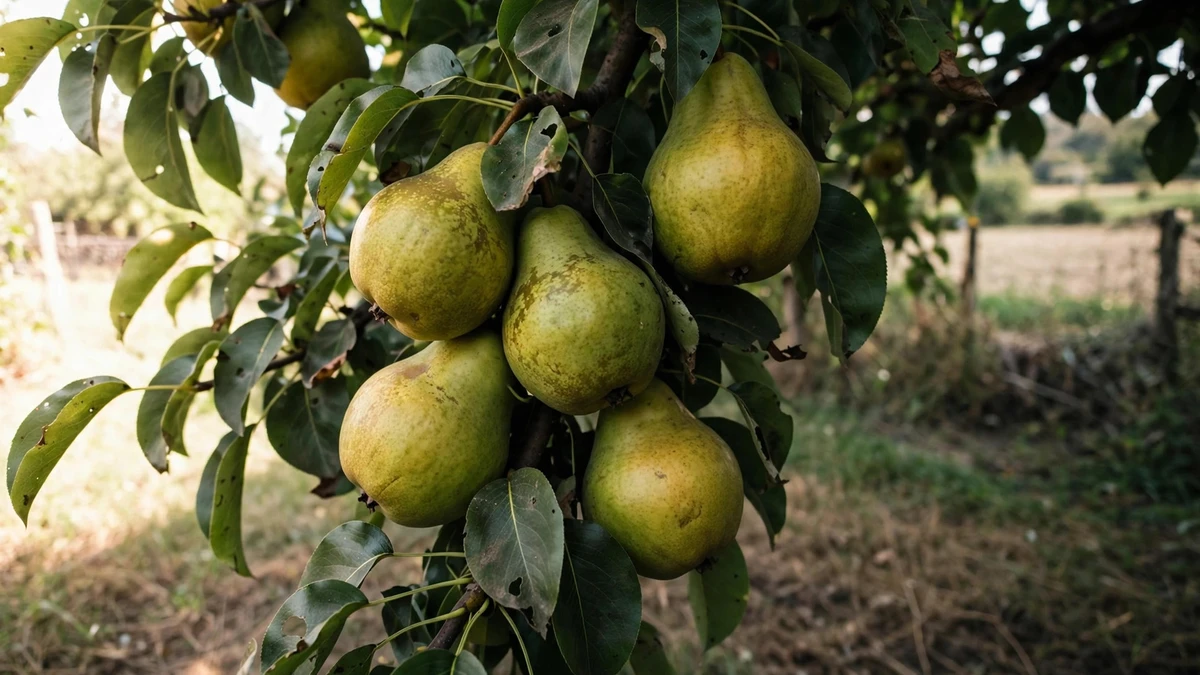

Planning a pear farm escape is different from planning an ordinary farm holiday, because the farm is not a backdrop. It is a working orchard with a daily rhythm, and the best visits are built around that rhythm rather than around it. If you plan around the orchard’s day, you will see the trees at work, the pickers in the rows, and the fruit handled the way it has to be handled.
The good news is that pears make planning easier than most fruit in one way and harder in another. The harvest is short and clear, late summer into autumn, so you know when to go, but the fruit is picked hard and ripens away from the tree, so you will never see a ripe pear on a branch. The work is in choosing the right region, the right farm, and the right few days, and in arriving ready for mud, wasps, and an early start.
This guide walks through the nine decisions that matter most, from learning the perry pear to ripening a box of hard fruit at home.
Key takeaways
- Choose the farm first and the dates second, because the best pear farms are small and book out early, while the harvest window is short.
- Learn the difference between dessert pears and perry pears before you book, because it changes which farm and which region suit you.
- Plan your orchard walk for the morning, when the pickers are working and the heat is still bearable.
- Stay on the farm or within a short drive, and hire a car, because orchard roads are slow and public transport rarely reaches the trees.
- Follow the farm’s hygiene rules on shoes and cuttings, because fire blight is a real threat and the rules protect every orchard you visit.
What a pear farm escape actually is
A pear farm escape is a short stay built around a working pear orchard. You sleep in a farmhouse, a small lodge, or a guesthouse on the edge of the trees, and your days are shaped by the orchard: a guided walk in the morning, a visit to the packing shed, a tasting of the varieties, and meals cooked with pears. The orchard is the point of the trip.
The escape works because the pear is a strange and interesting fruit. It is picked hard and green, it ripens from the inside out, and it is ready for about a day before it turns soft and brown at the core. The fruit is lifted and twisted from the spur, never pulled, then graded, packed, and stored cold.
The pace is the other half of the escape. That suits some travellers perfectly and bores others, so be honest with yourself before you commit. If you want to walk an orchard at dawn, eat fruit the farm picked that morning, and go to bed tired and happy, it will be one of the best trips you take.
Before you book: what to decide first
Work out what you want to learn before you pick a region. If you want to understand the pear trade, choose a big growing region such as the Hood River Valley or Wenatchee, where the packing sheds are large and the farming is industrial. If you want to taste unusual fruit, choose a small-farm region such as Herefordshire or Normandy, where perry pears grow beside dessert varieties.
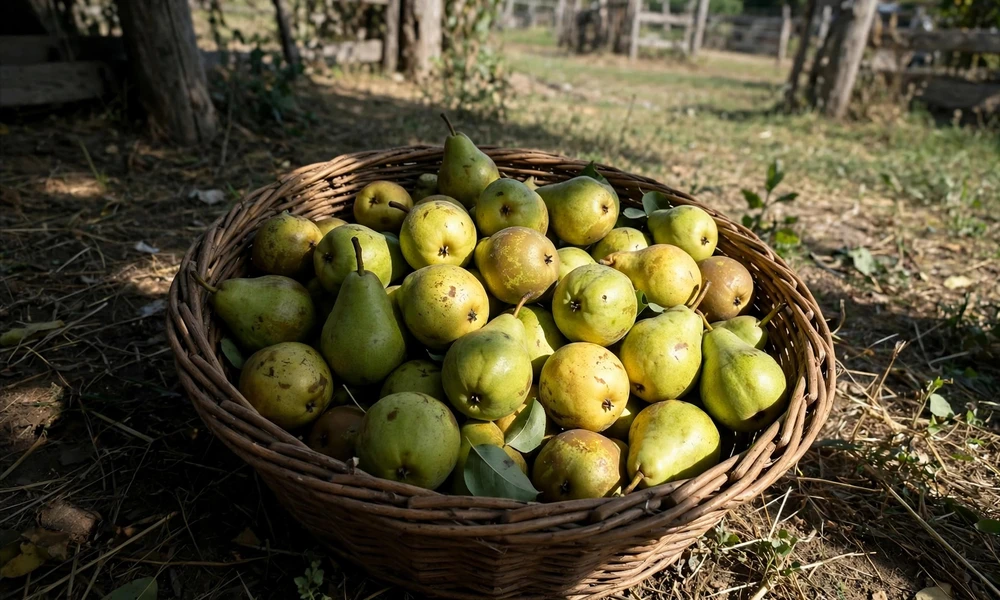
Decide your dates next, and think in terms of picking weeks rather than months. Bartlett is usually picked in August and Bosc and Comice in September and October, and a farm’s busiest days are the ones when the most fruit is cut, graded, and packed. Our guide to planning a peach farm escape makes the same argument, that a farm stay is at its best while the farm is working, not resting.
Finally, work out how you will get there and where you will sleep. Most pear farms need a car, and the last stretch of road is often a slow, rutted track, so allow more time than the map suggests and arrive before dark if you can. Stay on the farm if it offers rooms, so you are in the orchard at dawn, and confirm in writing what is included.
9 steps to planning a pear farm escape
Learn the perry pear first, because it is not a pear you can eat
What to do: Learn the two crops before you book, because they are different fruit with different uses. A perry pear is small, hard, and full of tannin, and it is pressed and fermented, never eaten raw. Ask each farm which it grows, and choose a perry region for the drink or a dessert region for the fruit. What to avoid: Do not assume every pear farm grows the fruit you eat at home, because many grow perry pears, cooking pears, or old varieties you have never seen. Best For: First-time visitors weighing up regions. Time Needed: Half an hour of reading. Standout Tip: Look up the farm’s varieties by name, and ask the host which one the kitchen uses for poaching.
Book the week the orchard is being picked
What to do: Ask the farm which days its picking crews are in the orchard, and aim your visit at one of those days, when the rows are busy and the shed is running. What to avoid: Do not book blindly on a quiet week and expect a full tour, because on a non-picking day the shed may be closed and the orchard may be empty. Best For: Travellers who want the orchard at work. Time Needed: One email to the farm. Standout Tip: Get the picking schedule when you book, and shape your arrival day around it.
A pear tells you it is ripe at the neck
What to do: Learn the neck test before you go, because it is the one reliable way to tell whether a pear is ready. Press gently where the stem meets the fruit, and if the flesh gives slightly, the pear is ripe. What to avoid: Do not squeeze the belly of the pear, because the belly stays firm long after the neck has softened, and squeezing bruises the fruit you are testing. Best For: Anyone who wants to eat pears properly at home. Time Needed: A few minutes in the orchard. Standout Tip: Ask the guide to show you a pear at each stage, and feel the difference in the neck yourself.
Let the farm kitchen show you a pear green, ripe, and gone too far
What to do: Ask the farm kitchen to show you the same variety at three stages: hard and green, for cooking; ripe, for eating fresh; and overripe, for baking and preserves. What to avoid: Do not eat a hard green dessert pear raw, because it is gritty, astringent, and hard to digest, and it will put you off the fruit for the rest of the trip. Best For: Food lovers and home cooks. Time Needed: One meal and a tasting. Standout Tip: Try the same pear poached, baked, and eaten fresh in one meal, and note how different it tastes each way.
Spend an afternoon with the perry maker
What to do: If the farm presses perry, or a neighbour does, ask to watch the pressing and learn how the bitter little pears become a sparkling drink. What to avoid: Do not expect perry to taste like cider, because it is gentler, more floral, and lower in alcohol, and comparing the two will only confuse your palate. Best For: Drink lovers and anyone curious about orchard history. Time Needed: An afternoon. Standout Tip: Ask which perry pear varieties went into the press, and taste the drink beside a dessert pear to learn the difference.
Find out how the farm keeps fire blight out of the orchard
What to do: Ask the farm what it does to keep fire blight out, and follow its rules exactly. These rules protect the orchard. What to avoid: Do not bring cuttings, fruit, or tools from another orchard, and do not argue with the hygiene rules, because the disease spreads on hands, boots, and secateurs. Best For: Every visitor, no exceptions. Time Needed: A few minutes at the gate. Standout Tip: If you plan to visit two pear orchards on one trip, tell both farms in advance, because some will ask you to change your plans.
Choose blossom or harvest, and know what each gives you
What to do: Decide before you book whether you want spring blossom or autumn harvest, because the two visits are entirely different trips. Blossom gives you white flowers and quiet orchards, while harvest gives you picking, packing, and tastings. What to avoid: Do not book a blossom trip and expect a harvest, because the trees will be in flower and the fruit will be months away. Best For: Anyone choosing between the two seasons. Time Needed: One honest conversation with yourself before you book. Standout Tip: If you can only go once, choose harvest, because that is when the orchard is working hardest.
Take a box of hard pears home and ripen them yourself
What to do: Buy a box of hard pears from the farm shop or the farm gate, and ask how to ripen them at home. Keep them cool, check the neck daily, and eat each one the day it gives. What to avoid: Do not pack a whole crate in a suitcase, because pears bruise easily, and some countries restrict bringing fresh fruit across borders. Best For: Travellers heading home to a kitchen. Time Needed: A few minutes in the farm shop. Standout Tip: Ask for pears at different stages of ripeness, so they do not all turn ripe on the same day.
Pack for wasps, ladders, and juice on your sleeves
What to do: Pack closed shoes with grip, light long sleeves, a hat, sunscreen, and a small bag for water and a camera, and expect fallen fruit to draw wasps in late summer. What to avoid: Do not wear white clothes or good shoes, because pear juice stains and the mud is not kind to light colours, and do not leave food uncovered in the orchard. Best For: Anyone walking the orchard. Time Needed: An evening of packing. Standout Tip: Pack a spare pair of shoes for the farmhouse, because your walking shoes will be muddy by the end of the first morning.
Pear seasons, explained
Pears do not have a single harvest day the way some fruit does. In the orchard, a pear tree flowers in spring, sets its fruit in early summer, and is picked from late summer into autumn, with Bartlett usually in August and Bosc and Comice in September and October.
Wet weather brings muddy tracks and lush growth, while dry weather brings easier walking and clearer light.
The other question of timing is the picking rhythm. Farms pick on a weekly cycle, and the busiest days are the ones when the most fruit is cut, graded, and packed. If your visit falls on a picking day, you will see the crews, the shed, and the grading line in full flow. Our guide to planning a plum farm escape draws the same line, because every fruit farm has busy days and quiet ones, and the visit changes with them.
The caveats that matter
The caveats for a pear farm escape are practical, and most of them are about the ground under your feet. Orchard tracks are uneven, muddy after rain, and crossed by irrigation channels, so wear closed shoes with grip and watch where you step. Fallen fruit attracts wasps in late summer, so keep food covered and walk calmly if a wasp comes near.
| Detail | What is known |
|---|---|
| Best time to go | Late summer to autumn for harvest, spring for blossom, with Bartlett in August and Bosc and Comice in September and October |
| How long to stay | Two to three nights, with a full morning for the orchard and a day for the area |
| Getting there | A car is almost essential, and the last stretch of orchard road is slow, so arrive before dark |
| What to wear | Closed shoes with grip, a hat, light long sleeves, and clothes that can take juice stains |
| Who should check first | Anyone with a birch pollen allergy, because pear and birch allergies are linked |
| Health and hygiene | Clean your shoes, follow the farm’s fire blight rules, and do not bring cuttings or fruit from another orchard |
| Money and booking | Book direct with the farm, confirm meals and tours in writing, and expect a deposit for small stays |
| What it does not offer | Early mornings, farm food, and a quiet evening, not late nights, a spa, or a cocktail bar |
One more caveat, about the fruit itself. Pear juice stains skin and clothes, and it is almost impossible to wash out once it dries, so keep your hands away from your clothes after handling cut fruit, and wash your hands before you eat.
Checklist: planning a pear farm escape honestly
Use these checks before you book, and again before you travel.
- Check the varieties: confirm the farm grows the dessert pears, perry pears, or both that you want to see and taste.
- Check the picking days: ask when the picking crews are in the orchard, and aim your visit at a working day.
- Check the stay: confirm rooms, meals, tour, and tastings in writing, and ask what the price covers.
- Check the transport: hire a car, allow extra time for orchard roads, and arrive before dark.
- Check the packing: closed shoes with grip, a hat, sunscreen, water, and clothes that can take a stain.
- Check the hygiene rules: clean your shoes, leave cuttings at home, and tell the farm if you are visiting another pear orchard on the same trip.
Frequently asked questions
How many days does a pear farm escape need?
Two or three nights is enough for most people. Arrive in the afternoon, walk the orchard the next morning, spend the afternoon in the area, and use a third day for a second farm, a market, or a nearby attraction.
Can I reach a pear farm without a car?
Almost always, no. Pear farms sit on orchard land outside the towns, and the last stretch of road is often a slow, rutted track that buses do not serve. A small hire car is usually enough, but ask about the track before you book, because a wet orchard road can need higher clearance.
Is the fruit on the tree safe to eat?
You can eat a ripe dessert pear straight from the tree if the guide says it is ready, but most pears on the tree are hard and green, so eat what the farm offers at the tasting, where the fruit is at the right stage.
Can I visit a pear farm with a birch pollen allergy?
Usually, but check first. Pear and birch allergies are linked, because the proteins are similar, and some people with a birch pollen allergy react to raw pear, especially in spring. Tell the farm about the allergy before you book, and ask your clinician if you are unsure.
How is perry different from cider?
Perry is made from pears and cider is made from apples, but the difference is more than the fruit. Perry is usually gentler, more floral, and lower in alcohol than cider, and it is made from perry pears that are too bitter to eat. The kiwi farm escape guide explains a similar split for kiwi growing, because certification labels matter on every fruit farm.
What goes in the bag for a day among the trees?
Closed shoes with grip, light long sleeves, a hat, and plenty of sunscreen. The tracks are muddy after rain, the sun is strong between the rows, and pear juice stains permanently, so wear clothes you do not mind ruining.
The bottom line
A pear farm escape works when you plan it around the orchard, not around yourself. Choose the farm for its varieties and its working day, aim your visit at a picking week in a dry spell, stay on the farm or close by, and arrive ready for an early start, muddy shoes, and a morning among the trees.
Book two or three nights, walk the rows in the morning, taste the fruit green, ripe, and cooked in one day, and take a box of hard pears home to ripen on your kitchen counter. That is the honest way to enjoy a pear farm.