
A kiwi farm escape is a short trip built around an orchard, and it works best when you plan it around the harvest rather than around a calendar. The vines are woody climbers on overhead wires, and the crop comes off hard in autumn to ripen later. Book for the harvest and you get ladders, picking bags and grading lines. Book for the blossom and you get flowers, bees and a short, weather-dependent show.
That is why planning matters more here than on an ordinary countryside break. A kiwi farm is not a hotel that happens to have trees. The variety decides the flavour, the season decides the work, and the region decides whether you will taste green or gold kiwi, make jam, or drink kiwi wine. Get those three choices right and the trip almost plans itself.
This guide walks through nine steps that make a kiwi farm escape work, from knowing your green from your gold to leaving with fruit that ripens at home. Each step is practical and kiwi-specific, based on how these farms actually run, so you can book with confidence.
Key takeaways
- Plan a kiwi farm escape around the autumn harvest, not the spring blossom: the blossom is brief and the picking is the trip.
- Green, gold and red kiwis ripen and taste differently, so learn the three before you choose a region.
- Kiwis are picked hard and ripened off the vine, so the farm’s packing shed matters as much as the orchard.
- Pollination decides the crop: male vines, female vines and bees do the work before any picking starts.
- Picking dates shift with the weather, so ask the farm whether the harvest is still running when you travel.
What a kiwi farm escape actually is
A kiwi farm escape means three to five nights in a farmhouse or a converted cottage between the vines. Mornings are for walking under the pergola, middays for a long lunch cooked from the farm’s fruit, and evenings for the farm table. The orchard, not a schedule, decides how the day goes.
The vine is what sets this trip apart from a vineyard stay or a general farm break. It is a woody climber that needs a pergola to grow on, and its year runs from winter pruning through spring flowering to the autumn pick. Spring brings thinning and bees; autumn brings the picking crews, the grading line and the coolstore.
Little goes to waste on a good kiwi farm. The finest fruit is sold fresh, the next grade becomes jam, dried slices or ice cream, and the rest is pressed for juice. Eating well here is easy, because the food comes from the vines outside your door.
Before you book: what to decide first
Decide first which kiwi you want. Green Hayward is tart, bright and the cheapest. Gold kiwi tastes sweeter and softer, costs more, and comes ripe sooner. Red kiwi is the newest of the three, berry-sweet and only around for a short while. Our guide to planning a peach farm escape makes the same point for peaches, because with any fruit farm trip, the variety is the first decision, not the last.

Decide next whether you want blossom or fruit. Blossom is a spring trip, beautiful but short and weather-dependent, and a late frost can end it in a night. Fruit is an autumn trip, and it lasts longer, but each variety ripens in its own window. One variety means about two weeks of picking; three varieties can stretch the season to a month.
Decide finally how you want to travel. New Zealand is the easiest kiwi country to reach for a first trip, with good roads and English everywhere. Italy and France reward a slower trip, with the orchard alongside vineyards and village markets. Chile and China are the wildest and warmest, with simple rooms and long meals.
9 steps to planning a kiwi farm escape
Know your green from your gold before you book
What to do: Learn the three kiwis before you book, because each tastes different and is used differently. Green Hayward is tart and bright, good for eating fresh and cooking. Gold kiwi is sweet and smooth, eaten fresh and made into ice cream. Red kiwi is sweet with a berry note, and it is the newest and the hardest to find. What to avoid: The three varieties have different seasons, different prices and different handling. Best For: Travellers choosing a region for the first time. Time Needed: An hour of reading. Standout Tip: Ask the farm which varieties it grows, and taste all three if it grows more than one.
Go when the pickers are in the orchard
What to do: Book for the autumn harvest, when the picking, grading and tasting are all happening. Kiwi blossom opens in late spring and lasts two to three weeks, but it is weather-dependent and a late frost can end it. The harvest lasts longer and the work is the trip. What to avoid: Do not build a trip around blossom dates a year ahead, because a warm spring can bring the flowers forward. Best For: Travellers who want to pick and taste, not just look. Time Needed: A week of planning. Standout Tip: Ask the farm for last year’s picking dates, and book the middle of the window.
Learn the pergola first: how the vines grow
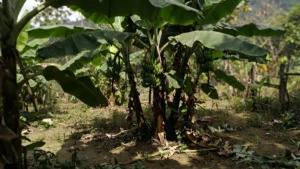
What to do: Learn how a kiwi vine grows before you walk the rows. The vines are woody climbers, trained along overhead wires on a pergola, and the fruit hangs down below the leaves. What to avoid: Do not expect a kiwi orchard to look like an apple orchard. There are no neat rows of trees, only posts, wires and a green roof of leaves. Best For: Travellers who want to understand the orchard before they visit. Time Needed: An hour of reading. Standout Tip: Ask the farm whether you can walk the pergola rows with the grower, and go early, before the sun is high.
Ask about the male vines and the bees
What to do: Ask the farm how it pollinates its vines, because pollination decides the crop. Kiwi vines are male or female, and only the female vines bear fruit, so the farm needs male vines nearby and bees to carry the pollen. What to avoid: Do not assume the bees are a detail. A wet, cold flowering season means poor pollination and a small crop, and the farm will tell you honestly if the season was bad. Best For: Travellers who want to understand why the crop varies year to year. Time Needed: One question to the farm. Standout Tip: Visit during flowering if you can, and watch the hives at work in the morning.
Pick with a bag, not a basket
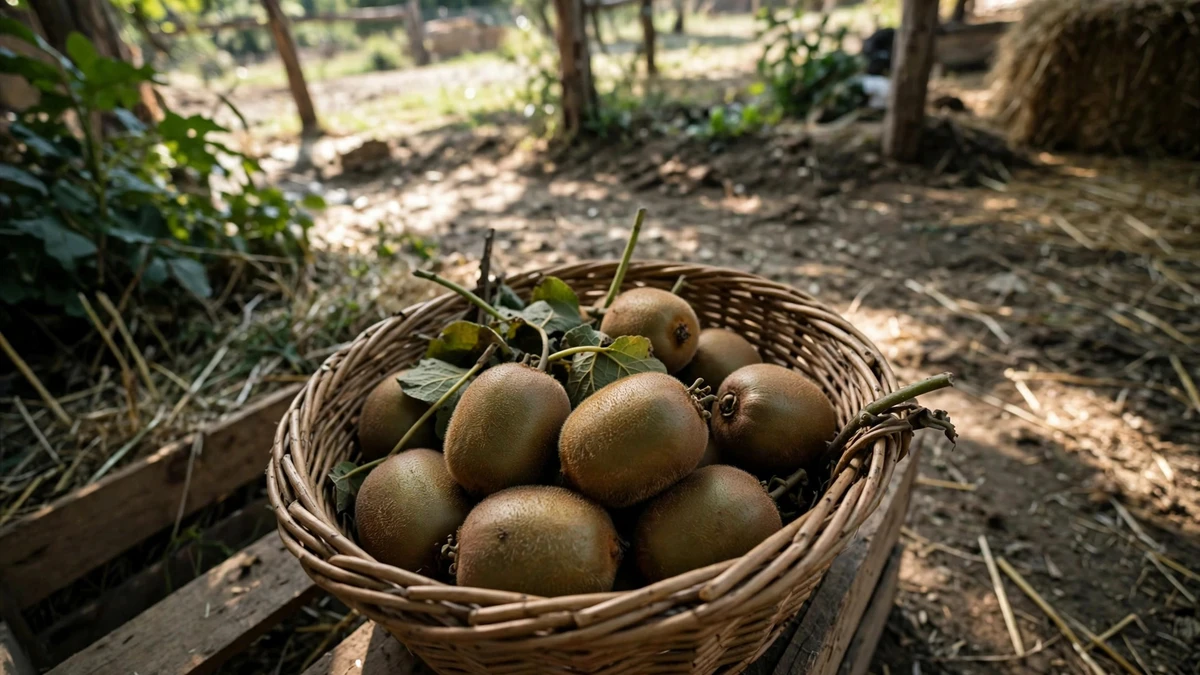
What to do: Learn how the picking works before you join in. Pickers wear a soft picking bag over one shoulder, twist each fruit gently from the vine, and drop it into the bag without bruising it. What to avoid: Do not pull the fruit hard or drop it into a hard basket, because bruised kiwis do not grade well and will not ripen evenly. Best For: Travellers who want to join the harvest. Time Needed: Half a morning in the orchard. Standout Tip: Ask the picker to show you the twist, and practise on the low fruit first.
Compare green, gold and red kiwis in one sitting
What to do: Taste the three kiwis side by side, in one sitting, so the differences are clear. Green is tart and bright, gold is sweet and smooth, and red is sweet with a berry note. What to avoid: Do not taste them on different days, because the differences blur. Taste them together, with water between each one, and write down what you notice. Best For: Food lovers who want the full kiwi tasting. Time Needed: Half an hour at the farm table. Standout Tip: Ask the farm for one of each variety at the same ripeness, so the comparison is fair.
Taste what the farm makes, not just what it picks
What to do: Try the food the farm makes from its own fruit, not just the fresh kiwis. A good kiwi farm makes jam, dried kiwi slices, kiwi ice cream and sometimes kiwi wine or cider, and the tasting is usually the best part of the stay. What to avoid: Do not skip the farm shop. The jam and dried kiwi travel well, and they are the best souvenir of the trip. Best For: Food lovers who want the full farm table. Time Needed: An afternoon at the farm. Standout Tip: Ask which product the farm is proudest of, and buy that one to take home.
Learn why the fruit is picked hard and ripened off the vine
What to do: Learn how ripening works, because it explains the whole harvest. Kiwis are picked hard, before they are ripe, and they ripen off the vine over days or weeks. What to avoid: Do not expect to eat a ripe kiwi from the vine. A kiwi picked soft is a kiwi picked too late, and it will not keep or travel well. Best For: Travellers who want to understand the harvest. Time Needed: A morning in the packing shed. Standout Tip: Ask the grader to show you the firmness test, and take home fruit at different stages so you can ripen it yourself.
Leave with fruit that ripens at home, and the farm’s ripening advice
What to do: Buy fruit on the final morning, at different stages of ripeness, and ask the farm how to ripen it. What to avoid: Do not buy only ripe fruit, because it will not survive the trip home. Buy mostly hard fruit, and ripen it a few at a time. Best For: Travellers who want the harvest to last after the trip. Time Needed: Half an hour on the final morning. Standout Tip: Ask the farm to mark which fruit is ready now and which needs a week, so you can plan your breakfasts.
Kiwi seasons, explained
Kiwi seasons run in two halves. In the southern hemisphere, the vines flower in November and December, the fruit grows through the summer, and the harvest runs from March to May. In the northern hemisphere, the vines flower in May and June, and the harvest runs from October to November.
Winter is pruning season. The vines are bare, the leaves are gone, and the growers cut back last year’s growth to shape the pergola for the next year. Some farms let guests watch the pruning, and it is the best time to learn how the vine works, but there is no fruit to pick. Our guide to planning an apricot farm escape makes the same point for stone fruit: every season has its own work, so choose the season before you choose the dates.
Spring is flowering season, and it is the shortest. The flowers open for two to three weeks, the bees work the rows, and a late frost can end it in a night. The fruit then grows through the summer, and the farm thins the fruitlets so the remaining fruit grows bigger.
The caveats that matter
A kiwi farm is a working orchard, and the fruit calls the shots. Picking runs for a short window, grading moves quickly, and a wet week can push the dates. Sort the farm out before the flights, and ask it to confirm the harvest is on while you are there.
| Detail | What is known |
|---|---|
| Best time for blossom | Flowering runs two to three weeks in late spring, and bees do the pollination |
| Best time for harvest | March to May in the southern hemisphere, October to November in the northern hemisphere |
| How long to stay | Three to five nights covers the orchard walk, the picking and the tasting |
| What to check before booking | Which varieties the farm grows, when they ripen, and whether guests can pick |
| Pollination and bees | Male and female vines need bees to set fruit, and a wet spring means a small crop |
| Allergies and sensitivities | Kiwi allergy is genuine, and it can overlap with latex and birch pollen allergies |
| What to pack | Sturdy shoes, a hat for the pergola shade, and a bag for fruit you buy to take home |
| What a kiwi farm escape does not do | It does not guarantee ripe fruit on a given date, and it is not a resort with a spa and a pool |
Talk to your clinician first if you have a kiwi, latex or birch pollen allergy. Actinidin, the enzyme in kiwi, can sting the mouth and stops jelly setting, so the farm’s cooks will flag it. The fruit itself is fine in pregnancy, but ask about the wine and cider tastings before you join in.
Checklist: planning a kiwi farm escape honestly
Use these checks before you book.
- Learn the three kiwis before you book, and check which ones your farm grows.
- Ask about pollination: how does the farm get its flowers set, and are the bees on site?
- Read what is covered: does the price include the orchard walk, the tasting and breakfast, or are they extras?
- Ask about the picking: can guests pick, and does the farm lend picking bags?
- Prepare for the pergola: the vines grow overhead, so wear a hat and shoes that grip wet grass.
- Plan the ripening: ask the farm how to ripen the fruit you take home, and how long it keeps.
Frequently asked questions
When is the kiwi harvest in New Zealand?
March to May, in the New Zealand autumn. The Bay of Plenty harvests first, and Northland harvests even earlier, because it is warmer. Gold kiwi ripens before green kiwi, so a farm that grows both will pick gold first. Confirm the dates with the farm, because the weather can move them by a week.
Can I pick kiwis in the orchard myself?
Usually yes, during the harvest, and most farms let guests pick a bag for the farm table or to take home. The farm will show you the twist, and lend you a picking bag, because bruised fruit does not grade well.
Why are kiwis picked hard and ripened later?
Because a kiwi picked soft is a kiwi picked too late. The fruit is picked hard, when its sugar and dry matter are right, and it ripens off the vine over days or weeks. A ripe kiwi on the vine would be soft, bruised and hard to store.
What does actinidin do, and why does kiwi stop jelly setting?
Actinidin is an enzyme in kiwi that breaks down protein. It is why kiwi tenderises meat, why it can irritate the mouth, and why fresh kiwi stops jelly from setting: the enzyme breaks down the gelatine. Cooked kiwi does not have the same effect, because heat destroys the enzyme.
Is kiwi safe if I have a latex allergy?
Check with your clinician first. Kiwi allergy can cross-react with latex, and with birch pollen, so people with a latex allergy are more likely to react to kiwi. The symptoms range from a tingling mouth to a full allergic reaction. Tell the farm about the allergy before you book, and skip the tastings if you are unsure.
How many nights should I stay at a kiwi farm?
Three to five nights is enough. One day for the orchard walk and the pergola, one day for the picking and the packing shed, and one day for the tasting and the farm table.
The bottom line
The best kiwi farm escape in 2027 is not the priciest or the prettiest. It is the one where the variety suits you, the season is right, and the farm grows kiwis as its main crop. A few nights is plenty, and the fruit, the jam and the dried kiwi come from the vines outside your window. Our guide to planning a lavender farm escape follows the same rule for a different crop.
Get to know the three kiwis, ring the farm about varieties and picking dates, and let the orchard set the pace. That is the honest way to enjoy a kiwi farm escape, and the fruit tastes better for it.