
Faux locs look like real locs, but they are not the same hair. Most are crochet locs or individually wrapped locs: your own hair is braided or cornrowed underneath, and synthetic or human hair is wrapped around each section to form the loc. The result hides your scalp for weeks at a time, which changes how oil works. You cannot run oil through the lengths the way you would with loose hair, because the lengths are mostly wrapping hair that does not absorb anything.
That does not mean oil is useless. It means oil has a different job. With faux locs, oil is mainly a scalp product: it keeps the parts from drying out, calms itch, and keeps the edges and the new growth at the roots comfortable. A little oil on the outside of a loc can calm frizz and add shine, but too much sits on synthetic fibre, collects dust, and makes the style look dull within days.
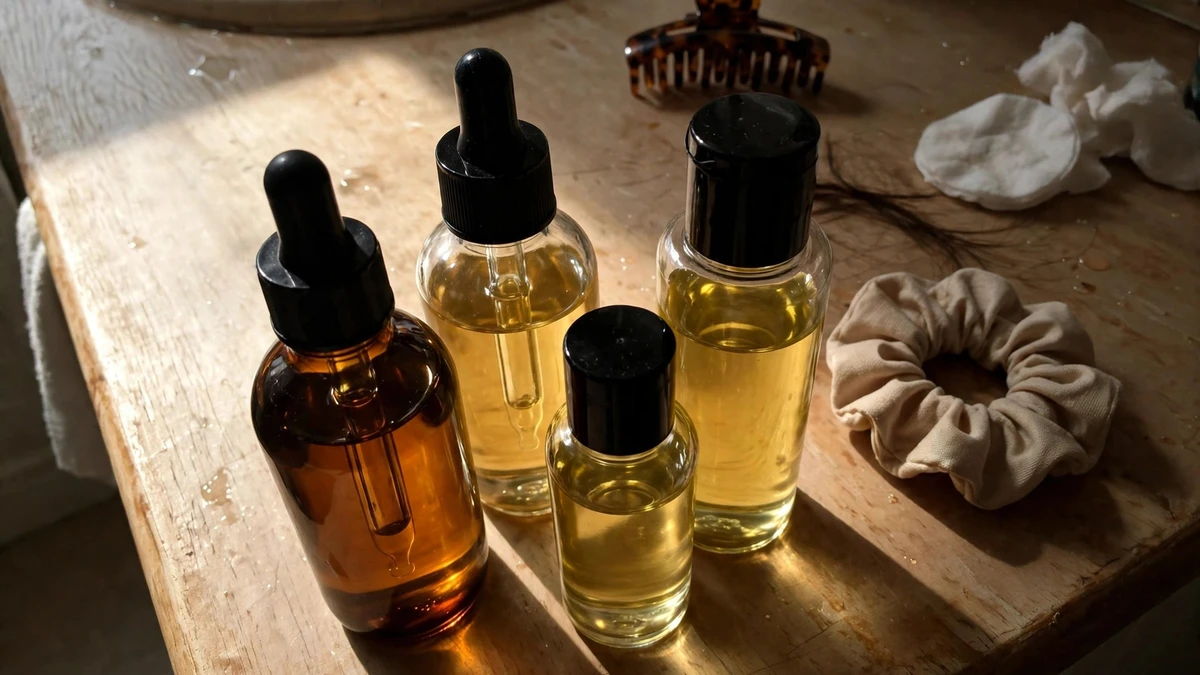
Below are nine oils that suit faux locs in 2027, chosen for light textures, scalp-friendly ingredients, and applicators that actually reach the skin between locs. Each one is described by what it does well, what to watch for, and who it suits best, so you can pick for your scalp and your install, not just a bestseller list.
Key takeaways
- Faux locs hide the scalp, so oil is mostly a scalp and edge product, not a length product.
- Light oils reach the scalp without loosening the wrap; heavy oils sit on synthetic hair and attract dust.
- A nozzle or dropper tip matters more than the brand name — it is what gets oil between the locs.
- Oil the scalp two to three times a week, and oil the lengths only to calm frizz or seal curly ends.
- No oil makes faux locs last longer than their safe window, and oil cannot fix a too-tight install or a sore scalp.
What hair oil does for faux locs
Faux locs are a protective style, and protection is the point. Your own hair is tucked away inside braids or cornrows, and the wrapped locs take the daily handling instead. But tucked away does not mean moisturised. The scalp still produces less oil at the parts than loose hair distributes, and shampoo reaches the scalp only in diluted form, so the skin between the locs dries out faster than people expect.
Oil steps in where water and cream cannot. A few drops along a parting keep the skin supple, reduce the flaking that shows up around week three, and stop the itch that makes people scratch at their install. Oil also protects the new growth at the roots, which is the most fragile hair in the style: it is fine, it is bent at the base of each loc, and it breaks easily if it dries out completely.
What oil cannot do is feed the loc itself. The wrapping hair in most faux locs is synthetic, and synthetic fibre does not absorb oil. That is why the routine in this guide treats the scalp as the main event and the lengths as an occasional, light touch.
How we chose these oils and what to look for
Weight came first in our checks. A light oil — jojoba, tea tree blends, light castor blends, monoi — sinks into the scalp and disappears. For faux locs, light beats rich almost every time.
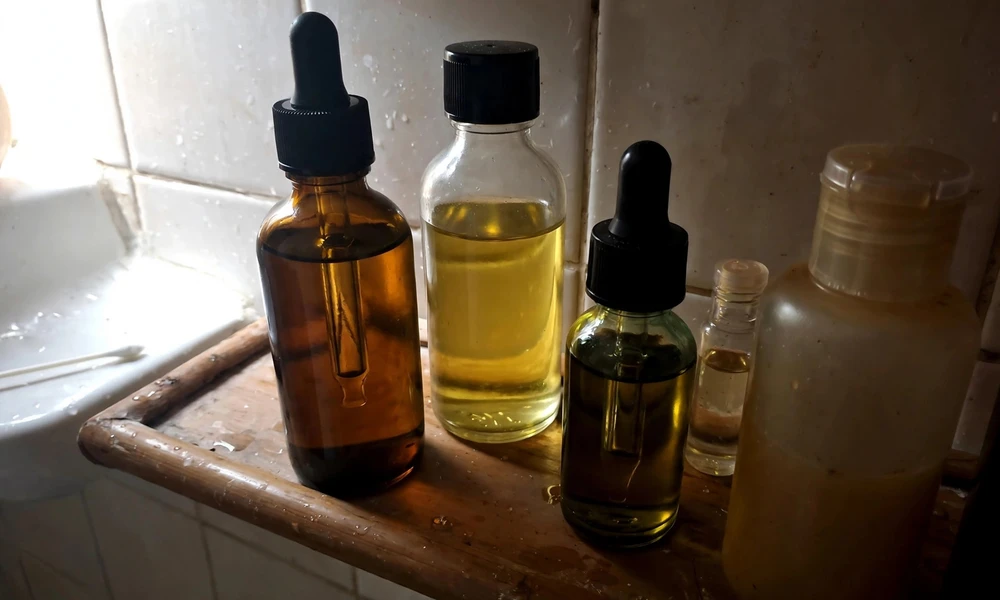
We looked next at the applicator. An oil with a nozzle tip, a dropper, or a thin spout lets you place oil exactly along a parting, between two locs, without flooding the wrap. A wide-mouth jar or a pump forces you to use your fingers, which wastes oil on the outside of the locs and misses the scalp entirely.
Finally, we looked at ingredients that suit a covered scalp: tea tree and peppermint for itch, castor and pimento for the roots, jojoba and vitamin E for dry skin. Our guide to hair oils for real locs covers the same scalp-first logic in more depth, because the same rules apply when the hair itself is locked rather than wrapped.
The 9 best hair oils for faux locs of 2027
Tropic Isle Living Jamaican Black Castor Oil
What we like: A rich, dark castor oil made the traditional Jamaican way, with a strong reputation for supporting the roots and the scalp. It is thick, so a little goes a long way, and it is one of the few oils that people with faux locs consistently reach for when the parts start to look dry.
What to consider: It is heavy, so use it only on the scalp, in small amounts, and never on the lengths. Best For: dry scalps and new growth at the roots. Material: Jamaican black castor oil. Price Range: Around $12–$16. Standout Feature: Traditional dark castor oil with a strong scalp-care reputation.
Warm two drops between your palms, then press them along a parting with your fingertips. That is enough for one section.
Tropic Isle Living Strong Roots Red Pimento Hair Growth Oil
What we like: A lighter pimento-infused oil designed for the roots, with a warm, spicy scent and a thinner texture than straight castor oil. It spreads easily along partings and suits people who find pure castor oil too thick to work with.
What to consider: The pimento scent is noticeable, and it can tingle on freshly washed or sensitive skin. Best For: tender scalps and root care between installs. Material: Red pimento oil blend. Price Range: Around $14–$18. Standout Feature: Pimento-infused, thinner than pure castor oil.
Hollywood Beauty Tea Tree Oil
What we like: A budget tea tree oil that does one job well: calming an itchy scalp. Tea tree is naturally clarifying, and a drop along a parting can settle the itch that starts in week two or three of an install without disturbing the locs.
What to consider: It is strong, so never use it undiluted over a large area, and keep it away from the eyes. Best For: itchy scalps and flaking between washes. Material: Tea tree oil. Price Range: Around $3–$5. Standout Feature: Low price, strong itch relief.
Hollywood Beauty Olive Oil
What we like: A simple, inexpensive olive oil that softens the scalp and adds shine to the outside of the locs. Olive oil is one of the oldest hair oils there is, and its plainness is the point: nothing in it irritates, and it washes out cleanly.
What to consider: It is a plain oil with no applicator tip, so pour a little into a nozzle bottle first. Best For: everyday scalp softening on a budget. Material: Olive oil. Price Range: Around $3–$5. Standout Feature: Simple, gentle, and easy to wash out.
It is the oil to reach for when you want moisture without a scent, a tingle, or a premium price.
Jamaican Mango & Lime Black Castor Oil
What we like: A black castor oil with a lighter feel than most, blended for easy application along partings. It is popular with loc wearers for a reason: it coats the scalp without the heavy, sticky finish that makes some castor oils hard to wash out of an install.
What to consider: It is still a castor oil, so use small amounts and keep it off the wrap. Best For: dry parts and root care during a long install. Material: Black castor oil. Price Range: Around $8–$12. Standout Feature: Lighter castor oil that washes out more easily.
Carol’s Daughter Monoi Repairing Hair Oil
What we like: A monoi oil with a soft floral scent, made for hair that needs shine and softness. On faux locs it works best as a finishing touch: a drop smoothed over the outside of a loc calms flyaways and gives the style a healthy sheen.
What to consider: It is a finishing oil, not a scalp treatment, and it is priced above the budget options. Best For: shine and frizz control on the outside of locs. Material: Monoi oil. Price Range: Around $12–$16. Standout Feature: Floral monoi scent with a light, silky finish.
Keep it for the lengths, not the scalp, and use half as much as you think you need.
Difeel Biotin Pro-Growth Premium Hair Oil
What we like: A budget biotin oil with a thin texture that sinks in quickly. Biotin is marketed for growth, but the real benefit here is the light feel: it reaches the scalp between locs without leaving a film on the wrap.
What to consider: The growth claims are not proven, so judge it on how your scalp feels, not on promises. Best For: light daily scalp care on a budget. Material: Biotin-infused oil blend. Price Range: Around $6–$9. Standout Feature: Thin texture that sinks in fast.
Difeel Vitamin E Premium Hair Oil
What we like: A plain vitamin E oil that softens dry skin and adds a gentle shine. Vitamin E is a classic skin-care ingredient, and on a covered scalp it helps the parts stay supple without fragrance or tingle.
What to consider: It is a single-note oil, so it does not calm itch the way tea tree does. Best For: dry, flaky parts and sensitive scalps. Material: Vitamin E oil. Price Range: Around $6–$9. Standout Feature: Fragrance-free, gentle on sensitive skin.
Pair it with a drop of tea tree oil on your palm when itch is the problem, and use it alone when dryness is.
As I Am Dry & Itchy Scalp Care Olive & Tea Tree Oil
What we like: A ready-made blend of olive oil and tea tree, designed exactly for the problem faux loc wearers face: a dry, itchy scalp under a style you cannot take down. The blend means you do not have to mix anything yourself.
What to consider: The tea tree is present but mild, so very stubborn itch may need a stronger treatment. Best For: dry, itchy scalps under protective styles. Material: Olive oil and tea tree oil. Price Range: Around $8–$11. Standout Feature: Pre-blended olive and tea tree for itchy scalps.
The most convenient option on this list if you want one bottle that handles both dryness and itch.
Which oil is right for your faux locs
Start with your scalp, not your locs. If your scalp itches, choose tea tree — the As I Am blend or Hollywood Beauty Tea Tree Oil, diluted on your palm. If your scalp is dry and flaking, choose castor oil or vitamin E, used in small amounts along the parts. If your scalp is comfortable and you only want shine, choose monoi or a light finishing oil for the outside of the locs.
Next, consider your loc type. Crochet faux locs sit on cornrows, so the scalp is divided into neat rows and a nozzle bottle works beautifully along each one. Individually wrapped locs have more partings and more exposed scalp, so a dropper gives you better control. Our roundup of hair oils for passion twists follows the same scalp-first logic for another wrapped style, and the same light-oil rule applies.
Finally, consider your budget and how often you oil. If you oil three times a week, a budget oil like Hollywood Beauty or Difeel is the sensible choice, because you will finish the bottle.
The caveats that matter
Oil is helpful, but it is not a cure. It will not stop a too-tight install from hurting, it will not make faux locs last past their safe window, and it will not repair hair that is already broken at the root. The most common mistake with faux locs is over-oiling: heavy oil on synthetic wrap collects dust and lint, makes the locs look dull, and is hard to wash out without disturbing the style.
| Detail | What is known |
|---|---|
| Best oil weight for faux locs | Light — jojoba, tea tree blends, light castor blends, monoi |
| How often to oil the scalp | Two to three times a week, in small amounts |
| How often to oil the lengths | Only to calm frizz or seal curly ends, once a week at most |
| Who should avoid heavy castor oil | Anyone with fine hair, a sensitive scalp, or very long locs |
| What to avoid on synthetic wrap | Heavy oils, butters, and waxes — they attract dust and lint |
| When to wash the scalp | Every one to two weeks, with diluted shampoo |
| When to stop and seek advice | Pain, bumps, persistent itching, or hair loss at the hairline |
| What oil does not do | It does not extend an install past six to eight weeks or fix tension |
If you are pregnant, breastfeeding, or using prescription scalp treatment, check with your clinician before adding a new oil, especially tea tree or pimento at full strength.
Checklist: choosing a hair oil for faux locs honestly
Use these checks before you buy, and again after two weeks with the style.
- Check the weight: choose a light oil that sinks into the scalp, not a heavy one that sits on the wrap.
- Check the applicator: a nozzle tip or dropper matters more than the brand — it gets oil to the scalp.
- Check the ingredients: tea tree for itch, castor for dry roots, vitamin E for flaking, monoi for shine.
- Patch-test first: apply to one parting for two to three days before oiling the whole scalp.
- Start small: a few drops per section is enough — you can always add more, but you cannot take it back.
- Protect the style: keep heavy oils, butters, and waxes off synthetic wrap, and wash the scalp every one to two weeks.
Frequently asked questions
Can I use hair oil on faux locs every day?
You can, but you probably should not. Two to three light scalp sessions a week is enough for most people. Daily oiling builds up on the wrap, attracts dust, and makes the style look dull. If your scalp is very dry, use a water mist on the off days instead of more oil.
Will oil loosen my faux locs?
Light oil on the scalp will not. Heavy oil on the wrap can, because it makes the wrapping hair slippery, and it can loosen crochet knots over time. Keep heavy oils on the scalp only, and keep the wrap as dry as you can.
How do I wash my scalp with faux locs in?
Dilute shampoo with water in a squeeze bottle, apply it along the partings, massage gently with your fingertips, and rinse with a shower head or a jug of water. Our guide to hair oils for crochet braids covers the same wash-and-re-oil routine, because crochet installs share the same scalp care.
What is the best oil for an itchy scalp under faux locs?
Tea tree oil, diluted with a lighter oil on your palm before you apply it. The As I Am olive and tea tree blend is ready to use, or mix one drop of Hollywood Beauty Tea Tree Oil with a few drops of olive oil.
Can I use castor oil on faux locs?
Yes, on the scalp, in small amounts. Castor oil suits dry parts and new growth at the roots. Do not put it on the lengths: it is heavy, it sits on synthetic wrap, and it is hard to wash out.
How long can I keep faux locs in?
Six to eight weeks is the usual safe window. Oil keeps the scalp comfortable during that time, but it does not extend it. Past eight weeks, new growth mats at the roots, the locs pull more, and taking them down gets harder. Plan your takedown before you install.
The bottom line
The best hair oil for faux locs in 2027 is a light one with a nozzle or dropper, chosen for your scalp rather than your lengths. For an itchy scalp, tea tree is the honest answer. For dry parts and new growth, castor oil in small amounts is the honest answer. For shine on the outside of the locs, a drop of monoi is enough.
Oil the scalp two to three times a week, keep heavy oils off the wrap, wash the scalp every one to two weeks, and take the style down at six to eight weeks.