An apricot farm escape is a short trip built around a fruit that refuses to wait. The blossom opens for a week or two in spring, and a cold night can end it. The fruit ripens fast in June, bruises if you look at it wrong, and tastes of honey and sun only for a few days after it leaves the branch. Planning one means planning around the tree, not around your calendar, and it means accepting that the orchard, not you, decides the dates.
That is what makes it worth doing. A working apricot orchard in season is one of the most generous places to spend a few days: ladders against the branches, baskets filling with warm fruit, trays of halves drying in the sun, jam bubbling in the farm kitchen, and a farmer who can tell you which row ripens first and why.
This guide walks through the nine steps that turn a vague idea into a trip that actually works.
Key takeaways
- Apricots have two seasons that matter: a blossom of one to two weeks in spring, and a picking window of a few weeks in June and July.
- Pick your region by the variety it grows, because a drying apricot and a dessert apricot give you two different trips.
- Choose an orchard that dries, jams, presses or distils its own fruit, so the stay shows you the work, not just the view.
- Book blossom stays two to three months ahead, and harvest stays four to six weeks ahead, and keep your dates flexible if you can.
- No farm can promise blossom or a perfect harvest, and a late frost or a hot wind can change the season overnight.
What an apricot farm escape actually involves
An apricot farm escape is a stay on or beside a working apricot orchard, timed to the blossom or the harvest, where the farm’s daily work sets the rhythm of your days. You sleep close to the trees, eat at the farm table, and spend your time walking the rows, watching the picking or the drying, and tasting what the farm makes from its own fruit. It is not a resort with an orchard view. It is a working farm that has opened a few rooms to guests.
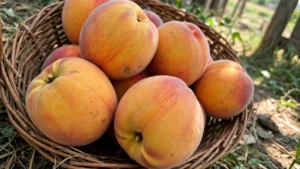
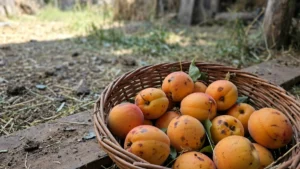
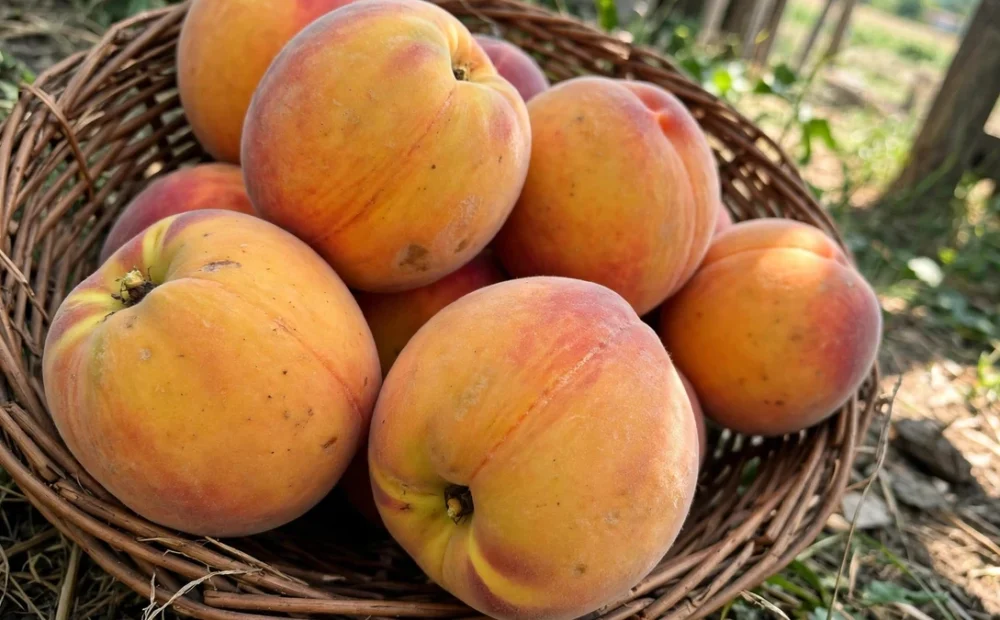
The trip has a shape that follows the fruit. In spring you walk the blossom rows in the morning, when the flowers are open and the bees are working, and you learn which varieties flower first and which are most at risk from frost. In June you pick in the cool of the morning, taste the fruit warm from the branch, and watch the halved apricots go out onto trays to dry. After the picking, the work moves to the kitchen and the drying yard: jam, nectar, kernel oil, and in some regions a clear apricot brandy.
Most escapes last three or four nights, which is enough to see the orchard at different hours, join the work once or twice, and visit the villages around it. A good escape is one where you leave knowing how an apricot goes from blossom to jar, and carrying some of that jar home with you.
How to plan an apricot farm escape in nine steps
Nine steps, in order, will take you from a blank map to a booked stay. The first three are about knowledge: the two harvests, the blossom, and the variety. The next three are about choosing: the farm, the rows, and the tasting. The last three are about the practical side: the drying, the table, and what you buy on the last morning.
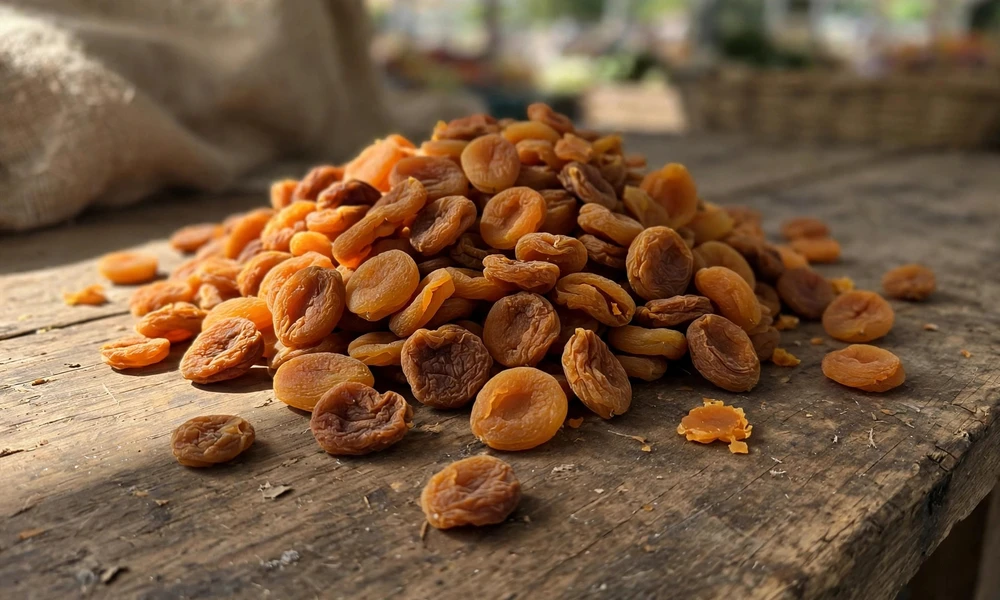
The order matters. If you pick a destination before you learn the seasons, you may arrive after the blossom or before the fruit. If you book a room before you ask about the variety, you may find yourself on a farm that grows fruit for drying when you wanted fruit for eating fresh.
The 9 steps to an apricot farm escape
Learn the two harvests: fresh fruit and dried fruit happen weeks apart
What to do: Before you choose dates, learn that the fresh harvest and the drying season are two different events. Fresh picking runs for a few weeks in June and July, while drying and preserving continue for weeks after the last fruit comes off the tree. What to avoid: Do not assume that a farm in harvest is a farm with fresh fruit to pick; the picking may be finished while the drying yards are still full. Best For: First-time apricot travellers who want to understand the season before they book. Time Needed: An evening of reading and one message to the farm. Standout Tip: Ask the farm for its picking dates and its drying dates separately, because they are rarely the same.
Time the trip for the short blossom, not the long summer
What to do: If blossom is your reason for going, aim for the one to two weeks when the trees are open, and keep your travel dates flexible by a few days either side. What to avoid: Do not fix a flight months ahead and hope the blossom waits for it; a cold night can end the show overnight. Best For: Travellers who want the spring spectacle rather than the fruit. Time Needed: Two to three months of watching the farm’s updates before you travel. Standout Tip: Ask the farm to message you when the first buds open, and book your travel only then, if you can.
Pick your region by the apricot it grows: Malatya, Moorpark, Hungarian Best
What to do: Choose your region by the variety, not by the photograph. Malatya grows fruit for drying, the Wachau grows the Marille for eating and cooking, and California grows the Patterson for both. What to avoid: Do not pick a region because it is famous and then discover it grows a variety you do not care about. Best For: Travellers who want a specific apricot experience, not just a pretty valley. Time Needed: A few hours of reading about the main varieties and where they grow. Standout Tip: Learn three variety names before you book, and ask the farm which of them it grows.
Choose an orchard that dries its own fruit on the farm
What to do: Pick a farm that halves, trays and dries its own apricots, or that makes its own jam, nectar or kernel oil, and ask to see the drying yard or the kitchen. What to avoid: Do not book a farm that ships its whole crop away raw; you will see trees and nothing else. Best For: Travellers who want to understand how an apricot becomes a pantry. Time Needed: One message to the farm, asking what it does with its fruit. Standout Tip: A farm that dries on site will have trays, a kitchen and a story; a farm that does not will have a photograph.
Walk the rows at picking time, when the fruit comes off the branch warm
What to do: Go out with the pickers in the cool of the morning, learn how to twist the fruit off the branch without tearing the spur, and taste an apricot warm from the tree. What to avoid: Do not pick in the heat of the day, when the fruit is soft and bruises at a touch, and do not pick from rows the farmer has not pointed to. Best For: Anyone who wants the picking itself, not just the eating. Time Needed: Two to three hours in the morning, with a basket and a hat. Standout Tip: Eat the first apricot in the orchard, not at the table, because it will never taste the same again.
Taste the difference between a tree-ripened apricot and a shipped one
What to do: Taste the farm’s fruit beside a bought apricot, if the farm has one to compare, and notice the sweetness, the perfume and the texture. What to avoid: Do not judge the farm’s fruit by supermarket standards; a tree-ripened apricot is softer, more fragrant and more perishable. Best For: Food lovers who want to calibrate their palate. Time Needed: Ten minutes at the farm table, with two apricots. Standout Tip: Smell the apricot before you bite it; the perfume is the first thing shipping takes away.
Learn how apricots are dried, pitted and graded on the farm
What to do: Ask the farmer to show you the drying: how the fruit is halved, how the stones are taken out, how long the trays stay in the sun, and how the dried fruit is graded by size and colour. What to avoid: Do not buy dried apricots before you have seen the grading, or you will not know what you are paying for. Best For: Travellers who want the craft, not just the crop. Time Needed: An hour at the drying yard, ideally in the afternoon when the trays are warm. Standout Tip: The best dried apricots are brown, not bright orange; the bright ones have been treated to keep their colour.
Try the kernel oil, the jam and the apricot brandy at the farm table
What to do: Sit at the farm table and taste what the farm makes from its fruit: the jam, the nectar, the kernel oil, and, where it is made, the clear apricot brandy. What to avoid: Do not eat bitter kernels in quantity; the kernels contain amygdalin, and the farm will tell you which ones are for tasting and which are for pressing. Best For: Anyone who wants the whole apricot, not just the fresh fruit. Time Needed: An hour at the table, ideally after a morning in the orchard. Standout Tip: Taste the kernel oil on bread, not on its own; its flavour is nutty and subtle, and bread shows it best.
Buy dried apricots on the last morning, after you have tasted the grades
What to do: Leave the buying until the last morning, after you have seen the drying, tasted the grades and eaten at the farm table, and buy the grade you liked best. What to avoid: Do not buy on the first day, before you know the grades, and do not buy more than you can carry home well. Best For: Travellers who want the farm’s own fruit, not a market copy. Time Needed: Half an hour at the farm shop on the last morning. Standout Tip: Buy the brown, sun-dried fruit, not the bright orange kind; it is the one the farm is proud of.
When to go and how long to stay
For blossom, go in March or April, and stay two to three nights. The blossom lasts a week or two, and a short stay is enough to see it at different hours, because the light changes the orchard completely from morning to evening.
For picking, go in June or early July, and stay three to four nights. The picking runs for a few weeks, the fruit ripens in waves, and a longer stay lets you pick on more than one morning and see the drying begin. Our guide to planning a chamomile farm escape works on the same timing logic, matching the length of the stay to the length of the season, and the apricot rewards the same approach.
Whatever the season, arrive the day before the work you want to see, not the morning of it. The picking starts early, the blossom is best at first light, and a traveller who arrives at noon has already missed the best hour.
The caveats that matter
Apricot seasons are short and weather-dependent, and no farm can promise you blossom or a perfect harvest. A late frost can take the blossom in a night, a hot wind can rush the ripening, and heavy rain can split the fruit on the branch. Book with a farm that talks about the weather honestly, and keep a second plan for the days when the orchard is not at its best.
| Detail | What is known |
|---|---|
| Blossom season | March to April, lasting one to two weeks, easily cut short by frost |
| Fresh harvest | June into July; fruit ripens fast, bruises easily, and keeps only days |
| Drying season | Runs for weeks after picking; needs dry air and steady sun |
| How long to stay | Two to three nights for blossom, three to four for picking, four or more for drying |
| When to book | Two to three months ahead for blossom, four to six weeks for harvest |
| What to pack | Sun hat, sturdy shoes, layers for cold mornings, and a bag for dried fruit |
| Who should take care | People with stone-fruit allergies, and anyone sensitive to heat in high summer |
| What no farm can promise | Blossom dates, a perfect harvest, or fruit that ripens to order |
Stone-fruit allergy deserves a plain note. Apricots are related to peaches, plums and cherries, and people who react to one stone fruit often react to others. If you have a stone-fruit allergy, tell the farm before you book, and do not join the picking or the tasting without checking with the farmer and, if in doubt, with your doctor. The orchard is still beautiful to walk through, but the tasting table is not for everyone.
Checklist: planning your apricot farm escape honestly
Use these checks before you book, and again before you travel.
- Check the two harvests: confirm the picking dates and the drying dates separately with the farm.
- Check the variety: learn which apricot the farm grows, and whether it is for eating fresh or for drying.
- Check the room: sleep close to the orchard, so you can be in the rows at first light.
- Check the work: ask what guests can join, and what the farm does with its own fruit.
- Check the packing: sun hat, sturdy shoes, layers for cold mornings, and a bag for the dried fruit.
- Check the weather plan: ask what the farm offers on a wet or frosty day, before you arrive.
Frequently asked questions
When do apricots bloom, and how long does the blossom last?
Apricots bloom in March and April in most regions, and the blossom lasts one to two weeks. It is one of the earliest blossoms of the year, which is why it is so vulnerable to a late frost, and why the farm’s own updates are more reliable than any calendar.
Can I pick apricots in the orchard?
Often yes, but only where the farm invites it, and only in the rows the farmer points to.
What is the difference between fresh and dried apricots?
A fresh apricot is soft, juicy and best eaten within days of picking. A dried apricot is the same fruit with the water removed, which concentrates the sweetness and lets it keep for months. The best dried apricots are halved, pitted and dried in the sun, and they are brown, not bright orange.
Are apricot kernels safe to eat?
Bitter apricot kernels contain amygdalin and should not be eaten in quantity. Sweet kernels are eaten in some regions in small amounts, but the safe rule is to follow the farmer’s advice, taste only what the farm offers, and never eat a handful of kernels from an unknown variety.
How many nights should I stay at an apricot farm?
Two to three nights for blossom, three to four for picking, and four or more for the drying season.
Do I need to book far ahead for blossom season?
Yes. Book blossom stays two to three months ahead, because the window is short and the best rooms go first. Harvest stays need less lead time, usually four to six weeks. A daisy farm escape and a lavender farm escape book on the same rhythm, with the short season driving the early bookings, and the apricot is no different.
The bottom line
An apricot farm escape works when you plan around the tree: learn the two harvests, time the blossom or the picking, pick a region by its variety, and choose a farm that dries, jams or presses its own fruit.
Book the farm that answers your questions about variety and dates honestly, arrive the day before the work you want to see, and leave with the dried apricots, the jam or the kernel oil that the farm made itself. That is the whole escape, and it is enough.