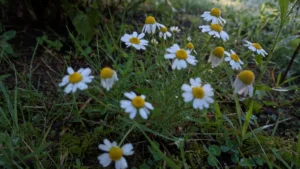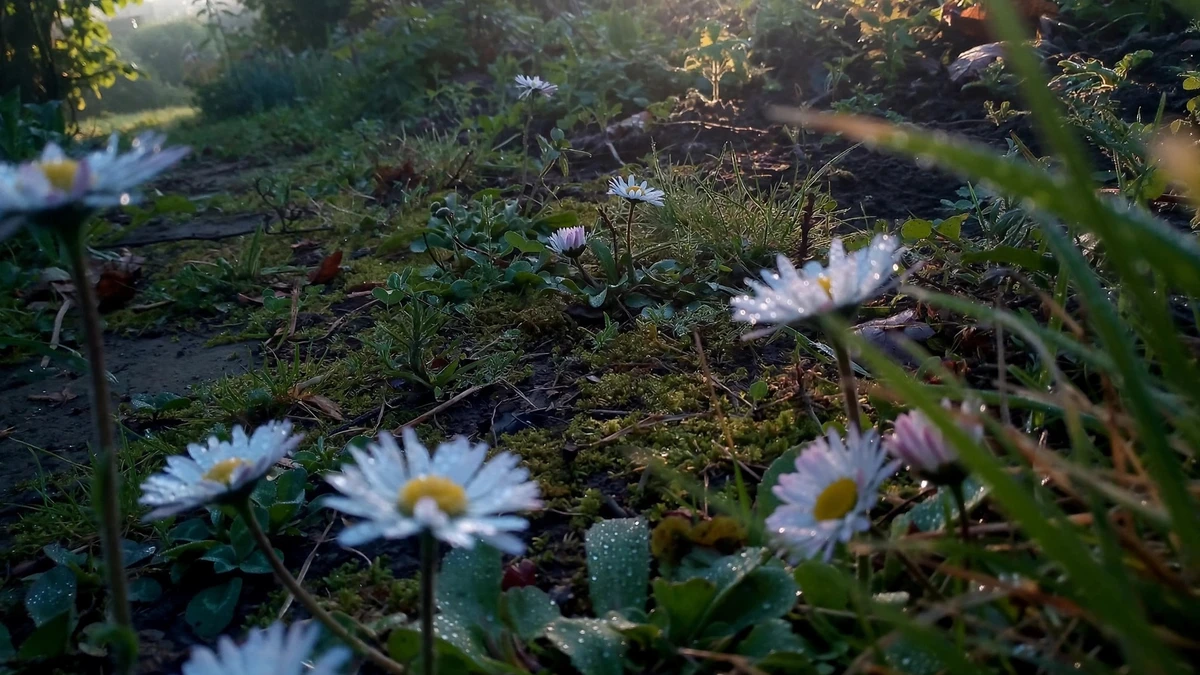

A daisy farm escape is a trip built around a short, beautiful season. Daisies bloom for a few weeks, the fields change day by day, and the best moments happen early in the morning, when the light is soft and the farm is still quiet. It is a gentle kind of travel, but it rewards planning more than most gentle trips do, because the flower will not wait for you.
The mistake most people make is treating it like a beach holiday, with a fixed date and a fixed hotel. A daisy farm is a working farm, and its calendar is written by the weather. The right approach is to choose your window first, find a farm that is honest about its bloom, and build your plans around the field rather than around a brochure. Do that, and a simple flower becomes the centre of a genuinely memorable break.
Below are nine steps for planning a daisy farm escape in 2027, from picking your season to pressing a few stems on your last evening. Each step is practical, and each one comes from the way flower farms actually work, not from the way they look in photographs.
Key takeaways
- Pick your daisy season first, because the bloom lasts two to four weeks and the exact dates move with the weather.
- Choose a working farm that grows daisies as a crop, not a field that exists only for photographs.
- Stay on the farm or within walking distance, so you can reach the fields at dawn when the light is best.
- Build one flexible day into your trip, because rain and an early or late bloom are both normal.
- No farm can promise a perfect bloom on a fixed date, and one that does is selling a picture, not a season.
What a daisy farm escape actually is
A daisy farm escape is a short break centred on a farm that grows daisies. You stay nearby, you walk the fields, you learn how the crop is grown and cut, and you spend your days at the pace of the farm. It is not a resort holiday with flowers attached. The flowers are the point, and the farm is the place.
The daisy suits this kind of trip because it is an honest flower. It does not need a grand garden or a formal setting. It grows in meadows, along field edges, and in rows that stretch to the horizon, and it looks best in the open air, in natural light, with the sky above it. The best farms keep some fields open just for walking, so you can stand in the middle of the flowers without worrying about the cutting schedule. A good escape gives you time with that, rather than rushing you from one photo spot to the next.
What makes it an escape, rather than a day trip, is the stay. Sleeping on or beside the farm changes the trip completely. You see the fields at dawn and at dusk, you hear the farm waking up, and you have time to return to a field you liked and look at it properly. That slow attention is the luxury here, and it costs less than most people expect.
How to plan it, and what to look for
Start with the season, not the destination. Find out when daisies bloom in the region you are considering, and ask the farm when its fields were at their best last year. A farm that gives you real dates and a real caveat is a farm you can trust. A farm that promises perfect flowers in any month is not.

Next, look at the farm itself. A working daisy farm will talk about varieties, cutting schedules, and the buyers it supplies. It will have muddy paths, a cutting shed, and people who work in the fields. A photo field will have an entry fee, a props table, and a queue. Both have their place, but only the first is a farm escape, and only the first will teach you anything about the flower. Our guide to planning a marigold farm escape follows the same rule, because flower farms of every kind are judged the same way, by whether they grow the flower or only display it.
Finally, look at the stay. The best option is a room on the farm or a short walk away, with a proper breakfast and a host who can tell you where the daisies are best today. A comfortable bed matters more than a spa, and a kitchen that cooks with local food matters more than a long activities list. If the farm offers a picking session or a walk with the grower, book it early, because those small groups fill first.
The 9 steps to plan a daisy farm escape
Pick your daisy season first, not your destination
What to do: Find the bloom window for the region you like, usually two to four weeks in late spring or early summer, and ask the farm for last year’s dates before you choose anything else.
What to avoid: Do not fix your dates around flights or a hotel deal and then hope the flowers cooperate. Best for: First-time flower farm travellers. Time needed: An evening of research. Standout tip: Ask for the farm’s bloom photos from last year, dated, not its marketing pictures.
Choose a working farm over a photo field
What to do: Look for a farm that grows, cuts and sells daisies, with a cutting shed, a market, or a florist it supplies, and read its own words about the crop.
What to avoid: Do not book a place whose only evidence of daisies is a row of potted plants by the entrance and a fee for photographs. Best for: Travellers who want the real thing. Time needed: An hour of checking. Standout tip: If the farm names its daisy varieties, it is almost certainly a real grower.
Book a stay that sits inside the growing land
What to do: Choose a room on the farm, in a converted barn, or in a cottage at the field edge, so the daisies are part of your morning, not a drive away.
What to avoid: Do not stay in a town hotel an hour away and treat the farm as a single afternoon stop. Best for: Early risers and photographers. Time needed: A day of comparing stays. Standout tip: Ask the host which field is best at dawn, and stay close enough to walk there.
Plan your days around the morning light
What to do: Put your field walks, your picking, and your photographs in the first two hours after sunrise, and keep the middle of the day for meals, markets, and rest.
What to avoid: Do not plan your main field visit for midday, when the light is hard, the petals close a little, and the heat builds. Best for: Photographers and slow travellers. Time needed: A sketch of each day. Standout tip: Set one early alarm for the whole trip, even if you are not a morning person.
Pack for mud, dew and long grass, not just sunshine
What to do: Bring walking shoes with grip, layers you can add or remove, a waterproof jacket, and long trousers for walking through long grass.
What to avoid: Do not pack only for a sunny photo, with light shoes and no jacket, because farm fields are muddy after rain and cold at dawn. Best for: Practical packers. Time needed: An evening of packing. Standout tip: Pack a spare pair of shoes, because the first pair will get muddy.
Build in a flower-picking slot before you arrive
What to do: Ask the farm whether picking is included, charged by the bunch, or limited to certain rows, and book your slot when you book your stay.
What to avoid: Do not assume you can pick anywhere, or that picking is free, because cutting fields are the farm’s income. Best for: Families and hands-on travellers. Time needed: One email or call. Standout tip: Ask which varieties are best for cutting, and which are left for seed.
Learn the farm’s cutting rules before you touch a stem
What to do: Ask where visitors may walk, which rows are open, and how to cut a stem cleanly, then follow the rules exactly, even if nobody is watching.
What to avoid: Do not walk into a cutting field without permission, trample rows for a photograph, or pull stems out by the roots. Best for: Respectful visitors. Time needed: Ten minutes with the grower. Standout tip: Cut low and cleanly, and never take more than the farm allows.
Leave one day unplanned for the farm’s own rhythm
What to do: Keep one day free of bookings, so you can follow the weather, revisit a field you liked, or join something the farm suggests on the day.
What to avoid: Do not fill every hour with plans, because a rainy morning or a late bloom will break a rigid schedule. Best for: Relaxed travellers. Time needed: Nothing, except restraint. Standout tip: Ask the host each evening what tomorrow is good for, and plan around the answer.
Press and dry a few stems on your last evening
What to do: Choose a few of your picked daisies, press them between paper under a heavy book, and let them dry flat overnight before you pack them.
What to avoid: Do not try to carry fresh daisies home in a suitcase, because they will wilt and stain, and do not press stems that are still wet. Best for: Keepsake collectors. Time needed: Half an hour. Standout tip: Press the flattest, smallest flowers, because they dry best and travel safest.
Which kind of daisy escape suits you
If you want a gentle first trip, choose a pick-your-own farm near a city, where the logistics are easy and the picking is hands-on. If you want a quieter, more beautiful break, choose a meadow farm in the Cotswolds, Provence, or Tuscany, where the landscape does most of the work. If you want to learn about growing, choose a working farm in Flevoland or Tasmania, where the growers will happily explain the crop.
Couples tend to do best with a farm stay that has a good kitchen and a quiet field, while families usually prefer a pick-your-own farm where children can get muddy without worry. Walkers and photographers should look for farms on a longer route, such as the Scottish Borders or County Kerry, where the daisies are one part of a bigger walk. Our guide to planning a sunflower farm escape makes the same point, because the right escape is the one that matches how you like to spend a day, not the one with the brightest photo.
Whatever you choose, keep the trip short and focused. Two or three nights is enough for one farm, and a week is enough for a region. Longer than that, and the flower stops being the point, which is the one thing a daisy farm escape should never let happen. A short trip also makes it easier to return, and many farms remember returning guests and save them the best room for the next bloom.
The caveats that matter
The honest limits of a daisy farm escape are few, but they matter. The bloom is short, the weather decides the week, and a farm is working land, with mud, insects, and early starts. None of that is a problem if you plan for it. It is only a problem if you arrive expecting a resort, a fixed date, and a guaranteed photograph.
| Detail | What is known |
|---|---|
| Best time to go | Late spring to early summer, in a two to four week bloom window that moves with the weather |
| How long to stay | Two to three nights for one farm; a week for a region with several farms |
| When to book | Months ahead for peak bloom, because the best farm stays have few rooms |
| What to pack | Walking shoes, layers, a waterproof jacket, long trousers, and a sun hat |
| Picking rules | Ask first; picking may be included, charged by the bunch, or limited to certain rows |
| What to avoid | Walking into cutting fields without permission, trampling rows, and pulling stems out |
| Allergies | Daisies are related to ragweed and chrysanthemums, so allergy sufferers should check first |
| What it is not | Not a resort break; expect quiet days, early mornings, and farm rhythms |
If you have a pollen allergy, especially to ragweed or chrysanthemums, speak to your clinician before spending a day in a daisy field. A long walk through a blooming field is a strong exposure, and it is better to know that before you travel than to find out in the middle of it. Our guide to planning a rose farm escape carries a similar warning, because every flower farm deserves the same honest check.
Checklist: planning a daisy farm escape honestly
Use these checks before you book, and again a week before you travel.
- Confirm the bloom window with the farm, and ask for last year’s dates, not just this year’s hopes.
- Check that the farm grows daisies as a crop, with a cutting shed and a market, not just a photo field.
- Book a stay on the farm or within walking distance, so the dawn fields are yours.
- Pack for mud and dew as well as sunshine, with proper shoes, layers, and a waterproof.
- Arrange your picking slot in advance, and learn the farm’s cutting rules before you touch a stem.
- Keep one day unplanned, so rain or a late bloom does not spoil the trip.
Frequently asked questions
How far in advance should I book a daisy farm escape?
Months ahead for peak bloom, because the best farm stays have few rooms and the bloom window is short. If you are flexible on dates, you can often book a few weeks ahead, but you may miss the best week. If the farm has a waiting list for peak weeks, join it, because cancellations do happen and the farm will call you first.
Can I visit a daisy farm in the rain?
Yes, and the fields can be beautiful in soft rain, but the paths will be muddy and the light will be flat. Bring a waterproof, wear proper shoes, and keep a dry indoor plan, such as a cutting workshop, for the wettest hours.
Do daisy farms allow dogs?
Some do and some do not, and the rules often change with the season. Ask the farm before you book, keep your dog on a lead in the fields, and never let it run through a cutting row.
What is the difference between a daisy farm and a daisy garden?
A farm grows daisies as a crop, in fields, for cutting and selling. A garden grows them for display, in beds, for visitors to look at. The farm is usually bigger, muddier, and more interesting, while the garden is tidier and easier to walk around.
Can I take daisies home from a farm escape?
Usually yes, if you pick them properly and the farm allows it. Press a few flat stems between paper under a heavy book on your last evening, and they will travel home safely. Fresh stems rarely survive a suitcase.
Are daisy farm escapes suitable for children?
Yes. Most children enjoy them a lot, since the flowers are low, the farms welcome muddy hands, and making daisy chains is part of the fun. Pack spare clothes and a bag for the chains you make.
The bottom line
The best daisy farm escape in 2027 is not the one with the brightest photo. It is the one planned around the real bloom, on a real working farm, with a room close enough to the fields that you can walk out at dawn. Pick your season first, choose a farm that grows the flower, and leave one day open for the weather.
Do that, and a simple white flower becomes the centre of a genuinely good trip. Book the bloom, not the picture, and let the farm set the pace. That is the honest way to enjoy a daisy farm, and the only way that does it justice.