
A rose farm escape is planned backwards from a single morning. The pickers go out before sunrise, while the petals are still cool and the oil is still in them, and everything else in the trip is built around that hour. If you sleep in, you miss the harvest. The trip rewards people who plan around the roses, and it punishes people who plan around their own calendar.
That is the first thing to understand about these trips. A rose farm is a working farm, not a hotel with a garden, and the harvest lasts only a few weeks a year. The valley you choose, the week you choose, and the farm you stay on all matter more than the flight or the room. Get those three right and the rest of the trip almost plans itself.
Below are nine steps for planning a rose farm escape in 2027, from learning the rose varieties to buying the oil on the last morning. Each step is written for rose country specifically, with what to do, what to avoid, and how long it takes.
Key takeaways
- Plan backwards from the dawn picking, because the harvest hour sets the whole trip, not the flight time.
- Learn the rose varieties first: damask roses are grown for oil, centifolia for perfume, and rugosa for hips and tea.
- Book the farm stay before the flights, because the good farmhouses in the small valleys have very few rooms.
- Leave one day unscheduled, so a late bloom or a slow morning does not cost you the harvest.
- No farm can guarantee a bloom, and a cold spring or a hot week can move the harvest by days.
What a rose farm escape actually involves
A rose farm escape is a stay on or beside a working rose farm during the harvest, usually three to seven nights. The days are organised around the work: dawn picking, distillation, grading, and the farm kitchen. You sleep in a farmhouse, a converted barn, or a small guesthouse, and you eat what the valley grows. There is no spa programme and no fixed itinerary, because the harvest sets the day.
The work is gentle but real. Picking means walking the rows with a basket, pulling petals by hand, and watching out for thorns. Distillation means standing beside a copper still while the first rose water runs. Grading means sitting at a table and sorting petals by hand. A good farm will tell you exactly what guests are expected to do, and what they are welcome to watch.
The luxury is in the access and the slowness. You stand beside the still while it runs, you eat at the farm table, and you walk rows of roses that smell different at dawn than they do at noon. It is not a resort trip, and it should not be sold as one.
Before you book: what to check first
Check the rose first, not the room. Ask the farm which rose it grows and what it makes from it, because that tells you what the days will hold. A damask rose farm is about oil and the dawn picking. A centifolia rose farm is about perfume and the grading table. In Taif, the roses are about rose water sold at the dawn market.

Check the moving policy next. A good farm will tell you the harvest window, warn you it can shift by a week, and let you move your booking if the bloom moves. Ask what the deposit covers, whether the dates can shift, and what happens if the bloom is early or late.
Check the stay last. Farmhouses are simple, so confirm the bed, the bathroom, and the heating or cooling before you pay. Our guide to planning a peony farm escape follows the same order, because flower farm trips share the same rule: the bloom sets the schedule, not the traveller.
The 9 steps to plan a rose farm escape
Learn the rose varieties first: damask, centifolia, rugosa and tea — before you choose a valley
What to do: Learn the four main farm roses and what each one is grown for, then match the rose to the trip you want. What to avoid: Choosing a valley by the photograph alone, without knowing which rose grows there. Best For: First-time rose travellers who have never planned a flower farm trip. Time Needed: An evening of reading before you book anything. Standout Tip: Damask is the oil rose, centifolia is the perfume rose, and rugosa is the hips-and-tea rose.
Time your visit to the dawn picking, when the petals hold the most oil
What to do: Plan the trip around the dawn picking, and book the middle of the harvest window, not the start. What to avoid: Arriving at the tail end of the window, when the petals are fewer and the oil is thinner. Best For: Travellers who want the full harvest, not just the gardens. Time Needed: A week in the valley, with the picking at its centre. Standout Tip: The oil is richest in the petals picked before sunrise, so the early alarm is the point of the trip.
Pick a farm with its own still, and ask to see the distillation
What to do: Choose a farm that distils on site, and ask when guests can watch the still running. What to avoid: A farm that ships its petals away, because the distillation is the part worth seeing. Best For: Travellers who want to understand how rose oil and rose water are actually made. Time Needed: A morning at the still, usually two to three hours. Standout Tip: The first run of rose water smells greener and sharper than the later runs, so ask to smell them in order.
Watch the copper still at work and smell the first run of rose water
What to do: Stand beside the still while it runs, and smell the first run as it comes off. What to avoid: Standing downwind of the steam for long, because the scent is strong and the room is hot. Best For: Anyone who wants the sensory heart of the rose trip. Time Needed: An hour at the still, plus time to cool down after. Standout Tip: The still room smells different every hour, as the runs change, so stay for more than one.
Try picking a basket of petals yourself — and feel how the thorns slow you down
What to do: Pick a full basket with the morning crew, wearing gloves and long sleeves. What to avoid: Picking without gloves, or pulling at the stems instead of the petals. Best For: Travellers who want to join the harvest properly, not watch it from the edge. Time Needed: Two to three hours in the rows, from dawn to breakfast. Standout Tip: The thorns set the pace, so slow down and pick cleanly rather than quickly.
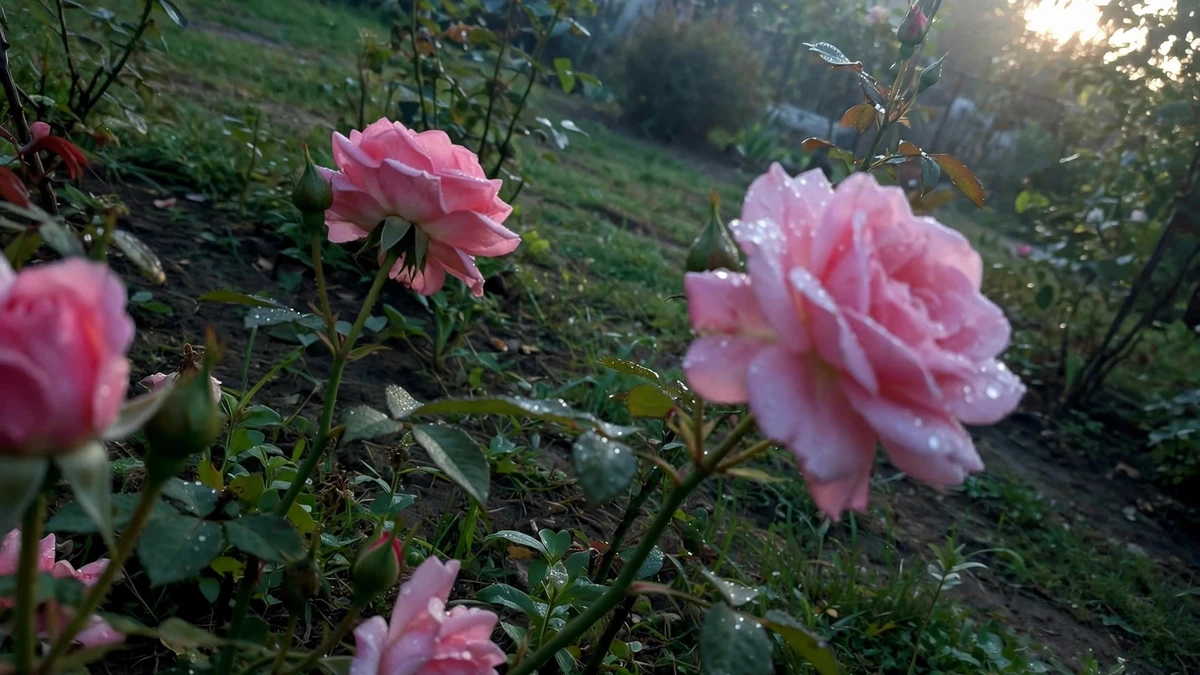
Come back to the rows at midday, when the heat changes the scent
What to do: Walk the same rows at noon that you picked at dawn, and notice how the scent has changed. What to avoid: Judging the roses by the dawn scent alone, because the midday scent is a different rose. Best For: Travellers who want to understand how heat and sun change a flower. Time Needed: Half an hour in the rows, in the middle of the day. Standout Tip: The scent turns heavy and sweet by noon, and the petals feel warmer and softer in the hand.
Try rose jam, rose syrup and petal tea at the farm table
What to do: Eat at the farm table and try the rose foods the farm makes: jam, syrup and petal tea. What to avoid: Filling up on bread before the rose dishes arrive, because they come in small courses. Best For: Food lovers who want to taste what a rose farm actually cooks. Time Needed: A long lunch, usually two hours at the table. Standout Tip: Petal tea tastes of very little on its own, so try it beside the jam to understand the flavour.
Stay the night in the valley so you hear the pickers leave at dawn
What to do: Sleep in the valley itself, in the farmhouse or the village, not in a town an hour away. What to avoid: Staying in a city and driving in each morning, because you will miss the dawn hour. Best For: Travellers who want the full rhythm of the harvest, not a day visit. Time Needed: Three to seven nights in the valley. Standout Tip: The sound of the pickers leaving at dawn is the best alarm clock on the trip, so sleep with the window open.
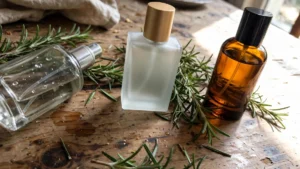
Take the rose oil home last, after the still has done its work
What to do: Buy rose oil and rose water on the last morning, after you have watched them distilled. What to avoid: Buying on the first day, before you know what fresh oil smells like. Best For: Anyone who wants a bottle that actually came from the farm they stayed on. Time Needed: An hour at the farm shop on the last morning. Standout Tip: Fresh oil smells greener and sharper than the bottled kind, so buy the one you smelled at the still.
Timing your trip around the rose harvest
The northern hemisphere harvest runs from late March in Taif to June in Bulgaria, with Grasse in May and the Atlas Mountains in May. Kashan and the Bekaa Valley fall in May and June, and the Yarra Valley harvests in the Australian summer, around December and January.
Aim for the middle of the window, not the start. The first week is the early bloom, with fewer petals and a thinner harvest. The middle is the full harvest, with the rows at their best and the stills running every day. The last week is the tail end, when the petals are fewer and the oil is thinner. If you can only spare a few days, the middle is where the trip is.
Give the valley a full week if you can. A week lets you pick twice, watch the still on two different days, and keep a free day for a late bloom or a slow morning. Our guide to planning a lotus farm escape makes the same point, because every flower farm trip works better with a free day built in.
The caveats that matter
Rose farm escapes are working farms, and the harvest is weather. A cold spring can push the bloom back by a week. A hot week can shorten it by days. The farm that lets you move your booking when the bloom moves is telling you the truth, and the farm that promises an exact date months ahead is guessing. Ask about the moving policy before you pay a deposit, not after.
| Detail | What is known |
|---|---|
| Best time to visit | Late March to June in the northern hemisphere; December and January in the Yarra Valley |
| How long to stay | Three to seven nights, with a week giving room for the weather to move |
| When to book | Book the farm stay first, then the flights, because farm rooms are few |
| What the days hold | Dawn picking, distillation, grading, and the farm kitchen |
| What to pack | Long sleeves and gloves for the thorns, layers for dawn, closed shoes for the rows |
| What to check before paying | Whether the booking can move if the bloom shifts, and what the deposit covers |
| Who should be careful | People with rose or pollen allergies, and anyone who cannot walk uneven field paths |
| What it does not offer | It is not a spa or a resort; the luxury is the setting, the access and the slowness |
If you have a rose or pollen allergy, take it seriously. A field in full bloom throws off a lot of pollen, and the still rooms are thick with steam and scent. Antihistamines help some people, but a strong allergy makes a harvest-week farm the wrong trip. A tulip farm is a gentler alternative for allergy-prone travellers, because tulips shed far less pollen into the air.
Checklist: planning a rose farm escape honestly
Use these checks before you book, and again before you travel.
- Check the rose: ask the farm which rose it grows and what it makes from it.
- Check the window: ask when the farm expects the bloom this year, not just the month.
- Ask about moving the dates: can the booking shift if the bloom moves, and what would it cost?
- Check the stay: confirm the bed, the bathroom, and how far the farm is from the nearest town.
- Pack work clothes: long sleeves, gloves, closed shoes, and layers for the cold dawn.
- Leave one day unscheduled, so a late bloom or a slow morning does not cost you the harvest.
Frequently asked questions
Do I need to book the farm stay before the flights?
Yes. The good farmhouses in the small valleys have very few rooms, and they go first. Book the farm stay, confirm the dates can move if the bloom shifts, and then book the flights around it. Booking the flights first risks arriving on the wrong week, with the farm full and the bloom already past.
How much should I budget for a rose farm escape?
The farm stay itself is usually the smallest cost, from around $40 a night in Pushkar to around $420 a night near Grasse, with most valleys falling between $70 and $280 a night. Add the flights, the car or transfer, and the farm shop, and a week in rose country usually costs less than a week in a city hotel. The rose oil is the one luxury worth budgeting for.
Is the dawn picking suitable for children?
Often yes: family farms usually welcome children in the rows, as long as they can manage the paths and the thorns. The early start is the hard part, so younger children may prefer a later visit to the grading table. Ask the farm what children can actually do, and whether there is a shorter picking session for families.
What should I pack for the thorns and the dawn cold?
Long sleeves, gloves, closed shoes, and a layer for the dawn chill. The rows are uneven and the thorns catch bare skin, so shorts and sandals are a mistake. A hat and water are needed by midday, when the sun is strong.
Can I do a rose farm as a day trip, or do I need to stay?
A day trip works for the gardens and the market, but it misses the dawn picking, which is the heart of the harvest. If you can only spare a day, go for the grading table and the still in the late morning, and accept that you will miss the picking. If you want the full harvest, stay at least three nights in the valley itself.
Which rose valley should a first-timer choose?
Bulgaria’s Rose Valley is the best first visit, because the damask harvest is the classic one, the farms are used to visitors, and the festival gives the trip a centre. Turkey’s Isparta is the calmer alternative, with the same rose and fewer visitors. If perfume is the interest rather than oil, Grasse is the better first valley. Our luxury rose farm retreats roundup compares all nine valleys, so you can match the valley to the trip you want.
The bottom line
Planning a rose farm escape comes down to three decisions: the rose, the week, and the farm. Learn the varieties, aim for the middle of the harvest window, and choose a farm that distils on site and lets you move the booking if the bloom moves. Book the farm stay before the flights, pack for thorns and dawn cold, and keep one day free.
Go at dawn, pick a full basket, stand beside the still, and buy the oil on the last morning. Roses do not wait for a fixed itinerary, and farms that say so plainly are the ones to trust. That is the honest way to plan a rose farm escape, and the reason the best ones stay small.