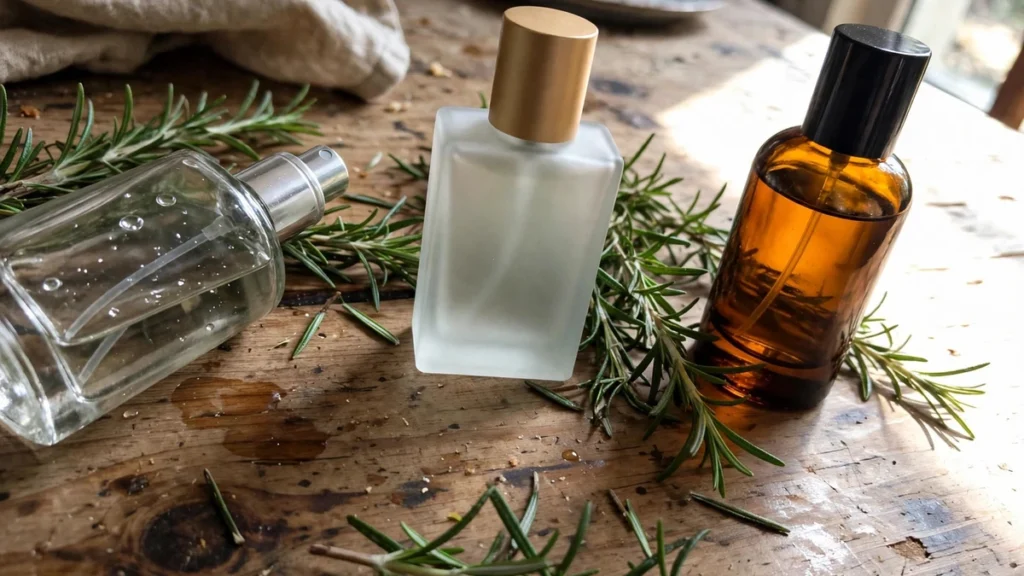
Rosemary is the herb most people know from the kitchen, yet in a perfume it behaves nothing like a roast dinner. The rosemary note is green, woody and slightly camphorous, with a clean, almost medicinal sharpness that wakes a fragrance up.
The problem is that rosemary is easy to get wrong. The best rosemary perfumes keep it in balance, letting it sharpen the opening, support the lavender or citrus beside it, and then settle into a dry, green freshness that lasts well past the first hour.
Below are nine rosemary perfumes worth trying in 2027, from a centuries-old Italian cologne to a modern designer favourite. Each one is described by what it is good at, what to watch for, and who it suits best, so you can choose with your nose in mind, not just a bestseller list.
Key takeaways
- Rosemary smells green, woody and slightly camphorous in perfume, and it is what gives classic colognes their crisp, clean opening.
- The best rosemary perfumes balance the herb with citrus, lavender or woods, so it sharpens the fragrance without smelling medicinal.
- Rosemary is usually a top note, so it is strongest in the first hour, but its dry green character carries into the heart of the scent.
- Look for rosemary listed as a real note, not just a marketing word, and test on skin, because heat makes the camphor edge stronger.
- No rosemary perfume suits everyone, and a note that smells fresh and clean on one person can smell sharp and herbal on another.
What rosemary smells like in a perfume
Rosemary oil is steam-distilled from the leaves and flowering tops of the rosemary plant, and its character comes mainly from a molecule called 1,8-cineole, the same compound that gives eucalyptus its cool, medicinal edge. In a perfume, that translates into a green, woody smell with a camphor bite. It is fresh without being sweet, herbal without being leafy, and clean without smelling soapy.
What it does not smell like is food. A well-made rosemary perfume never smells like a roast, because the perfumer pairs the herb with citrus, lavender, vetiver or woods that pull it away from the kitchen and toward the cologne bottle. The rosemary note is at its best when it acts as a frame: it sharpens the citrus, cools the lavender, and gives the woods something green to lean on.
Rosemary also changes with temperature. In warm weather the camphor edge stands out more, and the perfume smells brighter and sharper. In cold weather the woody side of the herb comes forward, and the same perfume smells softer, drier and more grounded.
How we chose these rosemary perfumes and what to look for
Look first at whether rosemary is a real listed note. Many fresh perfumes are described as herbal in marketing copy without rosemary appearing anywhere in the note list. Every perfume below lists rosemary among its published notes, so the herb is genuinely part of the composition, not just a suggestion on the box.
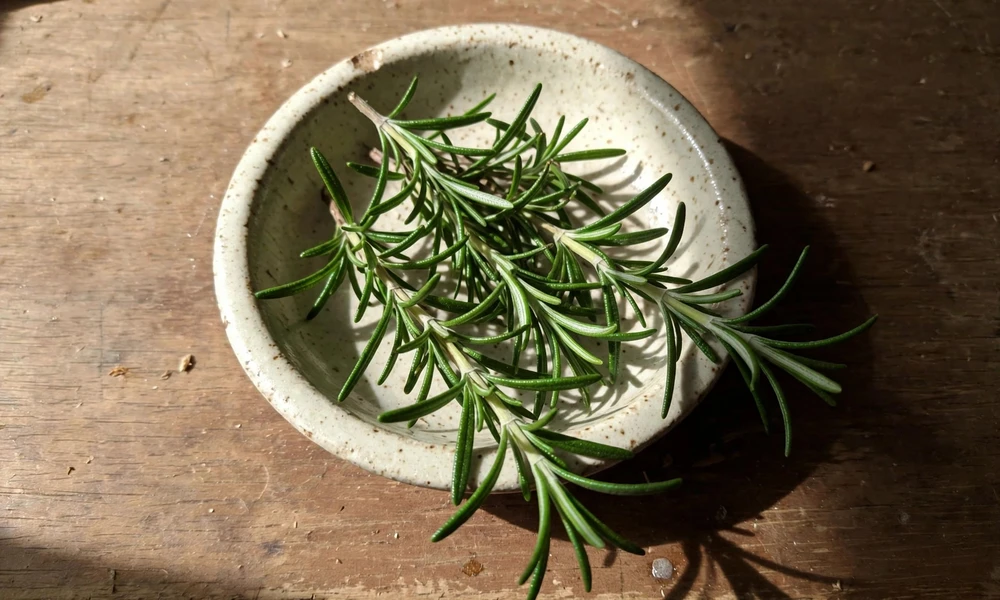
Look next at what sits beside the rosemary. Citrus and lavender are the classic partners, and they make the herb smell bright and clean. Vetiver and cedar pull it in a drier, woodier direction, which suits people who find fresh perfumes too sharp. If you liked the green herb character in our guide to basil perfumes, rosemary is the woodier, cooler cousin, and the same rule applies: the partners decide the character as much as the herb itself.
Finally, look at concentration and price. Most rosemary perfumes are eau de toilette or eau de cologne, which means they are lighter and brighter than an eau de parfum, and they are usually priced for everyday wear rather than special occasions. Prices below are approximate, based on the standard bottle size at the time of writing.
The 9 best rosemary perfumes of 2027
Acqua di Parma Colonia
What we like: The classic Italian cologne, first made in 1916, with rosemary listed among its herbal notes alongside lavender and lemon. It opens bright and citrusy, then settles into a clean, soapy freshness that smells effortlessly polished. Best for: Anyone who wants a timeless, understated cologne for daytime. Material: Eau de cologne in a glass bottle. Price range: Around $150 to $200 for 100 ml. Standout feature: Over a century of history, and still the reference point for a fresh cologne.
What to consider: It is light and does not last as long as a modern eau de parfum, so expect four to six hours and plan to reapply for the evening. The rosemary is present but gentle, which is a strength if you want subtlety and a weakness if you want the herb to dominate.
Dior Eau Sauvage
What we like: A landmark men’s fragrance from 1966, with rosemary in the opening beside basil, lemon and lavender. The rosemary gives the citrus a green, slightly camphorous edge that keeps the whole composition feeling crisp and alive. Best for: Lovers of classic men’s fragrance and anyone who wants rosemary with real history behind it. Material: Eau de toilette in a glass bottle. Price range: Around $100 to $130 for 100 ml. Standout feature: The perfume that set the pattern for the modern fresh men’s fragrance.
What to consider: It is a product of its era, so the drydown is more powdery and traditional than a modern fresh scent. The rosemary is clearest in the first hour, then fades into the lavender and woods.
Tom Ford Beau de Jour
What we like: A modern barbershop fragrance with rosemary and lavender in the opening, over a base of patchouli, oakmoss and musk. The rosemary is green and aromatic rather than sharp, and it gives the whole scent a clean, groomed character. Best for: Anyone who wants a polished, modern rosemary perfume for work or evenings. Material: Eau de parfum in a glass bottle. Price range: Around $200 to $260 for 100 ml. Standout feature: The most refined rosemary in a modern designer bottle, with a long, mossy drydown.
What to consider: It is premium-priced, and the lavender and patchouli share the stage, so the rosemary is a supporting player rather than the star. If you want the herb to dominate, this is not the one.
Paco Rabanne Pour Homme
What we like: A bold 1970s classic with rosemary and clary sage in the opening, over a warm base of tonka bean and musk. The rosemary is unmistakable here, green and slightly soapy, and it gives the fragrance its distinctive aromatic character. Best for: Fans of vintage men’s fragrance and anyone who wants rosemary you can actually smell. Material: Eau de toilette in a glass bottle. Price range: Around $40 to $60 for 100 ml. Standout feature: One of the most affordable ways to own a genuinely rosemary-led classic.
What to consider: It is strong and old-fashioned, with a soapy, aromatic drydown that not everyone will love. Wear it lightly at first, because two sprays go further than you expect.
Azzaro Pour Homme
What we like: A warm, aromatic men’s fragrance from 1978, with rosemary among its herbal opening notes, over lavender, cedar and sandalwood. The rosemary adds a green freshness that keeps the warm woods from feeling heavy. Best for: Cooler weather and evening wear, when its warm, woody character has room to breathe. Material: Eau de toilette in a glass bottle. Price range: Around $35 to $55 for 100 ml. Standout feature: A warm, woodsy rosemary that works better in autumn and winter than in high summer.
What to consider: It is a classic, so the drydown is traditional and slightly powdery, and the rosemary is quieter than in Paco Rabanne Pour Homme. It is also a fragrance that rewards a light hand.
Guerlain Vetiver
What we like: A green, smoky classic with rosemary listed among its opening notes, over vetiver, tobacco and cedar. The rosemary lifts the vetiver and keeps the smoky base from feeling heavy, giving the whole fragrance a dry, green freshness. Best for: People who love vetiver and want rosemary as a bright, herbal accent rather than the main event. Material: Eau de toilette in a glass bottle. Price range: Around $90 to $130 for 100 ml. Standout feature: The driest, greenest rosemary on this list, with a smoky vetiver base.
What to consider: Vetiver dominates, so the rosemary is a supporting note and fades within the first hour. It is also a fragrance that smells very different on different skin, so test it before you buy.
Penhaligon’s Blenheim Bouquet
What we like: A dry, citrusy English cologne with rosemary in the opening, beside lemon, lime and lavender. The rosemary gives the citrus a herbal, slightly pine-like edge that makes the whole composition smell crisp and old-fashioned in the best way. Best for: Fans of dry, citrus colognes and anyone who wants a British take on rosemary. Material: Eau de toilette in a glass bottle. Price range: Around $180 to $230 for 100 ml. Standout feature: The driest citrus cologne on this list, with rosemary doing the drying.
What to consider: It is light and short-lived, so expect three to five hours, and it is premium-priced for a cologne. The rosemary is clear but the citrus leads, so the herb is a seasoning rather than the main flavour.
Aramis by Aramis
What we like: A rich, leathery classic with rosemary among its aromatic opening notes, over clary sage, jasmine and a warm base of leather, amber and musk. The rosemary adds a green, herbal lift to a fragrance that is otherwise warm and deep. Best for: Evening wear and cooler weather, when its warm, leathery character suits the occasion. Material: Eau de toilette in a glass bottle. Price range: Around $40 to $60 for 100 ml. Standout feature: The warmest, most leathery rosemary on this list, and a classic at a modest price.
What to consider: It is strong and unmistakably old-school, with a leathery drydown that can feel heavy in summer. The rosemary is most obvious in the opening, then gives way to the leather and amber.
Santa Maria Novella Acqua di Colonia Rosmarino
What we like: A rosemary cologne from the Florentine pharmacy founded in 1221, with rosemary as the star of the composition rather than a supporting note. It smells green, clean and unmistakably herbal, like a rosemary sprig in a cool, stone room. Best for: Anyone who wants to smell rosemary itself, without the herb being buried under citrus or woods. Material: Eau de cologne in a glass bottle. Price range: Around $130 to $170 for 100 ml. Standout feature: The most rosemary-forward perfume on this list, from the oldest pharmacy in the world.
What to consider: It is a cologne, so it is light and fades within a few hours, and the rosemary is so direct that it can read as medicinal if you spray too much. One or two sprays is enough.
Which rosemary perfume is right for you
If you are new to rosemary, start with Acqua di Parma Colonia or Dior Eau Sauvage. Both are easy to wear, widely available, and they show you the herb in its most polished, classic form. Either one will tell you within a day whether rosemary is a note you want in your life.
If you want rosemary to be obvious, choose Paco Rabanne Pour Homme or Santa Maria Novella Rosmarino. The first is bold, soapy and affordable, the second is green, clean and direct. If you prefer the herb as an accent, Tom Ford Beau de Jour and Guerlain Vetiver are the better choices, because the rosemary works quietly beside lavender, patchouli or vetiver.
Season matters too. Warmer, woodier ones like Azzaro Pour Homme and Aramis suit autumn and winter, when the rosemary has warm woods and leather to lean on. A guide to juniper perfumes makes a useful companion here, because juniper is another green note that shifts with the seasons in the same way, and comparing the two is a good way to learn what your nose prefers.
The caveats that matter
Rosemary is a strong character, and it does not suit every nose or every occasion. The camphor edge that makes it smell fresh can also make it smell medicinal, especially in warm weather or when too much is sprayed. It is the nature of the note, and it is why a light hand matters more with rosemary than with a soft floral or a sweet vanilla.
| Detail | What is known |
|---|---|
| What rosemary smells like | Green, woody and slightly camphorous, with a cool herbal sharpness |
| Where it sits in a perfume | Usually a top note, strongest in the first hour, then fading into the heart |
| Best partners | Citrus, lavender, vetiver, cedar and woods, which balance the sharpness |
| When it smells best | Spring and summer for light citrus versions, autumn and winter for warm woody ones |
| Who should test carefully | Anyone who dislikes medicinal or herbal smells, and anyone sensitive to strong camphor |
| How much to spray | One to two sprays, because rosemary projects more than its lightness suggests |
| How long it lasts | Three to six hours for most colognes, longer for eau de parfum versions |
| What it does not do | It does not smell sweet or floral, and it will not suit a lover of soft, powdery scents |
If you are sensitive to strong herbal smells, or if you have had a reaction to a camphor-heavy product before, patch-test a rosemary perfume on your wrist and wait an hour before buying.
Checklist: choosing a rosemary perfume honestly
Use these checks before you buy, and again after a week of wear.
- Check the note list: rosemary should be listed as a real note, not just mentioned in the marketing copy.
- Check the opening: spray once on your wrist and wait ten minutes, because rosemary is sharpest in the first five.
- Check the drydown: smell it again after two hours, when the rosemary has settled and the base shows itself.
- Check the season: try it in the weather you will actually wear it in, because heat makes the camphor edge stronger.
- Check the dose: one spray is often enough, and two is a maximum for most rosemary colognes.
- Check the company it keeps: notice whether the citrus, lavender or woods beside it make the rosemary smell better or harsher.
Frequently asked questions
Which rosemary perfume is the best one to start with?
Acqua di Parma Colonia is the easiest starting point. It is light, polished and widely available, and the rosemary is gentle enough that it will not overwhelm you.
Are rosemary perfumes only for men?
No. Most classic rosemary perfumes were marketed to men, but the note itself is unisex, and many women wear rosemary colognes for their clean, green character.
How long do rosemary perfumes last on skin?
Most rosemary colognes last three to six hours, because they are light eau de toilette or eau de cologne concentrations. Eau de parfum versions, such as Tom Ford Beau de Jour, last longer, often six to eight hours.
Can I wear a rosemary perfume in hot weather?
Yes, but choose a light, citrusy one, such as Colonia or Blenheim Bouquet, and spray less than usual. Our guide to bamboo perfumes covers another green note that behaves well in heat, if you want a cooler alternative for the hottest weeks.
What is the difference between a rosemary perfume and a lavender perfume?
Lavender is softer, sweeter and more floral, while rosemary is greener, woodier and more camphorous. They are often paired, and they work well together, but lavender soothes a composition and rosemary sharpens it.
Do rosemary perfumes smell like cooking?
Not when they are well made. A good rosemary perfume pairs the herb with citrus, lavender or woods that pull it away from the kitchen, so it smells like a cologne, not a roast.
The bottom line
The best rosemary perfume in 2027 is not the one with the most rosemary in it. It is the one that balances the herb with partners that suit your taste, in a concentration you will actually wear. For a first bottle, Acqua di Parma Colonia is the safe, elegant choice. For rosemary at full strength, Santa Maria Novella Rosmarino is the honest one.
Buy a small bottle, wear it for a week in the weather you actually live in, and judge it on the drydown, not the first spray.