



A daisy farm retreat is a small, deliberate kind of luxury. It is not a resort with a flower bed out front. It is a working farm where daisies are grown in real fields, and where you stay close enough to walk out in the morning and see them before anyone else does. The appeal is simple and a little old-fashioned: fresh air, wide sky, white petals against green, and days that move at the pace of the farm rather than the pace of your inbox.
That simplicity is also the trap. Daisies look effortless, but a good retreat is not. The best farms grow daisies as a crop, which means the fields change week by week, the best viewing window is short, and a farm that photographs beautifully in June can look bare by August. A retreat that is honest about that, that tells you when its fields are at their best and what is actually in bloom when you arrive, is worth far more than one that sells you a stock photo of a field it does not own.
Below are nine daisy farm retreats worth considering in 2027, from English meadow country to Japanese temple gardens. Each one is described by what it does well, what to watch for, and who it suits best.
Key takeaways
- A daisy farm retreat puts you on a working flower farm, with the fields as the main attraction, not a decoration.
- The best time to visit is usually a two to four week window when the daisies are fully open, so check the bloom calendar before you book.
- Working farms beat photo fields: look for places that grow, cut and sell daisies, not just charge for pictures.
- Stay on the farm or within walking distance if you can, because the light is best early and the fields are quietest then.
- No farm can guarantee a perfect bloom, and a retreat that promises one in any month is selling you a picture, not a season.
What a daisy farm retreat actually is
A daisy farm retreat is a stay built around a farm that grows daisies. That can mean a family farm with a few guest rooms, a converted barn on the edge of a cutting field, or a small country hotel that buys its flowers from the fields next door. The common thread is that the flowers are the reason the place exists, not an afterthought, and the people who run it know the crop the way a vineyard owner knows vines.
What makes it different from an ordinary countryside break is the access. At a real daisy farm you can walk the rows at dawn, watch the pickers work, learn which varieties are cut for bouquets and which are left for seed, and often pick a bunch of your own. The daisy itself is an unpretentious flower, which is part of the charm. It does not demand the formality of a rose garden or the spectacle of a tulip field. It suits a slower, simpler kind of trip.
The luxury part comes from the setting and the service, not from the flower. The best retreats pair a beautiful field with a genuinely comfortable room, good food, and hosts who know the land. The difference is usually visible in the first ten minutes: a real farm smells of cut stems and damp earth, and its hosts talk about the weather with the seriousness it deserves.
How we chose these retreats and what to look for
Look first at whether the farm actually grows daisies as a crop. A working farm will talk about varieties, cutting schedules, and the market it sells to. A photo field will talk about entry fees and Instagram spots. Both can be enjoyable, but only one is a farm retreat, and only one will still have flowers in the field on a wet Tuesday in July.
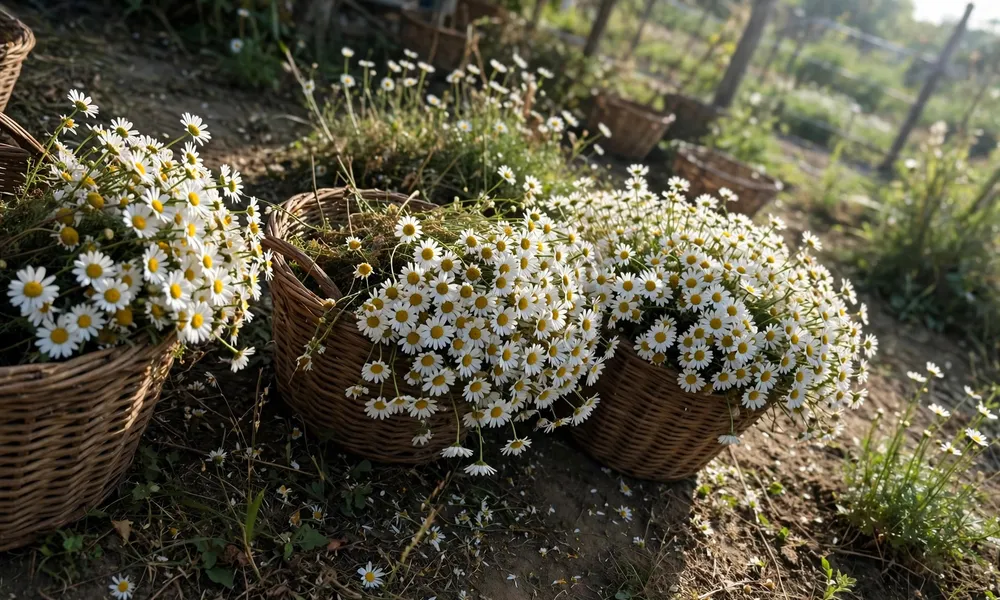
Look next at the stay itself. The best retreats keep you on the farm or within a short walk of it, so the fields are part of your day rather than a drive away. A comfortable bed, a proper breakfast, and a host who can tell you where the daisies are best today matter more than a spa menu or a long list of activities. If the farm offers a picking session, a cutting workshop, or a simple walk with the grower, take it. That is where the trip earns its price.
Finally, check the season honestly. Daisy season is short, and it moves with the weather. Ask the farm when its fields were at their best last year, and what happens if the bloom is early or late. A good farm will give you a straight answer and a backup plan, such as a garden walk, a cutting workshop, or a nearby meadow. Our guide to luxury marigold farm retreats makes the same point, because flower farms of every kind live and die by the season, and the honest ones say so.
The 9 best luxury daisy farm retreats of 2027
The Cotswolds, England
What we like: Oxeye daisies in old meadow country, dry stone walls, and farm stays that have been welcoming walkers for generations. The light in June is soft and long, and the villages are close enough for a proper pub lunch.
What to consider: The best meadows are on working farms, so access can be limited during cutting, and the weather is changeable even in high summer. Best for: Walkers and slow travellers. Style: Classic English meadow farm. Price range: Around £180 to £350 a night. Standout feature: Oxeye daisy meadows that have never been ploughed.
Provence, France
What we like: Wild daisies along field edges and lavender rows, warm dry air, and farmhouses that serve long lunches under plane trees. The daisies here feel like part of the landscape, not a planted display.
What to consider: Peak bloom is early, often late May into June, and the region is busy in summer, so book the farm stay before the flights. Best for: Food lovers and long-lunch travellers. Style: Provençal farmhouse stay. Price range: Around €200 to €420 a night. Standout feature: Daisies growing wild beside working lavender fields.
Tuscany, Italy
What we like: Daisy meadows below hill towns, cypress-lined drives, and agriturismo farms where the same family grows the flowers and cooks the dinner. The contrast of white petals and green hills is at its best in late spring.
What to consider: The most famous hill towns are crowded in summer, and the daisy fields are often a short drive from the farmhouse, not outside the door. Best for: Couples and first-time Italy travellers. Style: Agriturismo farm stay. Price range: Around €180 to €400 a night. Standout feature: Meadow daisies with a hill town on the horizon.
Flevoland, The Netherlands
What we like: Wide, flat daisy fields on reclaimed polder land, with cycling paths running right beside them. The Dutch flower-growing skill is on full display here, and the scale of the fields is genuinely impressive.
What to consider: The landscape is open and exposed, so wind and rain are part of the trip, and the fields are working land, not gardens, so access is by path and by permission. Best for: Cyclists and flower-growing enthusiasts. Style: Polder flower farm. Price range: Around €150 to €320 a night. Standout feature: Daisy fields stretching to the horizon on flat, open land.
County Kerry, Ireland
What we like: Coastal daisy meadows above the Atlantic, stone walls, and farm stays where the hosts know every field by name. The light changes by the hour, and the daisies seem brighter against the grey-green sea.
What to consider: The weather is the most changeable on this list, and the best meadows are often on rough ground, so bring proper shoes. Best for: Walkers and photographers. Style: Coastal farm stay. Price range: Around €160 to €340 a night. Standout feature: Wild daisies growing above the Atlantic coast.
Kyoto Countryside, Japan
What we like: Shasta daisies in temple gardens and farm plots, quiet lanes, and stays that combine a working farm with a deep sense of calm. The Japanese approach to a single flower, given space and attention, is quietly moving.
What to consider: The daisy season is short and the best gardens can be small, so plan around the bloom and arrive early in the day. Best for: Garden lovers and quiet travellers. Style: Countryside ryokan and farm stay. Price range: Around ¥25,000 to ¥55,000 a night. Standout feature: Shasta daisies grown with temple-garden care.
Derwent Valley, Tasmania, Australia
What we like: Daisy farms in a cool river valley, with clean air, big skies, and farm stays that feel a long way from everywhere. The Australian daisy season runs opposite to the northern one, which makes it a good winter escape.
What to consider: It is a long journey for most travellers, and the valley is quiet, so plan your meals and transport in advance. Best for: Long-haul travellers and winter-sun seekers. Style: River valley farm stay. Price range: Around A$250 to A$550 a night. Standout feature: Daisy fields in a cool-climate valley with mountain air.
The Hudson Valley, New York, USA
What we like: Pick-your-own daisy farms a short drive from the city, with barns, farm shops, and a friendly, unpretentious atmosphere. It is the easiest daisy trip on this list for North American travellers.
What to consider: The best farms are popular on summer weekends, so go on a weekday if you can, and check whether picking is included or charged by the bunch. Best for: Families and weekend travellers. Style: Pick-your-own farm. Price range: Around $180 to $380 a night. Standout feature: Pick-your-own daisy fields within easy reach of New York City.
The Scottish Borders, Scotland
What we like: Wild daisy walks through river valleys and old abbeys, with farm stays that feel genuinely remote. The Borders are quieter than the Highlands, and the daisies here grow in places that feel undiscovered.
What to consider: The season is short and the weather is famously unreliable, so keep your plans flexible and bring layers. Best for: Walkers and history lovers. Style: Border farm stay. Price range: Around £150 to £320 a night. Standout feature: Wild daisies along riverside walks between old abbeys.
Which daisy retreat is right for you
If you want the easiest trip, choose the Hudson Valley or the Cotswolds, where the farms are close to cities and the logistics are simple. If you want the most beautiful light, choose Kerry or Provence, where the daisies sit in a landscape that changes by the hour.
Couples who want a quiet, romantic break tend to do best in Tuscany or the Kyoto countryside, where the pace is slow and the setting does the work. Families usually prefer the Hudson Valley, where picking is hands-on and nobody minds muddy shoes. Walkers and photographers should look at the Scottish Borders or Kerry, where the daisies are part of a longer route rather than a single field. A guide to luxury sunflower farm retreats follows the same logic, because the right flower farm is the one that matches how you like to travel, not the one with the brightest photo.
Budget matters less than timing. A modest farm stay in peak bloom will give you a better trip than a luxury hotel a month past it. Spend your money on the right week, not the fanciest room, and ask the farm directly when its fields were best last year before you commit to dates.
The caveats that matter
Daisy farms are working land, and that brings a few honest limits. The bloom is short, the weather decides the exact week, and a farm that is beautiful in June can be a field of stubble in August. None of that is a reason to avoid the trip. It is a reason to plan it with the farm, not around a photo, and to keep one flexible day in your itinerary in case the best field is a day’s drive away or the rain arrives early.
| Detail | What is known |
|---|---|
| Best time to visit | Usually a two to four week bloom window in late spring or early summer, later in cool climates |
| How long to stay | Two to three nights is enough for one farm; a week suits a region with several farms |
| Who should check the season first | Everyone, because the bloom moves with the weather and no farm can fix the date |
| What to wear | Proper walking shoes, layers, and something waterproof; fields are muddy after rain |
| Picking your own daisies | Often allowed, sometimes charged by the bunch; always ask the farm first |
| What to avoid | Walking into a cutting field without permission, and trampling rows for a photograph |
| Allergies | Daisies are in the same family as ragweed and chrysanthemums, so allergy sufferers should check first |
| What it does not offer | It is not a resort break; expect quiet days, early mornings, and farm rhythms, not nightlife |
If you have a pollen allergy, especially to ragweed or chrysanthemums, speak to your clinician before spending a day in a daisy field. Daisies are related to both, and a long walk through a blooming field is a strong exposure. Our guide to luxury tulip farm retreats carries a similar warning, because every flower farm deserves the same honest check before you book.
Checklist: planning a daisy farm retreat honestly
Use these checks before you book, and again a week before you travel.
- Ask the farm for its bloom dates last year, and what happens if the bloom is early or late.
- Check whether the farm grows daisies as a crop, and whether you can walk the working fields.
- Book a stay on the farm or within walking distance, so the early morning light is yours.
- Pack proper shoes, layers, and a waterproof, even in summer, because fields are muddy and weather changes fast.
- Confirm whether picking is included, charged by the bunch, or not allowed at all.
- Keep one day flexible, so a late bloom or a rainy morning does not spoil the trip.
Frequently asked questions
When is the best time to visit a daisy farm?
Usually late spring into early summer, in a window of two to four weeks when the daisies are fully open. The exact week depends on the climate and the weather that year, so ask the farm for last year’s dates before you book.
Can I pick daisies at a daisy farm retreat?
Often yes, but the rules vary. Some farms include a bunch in your stay, some charge by the bunch, and some keep their cutting fields closed to visitors. Always ask before you pick, and never walk into a field that is being cut.
Are daisy farm retreats suitable for children?
Yes, and children usually love them, because the flowers are at their height and the farms are hands-on. Bring proper shoes and a change of clothes, because fields are muddy and daisy chains are messy in the best way.
Do I need to book far in advance?
For peak bloom, yes. The best farm stays have few rooms and the bloom window is short, so the best weeks sell out months ahead. Shoulder season is easier, but the flowers may not be at their best.
What should I wear to a daisy farm?
Walking shoes with grip, layers you can add or remove, and a waterproof jacket. A sun hat helps on open fields, and long trousers are sensible if you are walking through long grass.
Are daisies a problem for allergy sufferers?
They can be. Daisies belong to the same family as ragweed and chrysanthemums, so people with those allergies can react. If you are sensitive, check with your clinician first and consider antihistamines and a shorter visit.
The bottom line
The best luxury daisy farm retreat in 2027 is not the one with the brightest photo. It is the one on a real working farm, in the right week, with a comfortable room close enough to the fields that you can walk out at dawn. The Cotswolds and the Hudson Valley are the easiest trips, Provence and Tuscany the most beautiful, and Kerry and the Borders the wildest, but any of the nine will reward you if the timing is right.
Book the bloom, not the picture. Ask the farm when its fields were best last year, stay close enough to see them early, and leave one day open for the weather. That is the honest way to enjoy a daisy farm, without the disappointment of arriving a week too late.


