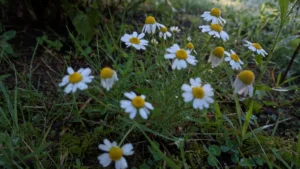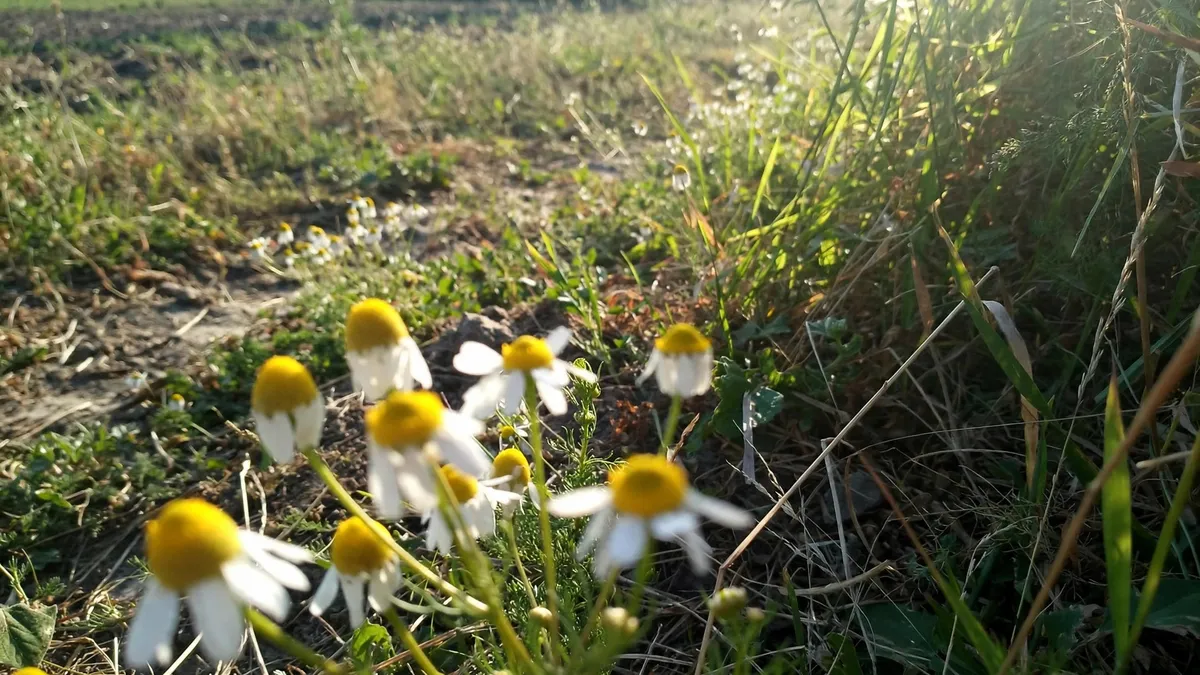

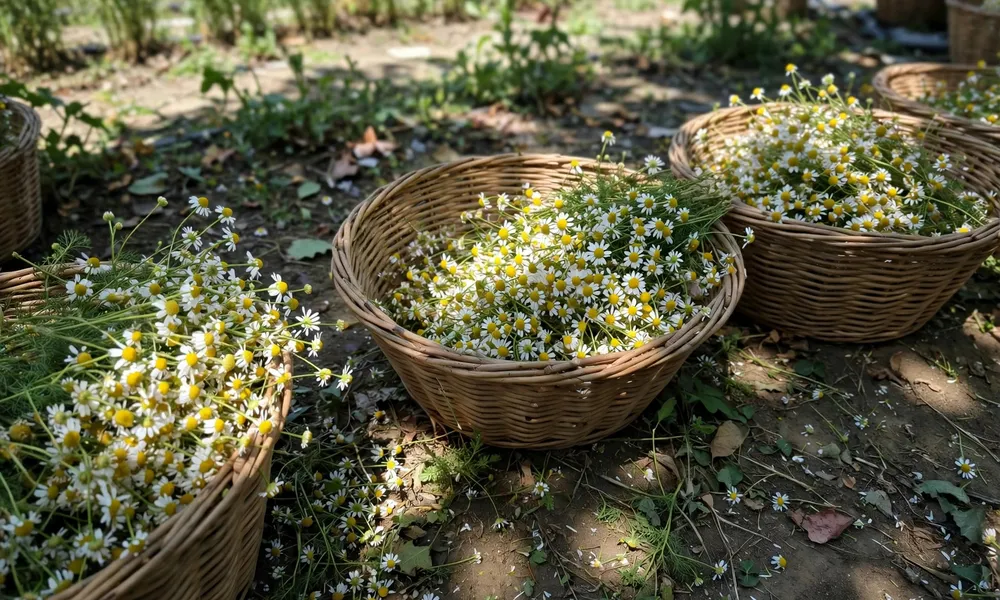
Chamomile is the quietest flower in the luxury travel world. It does not have the drama of a rose garden or the colour of a tulip field, and that is exactly why people travel for it. A chamomile farm at full bloom is a low, white-and-yellow carpet that smells faintly of apples, and the farms that grow it tend to be small, slow places where the work is done by hand and the day is set by the sun rather than a schedule.
A chamomile farm retreat is a stay built around that rhythm. You sleep near the fields, walk the rows in the morning, watch the harvest and the drying, and drink tea made from flowers picked a few steps from your door. Some of these farms are working herb growers with a handful of guest rooms. Others are country hotels with their own chamomile plots. All nine below are places where the flower is the point of the trip, not a decoration on it.
Below are nine chamomile farm retreats worth considering in 2027, from the great growing plains of Egypt and Hungary to small Roman chamomile farms on the English and Croatian coasts. Each one is described by what it is good at, what to watch for, and who it suits best.
Key takeaways
- Chamomile blooms for a short window, usually May to June, so the farm matters less than the week you choose.
- German chamomile is the tall, daisy-like flower grown for tea and oil, while Roman chamomile is the low, creeping plant used for lawns and gentle teas.
- The best retreats are working farms that dry their own flowers, not photo fields with a gift shop.
- Book a stay inside the growing land, not a hotel an hour away, if you want the morning harvest and the evening scent.
- No farm can guarantee a perfect bloom, and a wet spring or an early cut can thin the fields, so check the harvest dates before you book.
What a chamomile farm retreat actually is
A chamomile farm retreat is a stay on or beside a farm that grows chamomile for tea, oil, or dried flowers. The day usually starts early, because the flowers are picked in the cool of the morning when their oil content is highest. Guests walk the rows with the pickers, learn how the flower heads are separated from the stems, and see the drying racks or barns where the harvest is spread out to dry in the shade. In the evening the farm often serves its own tea, made from that season’s flowers, and the air around the rooms carries the faint apple scent of the drying crop.
That is a different holiday from a spa break with a chamomile-scented candle. The flower here is a crop, and the farm is a working place. The fields are dusty, the picking is done by hand or with a small comb, and the harvest depends on the weather. What you get in return is a place that is genuinely quiet, and a kind of rest that comes from a slow routine rather than a treatment menu.
Chamomile grows best in poor, sandy soil and open sun, which is why the great growing regions are plains and coasts rather than rich river valleys. Egypt grows more German chamomile than anywhere else, Hungary and Croatia have long traditions of both kinds, and smaller farms in England, France, Argentina and Kashmir grow it for local tea makers. Each farm below is chosen for a different reason: the scale of the bloom, the quality of the drying, or the landscape around the fields.
How we chose these farms and what to look for
Look first at whether the farm actually grows and dries its own chamomile. A working farm will talk about its harvest dates, its drying method, and the variety it grows. A photo field will talk about the view. The difference matters, because a farm that dries its own flowers has a reason to let you into the barns and the rows, while a field grown only for pictures has little for you to do after the first photograph.
Look next at where you sleep. A room inside the farm, or on its edge, means you wake to the fields and can join the morning harvest without a drive. A hotel an hour away means you see the farm for an afternoon and miss the part of the day when it is at its best. Our guide to luxury daisy farm retreats makes the same point about flower farms in general.
Finally, look at the season and the scale. Chamomile blooms for only a few weeks, and the fields are at their best for a shorter window still. A farm that is honest about its bloom dates is a farm that respects its guests. A farm that promises a full bloom all summer is selling a picture, not a harvest. Ask when the flowers are cut and what the farm does when the bloom is early or late.
The 9 best luxury chamomile farm retreats of 2027
Chamomile Fields of the Nile Delta, Egypt
What we like: The largest chamomile growing region in the world, with wide, flat fields of German chamomile that run to the horizon, and farms that have dried their harvest in the sun for generations.
What to consider: The bloom is short and the heat is real, so the morning is the only comfortable time in the fields, and the farm stays are simple rather than polished. Best For: Travellers who want scale and tradition. Style: Working herb farm. Price Range: Approximately $80 to $180 per night. Standout Feature: Endless white fields at dawn, with the scent of apples on the air.
Chamomile Farms of the Dalmatian Coast, Croatia
What we like: Small Roman chamomile farms on dry, stony ground above the sea, with a gentle, grassy scent and a slow, coastal rhythm that suits a longer stay.
What to consider: The farms are small and the rooms are few, so book early, and the fields are more modest than the great plains. Best For: Couples who want a quiet coast and a soft landscape. Style: Coastal herb farm. Price Range: Approximately $120 to $260 per night. Standout Feature: Roman chamomile lawns that smell of apples in the evening.
Chamomile Fields of the Great Plain, Hungary
What we like: Hungary’s Great Plain has one of the oldest chamomile traditions in Europe, with wild and farmed flowers growing side by side and a harvest culture that treats the plant with real respect.
What to consider: The plain is flat and the weather can turn quickly, so pack for wind and rain as well as sun. Best For: Travellers who want history and a working harvest. Style: Plain farm stay. Price Range: Approximately $70 to $160 per night. Standout Feature: Wild chamomile meadows beside the farmed rows.
Chamomile Farms of Slovakia
What we like: Small, careful farms in the Slovakian lowlands that grow German chamomile for herbalists, with a strong drying tradition and a calm, unhurried pace.
What to consider: The farms are little known outside the region, so information in English can be thin, and the guest rooms are basic. Best For: Independent travellers who like to find their own way. Style: Family herb farm. Price Range: Approximately $60 to $140 per night. Standout Feature: Shade-dried flowers that keep their colour and scent.
Chamomile Fields of Poland
What we like: Poland’s chamomile fields are wide and generous, with farms that welcome guests into the harvest and a tea culture that treats the flower as an everyday comfort rather than a luxury.
What to consider: The season is short and the bloom can be uneven after a cold spring, so confirm the dates before you travel. Best For: Families and first-time farm visitors. Style: Rural farm stay. Price Range: Approximately $65 to $150 per night. Standout Feature: Hands-on harvesting, with a comb and a basket, in the morning cool.
Chamomile Farms of the Cotswolds, England
What we like: Roman chamomile grown as low lawns and borders around stone farmhouses, with a soft, apple scent and a landscape of dry-stone walls and rolling green hills.
What to consider: The English weather is the main risk, and the fields are smaller than the continental plains, so the bloom feels intimate rather than vast. Best For: Travellers who want a gentle, pretty English farm. Style: Country farmhouse. Price Range: Approximately $150 to $320 per night. Standout Feature: Roman chamomile lawns you can walk on barefoot.
Chamomile Fields of Provence, France
What we like: Chamomile grown alongside lavender and herbs in the Provencal hills, with a dry, sunny climate and a farm culture that pairs the flower with good food and slow meals.
What to consider: Provence is popular and the best rooms go early, and the chamomile is often a smaller part of a mixed herb farm. Best For: Travellers who want herbs, food and sunshine together. Style: Provencal herb farm. Price Range: Approximately $140 to $300 per night. Standout Feature: Chamomile and lavender growing in the same dry hills.
Chamomile Farms of the Pampas, Argentina
What we like: Argentina is one of the world’s biggest chamomile growers, with vast fields on the Pampas and a harvest season in the southern spring that lets you see the bloom when Europe is cold.
What to consider: The season is reversed, so the bloom runs from October to December, and the farms are remote, with long drives from the nearest town. Best For: Travellers who want a southern hemisphere bloom. Style: Pampas estancia. Price Range: Approximately $90 to $220 per night. Standout Feature: A second chamomile season, when the northern fields are bare.
Chamomile Fields of Kashmir, India
What we like: Chamomile grown in the Kashmir valley, where the cool mountain air and clean water give the flowers a bright, clear scent, and the farms sit in one of the most beautiful landscapes on this list.
What to consider: The season is short and the valley is remote, so travel takes planning, and the guest rooms are simple. Best For: Adventurous travellers who want mountains with their flowers. Style: Mountain valley farm. Price Range: Approximately $50 to $130 per night. Standout Feature: White chamomile fields against a backdrop of snow-covered peaks.
Which chamomile farm is right for your trip
If you want scale, go to Egypt or Argentina. The fields there are vast, the harvest is serious, and the bloom is the kind of thing you remember for years. If you want a gentle, pretty farm with a comfortable room, go to the Cotswolds or Provence, where the chamomile is part of a softer landscape.
If you want history and a working harvest, Hungary and Slovakia are the best choices. The drying barns, the hand picking, and the herbalist tradition are all on show. If you want a quiet coast and a slow pace, Croatia is the pick. Our guide to luxury marigold farm retreats covers another flower that thrives in hot, dry places, and the same advice holds here: choose a farm that grows the flower, not one that only photographs it.
Whatever you choose, match the farm to the season. The northern hemisphere blooms from May to June, the southern hemisphere from October to December, and a farm visited outside its bloom is still a pleasant place to stay, but it is not a chamomile farm retreat. The dates decide whether you see the flower.
The caveats that matter
Chamomile is a gentle flower, but a farm retreat is still a working place. The bloom is short and weather-dependent, the fields are dusty and full of bees, and the farms are often remote, with limited phone signal and simple rooms. None of that is a reason to stay away, but it is a reason to pack well and to ask the farm honest questions before you travel.
| Detail | What is known |
|---|---|
| Best bloom, northern hemisphere | May to June, with the peak usually lasting two to three weeks |
| Best bloom, southern hemisphere | October to December, on the Pampas and in similar climates |
| German vs Roman chamomile | German is tall and grown for tea and oil; Roman is low and used for lawns and gentle teas |
| Who should check first | Anyone with a ragweed or daisy-family allergy, because chamomile is a close relative |
| What to pack | Closed shoes, long sleeves for the rows, sun protection, and a hat for the midday heat |
| Bees in the fields | Bees work the flowers all day, so move calmly and avoid bright perfume in the rows |
| Booking lead time | Book two to three months ahead for the peak bloom, as farm rooms are few |
| What a farm cannot promise | A perfect bloom, because rain, wind, or an early cut can thin the fields |
If you have a daisy-family allergy, check with your clinician before spending a day in the fields, because chamomile is a close relative of ragweed and daisies, and a full day among the flowers is a strong exposure. A guide to luxury lavender farm retreats covers a similar question for another fragrant crop, and the advice is the same: a short visit to the rows is a good test before a full day in the fields.
Checklist: choosing a chamomile farm retreat honestly
Use these checks before you book, and again when the farm confirms your dates.
- Check the bloom dates: ask when the flowers are expected to peak and when they are cut.
- Check the variety: confirm whether the farm grows German or Roman chamomile, and why.
- Check the drying: ask if the farm dries its own flowers and whether you can see the barns.
- Check where you sleep: choose a room inside the farm, not an hour away by car.
- Check the allergy question: if you react to daisies or ragweed, ask the farm about exposure in the rows.
- Check the cancellation terms: a farm that is honest about weather will have a fair policy for a poor bloom.
Frequently asked questions
When is the best time to visit a chamomile farm?
May to June in the northern hemisphere, when the flowers are at full bloom, and October to December in the southern hemisphere. The peak usually lasts two to three weeks, so ask the farm for its expected dates before you book.
What is the difference between German and Roman chamomile?
German chamomile is the tall, daisy-like flower grown for tea and oil, while Roman chamomile is a low, creeping plant used for lawns and gentle teas. Most of the big tea-growing farms grow German chamomile, while the smaller coastal and English farms often grow Roman.
Can I pick chamomile in the fields?
Usually yes, for a small amount, and most farms are happy to show you how. Pick only where the farmer says it is allowed, take the flower heads rather than pulling up the plant, and do not pick in a field that is being harvested for sale that day.
Is chamomile safe if I have allergies?
Chamomile is a close relative of ragweed and daisies, so people with those allergies can react to it. Spend a short time in the rows first, and check with your clinician before a full day in the fields if you have a known daisy-family allergy.
How long should I stay at a chamomile farm?
Two to three nights is enough for most farms. One night is too short to catch the morning harvest, and a week is more than most farms need, unless you want a longer, slower stay in the countryside.
How far ahead should I book a chamomile farm stay?
Yes, for the peak bloom. Farm rooms are few, often fewer than ten, and the best weeks sell out two to three months ahead. Outside the bloom, most farms have rooms available with much less notice.
The bottom line
The best chamomile farm retreat in 2027 is not the grandest or the most expensive. It is the farm that grows its own flowers, dries them properly, and lets you into the work, with a room close enough to the rows that you wake to the scent. Egypt and Argentina offer scale, Hungary and Slovakia offer tradition, and the Cotswolds and Provence offer comfort.
Pick your dates first, then your farm, and ask the honest questions before you book. If the bloom is good and the farm is real, you will leave with a small tin of tea, a few photographs, and a memory of a quiet white field that smells faintly of apples in the morning light.