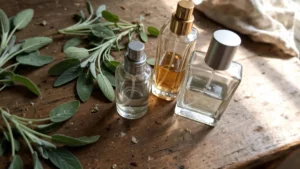
Sage is the quiet workhorse of perfumery. It rarely gets its name on the bottle, it almost never leads the advertising, and yet it shows up in some of the most respected fragrances ever made, from classic barbershop fougères to modern woody colognes. It smells green and clean at first, then warms into something earthy, slightly camphor-like and almost musky, which is why perfumers reach for it when a scent needs structure without sweetness.
The problem is that sage is easy to miss and easy to misunderstand. Some bottles list it plainly and smell mostly of lavender or vetiver, with sage playing a supporting role. A shopper who buys on the name alone can end up with a scent that smells nothing like the herb in their kitchen.
Below are nine sage perfumes worth considering in 2027, from a crisp Italian cologne where sage lifts lavender and musk to vintage-leaning fougères where sage is the backbone of the whole composition. All nine list sage or clary sage in their published notes, Each one is described by what it does well, what to watch for, and who it suits best.
Key takeaways
- Sage in perfume smells green, earthy and slightly camphor-like, and it can lean clean and herbal or warm and musky depending on what sits beside it.
- Clary sage and garden sage are different materials: clary sage is warm, sweet and musky, while garden sage is sharper, greener and more camphor-like.
- The best sage perfumes use the note as a bridge, holding lavender, cedar, vetiver and musk together rather than shouting about the herb itself.
- Sage blends are usually easy to wear in warm weather, but the richest fougères are better saved for cooler days and evenings.
- No sage perfume smells like a fresh herb garden on its own, and a dusty, dry finish is a sign the blend leans too heavily on sage, not a sign of quality.
What sage actually does in a perfume
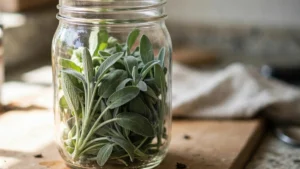
Sage is a green, herbal note with a cool, slightly medicinal edge. In a perfume it usually works as a middle note, which means it appears after the bright citrus or lavender opening has settled, and it stays through the dry-down, giving the scent a dry, herbal spine. It does not sweeten a fragrance the way vanilla or tonka bean does, and it does not add the sparkle of bergamot or grapefruit.
There are two sages that matter in perfumery, and they behave differently. Garden sage, the herb from the kitchen, is sharp, green and camphor-like, close in character to rosemary and eucalyptus. Clary sage is softer, warmer and almost musky, with a sweet, hay-like quality that perfumers love because it blends so easily with lavender, geranium and woods. Most of the classic men’s colognes that list sage are using clary sage, and the difference matters: a garden sage opening can smell bracing and medicinal, while a clary sage heart smells smooth, warm and quietly animalic.
What sage does best is connect things. Lavender and cedar can feel like two separate ideas in a bottle, one floral and one woody, but a thread of clary sage between them makes the whole composition feel like one scent rather than two. The same is true of vetiver and musk, or of citrus and leather.
How we chose these perfumes and what to look for
Look first at which sage is listed. A perfume that names clary sage will usually smell warmer, smoother and more wearable than one built on garden sage, which can be sharp and medicinal if it is used heavily. If a bottle lists both sage and lavender, expect a classic barbershop character. If it lists sage beside vetiver or cedar, expect something drier, greener and more modern.

Look next at the concentration and the season. Most sage perfumes are eaux de toilette, which means they are lighter and brighter than an eau de parfum, and usually at their best in spring and summer. The rich fougères are better saved for autumn evenings. The best thyme perfumes follow the same seasonal rule.
Finally, look at how much sage the perfume actually contains. A scent where sage is the star will smell unmistakably herbal from the first spray to the last. A scent where sage is a supporting note will smell of lavender or vetiver first, and the sage will only show itself as a dry, green undertone in the dry-down. The best rosemary perfumes and the best basil perfumes show the same two roles for other green herbs.
The 9 best sage perfumes of 2027
Prada Luna Rossa
What we like: A crisp, modern cologne where sage lifts lavender and bitter orange into a clean, almost soapy freshness, with ambrette and musk keeping it smooth rather than sharp.
What to consider: Light and understated rather than bold, so it will not project far, and the sage is part of a blend rather than the star. Best For: Daytime, office wear, and anyone who wants a clean, modern sage scent. Material: Eau de Toilette. Price Range: Around $95 for 100 ml, prices approximate. Standout Feature: The sage and lavender opening is one of the cleanest in any modern cologne.
Chanel Égoïste Platinum
What we like: A polished, green classic where clary sage and galbanum give lavender and rosemary a resinous lift, with a vetiver and cedar base that keeps it dry and elegant.
What to consider: Formal and restrained rather than playful, and the sage is a supporting player, so sage lovers may find it subtle. Best For: Work, weddings and anyone who wants a polished green scent. Material: Eau de Toilette. Price Range: Around $110 for 100 ml, prices approximate. Standout Feature: The clary sage and galbanum pairing is one of the greenest in any Chanel men’s scent.
Calvin Klein Eternity for Men
What we like: A widely available classic where sage sits beside lavender and juniper, giving a familiar fresh scent a dry, herbal backbone that keeps it from smelling sweet or soapy.
What to consider: Very familiar, so it will not surprise anyone, and the sage is quiet rather than front and centre. Best For: Everyday wear, first-time sage wearers, and anyone who wants a safe, affordable classic. Material: Eau de Toilette. Price Range: Around $55 for 100 ml, prices approximate. Standout Feature: The best value on this list, and the easiest sage perfume to find.
Aramis Tuscany Per Uomo
What we like: A warm, Italian-leaning blend where clary sage meets lemon, bergamot and cedar, giving a sunny, aromatic character that feels like a walk through a Tuscan herb garden.
What to consider: Old-fashioned in the best sense, which means it can feel formal to a modern nose, and the dry-down leans woody rather than herbal. Best For: Warm weather, daytime wear, and lovers of classic aromatic scents. Material: Eau de Toilette. Price Range: Around $70 for 100 ml, prices approximate. Standout Feature: The clary sage here is warm and hay-like, not sharp or medicinal.
Hugo Man
What we like: A fresh, green aromatic where sage meets green apple, mint and lavender, with a pine and cedar base that makes the herbal opening feel bright and outdoorsy.
What to consider: Young and casual rather than formal, and the sage is one voice in a busy green opening rather than a solo. Best For: Everyday wear, warm weather, and anyone who wants a fresh, affordable sage scent. Material: Eau de Toilette. Price Range: Around $45 for 100 ml, prices approximate. Standout Feature: The sage and green apple opening is one of the freshest in any aromatic cologne.
Penhaligon’s Endymion
What we like: A romantic, slightly bohemian blend where sage meets lavender, geranium and coffee, with a leather and sandalwood base that makes the herbal opening feel warm and lived-in.
What to consider: The coffee and leather make it heavier than most sage scents, so it suits cooler days better than hot ones, and the sage fades into the background as it dries down. Best For: Evenings, autumn, and anyone who wants sage with depth rather than freshness. Material: Eau de Parfum. Price Range: Around $250 for 100 ml, prices approximate. Standout Feature: The sage and coffee combination is unusual, and it works, giving the scent a warm, spiced character.
Dior Dune Pour Homme
What we like: A dry, elegant scent where sage sits beside fig leaf and basil, with a cedar and sandalwood base, giving a green, woody character that feels both modern and understated.
What to consider: Quiet and close to the skin, so it will not project far, and the fig leaf can make it smell more green than herbal at first. Best For: Office wear, warm days, and anyone who prefers subtlety over statement. Material: Eau de Toilette. Price Range: Around $90 for 100 ml, prices approximate. Standout Feature: The sage, fig leaf and basil trio is one of the greenest openings in any men’s perfume.
Hermès Bel Ami
What we like: A leathery, quietly luxurious blend where clary sage softens citrus and cardamom at the top, then settles over patchouli, cedar and leather into something warm and gentlemanly.
What to consider: The leather base dominates the dry-down, so the sage is mostly an opening note, and the scent can feel formal for casual days. Best For: Evenings, special occasions, and lovers of classic leather scents. Material: Eau de Toilette. Price Range: Around $180 for 100 ml, prices approximate. Standout Feature: The clary sage gives the leather a herbal freshness that keeps it from smelling heavy or dated.
Davidoff Zino
What we like: A warm, aromatic classic where clary sage meets lavender, rose and patchouli, with a vanilla and sandalwood base that makes the herbal opening feel rich rather than sharp.
What to consider: The vanilla base makes it sweeter than most sage scents, and the overall character is vintage, which will not suit every taste. Best For: Cooler evenings, vintage lovers, and anyone who wants sage with warmth rather than bite. Material: Eau de Toilette. Price Range: Around $40 for 125 ml, prices approximate. Standout Feature: The best-value warm sage scent on this list, and a genuine classic.
Which sage perfume is right for you
If you want to smell sage clearly, start with Prada Luna Rossa. It is the cleanest, most modern bottle here, and the sage in its lavender opening is easy to pick out, without vetiver or leather getting in the way. If you like it, you will probably enjoy the greener, fresher end of this list, including Dune Pour Homme and Eternity for Men.
If you want sage as part of a classic, well-made composition, look at the aromatics: Tuscany Per Uomo, Zino and Hugo Man. These are the scents where sage does its bridging work, holding lavender, geranium and woods together, and they are the best way to understand why the note has survived for more than a century.
If you want something richer, try Endymion or Bel Ami. Both use sage to lighten a dark base, one built on coffee and leather, the other on patchouli and leather, and both show that sage is not only a fresh, green note. It can sit just as comfortably in an evening scent, where its herbal edge keeps the warmth from becoming too heavy. Try them in the evening first, when their depth has room to breathe.
The caveats that matter
Sage is a safe, well-used note, but it is not for everyone, and it is not for every day. The sharpest sage scents, especially those built on garden sage rather than clary sage, can smell medicinal, almost like a cough remedy, if they are sprayed heavily or worn in the heat. The richest sage fougères can feel dusty and dry on very dry skin.
| Detail | What is known |
|---|---|
| What sage smells like | Green, earthy and slightly camphor-like; clary sage is warmer and muskier than garden sage |
| Where it sits in a scent | Usually a middle note, bridging the opening and the base for several hours |
| Best season | Spring and summer for fresh sage scents; autumn and evening for rich fougères |
| How much to spray | Two to three sprays is enough; heavy spraying makes sage smell medicinal |
| Who should test first | Anyone sensitive to herbal or camphor notes, and anyone who dislikes dry, dusty finishes |
| What it pairs well with | Lavender, vetiver, cedar, geranium, citrus and leather |
| What it does not pair with | Very sweet gourmand notes, which can clash with its dry, herbal character |
| What it does not do | It does not smell like a fresh herb garden on its own, and it does not make a weak perfume last longer |
If you are pregnant, breastfeeding, or using prescription skincare, the usual advice applies: sage in a perfume is used in tiny amounts and is generally considered safe, but if you are sensitive to herbal or essential-oil notes, test on skin first and check with your clinician if you are unsure. A one-day patch test on the inner wrist tells you more than any review.
Checklist: choosing a sage perfume honestly
Use these checks before you buy, and again after a full day of wear.
- Check which sage is listed: clary sage is warm and smooth, garden sage is sharper and more camphor-like.
- Check the company it keeps: sage beside lavender or vetiver will smell classic and dry; sage beside amber or vanilla will smell warm.
- Test on skin, not paper: sage changes as it warms, and a paper strip will not show you the dry-down.
- Wear it for a full day before deciding: the herbal opening fades, and the dry, woody base is what you will live with.
- Spray lightly at first: two sprays is enough to judge a sage scent, and more can turn it medicinal.
- Match it to the season: fresh sage scents for spring and summer, rich fougères for autumn and evenings.
Frequently asked questions
Which sage perfume lasts the longest?
Endymion lasts longest, because it is an eau de parfum with a woody, leathery base that holds the scent on skin for six to eight hours. Égoïste Platinum and Bel Ami follow at around six hours. The lighter eaux de toilette, like Luna Rossa and Dune Pour Homme, last four to five hours and benefit from a midday top-up.
Is Luna Rossa a good first sage perfume?
Yes. It is clean, modern and easy to wear, and the sage in its lavender opening is simple to pick out. It works for the office, for daytime, and for anyone who wants a fresh green scent without committing to a heavy fougère.
What is the best sage perfume for work?
Égoïste Platinum or Dune Pour Homme. Both are clean, understated and close to the skin, so they will not fill an office. Avoid the richer fougères at work; their leather and vanilla bases can feel too heavy in a small room.
Does clary sage smell different from garden sage?
Yes, clearly. Clary sage is warm, sweet and slightly musky, with a hay-like softness. Garden sage is sharper, greener and more camphor-like, closer to rosemary. Most perfumes use clary sage, which is why sage perfumes usually smell smooth rather than medicinal.
Are sage perfumes good for summer?
The fresh ones are. Luna Rossa, Eternity for Men and Dune Pour Homme are all good summer choices, because their green, herbal character feels cooling. The rich fougères, like Endymion and Zino, are better saved for cooler weather.
Which sage perfume is the best value?
Calvin Klein Eternity for Men and Davidoff Zino are the best value on this list, both widely available for well under $75. Eternity is fresher, Zino is warmer and more vintage, and either is a good way to try sage cheaply.
The bottom line
The best sage perfume in 2027 is not the one with the most sage in it. It is the one where sage does the job you need: fresh and clear in Luna Rossa, crisp and tailored in Égoïste Platinum, warm and classic in Tuscany Per Uomo, or deep and leathery in Bel Ami. Each of these nine bottles uses the note differently, and that is the point. Sage is a bridge, not a destination, and the best way to appreciate it is to wear it in a composition where it holds everything together.
Start with the fresh end of the list if you are new to the note, move to the fougères once you know what sage smells like on your skin, and save the richest bottles for evenings. Spray lightly, test on skin, and give the dry-down a full day before you decide.