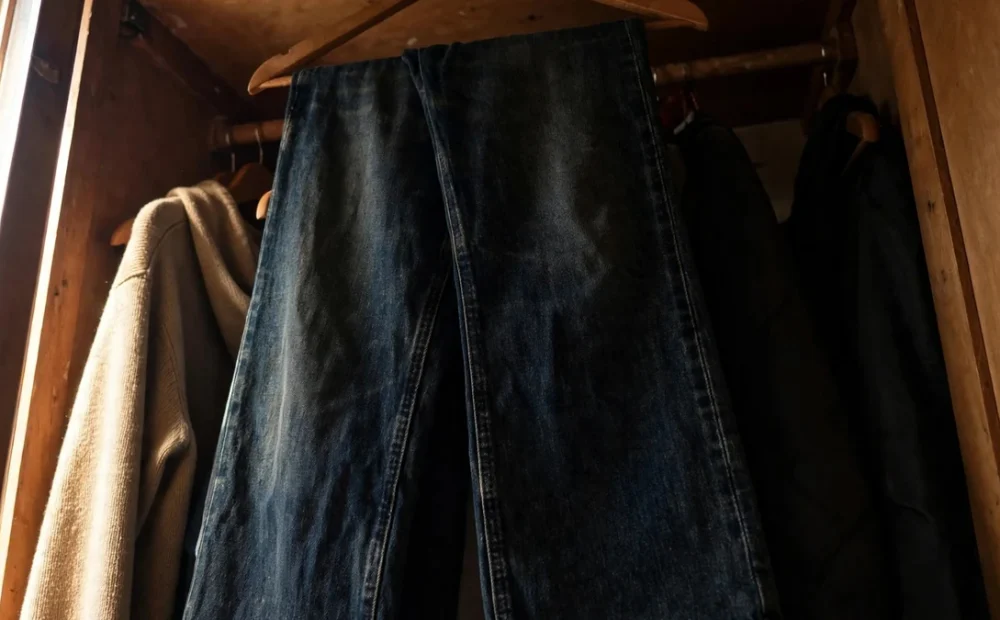

Relaxed-fit jeans are easy to buy and surprisingly easy to get wrong. The leg is loose, the waist is comfortable, and the whole pair feels like a day off. The trouble starts when the outfit around them is just as loose. A relaxed leg with an oversized shirt and flat shoes can look like you got dressed in the dark, even when every piece is good on its own.
The fix is not to tighten the jeans. It is to give the outfit one clear shape. A relaxed leg works best when something else in the outfit is neat: a tucked shirt, a fitted knit, a belt that marks the waist, or a shoe with a little weight. One small change, a tuck or a belt, can change the whole outfit without changing the jeans at all. The jeans provide the ease. Everything else provides the structure.
Below are nine steps for styling relaxed-fit jeans in 2027, from checking the waist before you leave the house to dressing the same pair up for the evening. Each step is practical, specific to the relaxed cut, and built around the idea that a loose leg needs one tidy detail to look intentional.
Key takeaways
- A relaxed leg needs one neat element in the outfit: a tucked top, a fitted knit, or a slim belt.
- Buy the waist first, and let the leg fall straight from the hip without forcing a taper or a roll.
- Keep the hem long enough to cover the top of your shoe, and let the shoe carry some weight.
- One relaxed piece is enough: pairing relaxed jeans with an oversized top makes the outfit look unfinished.
- A relaxed leg that feels right standing up can still bunch at the seat or pool at the hem when you sit or walk.
What relaxed fit actually means for your outfit
A relaxed fit changes the balance of the whole outfit. In a slim jean, the leg is the neat part and the top can be loose. In a relaxed jean, the leg is the loose part, so the top has to do the neat work. That is the single most important thing to understand about styling them. If you keep that balance in mind, almost any relaxed pair will look good. If you forget it, even a well-cut pair can look sloppy.
The relaxed leg also changes how proportions read. A straight, roomy leg makes the waist look smaller by comparison, but only if the waist is visible. A top that hangs past the hip hides the waistband and removes the one anchor the outfit has. That is why a tuck, a half-tuck, or a cropped length matters so much with this cut. You do not need to tuck everything in. You need to show where the jeans start.
Finally, a relaxed fit is a daytime cut first. It suits weekends, errands, lunches, travel and casual offices, and it can be dressed up with a jacket and a heel. It is not a formal cut, and it will not look formal no matter what you pair it with. Knowing that saves you from forcing it into an outfit it was never meant for.
How to approach a relaxed fit
Start with the waist, not the leg. The waistband should sit flat against your body without a belt, and it should stay there when you walk and sit. If the waist slides down, the leg will pull and bunch, and no amount of styling will fix it. A contoured waistband or a hidden elastic insert helps if you are between sizes, but the honest test is simple: button the jeans, walk across the room, and sit down. If the waist has moved by the time you stand up again, the pair is not right.

Next, look at the leg in a full-length mirror, standing and walking. The seam should run straight down from the hip to the hem, and the fabric should fall without bowing out at the thigh or clinging at the knee. If the leg bows, the thigh is too tight for the cut. If it clings at the knee, the fabric is too thin or too stretchy. Either way, the pair will not look relaxed by the end of the day, whatever the label says.
Then build the outfit around one neat detail. It can be a tucked shirt, a fitted knit, a slim belt, or a structured jacket. Pick one, and keep the rest simple. Our guide to styling low-rise jeans makes the same point from the other direction: when the waist is the feature, the top has to respect it, and the same logic applies when the leg is the loose part of the outfit.
9 steps to style relaxed-fit jeans for women
Start by checking the waist — the relaxed leg should drape, not grip
What to do: Button the jeans and check that the waistband sits flat, with room for one finger between the band and your waist. Walk and sit before you decide.
The waist is the anchor for the whole outfit. A relaxed leg with a slipping waistband looks untidy no matter what you wear on top, while a waist that stays put makes the loose leg look deliberate and the rest of the outfit fall into place.
Let the leg fall straight from the hip — never force a taper
What to do: Let the leg hang as it was cut, with the seam running straight down from hip to hem, and check the line in a full-length mirror.
A relaxed leg is meant to fall straight. The moment you try to narrow it, you lose the ease that makes the cut work, and the fabric starts to pull in places it was never meant to, which shows up most clearly when you walk.
Keep the hem long enough to cover the top of the shoe
What to do: Choose a length where the hem just meets the top of your shoe, with a small break in the fabric, and try the pair with the shoes you will actually wear.
Hem length is where a relaxed jean succeeds or fails. A hem that sits right makes the leg look long and calm, while a hem that pools makes the whole outfit look a size too big and frays the edge within weeks.
Pair the easy leg with a neater top — a shirt, not a tent
What to do: Choose a shirt, a fine knit or a fitted tee, and tuck the front in or wear a cropped length so the waistband shows.
One relaxed piece is enough. The top should be the tidy part of the outfit, so the jeans read as a choice rather than as comfort dressing that got out of hand, and a half-tuck is often all it takes to get the balance right.
Anchor the waist with a slim belt so the easy leg stays put
What to do: Add a slim leather belt in a neutral colour, worn through the loops, to mark the waist and keep the waistband from shifting.
A slim belt does two jobs at once. It keeps the waistband where it belongs, and it gives the eye a clear line at the waist, which is what makes a loose leg look intentional instead of accidental.
Wear a chunky shoe so the leg does not look lost
What to do: Pair the relaxed leg with a loafer, a chunky trainer or a low block heel that has enough weight to balance the width of the leg.
Shoes carry more weight in a relaxed outfit than in a slim one. The leg ends at the shoe, so a shoe with presence gives the whole line a place to finish, and a thicker sole also keeps the hem off wet pavements.
Take relaxed-fit jeans to a long lunch with a linen shirt and loafers
What to do: Wear a dark-rinse relaxed pair with a tucked linen shirt, loafers and a simple crossbody bag for a relaxed but finished daytime look.
This is the outfit relaxed jeans were made for. Comfortable enough to sit through a long lunch, neat enough to look like you dressed for it, and easy to walk home in afterwards without changing a thing.
Dress them up with a tailored jacket and a heel for evening
What to do: Add a tailored blazer, a silk camisole and a low heel to a dark-rinse relaxed pair, and keep the bag small and structured.
A tailored jacket is the fastest way to dress a relaxed leg up. The structure of the jacket balances the ease of the jeans, and the heel lengthens the leg line just enough for the evening without turning the outfit into something formal.
Skip the tumble dryer — heat tightens a relaxed leg back into a slim one
What to do: Wash the jeans cold and inside out, then hang them to dry, so the cut and the colour stay as they were when you bought them.
Care is part of styling, because a relaxed jean that has shrunk is no longer a relaxed jean. Cold water and air drying keep the leg you paid for, and they keep the colour rich enough for smarter outfits to still work.
What to pair with relaxed-fit jeans
The safest partners for a relaxed leg are neat, simple tops. A white shirt, a fine-gauge knit, a fitted tee or a silk camisole all work, because they give the outfit a clean top half. Tuck the front in, or wear a cropped length, so the waistband shows. A blazer or a tailored jacket adds structure for smarter days, while a denim jacket in a different wash adds a casual layer without doubling the looseness.
For shoes, loafers and low heels are the most reliable, because they sit neatly under a straight hem. Clean trainers work for daytime, as long as the hem is not pooling over them. A chunky boot works in colder months, provided the hem covers the top of the boot rather than bunching above it. Our guide to styling high-waisted jeans is a useful comparison for shoes, because the same hem-and-shoe logic applies, and the rise does the extra work of lengthening the leg.
For bags, keep it simple. A small crossbody, a structured tote or a neat shoulder bag suits the relaxed leg. A very large, slouchy bag adds a second loose shape and can make the whole outfit look heavy. Jewellery and accessories should stay quiet too: a slim belt, a simple watch, and one or two pieces of jewellery are enough. The jeans are the statement of ease. Everything else should stay out of their way.
The caveats that matter
The biggest risk with relaxed-fit jeans is buying the wrong size. A pair that is too big slides at the waist and bags at the seat, while a pair that is too small pulls at the thigh and loses the relaxed line. The waist should sit flat, the thigh should have room, and the leg should fall straight. If any of those three things is wrong, the pair will not look relaxed, whatever the label says.
| Detail | What is known |
|---|---|
| The core rule | One relaxed piece is enough; balance the loose leg with one neat detail |
| Best top | A tucked shirt, a fine knit or a fitted tee that shows the waistband |
| Best belt | A slim leather belt that marks the waist without cutting the torso |
| Best shoes | Loafers, low heels or clean trainers with enough weight to balance the leg |
| Hem length | Just meeting the top of the shoe, not pooling on the floor |
| Common mistake | Sizing up for extra room, which makes the waist slide and the seat bag |
| Care | Wash cold, inside out, and line-dry to keep the relaxed cut |
| What it does not do | It does not look formal, and it will not suit an oversized top |
Season matters too. A relaxed leg in a light wash suits spring and summer, especially with a linen shirt and loafers. A dark rinse works all year and is the easiest choice for smarter days. In winter, a heavier denim holds its shape better in the cold, and a chunky boot balances the leg. A boyfriend jeans styling guide covers the colder-weather layering in more detail, and the same rules about one loose piece and one neat piece apply there too.
Checklist: styling relaxed-fit jeans honestly
Use these checks before you leave the house, and again after a full day of wear.
- Check the waist: it should sit flat without a belt and stay put when you walk and sit.
- Check the leg line: the seam should run straight from hip to hem, not bow at the thigh.
- Show the waistband: tuck the top in, half-tuck it, or wear a cropped length.
- Check the hem: it should meet the top of your shoe, not pool on the floor.
- Balance the outfit: one relaxed piece is enough, so keep the top and the shoes neat.
- Check the shoes: a chunky loafer, low heel or clean trainer balances the leg best.
Frequently asked questions
Do relaxed-fit jeans work with trainers?
Yes, as long as the hem is the right length. Clean, low-profile trainers work well with a relaxed leg for daytime, because they keep the outfit casual without making it look untidy. Avoid bulky running shoes, and make sure the hem meets the top of the trainer rather than pooling over it.
What top should I wear with relaxed-fit jeans?
A shirt, a fine knit, a fitted tee or a silk camisole, tucked in or cropped so the waistband shows. A fine knit in a solid colour is the easiest choice of all, because it adds warmth without adding volume. Avoid oversized shirts and long, boxy tunics, which double the looseness and hide the waist. A blazer or a tailored jacket works for smarter days.
Can I wear relaxed-fit jeans in winter?
Yes, in a heavier denim and a dark rinse. Pair them with a chunky boot, a warm knit and a tailored coat, and make sure the hem covers the top of the boot. A lighter wash and a linen shirt are better saved for spring and summer.
Are relaxed-fit jeans flattering on curvy figures?
Often yes, because the room through the thigh is comfortable and the straight leg does not cling. Look for a contoured waistband so the waist does not gape, and choose a mid-rise or high-rise waist with a tucked top to mark the waist clearly.
How long should relaxed-fit jeans be?
Long enough for the hem to just meet the top of your shoe, with a small break in the fabric. A cropped or ankle length works too, especially with trainers and flats. Avoid a hem that pools on the floor, which shortens the leg and frays the edge.
Can short women wear relaxed-fit jeans?
Yes, with the right length and rise. Choose a cropped or ankle length, a mid-rise waist, and a leg that is relaxed at the thigh but not wide at the hem. A cropped length shows the ankle and keeps the leg from looking heavy. A tucked top, a slim belt and a small heel help keep the proportions clear.
The bottom line
Styling relaxed-fit jeans comes down to one rule: let the jeans be the loose part, and keep one thing neat. A tucked shirt, a slim belt, a tailored jacket or a chunky shoe is enough. Buy your true waist size, keep the hem at the right length, and wash them cold so the cut lasts.
Done that way, a relaxed jean is the easiest pair in your wardrobe and one of the most versatile. It works for a long lunch, a casual office, a weekend away and an evening out, as long as the outfit around it has one clear shape. That is what makes the difference between relaxed and sloppy, and it is a difference you can see from across the room.