A lotus farm escape is a holiday planned around a flower that opens at dawn and closes by midday. That single fact shapes everything: when you wake, when you eat, when you travel, and when you rest.
Planning one is simpler than it looks, once you know the order of the decisions. The flowering season comes first, then the region, then the farm, then the room.
This guide walks through the planning in order, from choosing your week to packing your bag, so you can arrive at dawn, step into the boat, and see the lotus at its best, without the common mistakes that cost other travellers the whole trip.
Key takeaways
- Plan around the flowering season first: the dates move with the weather, and the right week matters more than the right room.
- Lotus flowers open at dawn and close by midday, so the whole day is built around an early start.
- Choose a farm that harvests by hand and lets guests take part, rather than a resort that only looks onto a pond.
- Book the boat and the harvest the night before, because the best mornings are taken first.
- No plan can guarantee flowers on a given day, so allow a spare morning and be ready to move your dates.
What a lotus farm escape actually involves
A lotus farm escape is a stay of two to four nights beside working lotus ponds, with the day built around the flower. The morning starts before sunrise, with a boat ride through the open flowers and a chance to join the harvest. The evening is quiet, with a walk along the bunds and dinner cooked from the farm.
The escape is not a tour, and it is not a spa break. There is no fixed itinerary, and the farm does not run to a timetable. The farmer decides when the harvest starts, the weather decides whether the flowers open well, and the pond decides the pace.
Most escapes are short, because the flowering season is short and the experience is intense. Two nights is enough to see the flowers properly, three is comfortable, and four is generous.
How to plan a lotus farm escape, step by step
Start with the season, not the destination. Every region in this list flowers at a different time, and the dates shift by a week or two each year with the rain and the temperature. Contact the farm directly, ask for its flowering window, and ask when the peak is expected.
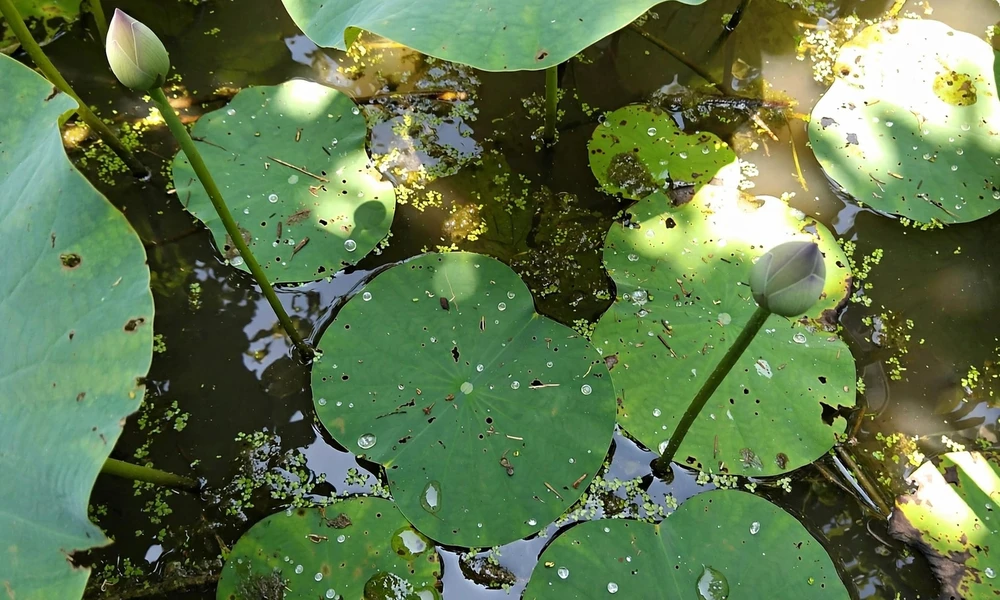
Next, choose the farm, not just the region. A region can have a dozen lotus ponds, and only two or three of them will welcome guests, harvest by hand, and serve food from the farm. Ask whether guests can join the harvest, whether the farm grows sacred lotus, and what is made from the plant on site. Our guide to planning a ramie farm escape gives the same advice for fibre farms, because a working farm is judged by its work, not by its photographs.
Then book the room, the boat and the harvest together. The best rooms face the ponds, the best boats leave at dawn, and both are taken first. Tell the farm you want the morning boat and the harvest, and ask what time to be ready.
The 9 steps that make a lotus farm escape work
Learn how a lotus flower opens and closes before you choose a farm
What to do: Read up on the lotus day: buds open at dawn, flowers are at their widest by mid-morning, and they close by midday. What to avoid: Planning your days around afternoon sightseeing and expecting the flowers to wait. Best For: Every traveller, before booking anything. Time Needed: An evening of reading. Standout Tip: The flower’s timetable is the trip’s timetable, so learn it first.
This one fact explains the whole escape. The lotus does not keep resort hours, and no amount of money will make a closed flower open again.
Time your visit to the flowering peak, not to the school holidays
What to do: Ask the farm for its expected peak week, and book your flights around it. What to avoid: Booking for a convenient date and hoping the flowers will be there. Best For: Travellers who can move their dates by a week or two. Time Needed: A few emails with the farm. Standout Tip: The peak week is worth more than a cheaper flight.
The flowering peak is short, often two or three weeks, and it moves with the weather. A trip booked for the school holidays may land a fortnight early, when the ponds are all leaves, or a fortnight late, when the flowers are gone.
Choose a farm that harvests by hand at dawn
What to do: Ask whether the harvest is by hand, whether guests can join, and what time it starts. What to avoid: A farm that only lets you photograph the ponds from a viewing platform. Best For: Travellers who want the real work, not just the view. Time Needed: One phone call or email. Standout Tip: A hand harvest at dawn is the difference between a farm stay and a photo stop.
Hand harvesting is the heart of a lotus farm. The farmers wade into the shallow water at dawn, cut the flowers, and gather the seeds and roots by feel.
Take a boat through the flowers at first light
What to do: Book the dawn boat the night before, and be at the jetty before sunrise. What to avoid: Arriving at ten in the morning, when the flowers are already closing. Best For: Photographers, early risers, and anyone who wants the flowers at their best. Time Needed: One to two hours on the water. Standout Tip: The first boat of the day gets the calmest water and the best light.
The dawn boat is the single best lotus experience there is. The water is still, the light is soft, and the flowers are open all around you.
Eat the whole plant in one day: root, seed, leaf and tea
What to do: Ask the farm what is on the menu, and try the lotus root, the lotus seeds, the lotus leaf wraps, and the lotus tea in a single day. What to avoid: Eating at a restaurant in town and missing the farm food entirely. Best For: Food lovers and curious eaters. Time Needed: A full day of meals. Standout Tip: The lotus seed soup at breakfast is the dish to judge the farm by.
Almost every part of the lotus is eaten, and the farm kitchen is the place to taste it all. The root is crisp and mild, the seeds are sweet and nutty, the leaves wrap rice and fish, and the tea is light and floral.
Spend a morning working with the farmer, not just watching
What to do: Ask to help with a real job: gathering seeds, cutting stems, or carrying the harvest to shore. What to avoid: Treating the farm as a stage, and the farmer as a performer. Best For: Travellers who want to understand the work, not just see it. Time Needed: A morning. Standout Tip: Offer to help, and let the farmer decide what you do.
Watching a harvest is pleasant. Helping with one is different. You learn how the ponds are managed, why the water level matters, and how much work a single flower represents.
Sleep beside the pond and let the water set your evening
What to do: Choose a room that opens onto the ponds, and spend the evening on the veranda, not in front of a screen. What to avoid: Booking a room in town and driving to the pond each morning. Best For: Slow travellers and anyone who needs real rest. Time Needed: One evening. Standout Tip: The frogs and the water are the evening entertainment, and they are enough.
The evenings beside a lotus pond are quiet in a way that is hard to find elsewhere. The water reflects the sky, the frogs start up, and the day winds down early, because the morning starts early.
Pack for mud, mosquitoes and the dawn chill
What to do: Pack light clothes, a hat, insect repellent, a light jacket for dawn, and shoes you do not mind getting muddy. What to avoid: White clothes, smart shoes, and heavy luggage. Best For: Every traveller, before they leave home. Time Needed: An hour of packing. Standout Tip: A dry change of clothes for breakfast is the most useful thing you will pack.
A lotus farm is a wet, muddy place, and the mornings are cooler than the afternoons. The right bag is a small one, with clothes you can wash, shoes you can rinse, and a jacket for the boat. Our guide to planning a sisal farm escape gives the same packing advice, because farm stays share the same mud, whatever the crop.
Buy your lotus tea on the last morning, after you have tasted it
What to do: Taste the farm’s tea during your stay, and buy it on the last morning, from the farm itself. What to avoid: Buying lotus tea in an airport shop, where it is often old and overpriced. Best For: Anyone who wants a souvenir that lasts. Time Needed: Ten minutes at the farm shop. Standout Tip: Ask how the tea was made, and how to brew it at home.
Lotus tea is the best souvenir a lotus farm offers, and the farm shop is the best place to buy it. You have tasted it, you know how it was made, and you know it is fresh.
Which lotus region to choose first
If this is your first lotus escape, start with Udon Thani or the Mekong Delta. The flowers are abundant, the boats are easy to book, and the experience is unmistakable. If you want quiet, choose Kerala or Siem Reap, where the farms are small and the pace is slow.
If you are travelling from Europe and want the shortest journey, the Ebro Delta is the answer, and it is the only lotus escape in this list you can reach without a long-haul flight. If you are travelling with children, Bali and Siem Reap are the most welcoming, with gentle ponds and warm hosts. And if you want mountains with your lotus, Dal Lake is the only place that offers them.
Wherever you choose, the same rule applies: check the flowering dates with the farm, not with a booking site. A week too early or too late is the difference between a pond full of flowers and a pond full of leaves, and no region, however beautiful, can make up for the wrong week.
The caveats that matter
A lotus farm escape is not a polished holiday. The paths are unpaved, the mosquitoes are real, and the mornings are early. If you want a lie-in, a spa, and a fixed schedule, this is the wrong trip. If you can wake before dawn, wear old shoes, and let the pond set your day, it is one of the most rewarding escapes there is.
| Detail | What is known |
|---|---|
| First decision | The flowering season, checked with the farm itself, not a booking site |
| Best trip length | Two to four nights, with a spare morning for a cloudy dawn |
| Best time of day | Dawn to mid-morning, when the flowers are open and the harvest is under way |
| What to book together | The room, the dawn boat, and the harvest, all with the farm directly |
| What to pack | Light clothes, a hat, insect repellent, a light jacket, and shoes you can rinse |
| Who should go | Early risers, slow travellers, and anyone who likes water and quiet |
| Who should think twice | Anyone who dislikes mud, mosquitoes, or early mornings |
| What it does not guarantee | Flowers on a given day, which depend on weather, water level, and the season |
If you are travelling with children, check the water safety rules with the farm before you book. The water is shallow, yet it is still open water, so young children need an adult beside them at all times. If you have allergies, mention them when you book, because lotus pollen is in the air at dawn, and lotus root and lotus seed are in the food.
Checklist: before you book a lotus farm escape
Use these checks before you book, and again a month before you travel.
- Check the flowering dates with the farm itself, and ask for the expected peak week.
- Ask whether guests can join the dawn harvest, and what time it starts.
- Book the room, the dawn boat, and the harvest together, directly with the farm.
- Make sure the room looks straight onto the ponds, rather than across a car park or a garden.
- Bring clothes for wet ground and dawn insects: light layers, a hat, repellent, and footwear you can wash.
- Allow a spare morning, so a cloudy dawn does not cost you the flowers.
Frequently asked questions
When should I start planning a lotus farm escape?
Three to six months before the flowering season, and earlier for the most popular weeks. The best farms are small, with few rooms, and the peak weeks sell out first. Start with an email to the farm, ask for its flowering window, and hold the room once the dates are confirmed.
How much should I budget for a lotus farm escape?
Rooms at lotus farms usually cost between $70 and $280 a night, with food and the dawn boat often included. Flights and transfers are the bigger cost, especially for the Asian destinations. Budget for a spare night if you can, because a cloudy dawn is the most common reason a trip feels short.
Can children join a lotus farm escape?
Yes, with supervision. Most children take to the boats and the flowers straight away, and farms here are used to hosting families. Check the water safety rules with the farm, keep small children away from the ponds unless an adult is with them, and plan for a midday rest, because the flowers close and the heat rises by noon.
What should I pack for a lotus farm escape?
Light, loose clothes in pale colours, a hat, insect repellent, a light jacket for the dawn boat, and shoes you do not mind getting muddy. Bring a dry change of clothes for breakfast, and a small bag for the boat. Leave the smart clothes and heavy luggage at home.
Is a lotus farm escape better as a stay or a day trip?
A stay is better, and by a clear margin. A day trip can show you the flowers at dawn, but it misses the evening quiet, the farm food, and the slow pace that make the escape what it is. If you can, stay two nights, and let the farm set the rhythm of your days. Our roundup of luxury lotus farm retreats lists the nine regions worth staying in, and the Ebro Delta and Udon Thani are the easiest places to try a first stay.
Which lotus region should a first-timer choose?
Udon Thani or the Mekong Delta, for the scale of the flowers and the ease of the boats. Both are unmistakably about the lotus, both are welcoming to first-timers, and both are forgiving if your timing is a few days off. Save West Lake and the Nile Delta for a second trip, when you want the history as much as the flowers.
The bottom line
Planning a lotus farm escape comes down to four decisions, in order: the flowering season, the region, the farm, and the room. Get the season right, choose a farm that harvests by hand, book the dawn boat the night before, and pack for mud and mosquitoes. The rest of the trip takes care of itself, because the pond sets the pace, and the flowers do the work.
Start three to six months ahead, write to the farm, and ask for its peak week. Book two or three nights, set two alarms, and go to the jetty before sunrise. The flowers open at dawn, and they will not wait. Go in the right week, and the pond will give you one of the quietest, most beautiful mornings in travel.