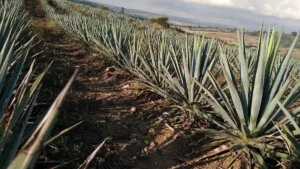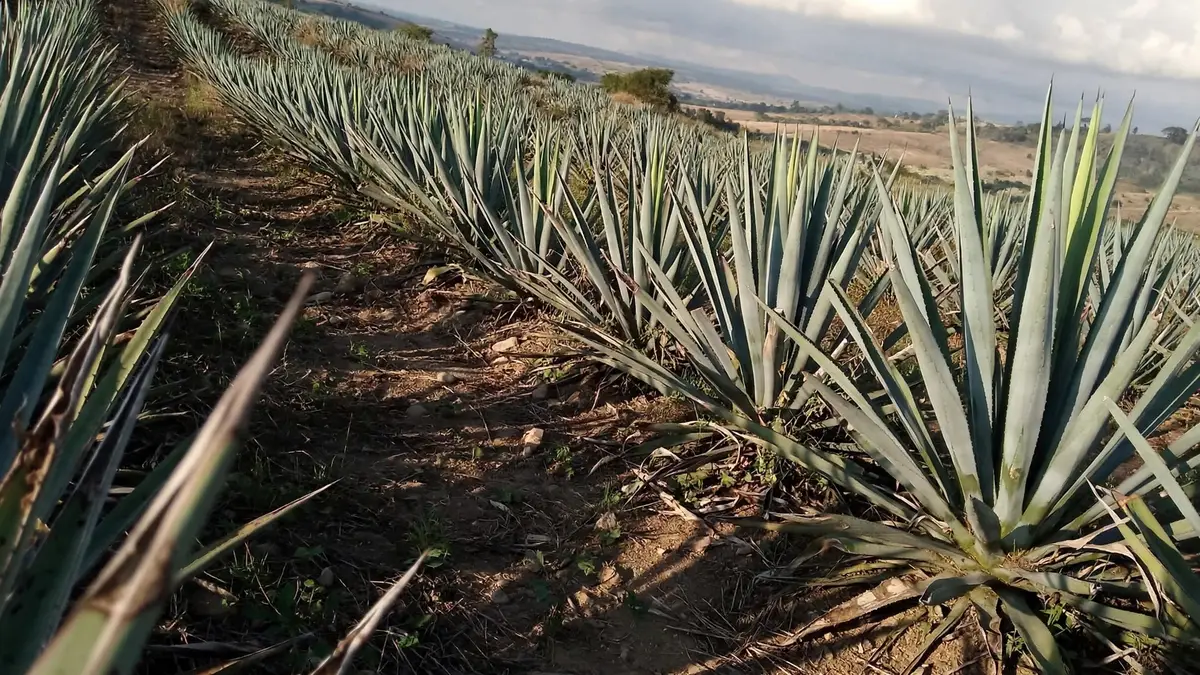

A sisal farm escape is a holiday built around a single plant and the work it demands. Agave sisalana grows in dry, sun-baked soil, its stiff leaves spread in a wide rosette, and every leaf holds long, pale fibres that have to be cut, stripped, dried and brushed before they become rope, twine or cloth. Planning the trip means planning around that work, not around a hotel, and the best escapes are the ones where the farm sets the rhythm of the days.
The mistake most people make is treating a sisal farm like any other farm stay. They book a room, arrive, and discover that the decorticator only runs on certain days, that the harvest crew is in a field an hour away, and that the weaving yard is closed because nobody told the farm they were coming.
This guide walks through the nine steps that shape a good sisal farm escape, from choosing a plantation that still strips its own leaves to buying woven sisal on the last morning. Follow them in order, and the farm will do the rest.
Key takeaways
- A sisal escape is planned around the fibre work, so the decorticator schedule matters more than the hotel.
- Choose a plantation that still decorticates on site, and confirm the fibre work runs while you are there.
- Time the trip to the decortication season, and give yourself three to five days to see the full cycle.
- Pack for sun, dust and sharp leaf edges, and sleep in the sisal town so the farm sets your pace.
- No sisal farm is a resort, and a plantation that hides its machinery is probably not a working farm at all.
What a sisal farm escape actually involves
A sisal farm escape involves three things: the field, the machine, and the drying lines. In the field, workers cut the outer leaves of the agave with a sharp blade, stack them, and carry them to the yard. At the machine, the decorticator crushes and scrapes the green pulp away from the fibre, leaving long cream-coloured strands. On the drying lines, those strands hang in the sun until they are pale and dry, ready for brushing and sorting.
Your days will follow that cycle. Mornings are for the field, when the air is cooler and the cutting is under way. Midday is for the machine, when the decorticator runs and the yard is busy. Afternoons are for the drying lines and the weaving, when the fibre is soft enough to handle and the light is good for working by hand.
The accommodation is part of the escape, not separate from it. Most sisal stays are farmhouses, estate cottages, or small lodges on the edge of the plantation, and the best ones are close enough to walk to the fields. If your room is an hour from the farm, you will spend the trip in a car, and you will miss the part that matters, which is being there when the work happens.
How this escape plan works
This plan works in order, and the order matters. You start by learning how a leaf becomes fibre, because that knowledge decides which plantation you choose. You then match the season to the decortication, pick a farm that strips on site, and confirm the machine will run while you are there.
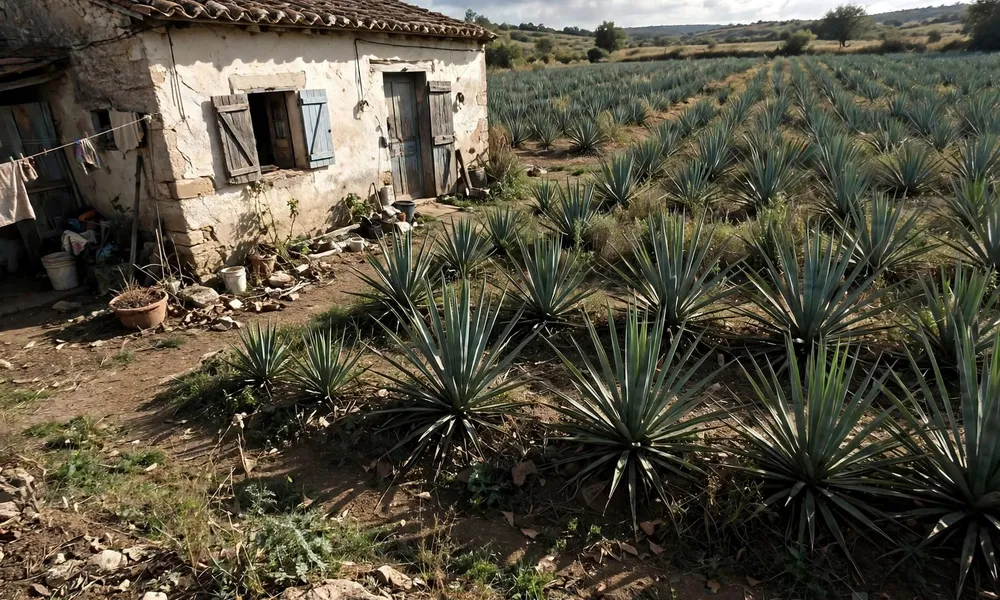
The nine steps below follow that order, and each one answers a question you should settle before you move to the next. The first three are about choosing the farm. The middle three are about what you do once you are there. The last three are about the practical details that make the trip comfortable. Our guide to planning a jute farm escape follows the same order, because fibre farms reward the same kind of planning, even when the crop is different.
Read the whole plan before you book anything.
The 9 steps that shape a sisal farm escape
Follow one sisal leaf from the field to the fibre pile
What to do: Before you choose a plantation, learn the path of a single leaf. It is cut in the field, carried to the yard, fed through the decorticator, rinsed, hung to dry, brushed, and sorted into grades. Ask the farm to walk you through that path, and watch it happen at least once.
What to avoid: Do not book a farm that can only describe the process in words. Best For: First-time visitors who want to understand the crop. Time Needed: Half a day, from the field to the drying lines. Standout Tip: Hold a fresh leaf, then hold a dried fibre, and the whole trip will make sense.
Time your visit to the decortication season, not the dry season alone
What to do: Ask the farm when the decorticator runs hardest, and book those weeks. The dry season matters, because the fibre needs sun to dry, but the decortication season is the real calendar, and it is set by the harvest, not the weather forecast.
What to avoid: Do not assume the dry season and the decortication season are the same thing. Best For: Travellers who want to see the machine working. Time Needed: One email or call before you book. Standout Tip: Ask how many days a week the machine runs, and plan your stay around those days.
Choose a plantation that still decorticates on site
What to do: Pick a plantation where the leaves are stripped in the farmyard, not trucked away to a distant mill. On-site decortication means the fibre work happens in front of you, the crew is there to talk to, and the drying lines are full.
What to avoid: Do not choose a farm that grows the plant and sends the leaves elsewhere. Best For: Travellers who want the full process, not just the field. Time Needed: One afternoon of research before you book. Standout Tip: Ask where the decorticator stands, and whether guests may watch it run.
Watch the decorticator, not the field, to judge a farm
What to do: When you arrive, spend your first hour at the machine, not in the rows. Watch how the leaves go in, how the fibre comes out, and how the crew handles the work. A well-run decorticator is clean, steady, and careful, and the fibre it produces is pale and even.
What to avoid: Do not judge a farm by the beauty of its fields alone. Best For: Travellers who want to know whether the farm is serious. Time Needed: An hour on the first morning. Standout Tip: Ask the operator what breaks most often, and you will learn more than any tour can teach.
Try the hand stripping, the beating, and the brushing yourself
What to do: Ask the farm whether guests can try the hand work. Hand stripping a leaf, beating the fibre to loosen it, and brushing it smooth are all jobs a visitor can learn in an hour, and they teach you more about the crop than a day of watching.
What to avoid: Do not rush the hand work, and do not skip the gloves. Best For: Travellers who learn by doing. Time Needed: A morning, with a break for tea. Standout Tip: The brushing is the most satisfying part, when the rough strands turn smooth and pale.
Walk the agave rows and learn to read a leaf by its age
What to do: Walk the rows with a farm worker and learn to read the plant. The outer leaves are the oldest and the first to be cut, the middle leaves are the strongest, and the young leaves at the centre are left to grow. A good worker can tell you the age of a leaf by its colour, its stiffness, and the way it sits in the rosette.
What to avoid: Do not cut a leaf yourself, and do not walk the rows without a guide. Best For: Travellers who like to understand what they are looking at. Time Needed: An hour in the cool of the morning. Standout Tip: Count the leaves in one rosette, and you will see why the harvest never takes the whole plant.
Sleep in the sisal town, and let the plantation set the pace
What to do: Base yourself in the sisal town, or on the farm itself, and let the plantation set your days. The cutting starts early, the machine runs at midday, and the weaving happens in the afternoon, and a stay that follows that rhythm will show you more than a stay that fights it.
What to avoid: Do not base yourself in a distant city and drive in for a day. Best For: Travellers who want the farm’s rhythm, not a hotel’s. Time Needed: The whole stay, from the first morning to the last. Standout Tip: Eat breakfast with the crew if the farm offers it, and the day will start properly.
Pack for sun, dust, and sharp leaf edges
What to do: Pack sun protection, a wide hat, closed shoes, long sleeves, and a pair of work gloves. The sun in sisal country is strong, the dust from the decorticator gets everywhere, and the leaf edges are sharp enough to scratch bare arms.
What to avoid: Do not pack sandals, shorts, or light colours you care about. Best For: Anyone spending a morning in the field or the yard. Time Needed: An evening of packing before you leave. Standout Tip: Bring a bandana for the dust, and a spare shirt for the afternoon.
Buy woven sisal mats and rope on your last morning
What to do: Save your shopping for the last morning, when you have seen the fibre made and you know what it is worth. Buy woven mats, rope, or a hat made from the farm’s own fibre, and ask who made it.
What to avoid: Do not buy on the first day, and do not buy raw fibre to carry home. Best For: Travellers who want a souvenir that means something. Time Needed: An hour on the last morning. Standout Tip: A mat woven on the farm is a better souvenir than a bag bought in town.
When to go, and what the seasons change
Sisal is harvested through much of the year, but the best time to visit is the dry season, when the sun is reliable and the drying lines are full. In Tanzania and Kenya, that usually means the long dry months, when the fields are open and the decorticator runs hardest. In the Yucatán and Brazil, the dry season is shorter, and the fibre work is concentrated into fewer weeks, so the timing matters more.
The seasons change three things: the machine, the light, and the dust. In the dry season the machine runs most days, the light is hard and bright, and the dust is at its worst, which is also when the fibre is at its best.
If you can only travel in the wet season, choose a farm that weaves through the year, like the small farms of Bahia or the Dominican Republic, where the hand work continues whatever the weather. Our guide to planning a flax farm escape makes the same point about flax, where the blue bloom sets the calendar and the wet months change everything, though flax country is cooler and the rain is a different kind of problem.
The caveats that matter
The first caveat is the dust. Decortication throws up fine fibre dust, and a morning beside the machine will find any weakness in your lungs or your skin. If you have asthma, a dust allergy, or sensitive skin, ask the farm about the dust before you book, carry what you normally use, and stand upwind of the machine.
The second caveat is the heat. Sisal country is hot, and the field work starts early for a reason. Drink water through the morning, wear a hat, and rest in the shade at midday, even if the work looks easy. The leaves are heavy, the sun is strong, and the combination is harder than it looks from a veranda.
| Detail | What is known |
|---|---|
| Best season to visit | The dry season, when the decorticator runs and the drying lines are full |
| How long to stay | Three to five days, enough to follow a leaf from the field to the fibre pile |
| Where to sleep | On the farm, or in the sisal town, so the plantation sets your pace |
| What to pack | Sun protection, a hat, closed shoes, long sleeves, work gloves, and a bandana for dust |
| What to ask first | When the decorticator runs, and whether guests may watch it work |
| Who should go | Travellers who like slow days, real farm work, and dry, open landscapes |
| Who should be careful | Anyone with a dust allergy, asthma, or sensitive skin, and young children near machinery |
| What to bring home | Woven mats, rope, or a hat made from the farm’s own fibre, bought on the last morning |
The third caveat is the machinery. A decorticator is a powerful machine with fast-moving parts, and it deserves respect. The fibre is worth watching, but it is not worth a careless moment.
Checklist: before you book a sisal farm escape
Use these checks before you book, and again before you travel.
- Check the machine: ask when the decorticator runs, and whether guests may watch it work.
- Check the farm still strips on site: leaves trucked to a distant mill mean a field, not a working farm.
- Check the season: book the dry decortication season, not just any dry week.
- Check the stay: sleep on the farm or in the sisal town, not an hour’s drive away.
- Check the packing: sun protection, a hat, closed shoes, long sleeves, gloves, and a bandana for dust.
- Check the shopping: save your sisal buying for the last morning, when you know what the fibre is worth.
Frequently asked questions
When is sisal harvested?
Sisal is harvested through much of the year, but the main cutting and decortication happen in the dry season, when the sun is reliable and the fibre dries quickly. The exact months vary by country, so ask the farm for its own calendar before you book.
What is decortication, and why does it matter?
Decortication is the process of stripping the green pulp from a sisal leaf to leave the long fibre inside. A decorticator is the machine that does it, and it is the heart of the farm. Without it, a sisal leaf is just a heavy, sharp plant.
Can children try the fibre work on a sisal farm?
Older children can try the hand stripping, beating and brushing with gloves and supervision, and most farms welcome them at the weaving table.
Is three days enough for a sisal farm escape?
Yes, three days is enough to follow a leaf from the field to the fibre pile, try the hand work, and walk the rows. Five days is better if you want to see the full cycle twice, or to spend a day in the sisal town as well.
What should I buy at a sisal farm?
Woven mats, rope, or a hat made from the farm’s own fibre, bought on the last morning. Ask who made it, and buy the thing that was woven on the farm rather than bought in from elsewhere.
Which sisal country should a first-time visitor choose?
The Dominican Republic is the gentlest first trip, with small farms, warm hosts, and easy weaving. Tanzania is the most serious, with the biggest plantations and the hardest-working decorticators. If you want beauty and history as well, the Yucatán is the best of both.
The bottom line
The best sisal farm escape in 2027 is the one planned around the fibre work, not around a hotel. Choose a plantation that still decorticates on site, time your visit to the decortication season, sleep in the sisal town, and give yourself three to five days to follow a leaf from the field to the fibre pile.
Our roundup of luxury sisal farm retreats lists nine places that do this properly, from Tanzania to Hawaii, and any of them is a good place to start. Pick one, book the dry season, pack for sun and dust, and let the farm set the pace. That is the honest way to plan a sisal farm escape, and the only way the trip is worth the journey.