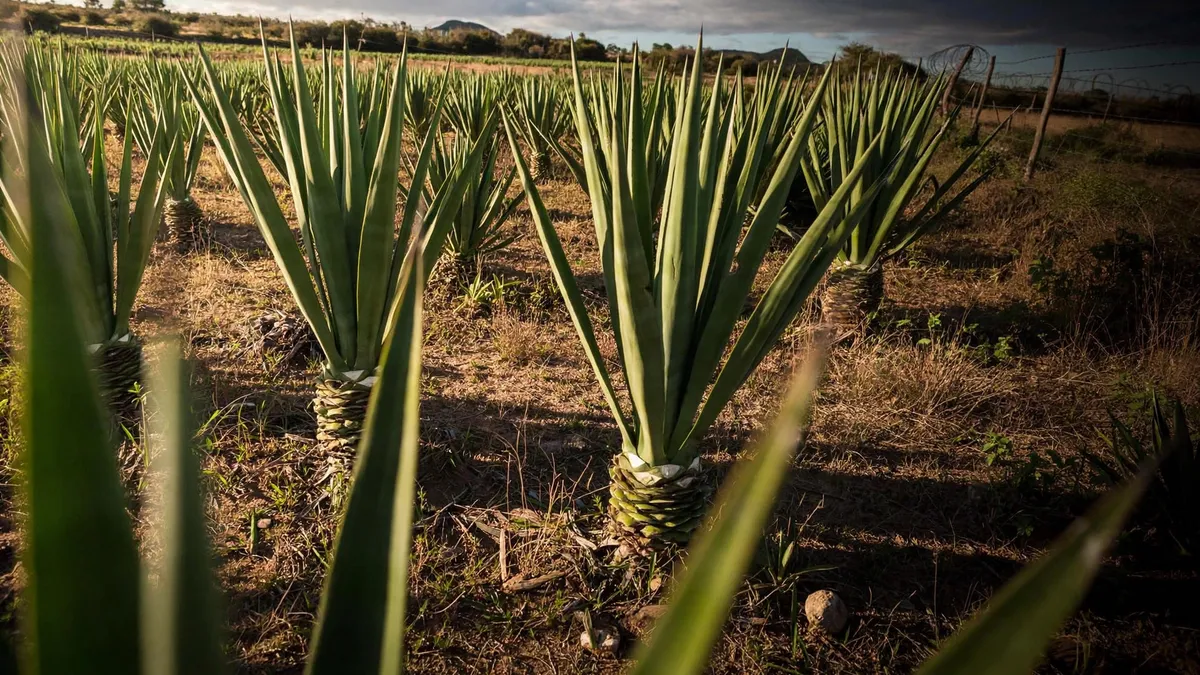
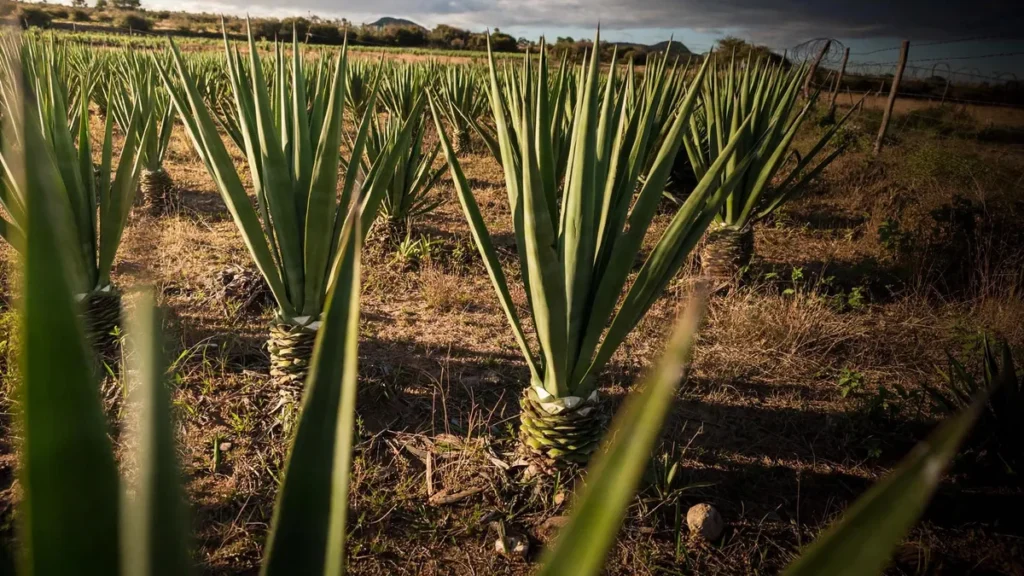
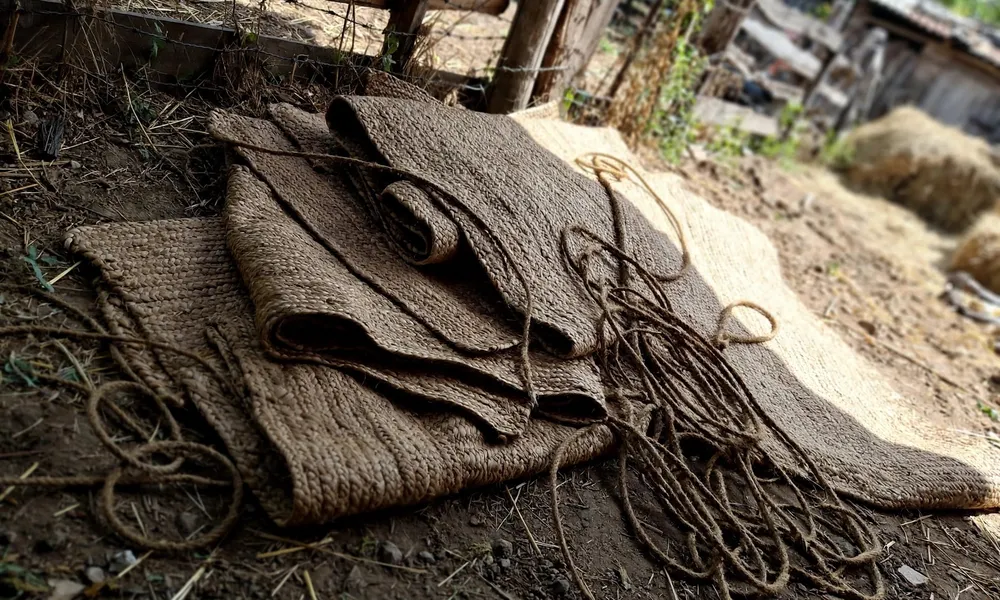
Sisal is the fibre most people have touched without ever thinking about where it comes from. It is the rough golden thread in a doormat, the twine that holds a garden together, the woven seat of a chair that has lasted decades. It comes from the leaves of the agave sisalana plant, a spiky desert succulent that grows in dry, sun-baked soil where almost nothing else will, and the journey from a single stiff leaf to a roll of clean fibre is one of the most hands-on processes in farming.
A sisal farm retreat puts you inside that journey. These are working plantations in Tanzania, Mexico, Brazil, Madagascar and beyond, where the days are shaped by the harvest, the decorticator, and the drying lines, and the stays are small, quiet places built around the farm rather than beside it.
Below are nine sisal farm retreats worth considering in 2027, from coastal Tanzanian plantations to a small estate in Andalusia. Each one is described by what it offers, what to watch for, and who it suits best, so you can choose with the farm in mind, not just a photograph of a golden field.
Key takeaways
- Sisal comes from the agave sisalana leaf, and a retreat lets you follow the leaf from the field through decortication to finished fibre.
- The best time to visit is usually the dry harvest season, when the fields are open and the decorticator is running.
- Choose a working plantation, not a farm with a gift shop, and ask whether the fibre work actually happens while you are there.
- Pack for sun, dust and sharp leaf edges, and plan for slow days rather than a packed schedule.
- No sisal retreat is a luxury resort in the usual sense, and a plantation that promises a five-star spa is probably not a working farm at all.
What a sisal farm retreat actually is
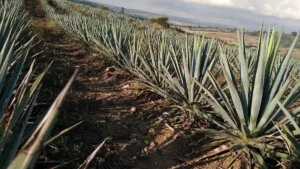
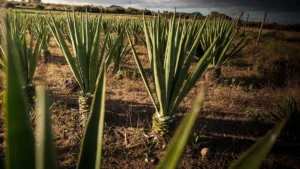
A sisal farm retreat is a stay built around a working sisal plantation. The farm grows agave sisalana, a plant that looks like a giant green rosette of stiff, sword-shaped leaves, and the work of the farm is cutting those leaves, feeding them through a decorticator that strips away the green pulp, and drying the long cream-coloured fibres that remain.
The retreat part of the stay is usually modest. Rooms are often simple farmhouses, converted workers’ cottages, or small lodges on the edge of the plantation, with a shared table for meals and a veranda that looks out over the rows. The luxury in the name comes from the privacy, the space, and the unhurried days, not from marble bathrooms. If you want a spa and a cocktail bar, a beach resort will suit you better. If you want to learn how a doormat is made, starting from a leaf, this is the right kind of trip.
What sets sisal apart from other farm retreats is the plant itself. Agave sisalana grows in dry, poor soil and needs very little water, so sisal country is often hot, bright and open, with red earth, wide skies and long shadows.
How we chose these retreats
We looked first at whether the farm still works. A real sisal plantation harvests leaves, runs a decorticator, and dries fibre in the open air, and a retreat built on one should let you see that work happening, not just hear about it.
We looked next at the stay itself. The best sisal retreats keep the accommodation simple and close to the fields, with honest food, a host who knows the farm, and days that are shaped by the work rather than by an activity menu. A stay that is an hour’s drive from the plantation, with a pool and a tour bus, does not count, however pretty the brochure looks. Our guide to luxury jute farm retreats follows the same rule, because a fibre farm is worth visiting only if you are actually on the farm.
Finally, we looked at the season. Sisal is harvested through much of the year, but the decorticator runs hardest in the dry season, and the drying lines are fullest when the sun is reliable.
The 9 best luxury sisal farm retreats of 2027
Coastal Sisal Plantations of Tanzania
What we like: Tanzania grows more sisal than any other country, and the coastal plantations around Tanga are the heart of it. Wide rows of agave stretch to the horizon, the decorticators run through the dry season, and the stays are quiet farmhouses with long verandas and plain, generous food.
What to consider: The heat is serious, the roads are rough, and the nearest town is a long drive. Best For: Travellers who want the biggest sisal country in the world. Material: Agave sisalana fibre, dried in the open sun. Price Range: Approximately $180 to $320 per night. Standout Feature: The scale of the fields, row after row of agave under a wide sky.
Sisal Estates of the Yucatán, Mexico
What we like: The Yucatán is where sisal first became a world crop, and the old henequen estates carry that history in their stone walls and shaded courtyards. The agave here grows in thin limestone soil, the fibre is famously fine, and the stays are haciendas with cool rooms and slow afternoons.
What to consider: The history is heavy, and the estates are best visited with a guide who tells it honestly. Best For: Travellers who love history as much as farming. Material: Henequen fibre, the Yucatán’s own sisal. Price Range: Approximately $150 to $280 per night. Standout Feature: The old hacienda buildings, built from the profits of the fibre trade.
Sisal Farms of Bahia, Brazil
What we like: Bahia is the centre of Brazil’s sisal country, and the small family farms here work the fibre by hand in a way the big plantations do not. The decorticators are smaller, the drying is done on lines strung between trees, and the weaving happens in the same yard.
What to consider: English is limited, the farms are spread out, and the days start early. Best For: Travellers who want to see hand work rather than machines. Material: Hand-stripped sisal fibre, woven on site. Price Range: Approximately $90 to $200 per night. Standout Feature: The weaving yard, where fibre becomes rope and mats in front of you.
Sisal Plantations of Madagascar
What we like: Madagascar’s southern sisal plantations sit in a landscape that looks like nowhere else, with spiny forest, red sand, and agave rows running to the sea. The fibre is long and pale, the stays are simple and remote, and the nights are dark and full of stars.
What to consider: The journey is long, the roads are slow, and supplies are basic. Best For: Travellers who want remoteness above all. Material: Long-staple sisal fibre, sun-dried on open lines. Price Range: Approximately $120 to $240 per night. Standout Feature: The landscape, where the plantation meets the spiny forest.
Sisal Estates of Kenya’s Coast
What we like: Kenya’s coastal sisal estates combine the plantation with the sea, so the days move between the agave rows and the beach. The fibre here is strong and bright, the stays are old estate houses with wide verandas, and the food is simple Swahili cooking.
What to consider: The coast is humid, the mosquitoes are real, and the estate houses are old. Best For: Travellers who want a plantation and a beach in one trip. Material: Coastal sisal fibre, dried in sea air. Price Range: Approximately $160 to $300 per night. Standout Feature: The mix of plantation work in the morning and the Indian Ocean in the afternoon.
Sisal Farms of the Dominican Republic
What we like: The Dominican Republic grows sisal on small farms in the dry north-west, and the retreats here are family-run, with home cooking, hammocks, and a pace that suits a short stay. The fibre is woven into bags and mats on the farm, and the weaving is easy to join.
What to consider: The farms are small, the fibre work is seasonal, and the stays are basic. Best For: First-time farm travellers and short stays. Material: Small-farm sisal fibre, woven into bags and mats. Price Range: Approximately $80 to $170 per night. Standout Feature: The family weaving table, where guests are genuinely welcome to sit and try.
Sisal Plantations of Queensland, Australia
What we like: Queensland’s sisal plantations are modern, well run, and easy to visit, with proper paths through the rows, clear explanations of the decortication, and stays that are comfortable without being grand. The fibre is clean and consistent, and the farm tours are genuinely informative.
What to consider: The plantations are large and the work is mechanised, so the hand-craft feeling is thinner. Best For: Travellers who want a clear, well-organised introduction. Material: Machine-decorticated sisal fibre, graded and bundled. Price Range: Approximately $140 to $260 per night. Standout Feature: The decorticator itself, shown working at full speed.
Sisal Estates of Andalusia, Spain
What we like: Andalusia grows sisal on a small scale in the dry south, and the estates here are the most elegant of the nine, with whitewashed walls, shaded patios, and long lunches under the vines. The fibre is a side crop rather than the main business, which makes the stays relaxed and unhurried.
What to consider: The sisal work is small-scale, so the fibre side of the trip is lighter. Best For: Travellers who want a beautiful stay with a little sisal, not a working week. Material: Small-scale sisal fibre, woven into rugs and baskets. Price Range: Approximately $170 to $310 per night. Standout Feature: The patio at dusk, with the agave rows dark against the sky.
Sisal Farms of Hawaii
What we like: Hawaii’s sisal farms are small, green, and friendly, with the agave growing in volcanic soil and the fibre woven into hats, bags and mats. The stays are family guesthouses, the weather is warm, and the farm work is easy to join for an hour or a morning.
What to consider: The farms are small, the fibre output is modest, and the stays book up early. Best For: Travellers already in Hawaii who want a farm morning. Material: Island-grown sisal fibre, woven by hand. Price Range: Approximately $150 to $290 per night. Standout Feature: The hand-woven hats, made from fibre grown a few steps from the door.
Which sisal retreat suits your trip
If you want the biggest sisal country and the most serious fibre work, go to Tanzania. The plantations are vast, the decorticators run hard, and the scale of the place will stay with you. It suits travellers who are comfortable with heat, rough roads, and long days, and who want to see the crop at its most industrial.
If you want beauty and history in equal measure, go to the Yucatán. The haciendas are lovely, the fibre is fine, and the story of the estates is worth hearing properly. The luxury flax farm retreats we covered earlier suit a similar traveller, though flax country is cooler, greener, and altogether softer than the dry Yucatán.
If you want to work with your hands, go to Bahia or the Dominican Republic. Both put the fibre in your hands on the first day, and both are forgiving for beginners.
If you want remoteness, go to Madagascar. If you want the sea as well as the plantation, go to Kenya’s coast. If you want the clearest explanation of how the fibre is made, go to Queensland, where the decorticator is the star of the show. If you want a beautiful stay with sisal as a thread rather than the whole cloth, go to Andalusia, and if you are already in Hawaii, the island farms are an easy and charming morning out. The luxury hemp farm retreats are a useful comparison here, since hemp country is taller, greener, and dustier, while sisal country is drier, brighter, and more open.
The caveats that matter
Sisal country is hot, dry, and dusty, and the work is physical. The leaves are heavy, the edges are sharp, and the decorticator is a loud machine that demands respect.
The other honest caveat is that sisal is not a glamorous crop. The fibre is rough, the fields are plain, and the work is repetitive. Sisal is beautiful in a different way, in the geometry of the rows, the pale fibre against the red earth, and the quiet competence of the people who work it.
| Detail | What is known |
|---|---|
| Best season to visit | The dry harvest season, when the decorticator runs and the drying lines are full |
| What the plant needs | Dry, poor soil and strong sun, with very little water |
| How the fibre is made | Leaves are cut, fed through a decorticator, then the fibre is dried, brushed and sorted |
| Who should go | Travellers who like slow days, real farm work, and open, dry landscapes |
| Who should skip it | Anyone wanting a resort, a spa, or a harvest full of flowers and soft light |
| What to pack | Sun protection, a hat, closed shoes, long sleeves, and gloves for the leaf work |
| How long to stay | Three to five days is enough to see the full cycle from leaf to fibre |
| What to bring home | Woven sisal mats, rope, or a hat, bought from the farm on the last day |
If you have a dust allergy or sensitive skin, ask the farm about the decortication dust before you book, and carry whatever you normally use.
Checklist: planning a sisal farm retreat honestly
Use these checks before you book, and again before you travel.
- Check the farm still works: ask whether the decorticator runs while you are there, and what the harvest looks like that week.
- Check the season: book the dry harvest season, not the wet months when the drying lines are empty.
- Check the stay: sleep on the farm or within walking distance, not an hour’s drive away.
- Check the safety: gloves for leaf work, a safe distance from the machinery, and shade and water in the field.
- Check the language: find out whether the hosts speak your language, and learn a few words of theirs either way.
- Check the shopping: save your sisal buying for the last day, when you know what the fibre is worth.
Frequently asked questions
Where does most of the world’s sisal grow?
Tanzania grows more sisal than any other country, followed by Brazil, Kenya and Madagascar. The Yucatán in Mexico is where the crop first became a world trade, and it still grows fine henequen fibre there today.
What makes a sisal retreat different from other farm stays?
The plant and the process. Sisal grows in dry, poor soil where most crops fail, and turning a stiff leaf into soft fibre takes a loud machine, a lot of sun, and a lot of hand work.
When is the best time to visit a sisal plantation?
The dry harvest season, which varies by country but usually falls in the drier months of the year. That is when the decorticator runs hardest, the drying lines are full, and the fields are open for walking.
Are sisal farm retreats suitable for families?
Yes, for older children who can follow safety rules around machinery and sharp leaves.
What should I pack for a sisal farm retreat?
Sun protection, a wide hat, closed shoes, long sleeves, and a pair of work gloves. The sun is strong, the dust is real, and the leaf edges are sharp enough to scratch bare skin.
Can I buy sisal products directly from the farm?
Yes, and you should. Most farms sell woven mats, rope, bags and hats made from their own fibre, and buying on the last day means you know what you are paying for.
The bottom line
The best luxury sisal farm retreat in 2027 is not the grandest or the most expensive. It is the one on a working plantation, with the decorticator running, the drying lines full, and a host who knows the fibre. Tanzania gives you the scale, the Yucatán gives you the history, and Bahia gives you the hand work, and any of the three is a proper introduction to the crop.
Choose one place, go in the dry season, spend three to five days there, and let the farm set the pace. Walk the rows in the morning, watch the fibre come out of the machine, and buy something woven on the last day. That is the honest way to understand sisal, and the only way the trip is worth the journey.