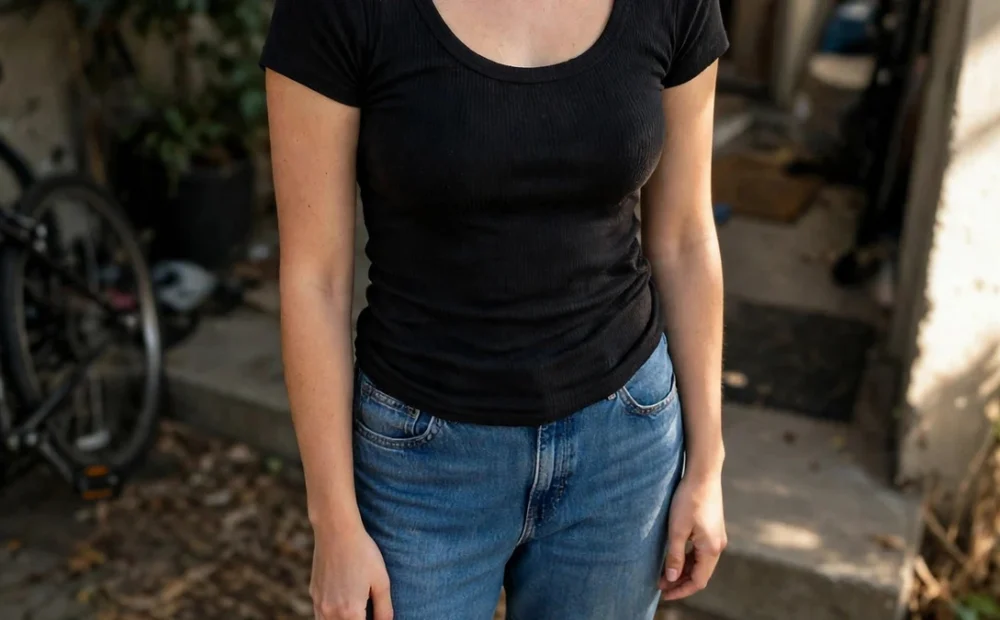
Low-rise jeans are back in a serious way, and the version returning in 2027 is not the one you remember from twenty years ago. The new low rise sits a few centimetres below the natural waist, usually on or just above the hip bones, and it comes with a better cut, a little stretch, and a waistband that is designed to stay put. It is a deliberate, grown-up take on a shape that used to be famous for slipping, gaping, and demanding constant adjustment.
The problem with low-rise jeans has never been the idea. It has been the execution. A rise that is too low will slide down when you sit, dig in when you bend, and show more than you planned every time you reach for something. The difference between a pair you reach for every week and a pair that lives at the back of the drawer is usually two or three centimetres of rise, the placement of the pockets, and whether the back waistband has enough curve to follow your body.
Below are nine low-rise jeans worth considering in 2027, from a clean straight leg to a soft bootcut, a rigid vintage wash, and a relaxed baggy cut. Each one is described by what it is good at, what to watch for, and who it suits best, so you can choose by fit and rise first, and by fashion second.
Key takeaways
- A true low rise sits on or just above the hip bones, roughly 7 to 9 inches from crotch to waistband, and it should stay there when you sit and bend.
- Pocket placement and the curve of the back waistband matter more than the brand name, because they decide whether the jeans gap, slip, or stay smooth.
- A little stretch helps a low rise stay comfortable, but too much stretch will bag out at the knees and seat by the end of the day.
- Low-rise jeans work best with tops that end at the waistband, a half-tuck, or a longer layer that balances the low waist.
- No pair of jeans suits every body, and a low rise that slides, digs, or needs constant pulling up is the wrong pair, however good it looks on the hanger.
What low-rise jeans actually are
The rise of a pair of jeans is the distance from the crotch seam to the top of the waistband. A high rise is usually 10 to 12 inches and sits at or above the natural waist. A mid-rise is around 9 to 10 inches and sits just below the waist. A low rise is roughly 7 to 9 inches, and it sits on the hips. Some brands call anything under 9 inches low-rise, while others reserve the label for 8 inches and below, so the number on the label is only a starting point. What matters is where the waistband lands on your body, and that depends on your torso length as much as on the measurement.
That is why trying low-rise jeans on is more important than it is with a high rise. A high waist has somewhere to anchor itself. A low waist has less to hold on to, so the cut has to do more work. A good low-rise pair has a back waistband that curves up slightly at the centre back, front pockets that sit close to the body, and a waistband that is cut on a gentle curve rather than a straight line.
The 2027 version of the low rise is also softer than the original. Most of the pairs in this guide use a cotton blend with 1 to 2 percent elastane, which gives the waistband enough give to move with you without losing its shape. A few are rigid, and those suit people who like a structured, vintage feel and are willing to break the denim in over a few wears.
How we chose these jeans and what to look for
We looked first at the rise itself. Every pair in this guide has a measured low rise, not just a low-slung look in a photograph, and every one sits on the hips rather than at the waist. We then checked the waistband: a curved back, a firm but not stiff band, and no gaping at the centre back when the jeans are fastened.
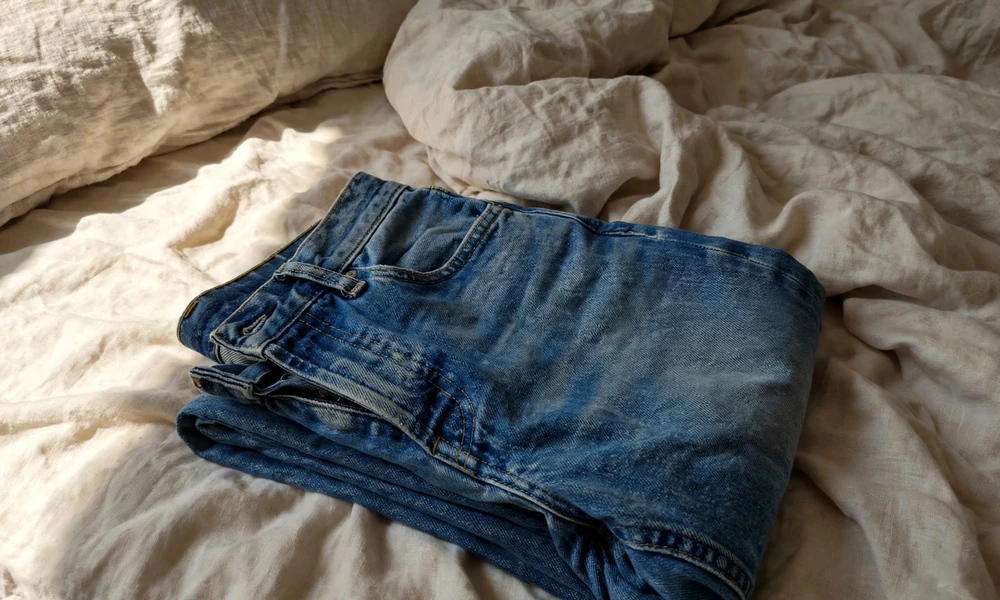
Next we looked at the leg shape and the fabric. A low rise changes the proportions of an outfit, so the leg needs to balance it. A straight leg is the safest partner for a low waist, a bootcut adds length, and a baggy leg leans into the relaxed, early-2000s mood that brought the low rise back.
Finally, we considered who each pair suits and what it costs. Prices here are approximate and will vary by retailer and season, but the range runs from affordable high-street pairs to premium denim, so there is an option at most budgets. If you are deciding between a low rise and the shape you already know, our guide to high-waisted jeans for women is a useful comparison, because the two rises solve opposite problems: a high waist anchors and lengthens the leg, while a low waist lengthens the torso and relaxes the whole outfit.
The 9 best low-rise jeans of 2027
J Brand Low Rise Straight Jeans
What we like: A clean, straight leg with a genuine low rise that sits on the hips without slipping, in a smooth mid-weight denim that keeps its shape from morning to evening.
What to consider: Premium price, and the straight leg runs long, so shorter wearers may want a hem. Best for: A polished everyday low rise. Material: 98% cotton, 2% elastane. Price range: Around £190 to £230. Standout feature: A curved back waistband that stays flat against the body.
Hudson Low Rise Bootcut Jeans
What we like: A soft bootcut that balances the low waist with a longer leg line, in a comfortable stretch denim that moves easily when you sit and walk.
What to consider: The bootcut needs a heel or a platform to show its full length, and the wash fades a little with frequent washing. Best for: Lengthening the leg with a low waist. Material: 92% cotton, 6% polyester, 2% elastane. Price range: Around £140 to £180. Standout feature: A gentle flare from the knee that keeps the low rise looking intentional.
Ksubi Low Rise Jeans
What we like: A relaxed, slightly baggy low rise with a worn-in wash and a confident streetwear edge, cut to sit low without feeling as if it is falling down.
What to consider: The baggy leg is a strong look that suits casual outfits more than smart ones, and the rigid-feeling denim needs a few wears to soften. Best for: A relaxed, off-duty low rise. Material: 100% cotton. Price range: Around £170 to £210. Standout feature: A roomy thigh and a low, easy waist that never pinches.
GRLFRND Low Rise Jeans
What we like: A slim, low-slung cut with a vintage-inspired wash, made in a soft denim that drapes well and feels broken-in from the first wear.
What to consider: The slim leg shows every detail of the fit, so sizing matters, and the light wash is less forgiving than a dark one. Best for: A vintage-leaning low rise with a slim leg. Material: 99% cotton, 1% elastane. Price range: Around £160 to £200. Standout feature: A faded, sun-worn wash that looks lived-in rather than new.
RE/DONE Low Rise Jeans
What we like: A reworked, rigid low rise with an authentic vintage character, each pair finished to feel like a well-worn original rather than a copy.
What to consider: Rigid denim needs breaking in, the fit varies slightly between pairs, and the price is firmly premium. Best for: A true vintage low rise. Material: 100% cotton. Price range: Around £240 to £290. Standout feature: A rigid, structured denim that holds the low waist exactly where it should sit.
Boyish Low Rise Jeans
What we like: A sustainable, low-rise straight leg in a soft organic cotton denim, with a clean wash and a comfortable, unfussy fit.
What to consider: The straight leg is generous through the thigh, so it suits a relaxed outfit more than a fitted one, and the range of washes is small. Best for: A sustainable, everyday low rise. Material: 100% organic cotton. Price range: Around £130 to £170. Standout feature: A low-impact wash process and a soft, breathable organic denim.
Denim Forum Low Rise Jeans
What we like: A well-priced low rise with a straight, slightly relaxed leg and a waistband that sits flat, in a mid-weight denim that holds its shape well.
What to consider: The fit runs a little roomy at the waist, so try your usual size first and size down only if the waistband gaps. Best for: A budget-friendly first low rise. Material: 99% cotton, 1% elastane. Price range: Around £80 to £110. Standout feature: A clean, simple cut that works with almost any top.
Pistola Low Rise Jeans
What we like: A soft, low-slung straight leg with a slightly cropped length that shows the ankle, in a lightweight denim that feels easy in warm weather.
What to consider: The cropped length suits shorter legs and ankle boots, and the light denim can stretch out a little by the end of a long day. Best for: A light, warm-weather low rise. Material: 98% cotton, 2% elastane. Price range: Around £120 to £160. Standout feature: A cropped ankle length that keeps the low rise feeling fresh rather than heavy.
Blank NYC Low Rise Jeans
What we like: An affordable low rise with a straight leg and a comfortable stretch, available in a wide range of washes from pale blue to black.
What to consider: The stretch is generous, so the jeans can feel looser after several wears, and the darker washes need cold washing to stay dark. Best for: A low rise in every wash. Material: 78% cotton, 20% polyester, 2% elastane. Price range: Around £70 to £100. Standout feature: The widest choice of washes in this guide, including a true black.
Which low-rise jeans suit your shape
A low rise suits a long torso particularly well, because it lengthens the upper body and balances a shorter leg. If your torso is short, try a slightly higher low rise, around 8 to 9 inches, with a top that ends at the waistband.
For curvier hips, the key detail is the back waistband. A curved back that rises a little at the centre will follow your shape and stay put, while a straight waistband will gap and slip. A straight leg or a gentle bootcut balances wider hips better than a very slim leg, because it keeps the line from hip to ankle even. Our guide to wide-leg jeans for women is worth a look if you like the low waist but want more volume through the leg, since a wide leg with a low rise is one of the most forgiving combinations in denim.
For a petite frame, a low rise can be a useful trick, because it shows more leg and less waistband, which reads as longer legs. The risk is a waistband that sits too low and makes the torso disappear, so choose a low rise on the higher side of the range, keep the leg straight or slightly cropped, and avoid a very baggy leg, which can overwhelm a small frame.
The caveats that matter
Low-rise jeans are not a shape to buy blind. The fit depends on your torso length, your hip shape, and the exact rise measurement, and none of those are visible in a product photograph. Always check the rise in inches, read the fit notes, and try the jeans on with the shoes and top you plan to wear.
| Detail | What is known |
|---|---|
| What counts as low-rise | A rise of roughly 7 to 9 inches, sitting on or just above the hip bones |
| Best fit check | The waistband should stay put when you sit, bend, and walk, without gaping at the back |
| Best fabric | Mid-weight denim with 1 to 2 percent stretch, or rigid cotton for a vintage feel |
| Who should try a higher low rise | Short torsos and curvier hips often suit an 8 to 9 inch rise better than a 7 inch one |
| What to avoid | A straight, ungapped waistband, too much stretch, and a rise under 7 inches for everyday wear |
| Best leg shapes | Straight, bootcut, and baggy legs balance a low waist; very slim legs need precise sizing |
| Washing | Wash inside out in cold water and air-dry, so the waistband keeps its shape and the colour stays true |
| What they do not do | They do not suit every body, and they do not stay comfortable if the rise is wrong for your torso |
Comfort is the other honest caveat. A low rise that is too tight will dig in at the hips, and a low rise that is too loose will slide down. If you are choosing between a low rise and a shape you already trust, our guide to slim jeans for women is a good fallback, because a slim leg with a mid-rise waistband gives you a close, polished fit without asking the waistband to do the work of a low rise.
Checklist: buying low-rise jeans honestly
- Check the rise in inches: a true low rise is roughly 7 to 9 inches from crotch to waistband.
- Check the back waistband: it should curve up slightly at the centre and sit flat, with no gaping.
- Sit down in them: the waistband should not slide more than a centimetre or dig in at the hips.
- Check the stretch: 1 to 2 percent elastane is enough; much more will bag out by evening.
- Try them with your shoes and top: the leg length and the waistband only make sense as a full outfit.
- Walk away if they slip: a low rise that needs constant pulling up is the wrong pair, whatever the price.
Frequently asked questions
What rise counts as low-rise?
A rise of roughly 7 to 9 inches from the crotch seam to the top of the waistband, sitting on or just above the hip bones.
Are low-rise jeans back in fashion in 2027?
Yes. The low rise returned with the wider nineties and early-2000s revival, and in 2027 it is worn with straight, bootcut, and baggy legs rather than the very slim, very low cuts of the original era.
Do low-rise jeans suit petite women?
Often yes, because a low waist shows more leg and can make the legs look longer. Choose a low rise on the higher side of the range and keep the leg straight or slightly cropped.
What is the difference between low-rise and mid-rise jeans?
The rise measurement and where the waistband sits. A low rise is about 7 to 9 inches and sits on the hips, while a mid-rise is about 9 to 10 inches and sits just below the natural waist.
Can I wear low-rise jeans with a tucked-in shirt?
Yes, and a half-tuck or a full tuck is one of the best ways to wear them, because it shows the waistband and marks the low waist clearly. A shirt that ends at the waistband also works well.
How should low-rise jeans fit at the hips?
They should sit flat against the hips with no gaping at the back waistband and no digging at the front. They should stay in place when you sit and stand.
The bottom line
The best low-rise jeans in 2027 are the ones that fit your torso and stay put all day, not the ones with the lowest rise or the most famous label. A straight leg with a curved back waistband is the safest first buy, a bootcut adds length, and a baggy rigid pair is the most convincing if you want the vintage mood. Check the rise in inches, sit down in them before you decide, and walk away from any pair that slips or gaps.
Choose one pair, wear it with a top that ends at the waistband, and give it a full day before you judge it. A pair that slides or digs in the shop will only get worse at home.