Micro braids ask more of a hair oil than almost any other style. Each braid is thin, the parts are close together, and the scalp shows in dozens of narrow lines, so an oil that is too heavy sits on the surface, while one that is too thin disappears before it does anything. The wrong choice leaves white residue along the parts, greasy roots, and braids that loosen sooner than they should.
The trick is matching the oil to the job. A scalp oil must reach skin through a tight grid of parts without flooding it, and a length oil must smooth the braid surface and seal the ends without making the braids stick together. One bottle can do both only if it spreads thin and stays stable on hair that will not be washed for days.
Below are nine oils that suit micro braids in 2027, from a braid-specific spray to a salon concentrate for coloured hair. Each entry covers what it does well, what to watch for, and who it suits best.
Key takeaways
- Micro braids need light, spreadable oils — heavy butters and thick castor blends sit on the parts and attract build-up.
- Oil the scalp through the partings, and oil the lengths separately; one heavy application does both jobs badly.
- A nozzle or spray applicator matters more than the brand, because it puts the oil on skin instead of on braids.
- Two to three drops per section is enough; if the roots look wet an hour later, you used too much.
- No oil repairs a braid that is installed too tightly or a scalp that is already irritated, and oiling over flakes or soreness can make both worse.
What hair oil actually does for micro braids
Oil on micro braids does three separate jobs, and it helps to keep them apart. On the scalp, it slows moisture loss from skin exposed along every parting and left uncovered for weeks. On the braided length, it smooths the hair inside the braid and stops the surface looking dry and frizzy by week three. At the ends, it seals the last centimetre of hair, where micro braids fray first because the ends are the oldest and most handled part of each strand.
What oil cannot do is feed the hair from the inside, glue a loosening braid back together, or replace washing. Hair is not alive once it leaves the follicle, so an oil works on the surface: it coats, it softens, it reduces friction between strands. It also cannot fix tension. If the install is too tight, the scalp will hurt and the hairline will feel tender, and rubbing oil into a tender scalp can make it worse.
How we chose these oils and what to look for
We started with the constraint that makes micro braids different: the oil has to work through a grid of narrow parts. That ruled out thick, sticky formulas and anything scooped from a jar. Every oil below is a light liquid, a fine spray, or a concentrate that spreads from a few drops.
We then checked the ingredients for things that cause trouble on a scalp that will not be washed for a while. Heavy mineral oil and thick silicones can trap sweat and product under the braid, and strong fragrance can irritate a scalp already sensitive from braiding. The oils below are plant-based blends, light silicones that evaporate cleanly, or salon concentrates used in small amounts. The guide to hair oils for Sisterlocks is a useful comparison, because Sisterlocks share the same narrow-parting problem and the same need for light, precise application.
The 9 best hair oils for micro braids 2027
Miss Jessie’s Grow Strong Mafura Hair Oil
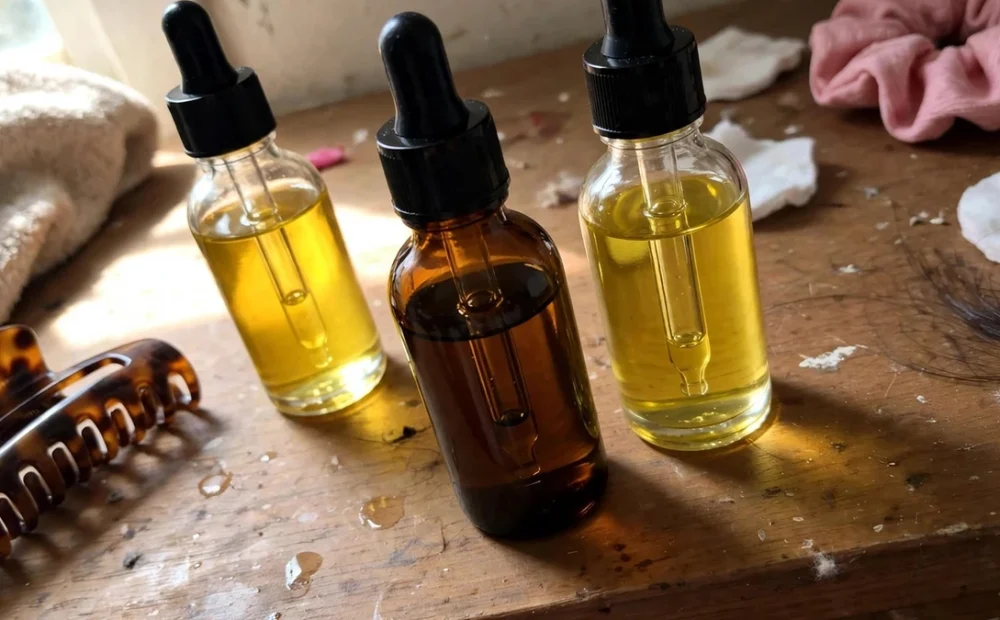
What we like: A light blend of mafura seed butter, soybean, avocado, castor, jojoba and argan oils, with a dropper that places a few drops exactly on a parting. It spreads thin, leaves no white film, and works as both a scalp oil and a light sealant for the lengths.
What to consider: The scent is noticeable, and the dropper means working section by section, which takes a few extra minutes on a full head of micro braids. Best for: Dry scalps and dull braid lengths in the middle weeks of an install. Material: Mafura seed butter, soybean, avocado, castor, jojoba and argan oils. Price range: Around $22. Standout feature: The dropper applicator, the most precise way to oil a narrow parting.
Vernon François Scalp Nourish~ment Braids and Locs Spray
What we like: The only product here designed specifically for braids and locs: an oil blend in a spray, with mafura, jojoba, sweet almond, rosehip and argan oils, and a mist that lands evenly across the parts without flooding any one spot.
What to consider: A spray is harder to control than a dropper, so hold it further from the head than you think, and it is not the right tool for sealing the ends. Best for: Quick daily refreshes and itchy scalps between washes. Material: Mafura, jojoba, sweet almond, rosehip and argan oils. Price range: Around $24. Standout feature: A braid-specific spray format that covers the whole scalp in seconds.
L’Oréal Professionnel Metal Detox Concentrated Oil
What we like: A salon concentrate with glicoamine that protects coloured and lightened hair from the minerals in hard water, a real problem here because the lengths are exposed to every wash for weeks. It adds shine without weight and leaves no residue on the parts.
What to consider: It is a concentrate, so the dose is tiny — one pump for the whole head — and it is priced like a salon product. Best for: Coloured or lightened micro braids, and anyone washing in hard water. Material: Glicoamine and ionene with lightweight conditioning oils. Price range: Around $50. Standout feature: Anti-metal protection that keeps colour bright through a long install.
Paul Mitchell Awapuhi Wild Ginger Styling Treatment Oil
What we like: An ultra-light, fast-absorbing oil built around Hawaiian awapuhi extract and ginger root, with a dry-touch finish that never looks wet. It smooths frizz along the braid surface and adds shine without making the braids stick together.
What to consider: The fragrance is strong and distinctly gingery, and the pump means dispensing into the palm first. Best for: Frizz along the braid lengths and a polished finish before going out. Material: Awapuhi extract, ginger root and sunflower oil. Price range: Around $36. Standout feature: A dry-touch finish that leaves braids looking smooth, not oiled.
Davines More Inside This Is an Oil Non Oil
What we like: A weightless fluid that behaves like an oil without feeling like one, adding structure and definition while smoothing frizz and leaving no residue. For micro braids, that means refreshing the surface daily without the slow build-up heavier oils cause.
What to consider: The 250 ml bottle is large for a braid oil, and the fluid is so light that it does little for a dry scalp — it is a length product, not a scalp treatment. Best for: Daily smoothing of the braid surface and taming flyaways. Material: Lightweight conditioning fluid with plant-derived emollients. Price range: Around $34. Standout feature: A residue-free finish that can be used every day without build-up.
Joico Blonde Life Brilliant Glow Brightening Oil
What we like: A lightweight oil with monoi and tamanu oils that brightens blonde hair while adding shine and softness. Blonde micro braids go dull faster than darker ones because lightened hair is more porous, and this oil is one of the few that addresses the colour as well as the condition.
What to consider: It is made for blonde hair, so on dark braids it is simply a light shine oil, and the brightening effect is subtle rather than dramatic. Best for: Blonde, highlighted or grey micro braids that look dull by week three. Material: Monoi oil and tamanu oil. Price range: Around $28. Standout feature: Colour-brightening care for lightened braids, not just shine.
Surface Bassu Hydrating Oil
What we like: A babassu-based hydrating oil that restores moisture and shine while protecting colour, with a light texture that suits fine hair and fine braids. It works on hair and skin, so one bottle covers the scalp and the lengths.
What to consider: It is richer than the lightest oils here, so use half the amount you think you need on the scalp. Best for: Dry, fine micro braids and colour-treated installs. Material: Babassu oil, argan oil and flaxseed oil. Price range: Around $42. Standout feature: A babassu base that hydrates without the heaviness of castor or shea.
Moroccanoil Mending Infusion
What we like: A fast-absorbing serum built around argan oil that seals split ends and smooths the last few centimetres of hair, exactly where micro braids fray first. It leaves a silky finish and a little goes a long way, so one bottle lasts through several installs.
What to consider: It is a finishing product for the ends, not a scalp oil — on the roots it makes the parts look greasy. Best for: Fraying ends in the final weeks of an install. Material: Argan oil and quinoa protein. Price range: Around $32. Standout feature: Targeted end-sealing that keeps old braids looking tidy.
Leonor Greyl Huile Secret de Beauté
What we like: A multi-purpose botanical oil with buriti, pomegranate seed and mongongo oils, made for hair, face and body. On micro braids it works as a pre-wash treatment: massaged through the scalp and lengths the night before washing, it softens the hair and makes wash day gentler.
What to consider: It is the most expensive oil here, and too rich for daily use on the scalp, so keep it for the weekly pre-wash ritual. Best for: Pre-wash treatments and very dry braids before take-down. Material: Buriti oil, pomegranate seed oil and mongongo oil. Price range: Around $76. Standout feature: A botanical blend that doubles as a pre-wash treatment and a body oil.
Which oil is right for your micro braids
Start with the state of your scalp. If it feels tight or itchy between washes, you need a scalp oil with a precise applicator — the Miss Jessie’s dropper or the Vernon François spray — used in small amounts along the partings. If the scalp is comfortable and the lengths look dry, pick a length oil instead, such as the Paul Mitchell Awapuhi oil or the Davines Oil Non Oil, and keep it off the roots.
Then think about the age of the install. Fresh micro braids need almost no oil — a light mist every couple of days is enough while the scalp settles. By week three, the lengths look dry and the ends begin to fray, which is when a sealing oil such as the Moroccanoil Mending Infusion earns its place. The roundup of hair oils for butterfly locs follows the same logic, because locs and micro braids share the same problem of keeping long, sectioned hair moisturised without build-up.
The caveats that matter
Oil is forgiving in small amounts and punishing in large ones. The most common mistake is treating it like a moisturiser and applying it generously, which coats the braids, traps sweat underneath, and creates the white, waxy build-up that is hard to remove without taking the braids out.
| Detail | What is known |
|---|---|
| Best amount per section | Two to three drops, or one light mist; roots should not look wet an hour later |
| Where to apply it | On the scalp through the partings, and on the lengths separately |
| How often | Scalp every two to three days; lengths daily if they look dry |
| What to avoid | Heavy butters, thick castor blends, and strongly fragranced oils on a tender scalp |
| When to stop | A sore or heavily flaking scalp, or braids loosening at the roots |
| Build-up signs | White residue along the parts, greasy roots, braids sticking together |
| Wash day | Oil the night before washing, then wash as normal; go light on freshly washed braids |
| What oil does not do | It does not repair tight braids, regrow hair, or replace washing |
If your scalp is sore, red, or flaking heavily, stop oiling and let it rest. Oil can trap irritation under the braids and make it worse, and a sore scalp usually means the install is too tight or the scalp needs a wash, not more product. If the soreness lasts more than a few days, or you notice hair loss along the hairline, speak to your braider or a trichologist before oiling again.
Checklist: choosing a hair oil for micro braids honestly
Use these checks before you buy, and again after a week of use.
- Check the applicator: a dropper, pump or spray that reaches the scalp through narrow partings.
- Check the weight: it should spread thin and disappear, not sit on the surface.
- Check the scent: strong fragrance can irritate a tender scalp.
- Patch-test first: apply to one parting and wait a day before using it across the head.
- Start small: two to three drops per section, and add more only if the hair still looks dry after an hour.
- Watch the parts: white residue or greasy roots mean the oil is too heavy or you are using too much.
Frequently asked questions
My micro braids are already in — can I still start oiling now?
Yes. Oil works at any point in the install, and week two or three is a common starting point, because that is when the scalp starts to feel dry. Begin with a light scalp oil along the partings, two to three drops per section, and see how the scalp responds over two days before making it a routine. The guide to hair oils for faux locs covers the same late-start question, because locs and micro braids both suit a gradual introduction.
My braids feel looser since I started oiling — is the oil to blame?
It can be, if the oil is landing on the braid structure rather than the scalp. Oil on the lengths makes the surface slippery, which is why length oils should stay off the roots and be used in small amounts. Oil applied through the partings onto the scalp does not reach the braid itself, so it does not loosen the install.
The parts look dull and coated — is that dryness or build-up?
Dry braids look dull and feel rough, and a drop of oil makes them look better within minutes. Build-up looks white or grey along the parts, feels waxy, and gets worse when you add oil. If you are not sure, wash the braids and see how they look when they are clean and dry.
One bottle for roots and lengths, or two different oils?
You can use one bottle, but you will get better results with two. The scalp needs a light oil applied precisely through the partings, while the lengths need a smoothing oil worked over the surface. A single light oil such as the Surface Bassu can do both if you change the amount, but a dedicated scalp oil and a dedicated length oil is the simpler setup.
Itching between washes — what actually helps?
Start with a light mist of a braid spray such as the Vernon François, which reaches the scalp without flooding it, and avoid scratching with your nails, which can break the skin along the parts. If the itching is strong, or the scalp is flaking heavily, it may be dryness, build-up, or irritation from the install, and oil alone will not fix it.
Is it worth buying a separate oil just for micro braids?
Yes, if you wear micro braids often. The oils that suit this style — light, precise, residue-free — are different from the heavy oils that suit loose natural hair, and the wrong one is the fastest way to get build-up along the parts.
The bottom line
The best hair oil for micro braids in 2027 is not the richest or the most expensive. It is the lightest one that reaches your scalp through the partings, keeps the lengths smooth without build-up, and suits the age and colour of your install. For most people, that means a light scalp oil with a dropper or spray for the roots, and a separate smoothing oil for the lengths.
Start small, apply often, and watch the parts. Two to three drops per section, every two to three days, will keep micro braids comfortable and tidy for the full life of the install, while a heavy hand with the wrong oil will shorten it. Choose by the state of your braids, not by the bottle.