A blackberry farm escape is a short trip built around a harvest that moves fast. The berries turn black over a few days, the best picking lasts two or three weeks, and the farm’s whole calendar bends around that window. Plan the trip around the fruit, and everything else — the room, the food, the cooking — falls into place. Plan it around cheap flights, and you will arrive to bare canes and a host who is already making jam without you.
The good news is that a blackberry escape is one of the simplest farm trips to plan. You need nine steps, none of them complicated: taste the fruit first, get the picking dates in writing, pick a region for its cooking, check what guests can join, and sort out allergies, clothes, and money before you pay. This guide walks through each step in order, with the mistakes to avoid at every stage.
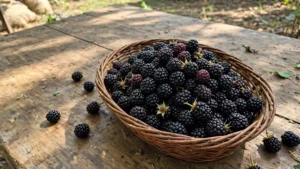
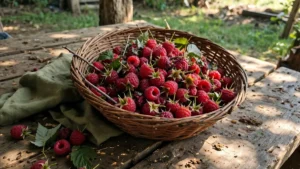
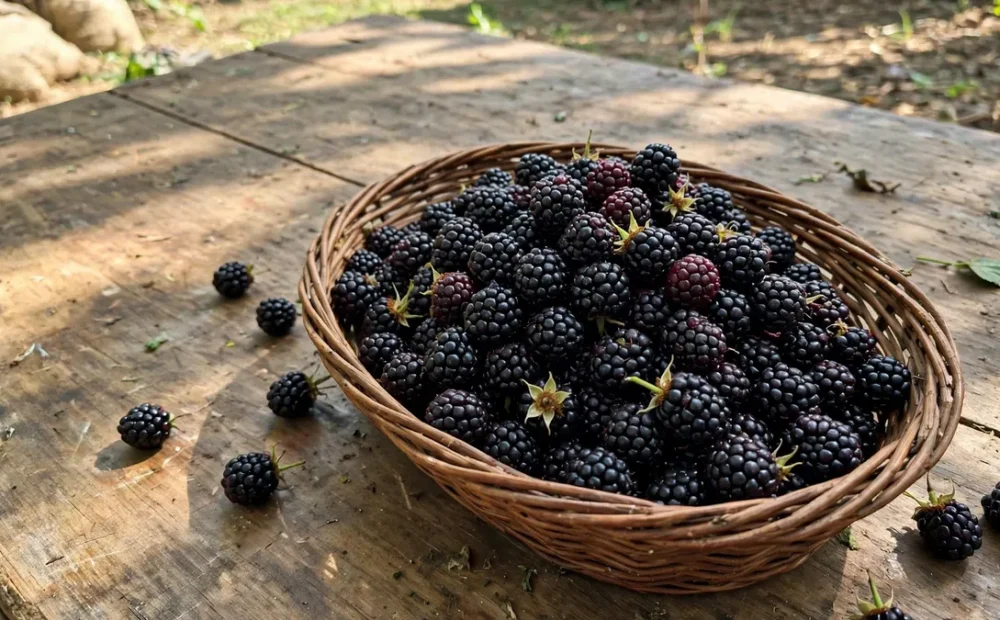
Blackberries suit a first farm escape because the skill is simple and the reward is immediate. A berry that is fully black, soft, and slips off the stem is ready; anything else stays on the cane. By the end of the first morning you will know it by feel, and by the end of the trip you will have jam, pudding, and a basket of fruit that tastes of the place it grew in.
Key takeaways
- Book around the farm’s picking dates, not the cheapest flight — the season lasts two to four weeks and shifts with the weather.
- Ask in writing what guests can join: picking, jam making, cooking classes, and market trips all vary by farm.
- Pack long sleeves, gloves, closed shoes, and dark clothes — thorns and juice stains are part of the trip.
- Tell the farm about allergies in your first message, and ask what the kitchen will cook for you.
- Blackberries are naturally gluten-free, but farm kitchens bake with wheat flour — write to the farm before you pay, not after.
What a blackberry farm escape involves
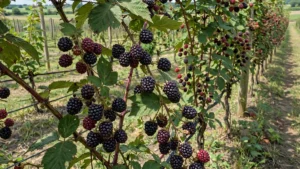
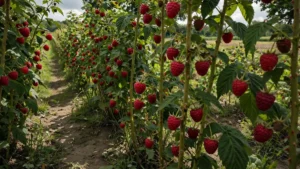
A blackberry farm escape usually lasts three to five nights on a working berry farm during the harvest, from late summer into early autumn in most regions. Mornings are spent in the rows with a basket and gloves. Afternoons are for cooking — jam, crumbles, sauces, and cordials — and evenings are for eating what the day produced. The farms that do this well keep groups small, usually under a dozen guests, so the host knows your name and your allergies by the second day.
The trip is active but not strenuous. Picking is standing work in the rows, with short walks between canes and regular breaks for tea. The cooking is hands-on but unhurried: stirring jam, rolling pastry, tasting as you go. If you have never picked fruit before, a blackberry farm is a forgiving place to start, because the fruit tells you when it is ready and the host is never far away. For a different fruit with a similar slow rhythm, the durian farm escape guide we wrote earlier follows the same shape of small groups and a host who cooks the harvest.
What the trip does not involve is luxury for its own sake. The rooms are comfortable and private, the food is excellent, but the point is the harvest, not the thread count. If you want a spa and a pool, book a hotel. If you want to come home with jam you made yourself, book a blackberry farm.
How to plan it, and what to ask first
Start with the picking dates. Write to two or three farms, ask for their picking window, and book the one whose dates fit your diary — not the other way round. Then ask what the rate covers: meals, picking sessions, cooking classes, and transport from the nearest town all vary, and the cheapest rate is rarely the cheapest trip once you add the extras.

Ask about allergies and access before you pay. Tell the farm about wheat, gluten, stings, and any mobility limits in your first message, and ask what the kitchen will cook for you. Ask how far the rows are from the rooms, whether the ground is flat, and what happens if the season shifts by a week. A farm that answers plainly is a farm you can trust; a farm that will not discuss it is a farm to avoid.
The 9 steps to plan a blackberry farm escape
Work through these nine steps in order, and do not book flights until step two is done. Each step has a time attached, so you can see what the planning actually costs.
Try the berries at a market stall before planning anything
What to Do: Buy a punnet of ripe blackberries from a market or farm shop, eat them fresh, and try them in a crumble or jam. Learn what a ripe berry tastes like — sweet-tart, dark, and soft — so you know what you are travelling for.
What to Avoid: Booking a farm escape for a fruit you have never tasted. If you do not like blackberries, a week of picking them will feel very long.
Best For: Anyone who has never picked blackberries. Time Needed: One afternoon at a market. Standout Tip: Taste a red berry too, so you know what under-ripe means.
Fly in the week the farm starts picking
What to Do: Get the picking dates in writing from two farms, then book flights that land the day before picking starts. Ask each farm how firm its dates are, and whether it will move your booking if the season shifts.
What to Avoid: Booking a flight you cannot change before the farm confirms its picking dates. A cheap non-refundable ticket is the most expensive mistake on this trip.
Best For: People with dates they can move around. Time Needed: Two emails and a day of waiting. Standout Tip: Land a day early so you are rested for the first picking morning.
Let the food, not the photos, choose your farm
What to Do: Read each farm’s menu and cooking programme before you choose. Some farms cook savoury dishes with blackberries, some bake, some make jam and cordial — pick the kitchen that excites you, not the prettiest photograph.
What to Avoid: Choosing a farm for its scenery and discovering the kitchen only serves berries at breakfast. The cooking is half the trip.
Best For: Food lovers who want to cook, not just pick. Time Needed: An evening reading menus. Standout Tip: Ask for the week’s menu before you book.
Find out what guests can join, from picking to preserving
What to Do: Ask whether guests can join the picking, the jam making, and the cooking classes, and whether there is a limit on what you can take home. Some farms charge by the kilo for extra fruit, and it is better to know now.
What to Avoid: Assuming every activity is included. Picking is usually free, but classes and extra fruit often cost more.
Best For: Hands-on travellers who want to do the work. Time Needed: One email before you book. Standout Tip: Ask which jam recipe the farm uses, and whether you can take a copy home.
Check whether the farm’s canes are thorny or thornless
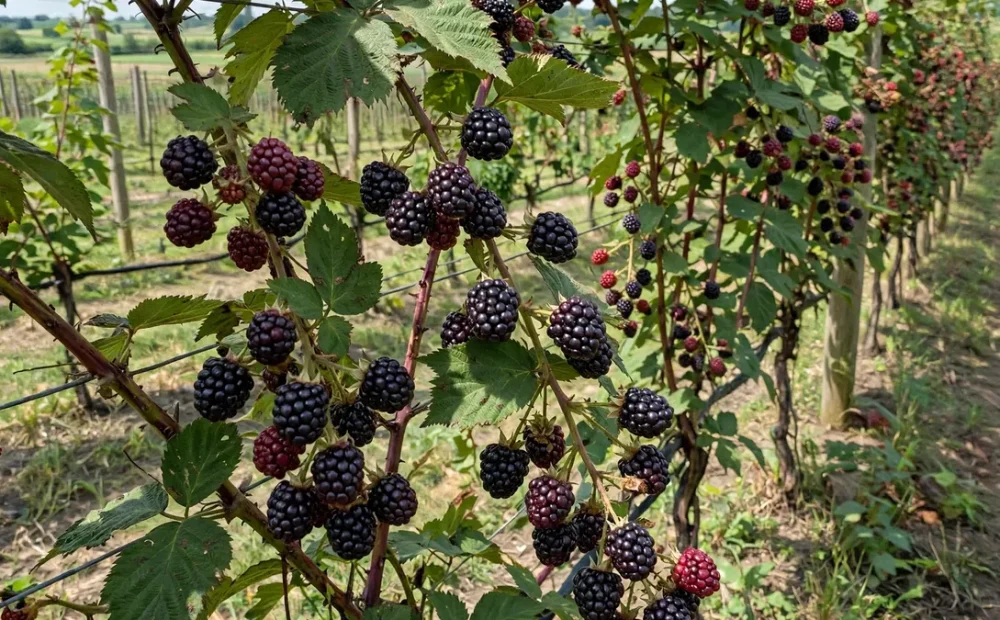
What to Do: Ask whether the farm grows thorny or thornless varieties, and whether it provides gloves. Thornless rows are easier for beginners; thorny rows need proper gloves and long sleeves.
What to Avoid: Packing light and discovering the canes are thorny. Short sleeves and bare hands make for a short picking morning.
Best For: Beginners and anyone with sensitive skin. Time Needed: One message before you pack. Standout Tip: Pack gardening gloves even if the farm provides them — your own pair fits better.
Put allergy notes in your booking email
What to Do: Tell the farm about any wheat or gluten allergy in your first email, and ask what the kitchen will make for you. Mention sting allergies, bee allergies, and any medicines that matter.
What to Avoid: Waiting until arrival to mention an allergy. The kitchen plans its shopping days ahead, and a late warning means a plain plate.
Best For: Anyone with a food allergy or a sting allergy. Time Needed: One short email before you book. Standout Tip: Put the allergy in the subject line of your first email, so it is not missed.
Dress in old clothes and gloves for picking
What to Do: Pack long sleeves, gloves, closed shoes, and dark clothes you do not mind staining. Bring a hat for the sun and a light waterproof for the rain, and keep a clean change of clothes for the drive home.
What to Avoid: Wearing white or pale clothes in the rows. Blackberry juice stains everything it touches, and the stains do not wash out easily.
Best For: Every picker, on every farm. Time Needed: Half an hour of packing. Standout Tip: Pack a spare pair of shoes — the rows are muddy after rain.
Shop the village market at dawn with the host
What to Do: Join the host’s early market trip if the farm offers one, and buy what the kitchen needs for the day. The market shows you what the region eats, and the cooking that follows uses what you bought.
What to Avoid: Sleeping through the market trip and arriving at lunch. The best food on the trip is the food you helped choose.
Best For: Early risers and market lovers. Time Needed: Two hours on one morning. Standout Tip: Bring cash — village markets rarely take cards.
Buy extra jars before you leave the farm
What to Do: Set aside time on the last morning to visit the farm shop, buy jars of jam and bottles of cordial, and pack them well for the journey home. Check your airline’s liquid rules before you buy.
What to Avoid: Leaving the shopping to the last ten minutes. The shop may be small, the jars may be heavy, and the taxi may already be waiting.
Best For: Travellers who like taking a taste of the trip home. Time Needed: Forty-five minutes on the last morning. Standout Tip: Buy an extra jar — it makes a better gift than anything from the airport.
Picking the right season and region
The season is the whole trip. In most of Europe and North America, blackberries ripen from late July into September, with the peak lasting two to four weeks. Southern England and northern France ripen first; Italy and Spain follow; the Pacific Northwest runs later, and Tasmania runs latest of all, into the southern autumn. If your dates are fixed, choose the region whose season matches them, not the region you like the sound of. If you are weighing a later autumn fruit trip instead, the persimmon farm escape guide we wrote earlier covers a season that starts as the blackberry season ends.
September is the safest month for most regions: the berries are ripe, the weather is settled, and the farms have settled into their routine. July can be early and October can be late, so if your dates are fixed, ask the farm which week it would pick for you. A farm that answers with a specific week is a farm that knows its canes.
| Detail | What is known |
|---|---|
| Best season | Late summer into early autumn; Tasmania runs later, into the southern autumn |
| Picking window | Two to four weeks per farm, moving with the weather |
| Trip length | Three to five nights suits most farms and most travellers |
| Cheapest region | Somerset, England, from $65 a night with breakfast and picking |
| Best for beginners | Umbria, Italy, with thornless rows and a patient host |
| Best for cooks | Tuscany, Italy, for savoury blackberry sauces and a teaching kitchen |
| Gluten | Berries are naturally gluten-free, but kitchens bake with wheat — tell the farm in writing |
| What to pack | Long sleeves, gloves, closed shoes, dark clothes, and a hat for the rows |
The caveats that matter
Three things catch first-timers out: thorns, stains, and wasps. The older canes are properly thorny, so sleeves and gloves are essential rather than optional. The juice marks any fabric it touches, so choose dark clothes you are happy to spoil. Wasps crowd round ripe fruit, so pick slowly, keep an eye on your hands, and warn the host straight away about any sting allergy.
Not every berry on a cane is ready to eat. Red ones are sour, hard ones are unripe, and fruit with white drupelets should stay where it is. Your host will show you the difference on the first morning — pay attention, because a basket of under-ripe berries makes thin jam and a disappointing pudding. Wash all fruit before eating, and skip canes beside busy roads or sprayed fields.
As for food, the berries themselves contain no gluten, yet farm kitchens bake with wheat flour, put bread on the table at most meals, and sometimes thicken sauces with flour. Flag any wheat or gluten allergy in your first email, and ask what the kitchen will make for you. Other allergies matter too — wasp stings, bee stings, and the farm’s dogs and cats are all worth mentioning before you arrive, not after.
Checklist: before you book a blackberry farm escape
- Write to two farms for picking dates before you book any travel.
- Ask what is included: meals, picking, classes, and rides from town.
- Bring long sleeves, gloves, sturdy shoes, and dark clothes for picking.
- Flag allergies — gluten, wheat, stings — in your very first email.
- Bring cash for the farm shop and the village market stalls.
- Read the cancellation terms in case the season moves by a week.
Frequently asked questions
When is the best time to visit a blackberry farm?
Late summer into early autumn in most regions — usually August and September — and later in Tasmania. Each farm’s window is two to four weeks, and the exact dates move with the weather, so get the picking dates in writing before you book flights.
Do I need experience to pick blackberries?
No. A ripe blackberry is fully black, soft under the thumb, and slips off the stem with a gentle pull. The host will show you on the first morning, and most guests learn it in ten minutes. Gloves and long sleeves matter more than experience.
Can I take blackberries home?
Yes, on most farms, within a limit. Ask whether there is a kilo limit or a charge for extra fruit, and check your airline’s rules for fresh fruit and liquids before you pack jars of jam in hand luggage.
Are blackberries safe to eat raw?
Yes, if they are ripe and washed. Avoid red or hard berries, berries with white drupelets, and berries from canes beside busy roads or sprayed fields. Anyone with a berry allergy should warn the farm beforehand.
What should I wear for picking?
Long sleeves, gloves, closed shoes, and dark clothes you do not mind staining. Bring a hat for the sun and a light waterproof for the rain, and keep a clean change of clothes for the drive home.
Can a gluten-free eater enjoy a blackberry farm escape?
Yes, if you tell the farm in advance. The berries themselves are gluten-free, and most farm kitchens will happily cook gluten-free meals and bake with other flours when asked. The elderberry farm escape guide we wrote earlier follows the same rule: write to the farm first, and ask what the kitchen will cook for you.
The bottom line
A blackberry farm escape is a short, honest trip built around a harvest that will not wait. Plan around the picking dates, dress for thorns and stains, and warn the farm about your allergies before you pay. Do those three things, and the rest of the trip — the jam, the pudding, the market mornings — takes care of itself.
Start with Somerset or Umbria if this is your first farm escape, and save Tasmania for the trip when you want the most polished version of the idea. Either way, come home with jam you made yourself, and the trip will last longer than the flight home.