A strawberry farm escape sounds simple: find a farm, pick berries, eat well. The part that catches people out is the calendar. Strawberries ripen in a flush that lasts a few weeks, and the difference between arriving in the middle of it and a fortnight late is the difference between warm berries off the plant and jam from a jar in the farm shop.
This guide walks through the nine steps that turn a strawberry farm idea into a trip that works. The steps cover tasting the fruit before you commit, fixing your dates around the harvest, choosing a region by its food, and making sure the kitchen can feed you safely. None of it is complicated, but each step has a trap that is easy to walk into if you skip it.
Strawberry farms are gentle places to visit — low plants, soft fruit, short walks — but they run on farm time, not hotel time. The picking starts early, the kitchen plans around the morning’s baskets, and the best rooms go to the guests who asked the right questions first. Work through the steps below in order, and the farm will do the rest.
Key takeaways
- Strawberries ripen in a short flush — late May to early July in Europe — so the harvest weeks decide the trip more than the flights.
- Taste the fruit before you book: a punnet from a market stall tells you more about the berry than any farm photograph.
- Room rates run from $65–$95 a night at the plainest farmhouse to $345–$380 at the top lodge in California.
- Strawberries are naturally gluten-free, but farm kitchens bake wheat cakes and shortbread, so guests with coeliac disease should put the allergy in writing before arrival.
- A berry picked white at the tip never sweetens, so a farm that rushes the harvest is cutting corners, not offering a bargain.
What a strawberry farm escape involves
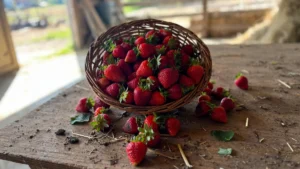
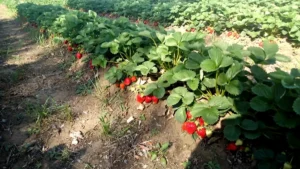
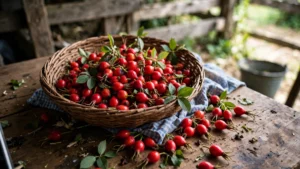
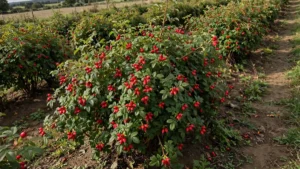
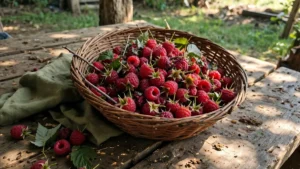
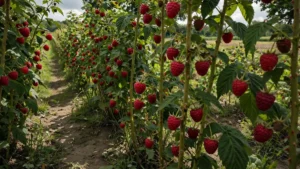
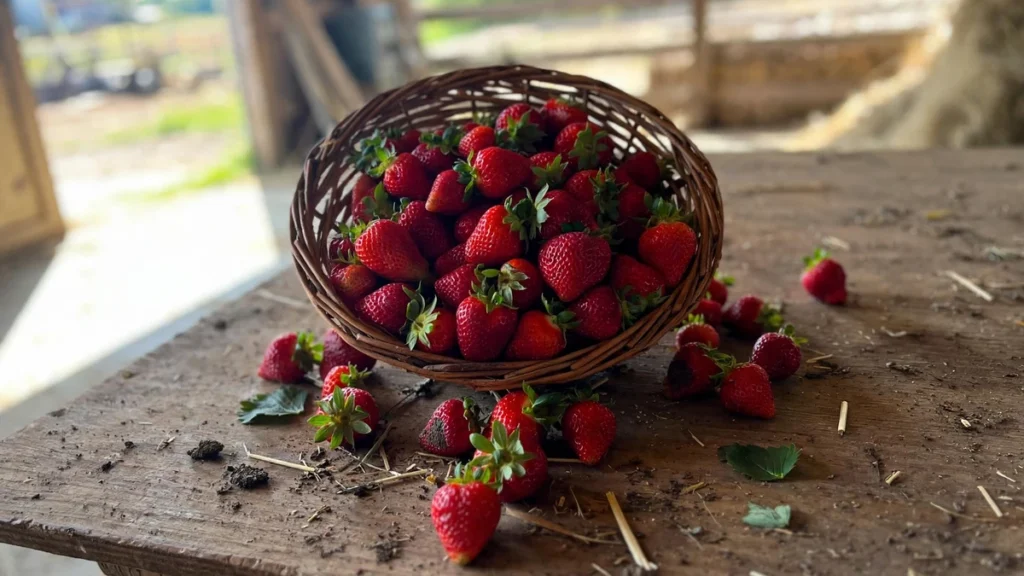
A strawberry farm escape is a stay on a working farm where the berries are the main crop and the guests take part in the day. The day starts in the beds, where low plants in straw-edged rows hold fruit that is picked the morning it is eaten, and the kitchen works from those same baskets, hulling the berries for tarts, jam and cream teas before the afternoon is out.
The rhythm of the day is set by the fruit, not by the guests. Picking happens in the cool morning, hulling and jamming fill the middle of the day, and the evening meal uses whatever the kitchen made from the morning’s baskets. Guests who rise with the crew get the best of the farm; guests who sleep in get the leftovers, and the jam table is already full by then.
Most stays last three nights, which is enough to learn the rows, cook with the harvest and visit the local market once. Shorter visits feel hurried, and longer ones repeat the same jobs. The sections below take you through the nine steps in the order that saves the most trouble.
Planning it, and the questions to ask first
Planning a strawberry escape starts with three questions. First, when the berries come down and whether guests may pick their own. Second, whether the kitchen can serve a full gluten-free menu, since strawberry puddings often sit beside wheat cakes and shortbread. Third, what the room rate holds — some farms fold in all meals and picking sessions, while others charge for them apart.
Ask those questions in your first message, before you look at flights or rooms. A farm that answers plainly and in writing is a farm that takes guests seriously; a farm that dodges the questions will dodge them again at check-in. The steps below build on those answers. Rambutan farm escapes run on the same pattern of working-farm stays, and the questions that matter there are the same ones to ask here.
The 9 steps to plan a strawberry farm escape
Buy your first punnet at the market
Before you book anything, eat strawberries for a week. Buy a punnet from a market stall, eat them plain, then with cream, then as jam on toast. You will learn the sweet, floral balance that defines the berry, and you will arrive at the farm knowing what the plants are for rather than guessing. What to Do: Buy strawberries from a market stall and taste them plain, then with cream. What to Avoid: Judging the berry from a single sweetened milkshake, which hides the flavour. Best For: First-time visitors who have never eaten a sun-warm strawberry. Time Needed: Seven evenings of tasting. Standout Tip: Taste one berry plain first, so you know what the farm truly grows.
Let the harvest set your travel dates
Cheap flights are tempting, but they mean nothing if the berries are still white at the tip. The harvest runs from late May to early July in Europe, with June the peak, and the exact weeks shift with the rains. Find out each farm’s picking dates, then choose flights that land the day before the picking starts. What to Do: Ask two farms for their picking weeks in writing before you look at flights. What to Avoid: Paying for a flight you cannot change before the farm confirms its picking dates for the year. Best For: Travellers whose plans can bend. Time Needed: Two weeks of messages ahead of booking. Standout Tip: Aim for the middle of the window, when the berries taste sweetest.
Let the jam choose your region for you
Every region cooks strawberries differently: Brittany leans rich and buttery, Andalusia leans bright and fresh, California leans light and modern. The photos all look alike — low beds, red fruit, straw paths — but the food does not. Choose the region whose cooking you would happily eat for three days running. What to Do: Look up a few recipes from each region before you pick one. What to Avoid: Choosing a stay for its cottage photos when its kitchen is an afterthought. Best For: Food lovers who put lunch ahead of the room. Time Needed: A single evening of reading and tasting. Standout Tip: If you love cream teas, choose Kent; if you love bright salads, choose Huelva.
Check the picking rules before you pay anything
Some farms welcome guests into the rows with a punnet; others keep visitors on the veranda and call it a farm experience. The difference is everything. Ask plainly whether guests can pick berries, use the hulling trays, and sit at the jam table, and ask what time the crew starts. What to Do: Ask what time the crew starts and whether guests can join. What to Avoid: Handing over a deposit while the farm still owes you an answer about picking. Best For: Guests who want real farm work instead of a photo stop. Time Needed: A single message, answered before you pay. Standout Tip: A farm that gives its crew start time is serious.
Spot a ripe berry by its colour all over
A ripe strawberry is red all the way to the tip, and comes away from the stem with a gentle pull. A white-tipped berry is firm and tart, and stays on the plant no matter how you tug. The crew will show you on your first morning, but knowing the signs ahead of time means you pick well from day one. A white tip is easy to spot once you know to look for it. What to Do: Study photos of ripe and white-tipped berries before the trip. What to Avoid: Pulling down white-tipped berries, which never sweeten off the plant. Best For: Guests who would rather lend a hand than stand and watch. Time Needed: Thirty minutes of reading before you set off. Standout Tip: Tug softly; a ripe berry lets go with almost no effort.
Mention wheat to the farm kitchen up front
Strawberries are naturally gluten-free, but the table they sit on is not. Farm kitchens bake wheat cakes, tarts and shortbread alongside the berry dishes, and cross-contact is common in a small rural kitchen. Tell the farm about the allergy in your very first note, and ask for a written outline of your meals. What to Do: Name the allergy clearly and ask the farm for a written menu plan. What to Avoid: Mentioning it only at check-in, once the kitchen has already baked. Best For: Coeliac guests and anyone who avoids wheat. Time Needed: Ten minutes writing your first note. Standout Tip: Ask the farm to bake your puddings in a separate tin.
Packing for the rows on a hot morning
The rows are warm, dusty and uneven underfoot, and the mornings are long. Soft shoes protect against dry straw and stones, a sun hat guards against the midday glare, and a light rain layer matters more than any other single item. A small cloth bag keeps the berries you pick yourself from bruising. What to Do: Pack soft shoes, a wide sun hat, a rain layer and a cloth bag for the rows. What to Avoid: Hard boots in the rows, where the straw paths turn slippery after rain. Best For: Anyone spending the morning out in the rows. Time Needed: One evening packing before departure. Standout Tip: Keep a small cloth bag handy for the berries you pick yourself.
Join the farm cook at the morning market
The best cooking lesson on a strawberry farm is not in the kitchen but at the market, where the cook buys cream, herbs and spices for the day’s meals. Go along, watch what the cook picks, and ask why. You will learn more about the region’s food in two hours at the stalls than in a week of eating anywhere else. What to Do: Ask the cook if you can join the early market run. What to Avoid: Staying in bed while the market run leaves at dawn. Best For: Curious cooks who like an early start. Time Needed: A single early morning. Standout Tip: Buy strawberry jam at the market, where it costs half the farm-shop price.
Take home jam jars, not fresh punnets
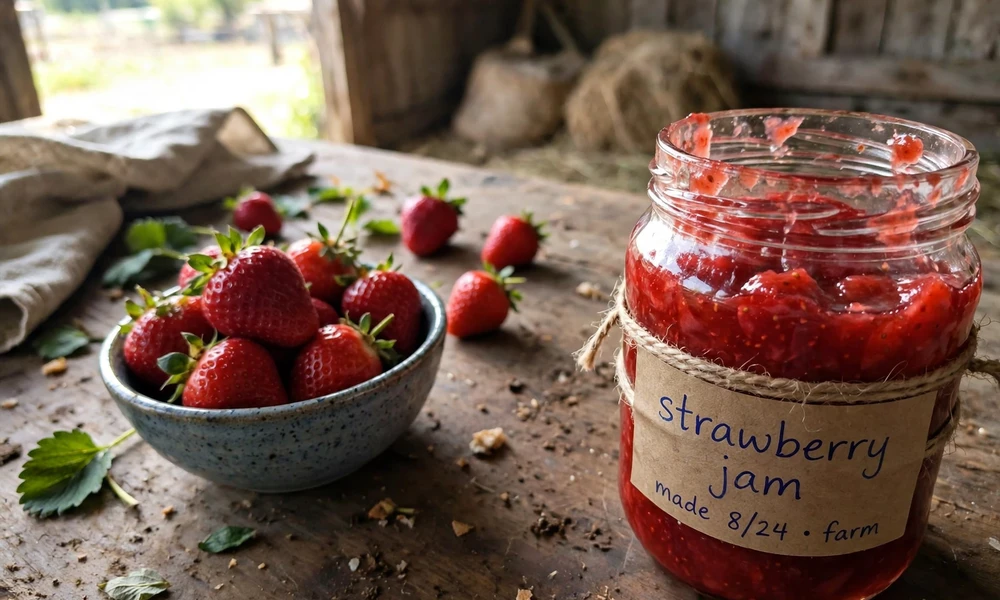
Fresh berries look charming in a punnet, but they spoil within a day in a hot suitcase and often go soft before you get home. Jam in sealed jars keeps for months in a cool cupboard, and dried berries travel better than fresh ones and taste far closer to the harvest. Buy them at the farm shop on your final morning, not at the airport as you leave. What to Do: Buy sealed jars of jam at the farm shop. What to Avoid: Packing fresh berries, which sweat and spoil in a suitcase. Best For: Travellers who want the harvest to last for months. Time Needed: Fifteen minutes on your final morning. Standout Tip: Cushion the jars in cloth so they ride out the flight home.
Choosing the season and the region
The season calls the shots on this trip. In Europe the flush runs from late May to early July, with June the peak; in coastal California it runs from March to June, with April the sweetest month. Andalusia is the outlier, with winter berries under the southern sun, and it suits travellers who cannot wait for spring. Wherever you go, the same rule holds: the berries will not wait for you.
For a first trip, start in Brittany or Kent, where the picking culture is oldest and the kitchens have cooked with strawberries for generations. For a second trip, try Piedmont or Skåne, where the light is longer and the harvest slower. Mangosteen farm escapes follow a similar tropical-fruit rhythm for travellers who want to compare two harvests on one journey. Watsonville suits comfort seekers, and Huelva suits anyone chasing the sun in winter.
The caveats that matter
A strawberry trip has few real dangers, but the fruit itself sets the traps. Berries taken white at the tip stay tart for good, so a farm that starts early is cutting corners. The fruit bruises at a touch, and the plants sit low, so the work is done on your knees rather than on a ladder.
| Detail | What is known |
|---|---|
| Best harvest window | Late May to early July across Europe; March to June on the Californian coast |
| Fruit ripeness test | Red to the tip and soft, coming away with a gentle pull |
| Gluten status | Berries carry no gluten, though farm kitchens bake wheat cakes beside them |
| Guest picking | Open at the farms in this guide, with punnets and hulling trays from the crew |
| Bruising | Soft fruit, so a squeezed punnet spoils the berries underneath |
| Fresh berries | Last a day at most, so the kitchen uses them the morning they are picked |
| Rain risk | Rain rots the fruit fast, so a wet harvest week can end the picking early |
| What to bring home | Sealed jars of jam, or dried berries from the farm shop |
Checklist: before you book a strawberry farm escape
- Get the picking weeks in writing from the farm before you pay.
- Name any wheat or gluten allergy in your first note, and ask what the kitchen plans to cook.
- Find out whether meals and picking sessions sit inside the room rate.
- Pack soft shoes, a sun hat, a rain layer, and a cloth bag for the berries.
- Carry notes for the farm shop, since most strawberry farms take cash only.
- Keep a morning free for the local market, where strawberry jam costs least.
Frequently asked questions
In which months do strawberries ripen?
The flush runs from late May to early July across Europe, with June the peak, and from March to June on the Californian coast. A berry is ready when it is red all the way to the tip and comes away with a gentle pull. A farm that starts picking while the berries are still white at the tip is harvesting too early.
Can guests join the harvest crew for picking?
Yes, at the farms in this guide. Guests pick by hand with a punnet, and the crew shows newcomers how to tell a ripe berry from a white-tipped one. The plants are low, so guests kneel in the rows, and the berries bruise easily.
Can strawberry farms feed gluten-free guests?
The berries themselves carry no gluten. The danger is the kitchen, where wheat cakes, tarts and shortbread share the same counter. Warn the farm about the allergy before you arrive and ask for a written menu.
How do I recognise a ripe strawberry?
A ripe berry is red all the way to the tip, soft to the touch, and comes away with a gentle pull. White-tipped berries are sharp and watery, with flesh that stays firm. Breton berries taste the sweetest of all, while hillside berries stay a touch tarter.
Which region suits a first strawberry trip?
Brittany or Kent, where the picking culture is oldest and the kitchens have cooked with strawberries for generations. Both regions suit first-time visitors who want gentle rows, plain farm food and a kitchen that welcomes guests.
What is worth carrying home from a strawberry farm?
Sealed jars of jam, or dried berries from the farm shop. Either one carries the harvest home better than anything else. Fresh berries are best left behind, since they spoil fast in a hot suitcase. Guava farm escapes are a fine second stop for travellers building a fruit pantry from farm visits.
The bottom line
A strawberry trip rewards the traveller who books around the harvest rather than the flight board. Find the right weeks, pick a farm that lets you into the rows instead of keeping you on the veranda, and tell the kitchen about your allergies before you arrive. The berry does the rest — sweet, red and warm from the sun, straight off the plant.
If you take one stay from this guide, let its harvest weeks match your dates rather than its photographs. A plain farmhouse in Brittany in picking week gives you more than a luxury lodge in California outside it. The plant sets the calendar, and the best trips follow its lead.