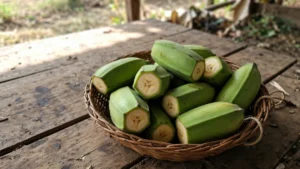
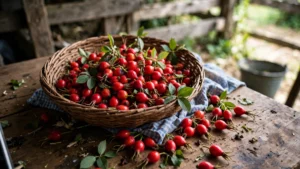
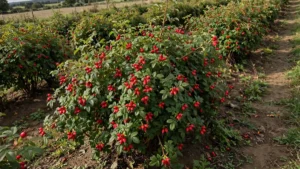
Plantain is the banana’s starchy cousin, a long green fruit that no one eats raw. Pick it green and it fries crisp into tostones and chips; let it turn yellow and it softens into maduros; wait until the skin is nearly black and it cooks down sweet. The flesh is firm, pale and filling, and in the Caribbean and West Africa it is daily food — fried at breakfast, boiled at lunch, pounded into fufu at dinner. A banana is a snack; a plantain is a meal.
A plantain farm retreat is a working farm stay built around the frying pan. Guests sleep in a farmhouse at the edge of the rows and spend the day learning how a fruit that feeds whole towns is handled: how to tell by skin colour what a plantain is for, how to peel it without the sticky sap coating your hands, and how the kitchen turns one bunch into chips, tostones, kelewele and flour. The cooking comes first and the sightseeing second.
These nine stays run from the fishing villages of St. Lucia to the markets of Benin, with room rates from $65–$95 a night to $345–$380 at the top. Each one is a working farm before it is a guesthouse, so the harvest calendar matters more than the flight board.
Key takeaways
- Plantain is picked green for frying and yellow-black for sweet dishes — it is never eaten raw.
- The harvest runs most of the year in the tropics, heaviest after the rains, so picking weeks matter more than cheap flights.
- Green plantain fries into tostones and chips; ripe plantain goes sweet as maduros; dried green plantain keeps as flour.
- The flesh is naturally gluten-free, but farm kitchens dust with wheat flour and fry in shared oil — tell the farm in writing.
- Plantain is not banana — bigger, firmer and far starchier — and guests with banana or latex allergies should ask the farm first.
What a plantain farm retreat actually is
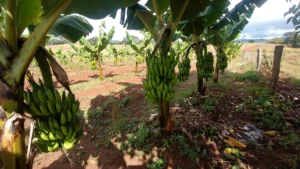
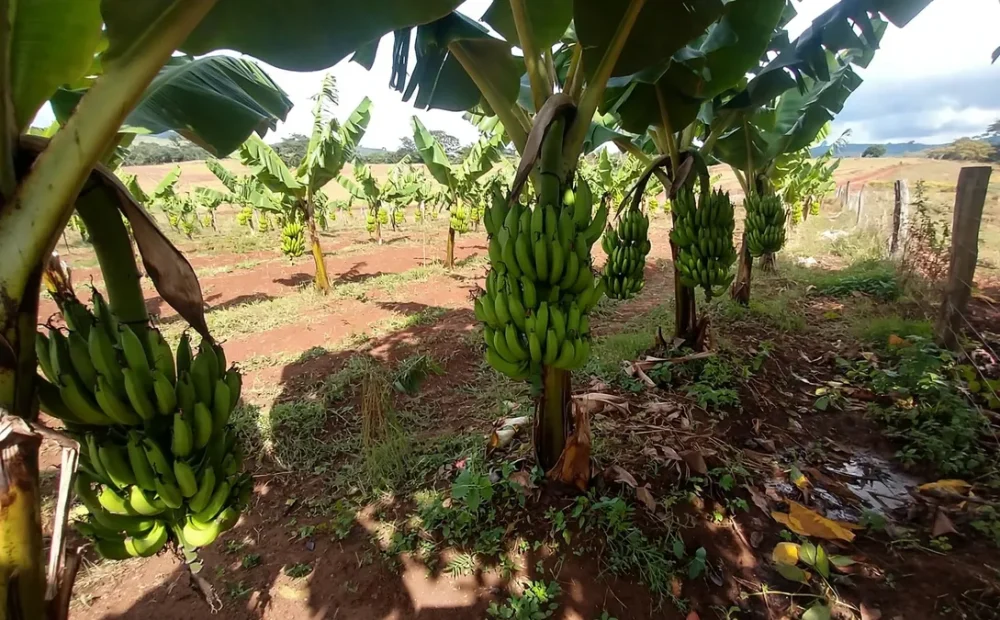
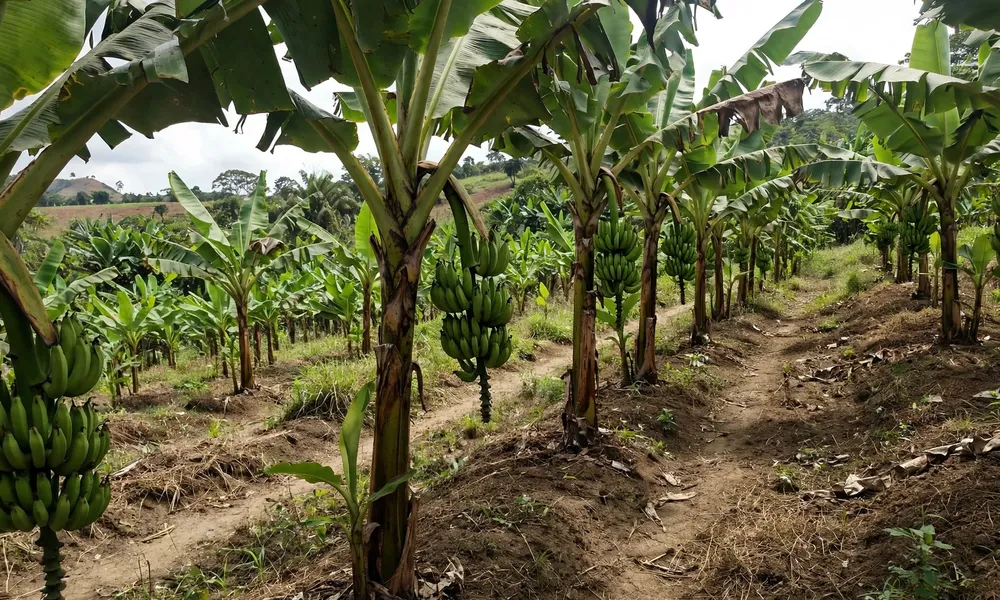
A plantain plant is a tall, soft-stemmed giant with huge leaves that tear in the wind, and a single bunch can weigh twenty kilograms. The fruit hangs in hands down the stalk, green and angular when young, and the farm cuts the whole bunch with a machete when the fingers are full. The sap runs milky and sticks to skin, clothes and blades, so the farm hands out gloves and oil.
The cooking is the point of the stay. Green plantain is peeled, sliced and fried twice for tostones; yellow plantain is fried once until the edges caramelise; ripe plantain is pounded with garlic into mofongo or spiced as kelewele. Many farms also dry green plantain and grind it into flour, which carries the crop through the dry months. This is a farm kitchen with guest rooms attached, not a resort with a fruit theme.
How we picked these stays, and what to ask first
We looked for farms where plantain is a real crop, not a decoration: rows in production, a kitchen that fries the fruit daily, and guests who can join the picking and the cooking. Each stay below has working fields, rooms on the farm itself, and a host who can name the picking weeks.
Ask three things before you pay: which weeks the farm cuts bunches, whether guests can join the frying, and what the kitchen will cook for a gluten-free guest. To see how a tropical fruit stay is run, the jackfruit farm retreats follow the same shape — working orchards, harvest calendars and a kitchen at the centre of the stay.
The 9 best luxury plantain farm retreats of 2027
Gros Islet, St. Lucia — Plantain from the Roadside Fryer
Gros Islet is St. Lucia’s fishing town, and this farm sits on the hill above the Friday market, where plantain is fried at every stall. The rows run down to the road, the fruit is cut green and firm, and the kitchen fries tostones twice a day — once for lunch, once for the evening crowd. The rooms are timber cabins with wide verandas.
What We Like: The fryer runs daily, the fruit is cut in front of guests, and the rooms sit inside the rows.
What to Consider: The rooms are simple, the rain is frequent, and the farm keeps five guest cabins.
Best For: A first plantain trip that starts at the frying pan.
Style: Timber cabins in working rows with a twice-daily fryer.
Price Range: $65–$95 a night for two, breakfast and a walk through the rows included.
Standout Feature: The roadside fryer, where guests fry their own tostones.
St. George’s, Grenada — Plantain on the Spice Island
Grenada is the spice island, and this farm above St. George’s grows plantain beside nutmeg and cocoa. The fruit is picked green for the fryer and yellow for the sweet dishes, and the kitchen seasons everything with the island’s own spice. The guest rooms look over the harbour.
What We Like: The harbour view, and a spiced plantain lunch cooked in front of guests.
What to Consider: The hill road is steep, the afternoons are humid, and the farm has just four rooms.
Best For: A green, spiced island stay with serious cooking.
Style: Hillside lodge with a covered outdoor kitchen and spice garden.
Price Range: $95–$125 a night for two, breakfast and the morning cutting included.
Standout Feature: The plantain flour, dried and ground on the farm and sold by the bag.
Ocho Rios, Jamaica — Plantain by the River Falls
Ocho Rios is Jamaica’s north-coast resort town, and this farm sits inland above the river falls, where plantain grows fast in the rain. The fruit is cut green for festival and chips, and the kitchen fries it beside jerk chicken most evenings. The guest rooms are stone cottages among the rows.
What We Like: The river walk, and a jerk-and-plantain supper cooked in front of guests.
What to Consider: The road in is unpaved, the rain falls most afternoons, and the farm keeps six cottages.
Best For: A rainy mountain stay with a proper Jamaican kitchen.
Style: Stone cottages in working rows with a covered frying kitchen.
Price Range: $125–$155 a night for two, breakfast and the river walk included.
Standout Feature: The festival fry-up, where guests cook beside the farm’s chef.
Puerto Plata, Dominican Republic — Plantain on the North Coast
Puerto Plata is the Dominican Republic’s north-coast port, and this farm sits on the hills behind the town, where plantain is the crop that pays the bills. The fruit is cut green for tostones and yellow for maduros, and the kitchen fries both at every meal. The guest rooms are whitewashed houses with tin roofs.
What We Like: The Sunday mofongo, the fruit cut in front of guests, and the rooms inside the rows.
What to Consider: The rooms are plain, the town is a drive away, and the farm keeps five guest houses.
Best For: A working farm stay with a proper Dominican kitchen.
Style: Whitewashed houses in working rows with a Sunday mofongo table.
Price Range: $155–$185 a night for two, breakfast and the farm tour included.
Standout Feature: The Sunday mofongo, pounded by guests in the farm’s own mortar.
San Juan, Puerto Rico — Plantain in the Old City Hills
San Juan is Puerto Rico’s old city, and this farm sits in the hills behind it, where plantain has grown since the Spanish brought it across the sea. The fruit is cut green for tostones and yellow for amarillos, and the kitchen fries both beside pork and rice. The guest rooms are a converted farmhouse with a wide porch.
What We Like: The double fry, and a mofongo supper cooked in front of guests.
What to Consider: The hill road is narrow, the city is a drive away, and the farm has just four rooms.
Best For: A historic island stay with a serious frying kitchen.
Style: Converted farmhouse in working rows with a double-fry kitchen.
Price Range: $185–$215 a night for two, breakfast and the cutting session included.
Standout Feature: The double fry, taught by the farm’s cook at her own stove.
Accra, Ghana — Plantain in the Coastal Markets
Accra is Ghana’s coastal capital, and this farm sits an hour inland, where plantain feeds the city. The fruit is cut green for kelewele and chips, and the kitchen fries it with ginger, chilli and groundnut. The guest rooms are mud-brick houses with tin roofs.
What We Like: The afternoon kelewele, the fruit cut in front of guests, and the rooms inside the rows.
What to Consider: The heat is heavy, the road is dusty, and the farm keeps six guest houses.
Best For: A West African market stay with a proper frying kitchen.
Style: Mud-brick houses in working rows with an afternoon kelewele fryer.
Price Range: $215–$245 a night for two, breakfast and the market trip included.
Standout Feature: The kelewele fry-up, spiced with the farm’s own ginger and chilli.
Kumasi, Ghana — Plantain and Fufu in the Red Soil
Kumasi is the Ashanti capital, and this farm sits in the hills around it, where plantain grows in the red soil. The fruit is cut green for fufu and chips, and the kitchen pounds it with cassava for the evening meal. The guest rooms are timber houses among the rows.
What We Like: The fufu pounding, and a groundnut stew supper cooked in front of guests.
What to Consider: The road in is rough, the rain falls most evenings, and the farm has just five rooms.
Best For: A forest stay with a proper Ashanti kitchen.
Style: Timber houses in working rows with an evening pounding kitchen.
Price Range: $245–$275 a night for two, breakfast and the pounding session included.
Standout Feature: The fufu pounding, where guests work the mortar beside the farm’s cook.
Lagos, Nigeria — Plantain at the Edge of the Lagoon
Lagos is Nigeria’s lagoon city, and this farm sits on the mainland edge, where plantain is fried at every street corner. The fruit is cut green for dodo and chips, and the kitchen fries it with peppers and onions. The guest rooms are a modern farmhouse with a wide terrace.
What We Like: The lagoon terrace, and a dodo lunch cooked in front of guests.
What to Consider: The city is close and noisy, the traffic is heavy, and the farm keeps eight rooms.
Best For: A city-edge farm stay with a proper Nigerian kitchen.
Style: Modern farmhouse in working rows with a lagoon terrace.
Price Range: $275–$310 a night for two, breakfast and the lagoon walk included.
Standout Feature: The dodo fry-up, where guests cook beside the farm’s chef.
Cotonou, Benin — Plantain in the Fon Country
Cotonou is Benin’s port city, and this farm sits inland in the Fon country, where plantain grows beside yam and cassava. The fruit is cut green for aloco and chips, and the kitchen fries it with onions and chilli. The guest rooms are a stone lodge with a wide courtyard.
What We Like: The courtyard suppers, and an aloco lunch cooked in front of guests.
What to Consider: The heat is heavy, the road is dusty, and the farm keeps just three rooms.
Best For: A quiet West African stay with a proper Fon kitchen.
Style: Stone lodge in working rows with a courtyard frying kitchen.
Price Range: $345–$380 a night for two, breakfast, the market trip and the frying class included.
Standout Feature: The aloco class, taught by the farm’s cook in her own courtyard.
Which plantain region fits your trip
For a first trip, choose St. Lucia or Grenada. St. Lucia fries at the roadside every day, and Grenada adds spice to everything the kitchen cooks. For a beach as well as a farm, Ocho Rios and Puerto Plata are the picks. For the deepest cooking, Ghana and Nigeria are the ones — kelewele, fufu and dodo are dishes you will not find done properly anywhere else. And for quiet, Cotonou’s stone lodge stands alone.
The Caribbean season runs all year, with the heaviest cutting from May to November. West Africa cuts all year too, heaviest after the rains from April to September. If you want the frying at its busiest, travel in the heavy months; if you want the farm to yourself, travel in the quiet ones. The banana farm retreats share the same islands and the same calendar, but the cooking is different — banana is eaten raw, plantain is always cooked, and that changes the whole stay.
The caveats that matter
Plantain is a safe, filling food, but a farm stay has its own edges. The fruit is never eaten raw, the sap stains everything it touches, and the frying oil is hot. Read the table below before you book, and ask the farm about anything that worries you.
| Detail | What is known |
|---|---|
| Never raw | Plantain must be cooked before eating; raw flesh is hard, starchy and indigestible. |
| Ripe test | Green means fry it; yellow means fry it sweet; nearly black means it is at its sweetest. |
| Sap | The milky sap sticks to skin and cloth; farms hand out gloves and oil. |
| Gluten | The flesh has no gluten, but kitchens dust with wheat flour and fry in shared oil — tell the farm in writing. |
| Allergies | Plantain is a banana cousin; guests with banana or latex allergies should ask the farm first. |
| Weight | One bunch commonly weighs 10 to 20 kilograms, so cutting uses a machete and two hands. |
| Flour | Dried and ground green plantain keeps for months as flour. |
| Harvest | Cutting runs most of the year in the tropics, heaviest after the rains. |
Checklist: booking a plantain farm stay honestly
- Ask which weeks the farm cuts bunches, and book flights that land a day before cutting starts.
- Ask whether guests can join the frying, and what the session costs.
- Put any wheat allergy in your first message, in writing, before you pay.
- Pack clothes you can stain, sturdy shoes for the rows, and gloves for the cutting table.
- Keep notes handy for the farm shop and the town market.
- Buy flour and chips at the farm shop, and leave fresh fruit on the farm.
Frequently asked questions
When does plantain ripen?
Plantain is cut all year in the tropics, heaviest after the rains — May to November in the Caribbean, April to September in West Africa. The farm cuts green fruit for frying and lets some bunches turn yellow and black.
Can guests help cut plantain?
Yes, on most farms, if you ask first. The cutting uses a machete and the bunch is heavy, so the farm shows you how to hold it and provides gloves for the sap. Some farms keep the harvest to staff during the busiest weeks.
Is plantain safe for gluten-free guests?
The flesh has no gluten, but the kitchen is the risk. Farm kitchens dust with wheat flour and fry in shared oil, so put the allergy in your first message and ask what the kitchen will cook for you.
What does plantain taste like?
Green plantain tastes starchy and mild, like a potato. Yellow plantain turns sweet when fried, and nearly black plantain cooks down soft and honeyed. It never tastes like a banana, which is a different, sweeter fruit.
How long should a plantain farm stay last?
Three to four nights works best. One night is too short to learn the frying, and a week is a long time in a farmhouse. Four nights gives you two cutting mornings and two frying evenings.
What should I carry home from a plantain farm?
Flour and chips. Dried and ground green plantain keeps for months as flour, and the chips survive a flight in a sealed bag. Fresh plantain bruises easily and ripens fast, so leave it on the farm.
The bottom line
A plantain farm retreat is a working farm stay built around the frying pan, and it suits travellers who cook at home and want to learn a food properly. The fruit is cheap, filling and endlessly useful, the kitchens are honest, and the farms are small enough that the host knows your name by the second morning. Pick a region for its cooking — tostones in the Caribbean, kelewele in Ghana, dodo in Nigeria — and the rest of the trip follows.
Book the cutting weeks first, put any wheat allergy in writing, and pack clothes you can stain. The breadfruit farm retreats run on the same island logic, and several of these farms grow breadfruit beside their plantain — but plantain is the one that teaches you to fry, and that is a skill worth travelling for.