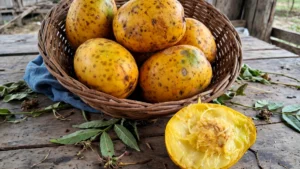
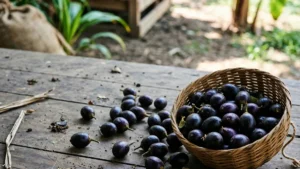
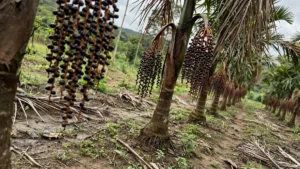
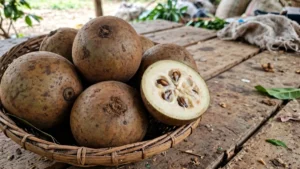
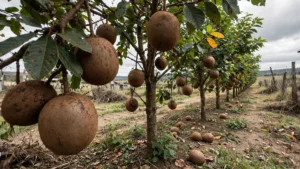
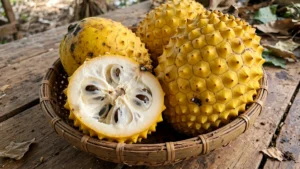
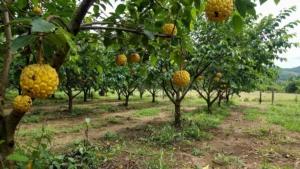
Ambarella is not a fruit most travellers can name before they arrive in Brazil, and that is exactly what makes a farm stay built around it so rewarding. The fruit hangs in loose golden clusters, tart enough to wake you up and sweet enough to keep you reaching for another, and the farms that grow it tend to be small, family-run places where the harvest still decides the shape of the day. A luxury ambarella retreat is not a resort with a fruit theme painted on; it is a working orchard with good rooms, a kitchen that knows what to do with a sour-sweet harvest, and hosts who can tell a ripe caja-manga from one that needs another week.
The best of these stays sit across Brazil, from orchards an hour outside São Paulo to river plots near Belém and Manaus, and each one leans on the fruit differently. Some press it into bright juice at breakfast, some pickle the firm green fruit, and some simply let you walk the rows with a basket and eat what you pick. What they share is a slower pace: mornings in the orchard, long lunches, and afternoons in the shade.
This list gathers nine stays chosen for the orchard, the food and the care taken with guests, with prices from modest farmhouse rooms to full-service retreats.
Key takeaways
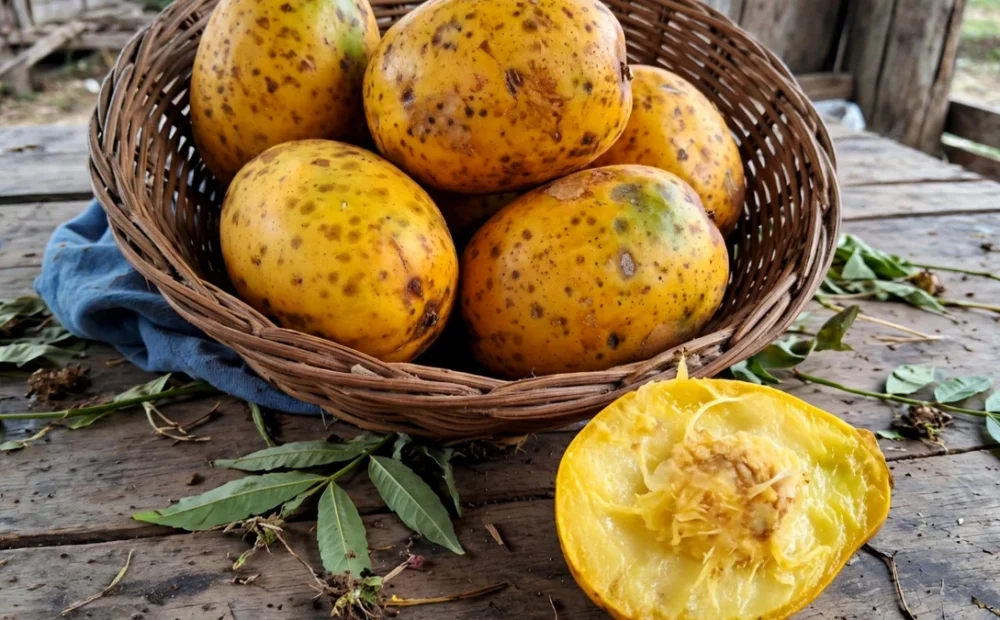
- Ambarella, also called caja-manga, is a golden plum-like fruit with a tart-sweet bite, pressed into juice or pickled while still firm.
- The harvest peaks in the warm rainy months, roughly December to April, when the fruit colours up and softens.
- Farm stays range from simple orchard rooms near São Paulo to river lodges around Belém and Manaus, with most nights between $70 and $230.
- Pick a farm that grows its own fruit and presses or pickles it on site, so the tasting is the real harvest rather than a bought-in display.
- Ambarella itself is naturally gluten-free, but farm kitchens cook with wheat breads, sauces and fried snacks, so send your wheat note in writing before you arrive and confirm what will be served instead.
What an ambarella farm retreat actually is
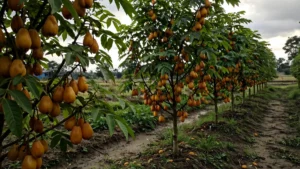
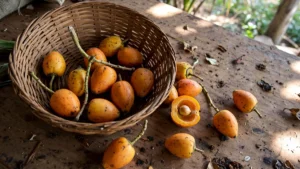
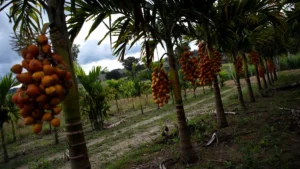
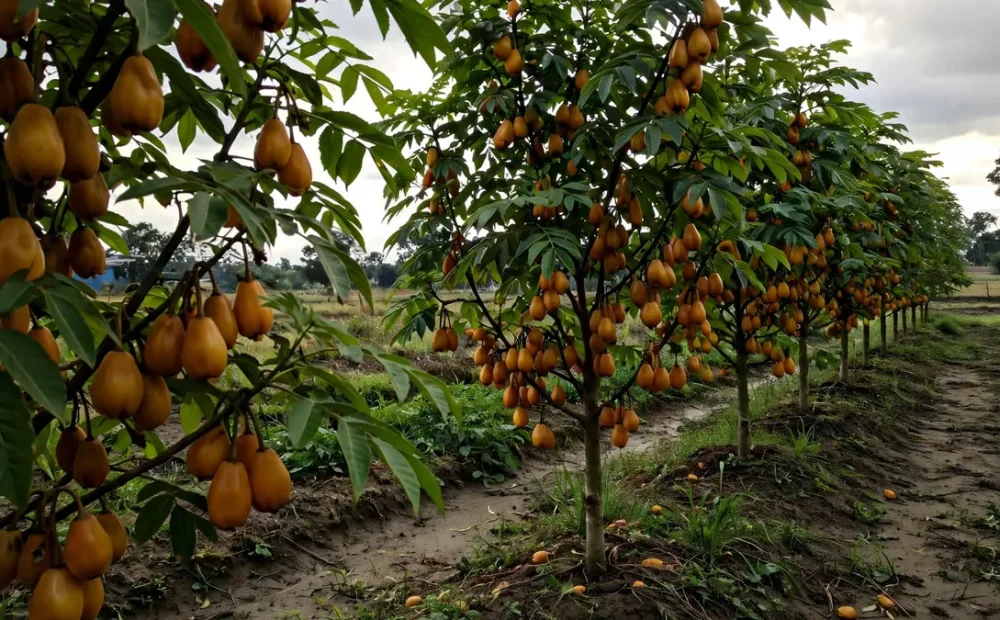
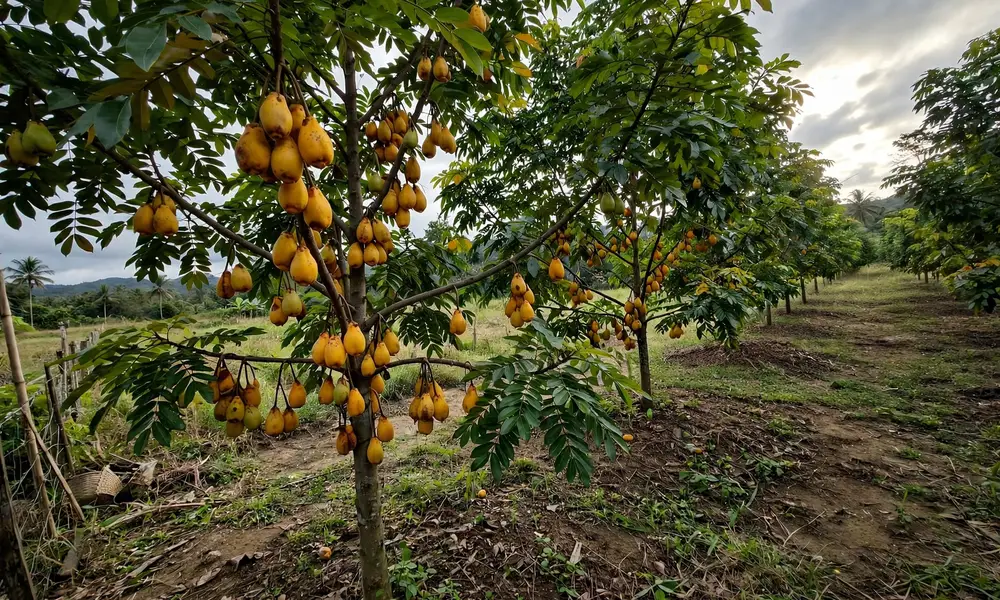
An ambarella farm retreat is a working orchard that takes guests, built around the Spondias dulcis tree and the short season when its fruit ripens. The trees are medium-sized, with spreading crowns and clusters of oval fruit that turn from green to gold, and the farms on this list grow them in neat rows you can walk between. Days run on the orchard’s rhythm: picking in the cool morning, a tasting or a pickling session before lunch, and a long afternoon in the shade.
What sets these stays apart from a generic countryside hotel is how much of the trip happens in the orchard itself. You learn to judge ripeness by colour and by how easily the fruit comes away, you watch juice pressed from the softest fruit, and you taste the green fruit pickled with chilli and vinegar that evening.
Ambarella is a different species from cajá, even though the two share a family name and a similar shape. Cajá is Spondias mombin, a smaller, sharper fruit of the Amazon and the coast, while ambarella is Spondias dulcis, a larger golden fruit grown in orchards across Brazil. It is different again from umbu, Spondias tuberosa, the small green-yellow fruit of the caatinga. Knowing the three apart matters, because the farms below grow ambarella on purpose, and the flavours on the plate follow from that choice.
How we chose these retreats and what to look for
We started with the orchard, not the bedroom. A retreat made this list only if it grows its own ambarella in real quantity, harvests it during your stay, and turns it into something you can taste — juice, pickles, a dessert, a sauce for grilled fish. A farm that buys its fruit in from a market did not make the cut, and neither did a guesthouse with a single ornamental tree by the gate.
Next we looked at the people running the place. The farms here are worked by families or small crews who know their trees by row, and the best of them put you with someone who picks for a living, not a host reading a script. Small groups matter too: when the picking party is six people rather than twenty, you get to ask questions, you get to choose your own fruit, and the tasting does not run out before it reaches you.
Rooms and food came next, judged the way a guest would. A good retreat sleeps you well, feeds you from its own kitchen, and tells you the price of the walk, the tasting, the meals and the transfers before you pay. The cajá farm retreats we covered earlier set the bar here: honest pricing, small groups, and fruit that comes from the farm’s own trees.
Finally, we weighed the setting. Some of these farms sit near big cities and suit a long weekend, while others sit on rivers in the Amazon and suit a slower trip. What matters is that the farm is honest about where it is, how long the journey takes, and what the season will give you.
The 9 best luxury ambarella farm retreats of 2027
São Paulo — Orchard Rows and a Pickling Kitchen Near the City
What we like: An orchard an hour outside the city where the morning pick ends at a pickling table, and the green fruit goes into jars with chilli and vinegar. What to consider: The farm is popular on weekends, so the picking groups are bigger on Saturdays. Best for: A first ambarella trip that fits inside a long weekend. Style: Bright, busy, close to the city. Price range: $85–$130 per night. Standout feature: The pickling session, with jars to take home.
The rows run close to the farmhouse, so you are under the trees minutes after breakfast.
Rio de Janeiro — Coastal Hills and Golden Fruit at First Light
What we like: A hillside orchard above the coast where the fruit colours early and the tasting happens on a terrace with the sea beyond. What to consider: The hill road is steep and narrow, and guests are asked to arrive before dark. Best for: Travellers who want orchard mornings and a beach afternoon. Style: Airy, coastal, unhurried. Price range: $120–$175 per night. Standout feature: Juice pressed from the morning pick, served still cold.
Picking starts at first light, and the rest of the day is yours, between orchard and shore.
Recife — Cane Country and a Slow Afternoon with the Harvest
What we like: A farm among the cane fields where the ambarella trees shade the yard, and the hosts cook the fruit into a sharp sauce for fish. What to consider: The farm is a fair drive from the airport, and the road floods after heavy rain. Best for: Food lovers who want the fruit on the plate, not just in the basket. Style: Warm, generous, old-fashioned. Price range: $70–$110 per night. Standout feature: The ambarella sauce, made fresh each day.
Lunch is the main event, served at one long table under the trees.
Salvador — Bahian Gardens and Juice Pressed in the Shade
What we like: A garden farm on the edge of Salvador where the juice press runs under a mango tree and the fruit is served with tapioca. What to consider: The garden is small, so the picking walk is short and the farm suits a relaxed stay. Best for: A gentle introduction to the fruit, close to the city. Style: Leafy, calm, Bahian. Price range: $95–$145 per night. Standout feature: Fresh juice with tapioca, every morning.
The trees grow low enough to pick without a ladder, which makes the morning walk easy for everyone.
Fortaleza — Dry Coast Groves and a Table Full of Pickles
What we like: A dry-coast grove where the fruit ripens fast in the sun and the kitchen keeps a shelf of pickles, chutneys and preserves. What to consider: The coast is hot by midday, so the orchard work happens early and the afternoons are for shade. Best for: Travellers who like bold, sour flavours and strong sun. Style: Sunny, simple, coastal. Price range: $80–$120 per night. Standout feature: A tasting shelf of pickles and chutneys from the farm’s own jars.
The groves are tidy, the fruit comes off easily, and the preserves make the best souvenir of the list.
Belo Horizonte — Mountain Orchards and a Slow Start to the Season
What we like: A highland orchard where the season opens with a crate of the first ripe fruit, and the hosts walk you through the rows. What to consider: Nights in the hills are cool, and the rooms have fans rather than air conditioning. Best for: Travellers who want to understand the tree, not just taste the fruit. Style: Quiet, thoughtful, hillside. Price range: $110–$160 per night. Standout feature: A guided walk through the orchard, tree by tree.
The altitude keeps the fruit firm longer, the mornings are misty, and the kitchen turns the ripest fruit into a golden dessert.
Goiânia — Cerrado Orchards and a Kitchen That Keeps the Fruit
What we like: A cerrado farm where the orchard sits beside the vegetable garden, and the kitchen preserves the harvest in jars that last the year. What to consider: The farm is working land first and a retreat second, so the days start early and the pace is set by the farm. Best for: Travellers who want a real working farm, not a staged one. Style: Practical, open, farmhouse. Price range: $90–$135 per night. Standout feature: Preserves made on the farm, sold only to guests.
Breakfast comes from the garden, lunch from the orchard, and the evening is for the veranda.
Belém — River Orchards and the Ripest Fruit of the Trip
What we like: A river orchard reached by boat, where the ambarella grows big and soft, and the tasting includes fruit no city market sells. What to consider: The journey takes most of a day, and there is no phone signal, so plan the return trip before you arrive. Best for: Travellers who want the Amazon without the crowds. Style: Remote, riverine, slow. Price range: $140–$195 per night. Standout feature: Fruit picked ripe from the tree and eaten within the hour.
The river sets the timetable, the orchard backs onto the water, and the fruit tastes different when it has never seen a truck.
Manaus — Forest Edge and a Tasting Under the Canopy
What we like: A forest-edge farm where the orchard meets the jungle, and the tasting happens under the canopy with fruit, juice and pickles side by side. What to consider: The forest is humid and the insects are serious, so long sleeves and repellent are essential. Best for: Adventurous travellers who want the fullest ambarella experience on this list. Style: Wild, green, immersive. Price range: $160–$230 per night. Standout feature: A canopy tasting of juice, pickles and fresh fruit in one sitting.
The farm keeps the orchard clear and the forest close, so you can walk from neat rows into deep green in under a minute.
Which ambarella retreat suits you
If this is your first ambarella trip, start close to a city. The São Paulo and Salvador farms give you the full experience — picking, pressing, pickling — without a long journey, and both suit a long weekend. The Rio farm adds a coastal holiday, which suits travellers who want the fruit in the morning and the beach in the afternoon.
Food-first travellers should look at Recife and Fortaleza, where the kitchen does the most with the harvest and the pickles and sauces are the point of the stay. The umbu farm retreats we listed before share this kitchen-first spirit, and if you enjoyed that style of trip, Recife will feel familiar in the best way.
For the deepest trip, head north. Belém and Manaus ask more of you — a boat, a long drive, a day without signal — and give more back: fruit at its ripest and orchards that touch the forest. Belo Horizonte and Goiânia sit in the middle, for travellers who want a real working farm and a slower week.
The caveats that matter
Ambarella ripens fast once it turns gold, and a fruit that is perfect in the morning can be soft and bruised by the afternoon, so the farms pick little and often. That is good for flavour and bad for anyone who wants to carry a crate home: ripe ambarella travels badly, and the pickles travel far better. Ask the farm what keeps before you fill a bag.
| Detail | What is known |
|---|---|
| Botanical name | Spondias dulcis, also called caja-manga, a golden plum-like tropical fruit |
| Best season to visit | The warm rainy months, roughly December to April, when the fruit colours gold |
| What to taste | Fresh juice from ripe fruit, and pickles and chutneys from firm green fruit |
| How it differs from cajá | Cajá is Spondias mombin, a smaller sharper Amazon fruit; ambarella is larger and sweeter |
| How it differs from umbu | Umbu is Spondias tuberosa, a small green-yellow caatinga fruit; ambarella is golden and larger |
| What to wear in the orchard | Closed shoes, a hat, and light long sleeves for sun and insects |
| What keeps for the journey home | Pickles, chutneys and preserves travel well; ripe fruit bruises within a day |
| Gluten note | The fruit is naturally gluten-free, but farm kitchens serve wheat breads and fried snacks, so confirm your meals in writing |
Checklist: choosing an ambarella farm retreat honestly
Run through these before you book, and once more before you pay anything.
- Ask whether the farm grows its own ambarella, and how many trees it has in bearing.
- Ask for the harvest dates in writing, and what the farm does if the fruit ripens late.
- Ask what the tasting includes, and whether the juice and pickles come from the farm’s own fruit.
- Ask how you get there and back, including the boat or car, the driver, and the full price.
- Ask about the rooms in plain terms: a real bed, a working bathroom, shade, and a fan or cooling.
- Send the wheat and gluten note before you book, and ask the kitchen to name what it will serve instead.
Frequently asked questions
When is ambarella ready to pick?
The main season runs through the warm rainy months, roughly December to April, when the fruit turns from green to gold. Farms further north ripen a little earlier, and highland farms a little later, so confirm the dates with the farm you choose.
Is ambarella the same as cajá?
No. Ambarella is Spondias dulcis, also called caja-manga, a large golden orchard fruit, while cajá is Spondias mombin, a smaller, sharper fruit. The two share a family and a similar shape, but the flavour, the size and the cooking are all different.
Can I eat ambarella fresh from the tree?
Yes, when it is fully ripe and golden, the flesh is sweet and juicy and easy to eat out of hand. Firm green fruit is too sour raw and is better pickled, which is why the farms serve it with grilled fish and chicken.
How many nights does an ambarella stay need?
Two nights is enough for a city-near farm, and three or four suits the river farms around Belém and Manaus, where the journey alone takes most of a day.
What should I bring home from an ambarella farm?
Pickles, chutneys and preserves, which travel well and keep for months. Ripe fruit bruises within a day and rarely survives a flight, so enjoy it on the farm and carry the jars instead.
Is there a fruit like ambarella I could try next?
If you liked the tart-sweet balance, the carambola farm retreats offer a similar star-shaped fruit with the same bright acidity, and the cajá farms give you the sharper Amazon cousin.
The bottom line
Ambarella rewards travellers who like their luxury unhurried: a working orchard, a kitchen that knows the fruit, and hosts who pick for a living. The best stays here are not the grandest buildings but the farms that grow their own fruit, press it and pickle it on site, and tell you the full price before you pay.
Book for the season, not the brochure. Confirm the harvest dates in writing, send your wheat note early, and leave room in your bag for jars rather than ripe fruit. Done that way, it is a short, sweet trip that tastes of somewhere real — and one you will remember long after the last pickle is gone.