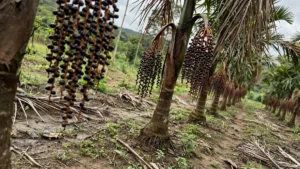
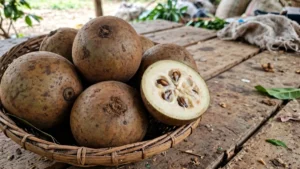
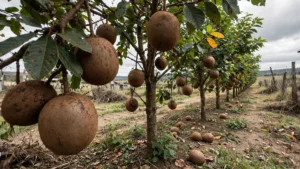
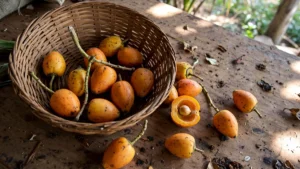
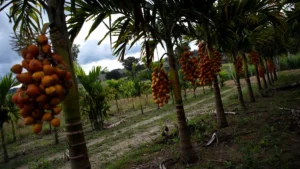
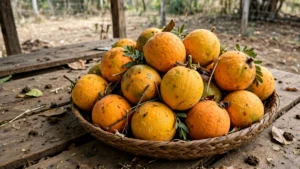
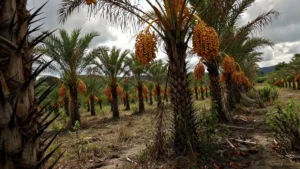
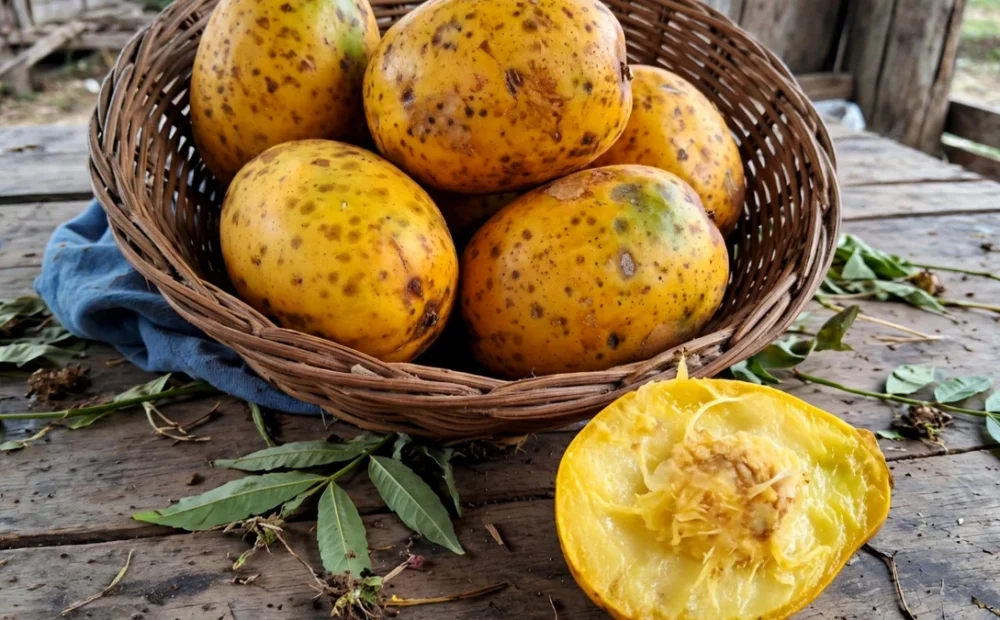
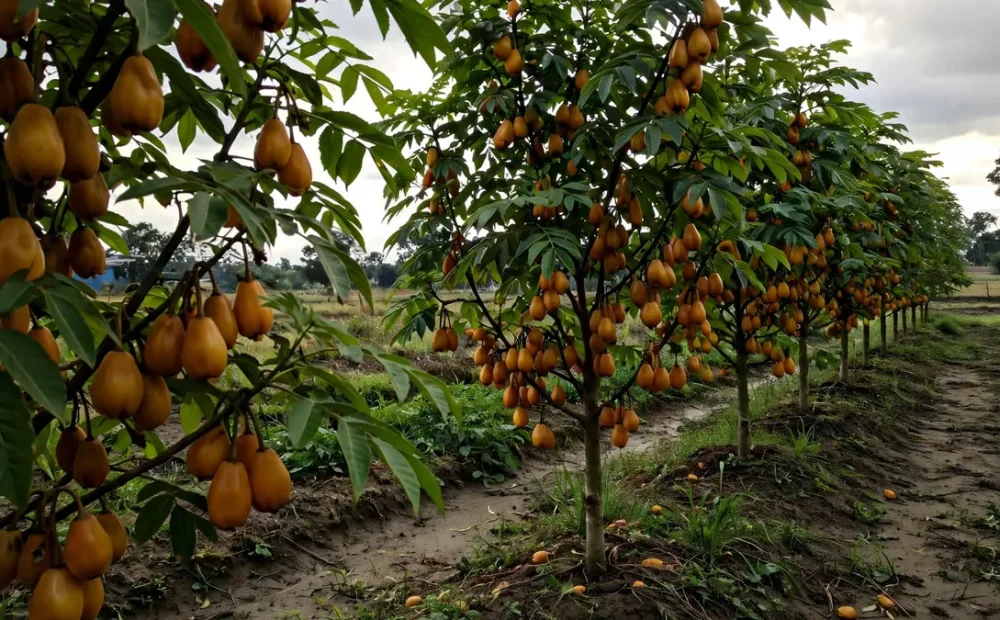
A patauá farm escape is a slow trip into the Amazon to see a palm berry become oil. The palm is tall, the clusters are heavy, and the pressing happens by hand or in a small press, in the morning, while the berries are still fresh. You do not come for a resort. You come to watch the work, taste the oil, and eat food cooked in it.
The trip takes planning because the groves sit upriver, the harvest falls in the rainy months, and the boats run on the river’s timetable rather than yours. The farms are small, the cabins are few, and the best weeks fill early. A little planning turns a hard trip into an easy one, and a rushed one into a missed season.
The nine steps below cover the whole escape, from picking your river town to buying the oil on the last morning. Every step says what to do, what to avoid, who it suits, how long it takes, and the one tip that matters most.
Key takeaways
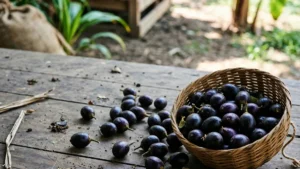
- Patauá, or Oenocarpus bataua, is a tall Amazon palm whose small dark purple berries are pressed into golden oil and a dark juice.
- The clusters come ripe in the wet months, roughly December to May, while high rivers keep the groves within reach of the boats.
- Work around the river first: choose your town, confirm the pressing weeks in writing, and only then book flights and cabins.
- Patauá is neither acai nor bacaba: the oil is the point here, not bowls of pulp or glasses of wine.
- Flag wheat and gluten when you book: breakfast on these farms usually puts wheat bread next to cassava flour and tapioca.
What a patauá farm escape actually involves
An escape starts in a river town — Belém, Manaus, Santarém, or a smaller port — and continues by boat to a grove where the palms stand in tended rows. You sleep in a cabin among the trees, wake before the heat, and watch the climbers go up with ropes and baskets while the kitchen starts the day’s cooking.
The pressing is the heart of it. Berries are washed, soaked in warm water until the pulp softens, and worked until the oil separates and rises, golden and clear. While the season runs, some farms press morning and afternoon, while others press once at dawn and give the afternoon to the river. The dark juice from the first soaking is served the same day, thick and earthy, and the oil goes into the kitchen for lunch.
The rest of the day is river time: swimming in calm water, walking the grove with the farmer, eating fish and farinha cooked in fresh oil, and resting in a hammock while the afternoon rain passes. Next to the better-known acai farm escape, the change of pace is the point: patauá is slower, richer and quieter, and the farms are smaller and further upriver.
How to plan the escape and what to look for
Begin with the grove, not the flight. A farm only counts when patauá palms are its main crop, the press runs in season, and the owners can name the ripening weeks. Get those dates in writing before you pay anything, and be wary of a farm that guarantees fixed dates in the rainy months, because the river moves the harvest.
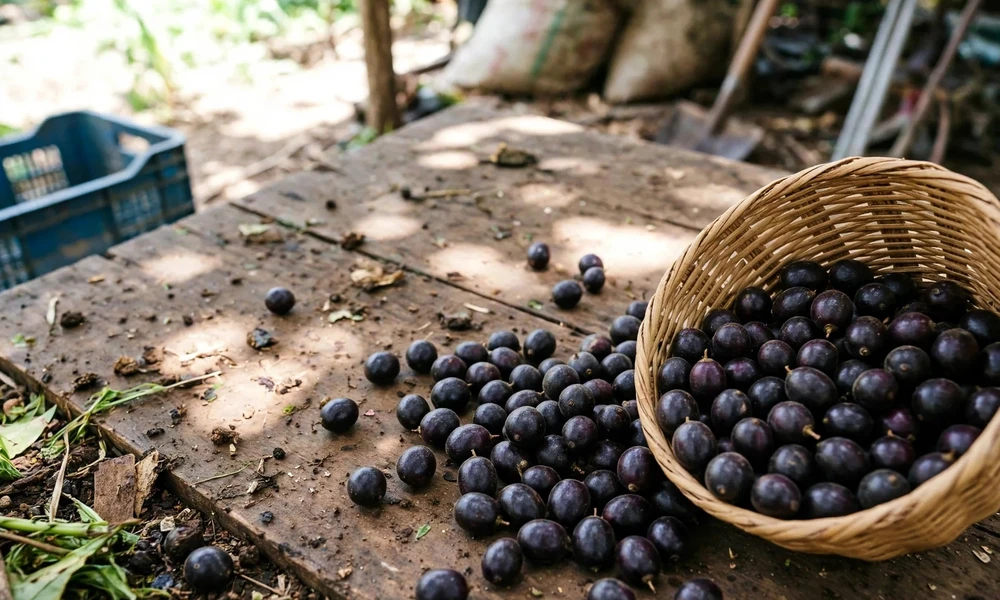
Then look at the climb rules and the kitchen. Guests should watch the climb from the ground unless the farm has trained staff, proper ropes and a short briefing. The cook matters as much as the trees, because patauá oil is only as good as the hands pressing it, and a kitchen that cooks its own produce in fresh oil is giving you the real table.
Finally, check the room and the price before you commit. A cabin under the palms, with a fan, a net and a grove view, beats a polished room in town. Prices cover a night for two, with breakfast and the pressing, and a good farm says what is covered — boat, meals, pressing — before you pay.
The 9 steps to plan your patauá farm escape
1. Pick your river town before you fix any dates
What to do: Choose the town first — Belém, Manaus or Santarém — then ask the farm which weeks the clusters ripen, and let those weeks set your dates. What to avoid: Booking a flight before the farm confirms the harvest, because a fixed date in the rainy months is only a guess. Best For: Travellers who can shift their dates by a week or two. Time Needed: An afternoon of messages with the farm. Standout Tip: Ask which week the pressing runs twice a day, and aim for that one. River levels decide the harvest, so a farm that can name its weeks is a farm worth trusting.
2. Put the pressing weeks in writing before any money moves
What to do: Ask for the harvest weeks, the pressing schedule and the price in one written message, and keep the reply saved on your phone. What to avoid: Paying on a phone call or a promise, because a written date is the only date you can hold a farm to. Best For: Anyone booking more than a month ahead. Time Needed: A day of back and forth. Standout Tip: Check that the written price covers the boat, the meals and the pressing, not just the cabin. A price that hides the boat fare is not a full price.
3. Learn the pressing before you go near a climb
What to do: Ask the farm to walk you through the pressing before you arrive — washing, soaking, pressing, skimming — so you know what to watch for. What to avoid: Climbing a palm or handling the press on your first day, because the work takes training and the clusters are heavy. Best For: Travellers who want to understand the work, not just watch it. Time Needed: An hour of reading and one message to the farm. Standout Tip: Watch one full pressing before you ask to help with the washing. Knowing the steps first keeps you useful instead of in the way.
4. Stay in the grove, not in a hotel in town
What to do: Book a cabin among the palms, with a fan, a net and a grove view, so the pressing starts outside your door. What to avoid: Staying in town and boating in each morning, because you miss the dawn climb and the first pressing. Best For: Travellers who want the full harvest day. Time Needed: One booking message. Standout Tip: Ask for a cabin on the grove side, away from the generator. The pressing starts early, and a grove-side cabin puts you in the middle of it.
5. Tell the kitchen about wheat in your opening message
What to do: Put the wheat and gluten note in your very first message, before you discuss dates, so the kitchen can plan a week ahead. What to avoid: Raising it at the table on your first morning, because the bread is already baked and the kitchen has no time to change it. Best For: Wheat-free travellers and anyone with a gluten limit. Time Needed: Five minutes in your first message. Standout Tip: Carry some of your own bread for boat days as a backup. Boats do not stop for bakeries, and a long river day without bread is a long day.
6. Walk the dawn market with the cook on day one
What to do: Walk the market with the cook on day one, learn the berry at the stall, and see what else the kitchen buys for the day. What to avoid: Sleeping through the market, because the dawn stalls are where the cook picks the day’s fish and fruit. Best For: Food lovers and first-time visitors. Time Needed: A morning, from dawn to breakfast. Standout Tip: Ask the cook which stall sells the freshest patauá, and buy a bottle there too. The market bottle is often pressed the same morning.
7. Taste the oil, the juice and the cooking in one stay
What to do: Give one day to the oil, one to the juice, and one to the cooking, so you taste all three before you leave. What to avoid: Tasting only the juice, because the oil is where patauá really shows its flavour. Best For: Travellers who came for the table. Time Needed: Three days at the farm. Standout Tip: Ask the cook to fry the fish in fresh oil at lunch, and taste it beside the raw oil. The same oil behaves differently in the pan, and the comparison teaches you more than either taste alone.
8. Leave the oil buying for your last morning
What to do: Wait until the last morning, buy the oil pressed that week, and check the bottle is sealed and labelled before you pay. What to avoid: Buying on the first day, because the freshest pressing of your stay happens later in the week. Best For: Anyone taking oil home. Time Needed: About half an hour at the farm shop. Standout Tip: Keep the bottle upright and out of the sun on the boat home. Heat and a loose cap are what spoil a good bottle on the river.
9. Stay for a full pressing and learn how the oil keeps
What to do: Stay for one full pressing from washing to bottling, and write down how the oil is stored: cool, dark, sealed. What to avoid: Leaving before the bottling, because the storage is what keeps the oil good on the way home. Best For: Travellers who want to use the oil at home. Time Needed: A morning, from wash to bottle. Standout Tip: Ask how long the oil keeps, and write the date on the bottle. A dated bottle is the difference between using it and guessing at home.
Matching the trip to you
Belém and Manaus are the natural starting points for a first patauá escape. In Belém you can learn the berry in a single day, walking the market in the morning and standing by the press before lunch. Manaus is the grander introduction, with the tallest palms in the region and a farm that presses morning and afternoon while the season lasts. Both towns are straightforward to reach, and both farms are used to guests who have never seen a palm press before.
When the oil is the whole reason for the trip, Santarém, Porto Velho and Araguaína deserve the first look. Santarém serves the most restrained dark juice, Porto Velho presses the fullest oil, and Araguaína holds back its deepest colour for the dry months. Travellers who have already tried the guarana farm escape will find the shape of the days familiar, but everything on the table will taste different.
Rio Branco and Boa Vista suit travellers who want room to breathe. Rio Branco trades in forest walks, hand pressing and unhurried evenings on the veranda, while Boa Vista trades in open grassland, cooler nights and rides out at dawn. Getting to either takes longer, and the payoff is a stay that feels like being a guest in someone’s home rather than a customer on a tour.
The caveats that matter
Go gently with patauá at first. The pulp is full of oil, so even a small glass of the juice is filling, and a large one before breakfast can sit heavy for hours. Taste a little, give it time, and come back for more the next day if you enjoyed it. Since the kitchen cooks everything in the oil, ask how much is used in each dish, and skip the fried food if rich meals bother you.
| Detail | What is known |
|---|---|
| Best season | December to May, in the rainy months |
| How it is served | Golden oil pressed the same day, dark juice |
| First serving | Begin with a small glass — the pulp is rich in oil |
| Who should be careful | Palm-fruit sensitivity; anyone who avoids rich food should ask first |
| Climbing | Stay on the ground unless trained staff are present |
| Getting there | Boat or small plane for most groves |
| What to pack | Light clothes, rain gear, repellent, a hat |
| What it is not | Not acai and not bacaba: the oil is the point here |
What can go wrong is mostly the ordinary Amazon list. Boat times shift when the rivers run high in the harvest months, so any farm guaranteeing fixed January dates is promising something the river may not deliver. Heat and insects are part of the trip, and a farm with solid nets, fans and shade is worth more than a farm with a prettier website. If you take medicine, or you are pregnant, talk to your clinician before you travel and let the farm know.
Checklist: planning your patauá farm escape honestly
Run through these before you book, and once more in the week before you travel.
- Confirm the grove is real: patauá is the farm’s main crop, with pressing on site.
- Confirm the season: the ripening weeks, given to you in writing.
- Confirm the climb rule: guests remain on the ground unless trained staff are present.
- Confirm the kitchen: the cook works the press and cooks the farm’s own produce.
- Confirm the room: a cabin beneath the palms, with a net, a fan and a view of the grove.
- Confirm the price: everything it covers, the boat fare, and the plan if the river changes.
Frequently asked questions
How long should a patauá escape last?
Three to five nights is enough. Three nights covers the market, the pressing and the oil tasting; five gives you a slow river day and a second pressing. Five nights also leaves room for a second pressing and a slow day on the river, which three nights cannot fit. Shorter than three and you miss the rhythm of the farm.
Do I arrange my own boat to the farm?
Usually the farm arranges it, and you should let them. The boat times follow the river, not the flight board, and the farm knows which boat reaches the grove. Ask the farm to confirm the boat in writing, with the departure time and the meeting point.
Are children welcome on the harvest walk?
Yes, on the ground. Children can watch the climbers, help with the washing and pressing, and taste the oil and juice. They should not climb, and the farm should have a clear rule about it before you book.
What should I pack for a patauá farm?
Light clothes, rain gear, repellent, a hat, and a small bottle for the oil you buy. Bring your own wheat-free bread if you need it, and a notebook if you want to write down the pressing method. A small torch helps on the walk back from the river after dark.
What sets patauá apart from bacaba?
They are two palms in one genus: patauá is Oenocarpus bataua, bacaba is Oenocarpus bacaba. The harvest differs, though — patauá is pressed chiefly for golden oil, while bacaba is pressed for juice and a light wine. The bacaba farm escape is the nearest comparison, since the trees look alike and the seasons overlap.
Can I take patauá oil home?
Yes, in a sealed bottle, kept upright and out of the sun. Buy it on your last morning, from the pressing of your stay, and ask the farm how long it keeps. Check your airline’s liquid rules before you fly, and pack the bottle in your checked bag.
The bottom line
Book the escape where the grove is genuine, the press runs every morning in season, and the kitchen cooks in oil pressed on the farm. Belém and Manaus make the simplest starts, Santarém and Porto Velho keep the strongest tables, and Rio Branco and Boa Vista stay the quietest. Let the trip you want choose the farm, not the glossiest photos.
Go in the rainy months, start with a small glass, and let the farm set the pace. Patauá rewards a slow traveller, and the oil tastes better after you have seen the clusters come down and the press run.