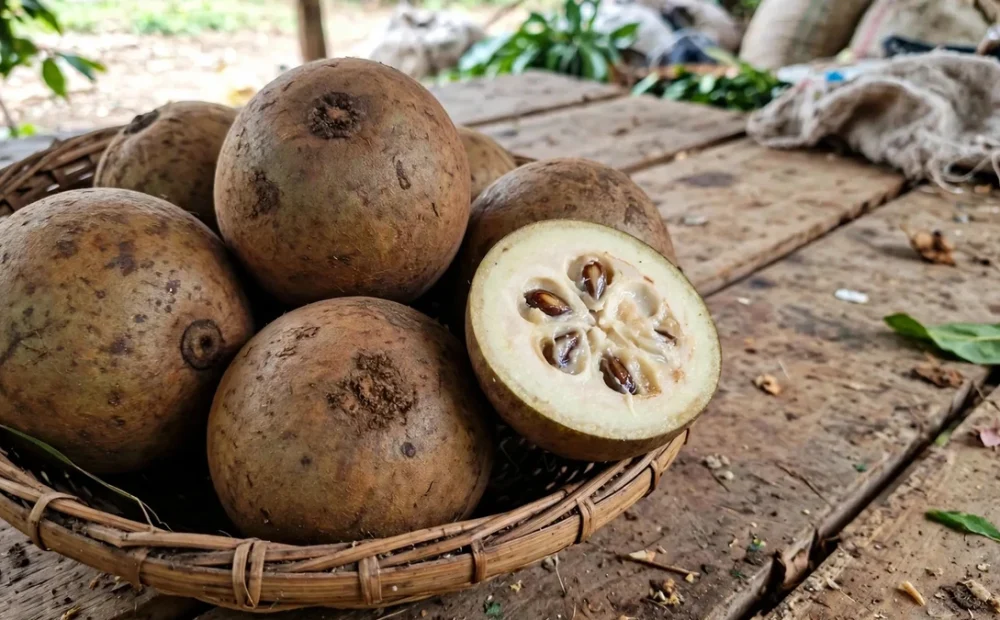
Jenipapo is a fruit that leaves a mark on you, quite literally. The large brown fruit of the Genipa americana tree yields a juice that darkens on the skin, a trait Amazon communities have used for generations, and the farms that grow it turn that strange harvest into slow stays: dawn grove walks, juice pressed the same morning, and a liqueur that only appears after dark. A jenipapo farm retreat is not a resort with a fruit theme. It is a working farm where the fruit sets the schedule, the kitchen cooks with it, and the hosts know which trees are ready and which need another week.
The stays below were chosen for how honestly they handle the fruit. The strongest let you watch the juice being pressed, taste it while it is still fresh, and see the liqueur cellar where the season’s surplus slowly turns into something worth carrying home. They also answer straight questions about price, transport and timing, feed you from their own kitchen, and give you a proper bed after long days outdoors.
Here are nine jenipapo farm retreats worth a trip in 2027, from a riverside press outside Belém to a late-season grove in northern Tocantins. Each entry weighs what the place does well against what to watch for, and names the traveller who will enjoy it most.
Key takeaways
- Jenipapo is the large brown fruit of the Genipa americana tree, grown across the Amazon and pressed into juice and liqueur.
- The harvest falls in the rainy season, and the best visits line up with the pressing, when the juice is fresh and the cellar open.
- Jenipapo juice darkens skin on contact, so wear old clothes for the pressing and let the farm show you how.
- Most farms sit well outside the nearest town, so sort out a car and a local driver before you book the room.
- Tell the farm about wheat and gluten before you book, because farm kitchens bake with wheat flour daily and need time to cook a separate menu.
What a jenipapo farm retreat actually is
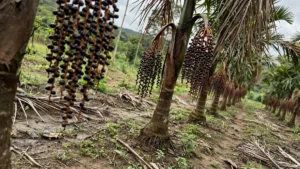
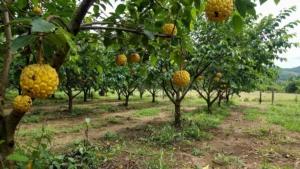
A jenipapo farm retreat is a working fruit farm that takes guests for a night or more, with the harvest at its centre. The day tends to start early, with a walk between the trees while the air is still cool, then shifts to the press shed, where the brown fruit is washed, cut and pressed into a pale juice that darkens as it meets the air. By evening the table is set with whatever the kitchen made that day, and on many farms a small glass of jenipapo liqueur closes the meal.
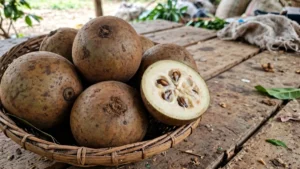
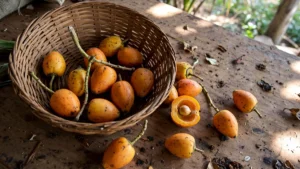
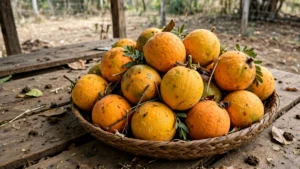
The fruit itself is what makes these stays different from any other farm visit. Jenipapo is big, rough-skinned and brown when ripe, with pale flesh inside that gives a cloudy juice before it stains. Unripe fruit is sharply astringent and best left on the tree, and the farms know the difference by feel and smell. The liqueur, made from ripe juice and left to rest, is the farm’s quiet pride, poured for guests who stayed for the pressing.
These are not polished hotels. Rooms are simple and clean, meals are cooked on the farm, and the loudest sound at night is rain on the roof. What you get instead is a direct look at a fruit few travellers have tasted, in the landscape where it grows, with people who have worked it for years.
How we chose these retreats and what to look for
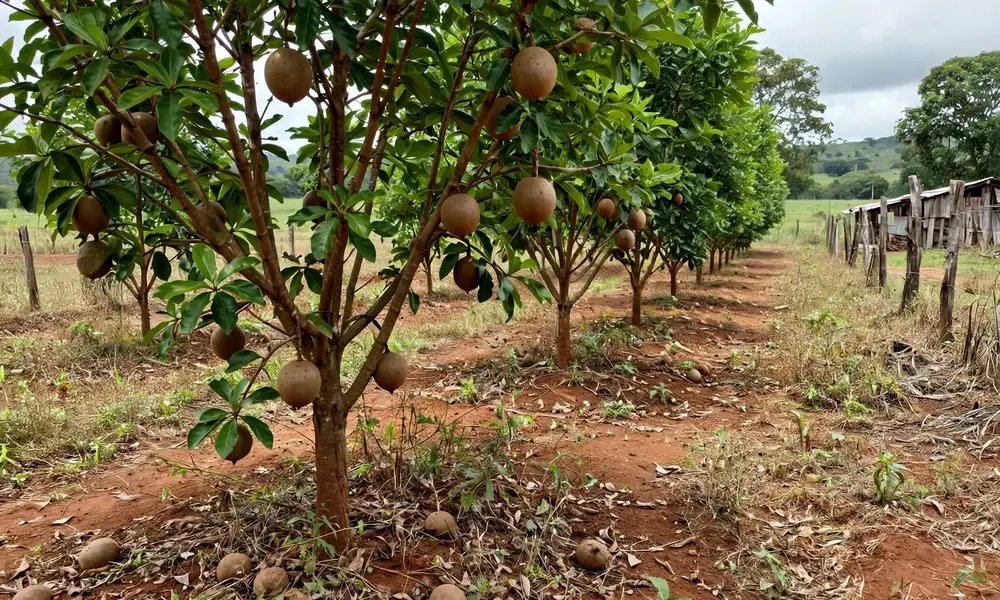
We looked for farms that press their own fruit rather than buying juice in, let guests watch the work, and cook with jenipapo instead of only serving it as a drink. A farm that keeps a liqueur cellar and opens it to guests scored higher than one that only offers a tasting glass, because the cellar shows the farm takes the fruit seriously all year. We also favoured places with a named host who walks the groves with guests, rather than a farm that leaves visitors to wander alone.
Price, transport and food mattered just as much. Every farm below states its nightly price, explains how to reach it, and cooks for wheat-free guests when warned in advance. The mangaba farms of the cerrado work the same way, and our roundup of the best luxury mangaba farm retreats shows how a different fruit shapes a different stay. If a farm would not confirm its harvest dates or prices in writing, it did not make the list.
The 9 best luxury jenipapo farm retreats of 2027
Belém — Riverside Press and the First Dark Juice of the Season
What we like: A small riverside farm an hour from the city, with a press shed you can stand in and fresh juice at breakfast. What to consider: The approach road floods after heavy rain, and with six rooms, harvest weekends fill early. Best for: First-time visitors who want the full pressing in a single weekend. Style: Quiet, family-run, riverside. Price range: $90–$135 per night. Standout feature: The first pressing of the season, poured while it is still pale.
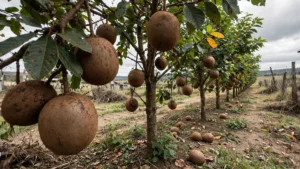
The groves run down to the river behind the house, and the walk between the rows shows the whole farm in one slow loop.
Manaus — Forest Edge and a Liqueur Cellar by the River
What we like: A forest-edge farm where the liqueur cellar is the heart of the stay, with tastings after dinner and a host explaining each batch. What to consider: The farm is two hours from Manaus by road and boat, so the trip needs a full day. Best for: Travellers who care about the liqueur as much as the juice. Style: Deep forest, unhurried, generous. Price range: $140–$210 per night. Standout feature: A cellar tasting of three vintages of jenipapo liqueur.
The trees here grow tall and old, and the evening walk back from the groves passes the cellar door, open most nights.
Santarém — Tapajós Light and a Kitchen That Cooks with Jenipapo
What we like: A bright farm near the Tapajós where the kitchen folds jenipapo into sauces, sweets and drinks, and the cook explains every dish. What to consider: Midday heat is strong, so grove walks happen early and afternoons are slow. Best for: Travellers who come for the food as much as the fruit. Style: Open, practical, food-led. Price range: $85–$125 per night. Standout feature: A full dinner built around jenipapo, from starter to sweet.
The farm sits on pale sand near the river, and the late light makes the brown fruit easy to spot among the leaves.
Macapá — Equator Groves and Slow-Pressed Juice
What we like: A relaxed grove farm on the equator where the pressing is done slowly by hand, and guests can join in. What to consider: Rooms are basic, with fans rather than air conditioning, and the farm keeps only four rooms. Best for: Slow travellers who want to work alongside the farm for a day. Style: Simple, warm, hands-on. Price range: $65–$95 per night. Standout feature: A hands-on pressing morning, with juice you helped to make.
The groves are flat and easy to walk, and the farm dog usually leads the morning round.
Boa Vista — Savanna Palms and a Farm That Stains Your Hands
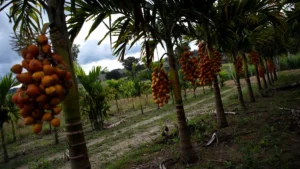
What we like: A savanna farm where the jenipapo trees stand wide apart, the sky is enormous, and the hosts are frank about the stain. What to consider: Boa Vista is a long drive from anywhere, and the farm asks guests to bring old clothes. Best for: Travellers who want wide landscapes and an honest working farm. Style: Open, dry, matter-of-fact. Price range: $70–$105 per night. Standout feature: The staining demonstration, done properly with gloves and old shirts.
The trees here fruit a little later than the river farms, so Boa Vista suits a trip at the tail of the season.
Porto Velho — Madeira River Farms and the Evening Liqueur Tasting
What we like: A riverside farm on the Madeira where the liqueur tasting happens on the veranda at dusk, above the river. What to consider: The farm is reached by a dirt road that turns to mud in heavy rain, so a local driver is a must. Best for: Couples who want a quiet evening after a day in the groves. Style: Riverside, calm, evening-led. Price range: $110–$160 per night. Standout feature: Dusk tastings on the veranda above the Madeira.
The groves climb gently away from the river, and the morning walk ends at a lookout over the whole farm.
Rio Branco — Acre Groves and a Press Run at First Light
What we like: A small Acre farm that starts the press at first light, so guests see the palest juice. What to consider: The farm has only three guest rooms and books out weeks ahead in harvest months. Best for: Early risers who want to see the whole pressing from the start. Style: Small, early, exact. Price range: $95–$140 per night. Standout feature: A dawn press run, watched from the first fruit to the last bottle.
The farm keeps a notebook of each season’s pressing dates, shown to guests who ask about timing.
Palmas — Tocantins Groves and Open-Air Tasting Tables
What we like: A wide Tocantins farm with tasting tables under the trees, where juice, jam and liqueur sit side by side. What to consider: The farm is an hour from Palmas, and the open-air tables close early if rain threatens. Best for: Groups and families who want to taste everything in one sitting. Style: Broad, open, sociable. Price range: $80–$120 per night. Standout feature: The tasting table under the trees, with all three jenipapo products at once.
The groves here are young and well spaced, and the walk between them is flat enough for children.
Araguaína — Northern Groves and the Last Press Before the Dry Months
What we like: A northern Tocantins farm that presses late into the season, giving travellers a last chance. What to consider: The late fruit is smaller, and the farm’s kitchen is simpler than the river farms. Best for: Travellers whose dates fall at the end of the rainy season. Style: Late-season, plain, reliable. Price range: $60–$90 per night. Standout feature: The last press of the year, held when the groves are nearly bare.
The farm sits near the road north out of Araguaína, the easiest of the nine to reach without a long detour.
Which jenipapo retreat suits you
If this is your first jenipapo trip, start with Belém or Araguaína. Both are easy to reach, both press on site, and both keep the stay short enough for a weekend. If the liqueur matters most, Manaus and Porto Velho are the stronger picks, because their cellars and evening tastings are the centre of the stay.
For food, Santarém and Palmas lead, since their kitchens build whole meals around the fruit. For wide landscapes and a slower pace, Boa Vista and Macapá are the better choices, and the muruci retreats of the cerrado offer a useful contrast if you want to see how a smaller, sweeter fruit shapes a different farm. Our roundup of the best luxury muruci farm retreats shows the small-fruit version of the same idea. For the earliest pressing of the day, choose Rio Branco.
Whatever you choose, match the farm to your dates before anything else. The harvest moves through the rainy season, and a farm that pressed last week may have nothing left when you arrive.
The caveats that matter
Jenipapo juice stains. It darkens skin, cloth and wood, and the mark can last for days, so wear old clothes for the pressing and ask the farm for gloves before you handle the fruit. The stain is harmless and fades on its own, but it will ruin a good shirt. Unripe fruit is another matter: sharply astringent, it can upset the stomach, so only eat fruit the farm says is ripe, and never pick for yourself without asking.
The liqueur is strong and the farms pour generously, so treat the evening tasting as a tasting rather than a drinking session. Anyone with a fruit allergy, a sensitive stomach, or a reason to avoid alcohol should tell the host before the first glass. The pitomba retreats of the Amazon face the same honest limits, and our roundup of the best luxury pitomba farm retreats covers a tart fruit with its own seed warning.
| Detail | What is known |
|---|---|
| Best season | The rainy-season harvest, when the press runs and the cellar opens |
| How long to stay | Two nights for a first visit, four or five for a full harvest stay |
| Getting there | Arrange a car and a local driver in advance; most farms are an hour or more from town |
| What to pack | Old clothes for the pressing, closed shoes, a hat, repellent, and gloves |
| What to taste | Fresh juice, jam and liqueur, in small amounts |
| The stain | Juice darkens skin and cloth for days; it fades on its own |
| Who should ask first | Anyone with a fruit allergy, a sensitive stomach, or a reason to avoid alcohol |
| Buying to take home | Buy liqueur on your last morning, in sealed bottles packed for travel |
Checklist: choosing a jenipapo farm retreat honestly
Run through these checks before you book, and again before you pay.
- Ask about the press: the farm should press its own fruit on site and let guests watch.
- Ask about the season: confirm the harvest dates in writing, and ask what happens if the fruit ripens late.
- Ask about transport: confirm the car, the driver and the round-trip price first.
- Ask about the stain: find out whether the farm supplies gloves and old aprons.
- Ask about the food: send the wheat and gluten note in advance, and ask what the kitchen will serve.
- Ask about the price: get the walk, the tasting, the meals and the transfers named separately.
Frequently asked questions
When is jenipapo ready to pick?
The main harvest falls in the rainy season, when the brown fruit softens and the flesh inside turns pale and sweet enough to press. The exact weeks shift from year to year and farm to farm, so confirm the dates with the farm in writing before you book, and ask what happens if the fruit ripens late.
What should you expect from a glass of jenipapo juice?
Expect a cloudy, pale juice that tastes tart and sweet at once, with a faint earthy note. It is usually served fresh in the morning, in a small glass, and the farms pour it before it has time to darken in the jug.
Can visitors pick the fruit from the trees themselves?
Most farms let guests pick a little fruit under supervision. Jenipapo bruises easily and unripe fruit is astringent, so the host will point out which trees are ready and which to leave alone.
How is jenipapo different from mangaba?
Jenipapo is a large brown fruit with pale flesh and a juice that stains the skin dark, while mangaba is a small yellow-green fruit, sweet and tart, with milky sap when unripe. They grow in different landscapes, taste different, and are handled differently, so a visit built around one does not teach you the other.
Who needs to be cautious with jenipapo?
Anyone with a fruit allergy or a sensitive stomach should tell the host before tasting, and anyone avoiding alcohol should say so before the liqueur tasting. Children can join the grove walks and the juice tasting, but the liqueur is for adults only, and the pressing area is no place for small hands without supervision.
What breakfast can wheat-free guests ask the kitchen to cook?
Ask for fruit, eggs, cheese and tapioca-based dishes, which most Amazon farm kitchens already cook, and ask for a separate pan for your food. Send the note before you book rather than on arrival, so the kitchen has time to plan a menu without wheat bread or flour.
The bottom line
The jenipapo farm retreat worth your time in 2027 presses its own fruit, shows you the work honestly, and treats the stain, the season and the liqueur as part of the experience rather than a surprise. Belém and Araguaína are the easiest starts, Manaus and Porto Velho lead on liqueur, and Santarém leads if the kitchen matters most.
Pick one farm, time your visit to the rainy-season harvest, send the wheat note, and wear old clothes to the pressing. That is the honest way to meet a fruit most travellers have never tasted, in the landscape where it grows.