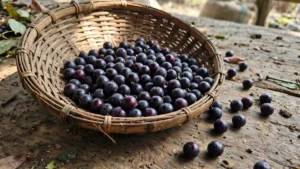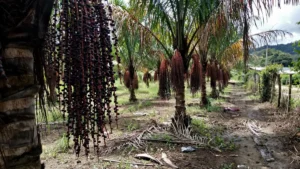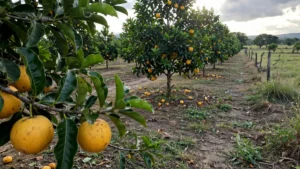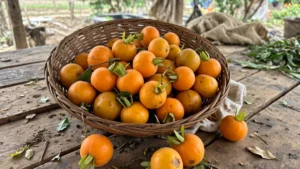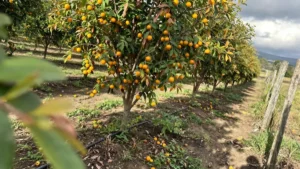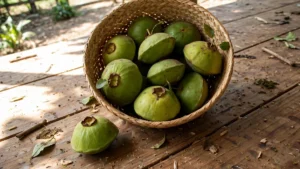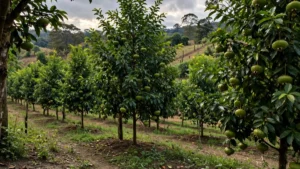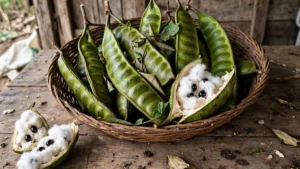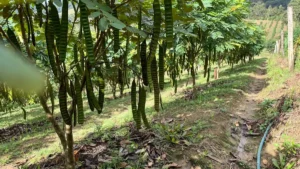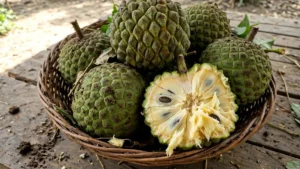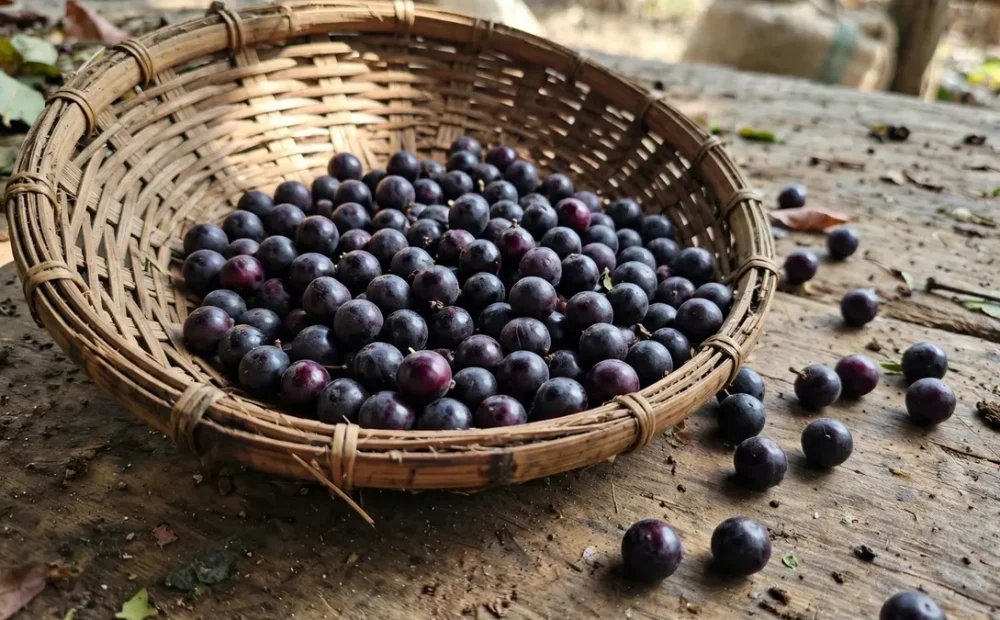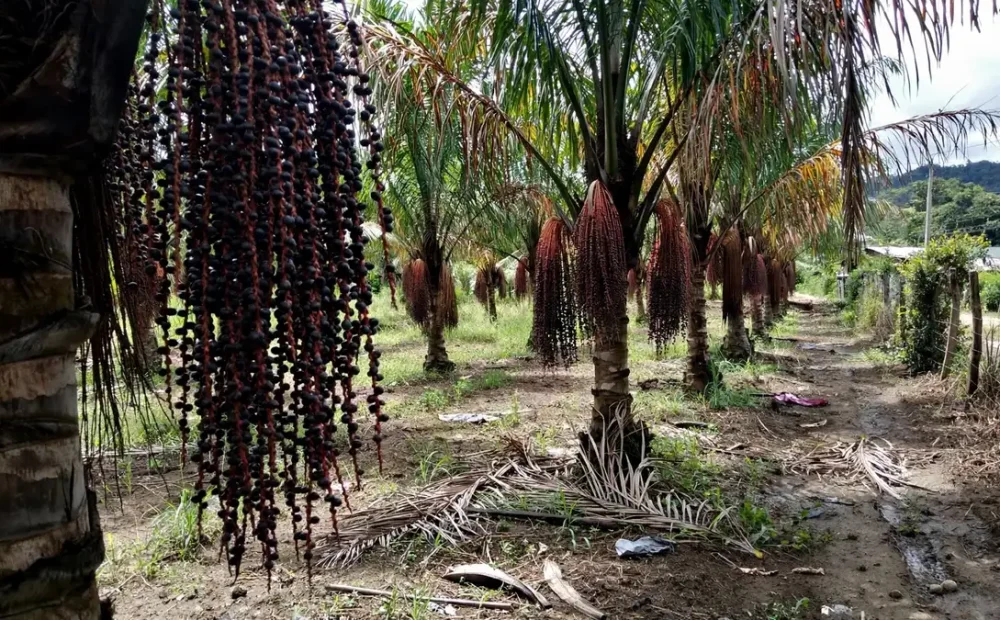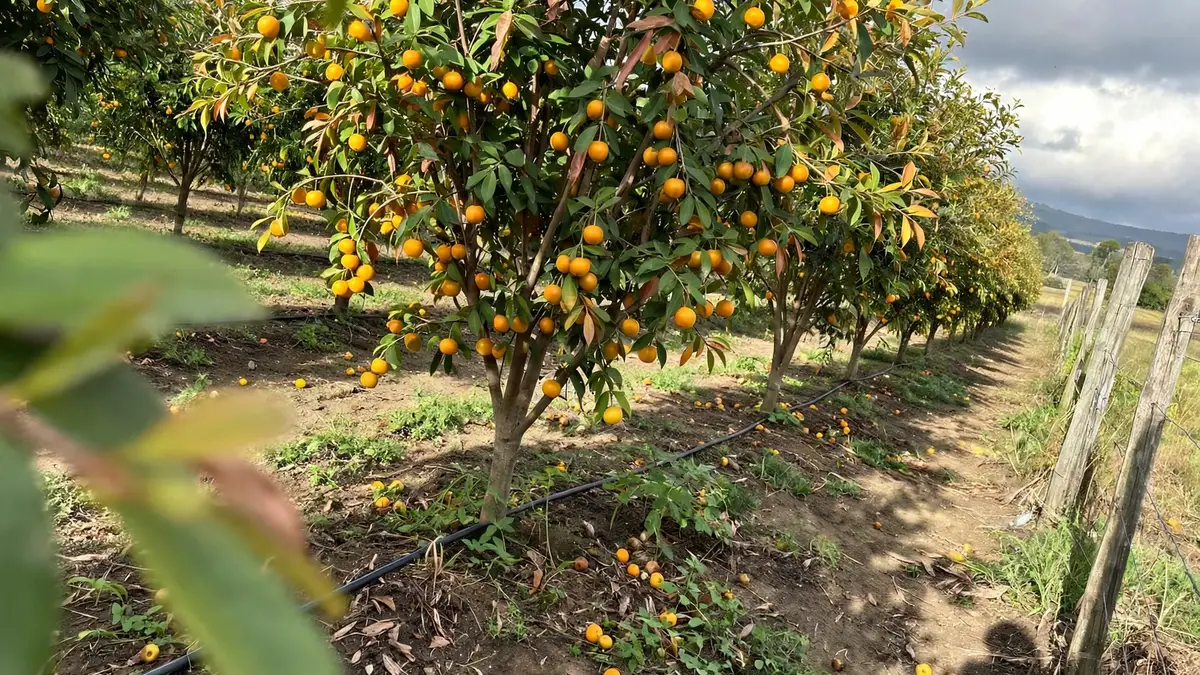
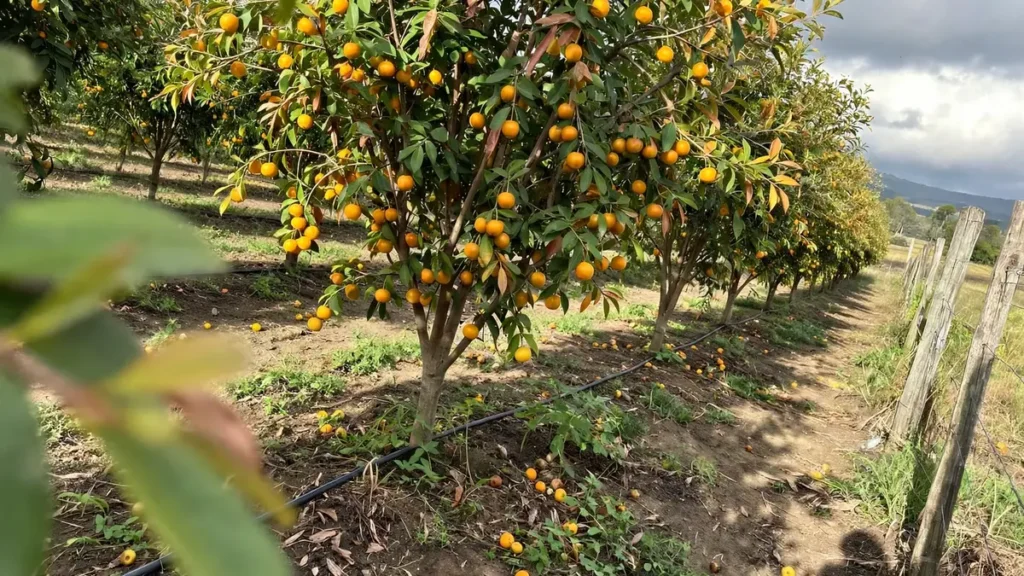
High in the canopy of an Amazon orchard, pitomba hangs in clusters that most of Brazil never sees. The trees grow tall along the rivers of Pará and Amazonas, and when the rains arrive the fruit swells, turns yellow-orange, and drops within days. Pick it that morning and it is tart, juicy, and bright; leave it a week and it is gone, which is why the fruit almost never reaches a shelf outside the north.
A stay on a pitomba farm puts you under those trees at the one moment they matter. The farms below are working orchards, not resorts dressed as farms: a few guest rooms, a kitchen that cooks from the garden, and a host who can tell you which tree fruited yesterday. Mornings belong to the orchard, afternoons to the river or the hammock, and evenings to a long meal.
The nine farms below run from Belém to Rio Branco, each covered on its strong points, its weak points, and the traveller it suits. Read them against your own trip — first visit or return, family or solo, river or forest — and the right farm will stand out.
Key takeaways
- Pitomba, Talisia esculenta, is a tart-sweet yellow-orange Amazon fruit, eaten fresh and pressed into juice, harvested in the rains, roughly December to March.
- Small working farms give the best stays: a handful of rooms, a host who walks the orchard with you, and food cooked from the day’s harvest.
- Choose your dates from the fruiting weeks, and get them in writing, because the harvest moves with the rains each year.
- Warn the farm about wheat and gluten before you book, since farm kitchens cook with wheat every day and need time to prepare otherwise.
- Eat the pulp and spit out the big seed, and taste a few fruit first: pitomba is sharp on the tongue, and a whole bowl on an empty stomach is too much for a first try.
What a pitomba farm retreat actually is
Picture a tall orchard on Amazon land, where pitomba trees stand mixed with açaí palms, cupuaçu, and banana, and the ground is red earth after rain. The farms that take guests are family places that added rooms, a dining table, and a path through the trees. They measure a good stay by one thing: whether you ate the fruit at its best.
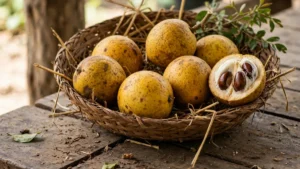
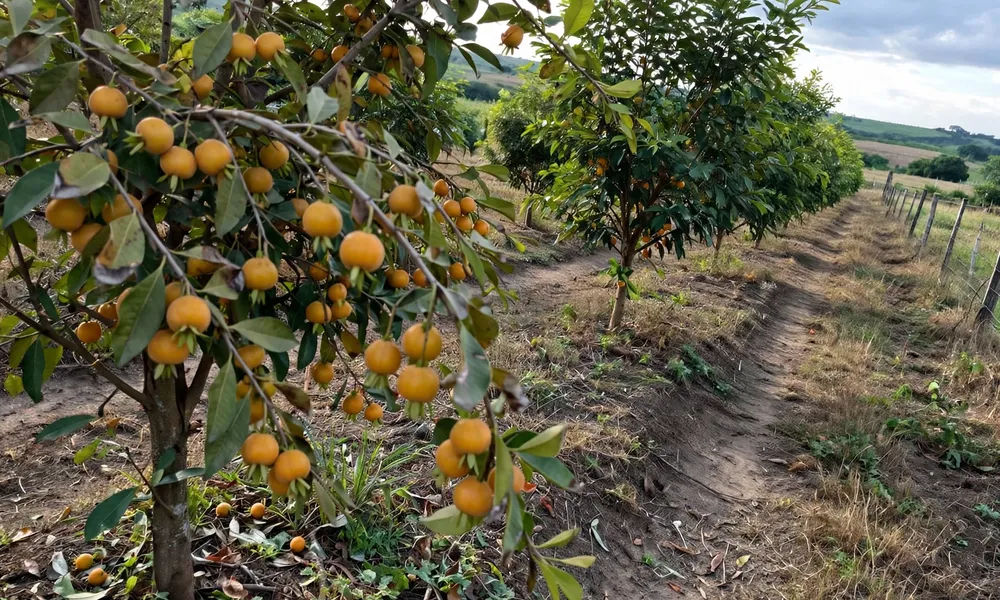
The fruit is round, near the size of a small plum, with thin yellow-orange skin and pale juicy flesh around a single large seed. It is picked by hand into baskets, since rough handling bruises it, and eaten the same day, pressed for juice, or frozen as pulp for sorbet and ice cream. Fresh fruit does not travel, so the farm is the only honest place to meet it.
A day here runs on the weather. The walk happens early, while the air is still cool; breakfast stretches out; the middle of the day is for shade, a swim, or a hammock; and the late afternoon is for juice-making or a boat ride to a creek. Dinner is home-cooked, dessert is fruit, and the night ends early, with the forest loud outside.
How we picked these stays, and what to ask first
We looked for farms where pitomba is a genuine crop, with enough trees to fill a basket and a host who can explain the harvest. We also looked for few rooms, honest prices, and hosts who answer with real information instead of stock replies. A farm that cannot tell you its fruiting dates is not worth booking.
Three questions belong in your first message, all in writing. First, the fruiting dates for your year. Second, whether the kitchen can cook without wheat and gluten. Third, how you get from the nearest town to the farm gate. Dates decide the trip, the kitchen decides whether you can eat safely, and the road decides whether arrival day is smooth or expensive. Our guide to the best luxury mangaba farm retreats asks the same three things.
Do not judge a farm by its nightly rate alone. The cheapest room here can cost the most once meals, walks, and transfers are added, while a dearer farm may include everything. Ask for the full price, ask what is included, and ask what happens if the season shifts and your dates must move.
The 9 best luxury pitomba farm retreats of 2027
Fazenda Pitomba do Rio, Belém
What we like: A riverside smallholding an hour from Belém, with pitomba beside a creek, rooms that look over the water, and juice pressed from the dawn pick. What to consider: After heavy rain the creek road floods, so ask about the route before you set out. Best For: People visiting the Amazon for the first time who want a short journey in. Style: Low farmhouse with wide verandas and a shaded deck. Price Range: $140 to $200 per night. Standout Feature: Juice pressed from fruit picked at dawn.
Seven rooms, a kitchen that cooks from the garden, and an orchard walk under an hour.
Sítio Fruta Dourada, Manaus
What we like: A bright smallholding outside Manaus, with tall pitomba trees, a shaded pool, and a cook who turns the fruit into sorbet and a tart chilled drink. What to consider: The last stretch from the city is a dirt track, and it is rough after rain. Best For: Travellers who want orchard, pool, and good food without a long drive. Style: Modern lodge among second-growth forest. Price Range: $160 to $230 per night. Standout Feature: Pitomba sorbet at sunset by the pool.
The rooms are bigger and newer than most here, and the orchard walk and juice session are part of the rate.
Fazenda Boa Vista do Tapajós, Santarém
What we like: A working farm on the Tapajós near Santarém, where pitomba grows beside old mango trees and lunch is a long, slow affair. What to consider: You arrive by boat or car, since buses stop in town, half an hour away. Best For: Couples after a quiet stay with strong food and no schedule. Style: Old farmhouse with a long table and hammocks. Price Range: $130 to $190 per night. Standout Feature: A slow lunch under the mangoes, ending with pitomba ice cream.
The family has farmed here for decades, and an hour with the host over coffee teaches you more about the river.
Sítio Maré Alta, Macapá
What we like: A coastal farm near Macapá, with pitomba along a tidal creek, rooms over the water, and slow evenings on the veranda with fruit and cold drinks. What to consider: The creek path is muddy after rain, so bring shoes you can wash. Best For: Travellers who want water, shade, and unhurried days. Style: Coastal farmhouse with a wooden deck. Price Range: $120 to $180 per night. Standout Feature: Fruit and juice on the deck above the creek at dusk.
Five rooms, a simple dinner from the garden each night, and a creek walk best done at dawn.
Fazenda Serra do Norte, Boa Vista
What we like: A hill farm north of Boa Vista, with open savanna views, pitomba on the lower slopes, and a host who presses juice by hand in a wooden press. What to consider: The hill road is steep and unpaved, so a car with clearance is a help. Best For: Walkers and photographers who want wide skies and open ground. Style: Hill farm with a stone terrace and a kitchen that cooks over wood. Price Range: $110 to $170 per night. Standout Feature: Hand-pressed pitomba juice on the stone terrace.
Come for the sunset from the terrace, and stay for the juice-pressing, timed so you can watch with a glass in hand.
Sítio Água Clara, Palmas
What we like: A tidy family farm near Palmas, with easy orchard rows, a generous breakfast, and children who help bring in the harvest. What to consider: The fruiting weeks fill early, so book well ahead. Best For: Families whose children want to pick fruit themselves. Style: Family farmhouse with a garden and a lawn for play. Price Range: $100 to $160 per night. Standout Feature: A harvest morning with children picking beside the family.
The flattest orchard on this list and the easiest with children: low fruit, level ground, and hosts used to young guests.
Sítio Rio Formoso, Araguaína
What we like: A shaded farm beside a river, where pitomba grows along a stream and the rooms stay cool through the hottest weeks. What to consider: The river is cold and the pool has no heater, so it is a warm-day pleasure only. Best For: Travellers looking to escape the city heat. Style: Shaded lodge with a river-fed pool. Price Range: $130 to $190 per night. Standout Feature: An afternoon swim in the river-fed pool under the trees.
The name means beautiful river, and it fits: the water runs clear all year, and the swim after lunch is the best hour of the day.
Sítio Madeira Verde, Porto Velho
What we like: A forest farm east of Porto Velho, where pitomba stands among tall timber trees and the host can name each tree’s fruiting week. What to consider: The forest paths are uneven, so strong shoes are more important here than anywhere else on the list. Best For: Walkers who want a real forest hike, not a garden stroll. Style: Forest lodge with a long veranda. Price Range: $140 to $200 per night. Standout Feature: A guided walk through the fruiting trees at dawn.
Go out with the host in the morning: they show you which trees are ready, which need more days, and which birds arrived first.
Fazenda Rio Branco, Rio Branco
What we like: A riverside farm near Rio Branco, with pitomba on terraces above the Acre river, rooms a short walk from the water, and town restaurants a short drive away. What to consider: Weekends in town are busy, so a midweek stay is quieter. Best For: Travellers who want fruit, river, and a lively town in one trip. Style: Terrace farmhouse above the river. Price Range: $150 to $220 per night. Standout Feature: Pitomba juice after a swim in the river.
The liveliest base on this list: fruit in the morning, a river swim in the afternoon, and dinner in town for a change.
Which pitomba region fits your trip
First-time visitors should start with Belém or Manaus. Both are reached by air, the farms are used to newcomers, and the transfer is short. With three or four days, look to Santarém or Macapá, where the farms sit on the river and the days move slowly. Boa Vista suits a longer, quieter stay, with open savanna and few guests.
For more than the farm alone, Rio Branco is the pick: a lively town, a river, and restaurants a short drive away. Families do best near Palmas, where the orchard is flat and children can join the harvest. Walkers should head for Porto Velho, where the forest paths are proper hikes. In every case, fix the region first and let its fruiting weeks fix your dates. A farm with no ripe fruit is only a farm, and no charm makes up for the wrong week. Our roundup of the best luxury muruci farm retreats makes the same point for the cerrado.
Children do best on flat ground with low fruit, such as the family farm near Palmas, and their first taste should be small. Couples get the most privacy at the hill farm near Boa Vista and the riverside farm near Santarém. Solo travellers will find the farms near Belém and Manaus the easiest to reach and the most used to guests alone.
The caveats that matter
Pitomba rewards a little caution at the first tasting. The fruit is sharp, and a whole bowl on an empty stomach is a lot for a first try. Eat a few, wait, and then eat more. A good host will say the same before you fill a bowl, and children should start with a small handful. The large seed belongs in the bin, not between your teeth.
| Detail | What is known |
|---|---|
| Botanical name | Talisia esculenta, a tall tree of the Amazon in the soapberry family |
| Flavour | Sharp and sweet together, like a plum crossed with a passion fruit |
| Season | The rainy season, about December to March, moving with the rains |
| How it is eaten | Fresh from the tree, pressed for juice, or frozen as pulp for sorbet |
| The seed | One large seed in each fruit; eat the flesh and discard the seed |
| Best trip length | Three or four nights, timed to the fruiting weeks |
| Who should take care | Children and first-time tasters, who should begin with a small handful |
| What to ask first | Fruiting dates in writing, wheat-free cooking, and the road from town |
Allergies need a written note before you book, and any medicine you rely on should travel with you, because the nearest pharmacy can be an hour away. Farm kitchens cook from the land, and a clear note in advance keeps the table safe.
Checklist: choosing a pitomba farm retreat honestly
Run through these before you book, and once more the week before you travel.
- Ask for the fruiting dates in writing for your year, and do not accept last year’s dates.
- Confirm wheat-free and gluten-free cooking in writing before you pay a deposit.
- Find out how to get from the nearest town to the farm, and what the last stretch is like after rain.
- Ask how many guests stay at once, and how rooms are cooled.
- Ask what the deposit covers, what returns if the season moves, and keep it in writing.
- Plan a small first taste of pitomba, wait, then eat more, especially with children.
Frequently asked questions
When is the best month to visit a pitomba farm?
The rainy season, roughly December to March, is when the fruit ripens, but the exact weeks move with the rains and differ by region. Ask the farm for its dates for your year, then book inside those weeks. A farm that gives dates in writing is one that watches its own trees.
What if the harvest runs late and the fruit is not ready?
A good host will warn you before you travel, because they check the trees daily. If the season has shifted, ask to move your dates instead of arriving anyway. Most small farms will move a booking when asked early, and they prefer guests in the right week to guests in the wrong one.
Can I visit a pitomba farm without driving?
Yes, if you plan the last stretch. Take a bus to the nearest town, then ask the farm to collect you or arrange a local driver. Fix the collection in writing, with a time and a meeting point, before you travel. Taxis are rare in small Amazon towns, and the farm road is no walk with luggage.
Can I bring pitomba pulp home with me?
Most farms sell frozen pulp, and it travels far better than fresh fruit. Buy it on your last morning, keep it frozen on the journey, and use it at home for juice, ice cream, or sorbet. Fresh pitomba bruises easily and rarely survives a long trip.
Is a pitomba farm a good first taste of the Amazon?
Yes, it is one of the easiest ways in. The farms are small, the welcome is warm, and the fruit gives every day a point. Start near Belém or Manaus, where the journey is simple and the farms are used to first-time Amazon guests.
What belongs in my bag for the orchard?
Light clothes, a hat, sunscreen, insect repellent, and sturdy closed shoes, since the ground is rough and the sun is strong. Add a small bag for fruit, a bottle of water, and a light layer for the evening, when the forest cools fast.
The bottom line
The pitomba retreat to choose in 2027 is a small working farm where the fruit is ripe on your dates, the host walks the orchard with you, and the kitchen cooks from the day’s pick. Fix the region, get the fruiting weeks in writing, warn the kitchen about wheat and gluten in advance, and start with a small taste.
Stay three nights, eat the fruit fresh, drink the juice, and judge the trip by the orchard at dawn, not by the activities listed. That is the honest way to taste a fruit you will not find at home, without the rush that turns a farm stay into a guided tour. Our roundup of the best luxury uvaia farm retreats follows the same idea for southern Brazil: the season sets the plan, not the brochure.