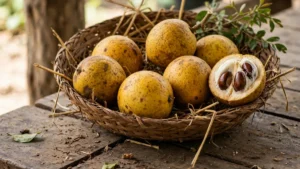
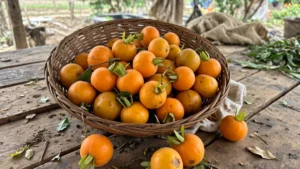
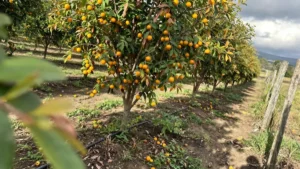
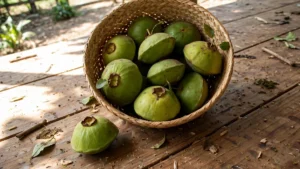
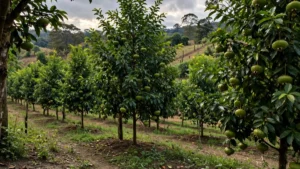
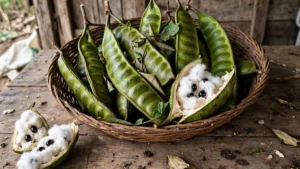
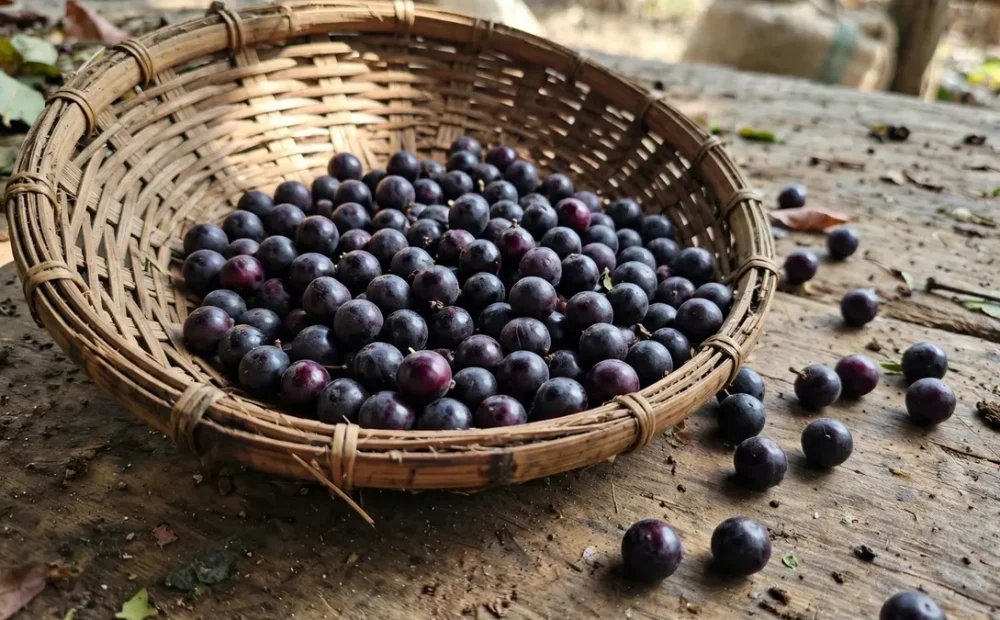
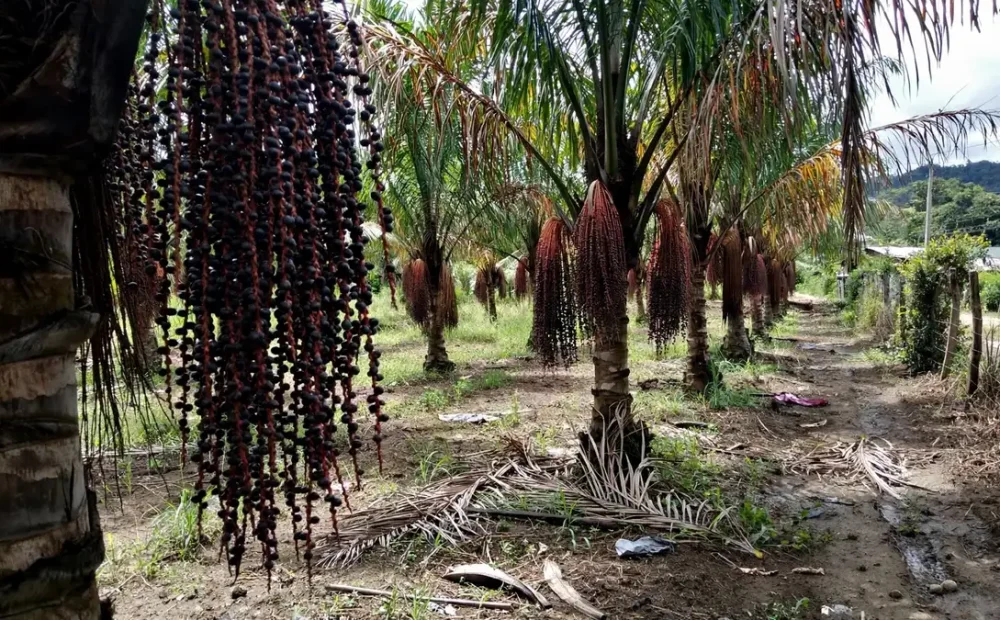
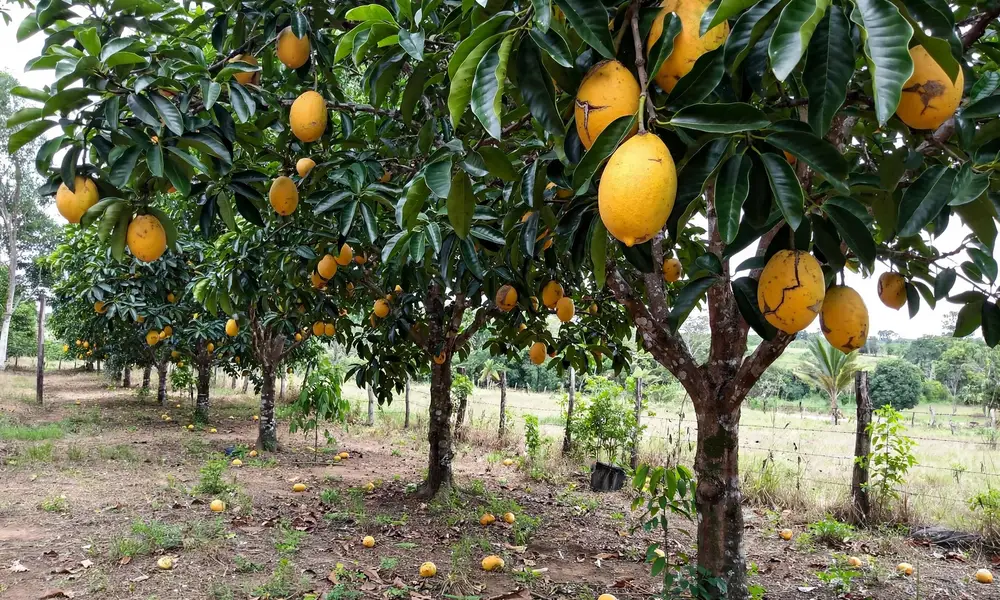
Bacuri is one of the Amazon’s most quietly loved fruits, and most travellers outside Brazil have never heard of it. The fruit is large and round, with a thick yellow skin that opens to white flesh so creamy it is churned into ice cream across the north of the country. In Belém it is a flavour people grow up with, sold in tubs at markets and spooned over breakfast bowls, yet the farms where it grows are still far from the usual tourist routes.
A bacuri farm stay puts you in the middle of that world for a few days. You sleep in a farmhouse or a small lodge, walk the orchard at dawn while the fruit is still cool, and eat meals cooked from what the land produced that week. The best farms keep it simple: a handful of rooms, a kitchen that knows its region, and a host who can tell a ripe bacuri from one that needs another day on the branch.
Below are nine stays worth considering in 2027, from riverside farms near Belém to quiet orchards in Roraima and Tocantins, each with its strengths, its limits, and the traveller it suits.
Key takeaways
- Bacuri, Platonia insignis, is a large round yellow Amazon fruit with thick white flesh, eaten fresh, pressed into juice, and churned into ice cream.
- The best weeks follow the fruiting season, which moves with the rains, so confirm the fruit in writing before you pay a deposit.
- Most bacuri farms are small, with a handful of rooms and meals cooked from the day’s harvest, not a restaurant menu.
- River and road journeys take longer than the map suggests, so build a spare half day into each end of the trip.
- The seeds are not for eating, and farm kitchens cook with wheat every day, so tell the farm about gluten before you book.
What a bacuri farm retreat actually is
A bacuri farm retreat is a working farm that takes a small number of guests, usually fewer than ten at a time. The days are built around the orchard: a walk among the trees in the cool of the morning, a tasting of the fruit at different stages of ripeness, and a meal that uses whatever the kitchen picked that day. Some farms add a river trip or a market visit; the better ones do not try to fill every hour, and leave time for the hammock and the shade.
The fruit itself is the reason to come. A ripe bacuri is heavy in the hand, with a yellow skin that gives slightly when pressed and flesh that is pale, soft and fragrant, with a flavour somewhere between mango and a mild citrus. The seeds inside are large and hard, and they are not eaten. The flesh is scooped out and eaten fresh, blended into juice, or frozen as pulp for ice cream, which is how most Brazilians outside the north first meet it.
How we picked these stays, and what to ask first
We looked for farms that grow bacuri on their own land, take guests in small numbers, and cook with their own harvest. A farm that buys its fruit from a market can still be pleasant, but it cannot show you the tree, the season and the picking, which is the heart of the trip.
Before you pay anything, ask three things in a message you can keep: which weeks the bacuri will be ripe, how you reach the farm from the nearest town, and what the kitchen can do about wheat and gluten. The first answer tells you whether your dates work at all. The second tells you whether you need a boat, a four-wheel drive, or simply a taxi. The third matters because farm kitchens cook with wheat every day, and a kitchen warned in advance can plan around it. Our guide to cupuacu farm retreats follows the same rule, because the same small-farm kitchens and the same seasonal fruit are involved.
The 9 best luxury bacuri farm retreats of 2027
Bacuri Verde, Belém
What we like: A riverside farm an hour from Belém where bacuri trees grow beside the Guamá river, the rooms face the water, and the morning ice cream is churned from fruit picked at dawn. What to consider: The river road is busy with market traffic in the morning, so allow extra time for the drive in. Best For: First-time visitors who want the Amazon with a city close by. Style: Riverside farmhouse with a wide shaded veranda. Price Range: $170 to $230 per night. Standout Feature: Ice cream churned each morning from fruit picked at dawn.
The farm keeps seven rooms, and the kitchen cooks river fish, rice and beans, finishing with bacuri ice cream.
Sítio Bacuri, Santarém
What we like: A quiet orchard farm near the Tapajós river, with long shaded walks, a small pool, and a kitchen that serves bacuri juice with every breakfast. What to consider: The nearest town is a forty-minute drive, so stock up on anything you need before you arrive. Best For: Couples who want slow days and long orchard walks. Style: Low white farmhouse with a garden full of fruit trees. Price Range: $150 to $200 per night. Standout Feature: Fresh bacuri juice pressed for breakfast every day.
The farm has five rooms and a hammock room for the afternoon breeze, and the host arranges river trips for guests who ask a day ahead.
Casa Bacuri, Macapá
What we like: A family-run farm on the edge of Macapá, with bacuri trees planted in open rows, a large garden, and a cook who makes bacuri pudding from the morning’s pick. What to consider: The road from the airport is rough after rain, so a transfer arranged by the farm is worth the cost. Best For: Families who want a farm stay with room for children to run. Style: Family farmhouse with a big garden and an outdoor kitchen. Price Range: $140 to $190 per night. Standout Feature: Bacuri pudding made from fruit picked the same morning.
Children are welcome, and can help pick the fruit and watch the pulp being scooped.
Bacuri do Lavrado, Boa Vista
What we like: A savanna farm in Roraima where bacuri grows beside the open lavrado, with wide skies, early-morning bird walks, and a kitchen built around the farm’s own harvest. What to consider: The dry season brings dust and heat, so bring a hat and more water than you think you need. Best For: Travellers who want the savanna side of the Amazon, not the river. Style: Savanna ranch house with a long porch facing the grassland. Price Range: $130 to $180 per night. Standout Feature: Dawn bird walks across the open lavrado.
The farm keeps six rooms and one long dining table, and the host reads the trees, the birds and the weather signs for you.
Sítio do Bacuri, Manaus
What we like: An orchard farm outside Manaus with tall bacuri trees, a swimming hole, and a kitchen that serves bacuri sorbet after lunch. What to consider: The city is close enough to tempt a day trip, but the traffic in and out can eat half the day. Best For: Travellers who want a farm base with Manaus as a backup. Style: Orchard lodge with a swimming hole and shaded paths. Price Range: $180 to $240 per night. Standout Feature: Bacuri sorbet served after lunch, made on the farm.
The farm has eight rooms, the most on this list, and flat shaded orchard paths leading to the swimming hole.
Bacuri do Tocantins, Palmas
What we like: A farm near Palmas where bacuri grows alongside the cerrado, with clean modern rooms, a good kitchen, and a host who knows the Tocantins river well. What to consider: The farm is a drive from the airport, and the last stretch is unpaved, so arrive before dark. Best For: Travellers who want comfort without losing the farm feeling. Style: Modern farmhouse with a cerrado garden and a river view. Price Range: $160 to $210 per night. Standout Feature: A river-view terrace for breakfast and evening drinks.
The rooms are the most comfortable on this list, and the host can arrange a boat trip on the Tocantins with a day’s notice.
Sítio do Bacuri, Araguaína
What we like: A working cattle and fruit farm in northern Tocantins, with bacuri orchards, horse rides, and a kitchen that cooks over wood. What to consider: This is a working farm first, so mornings start early and the days follow the farm’s rhythm. Best For: Travellers who want to see a real working farm, not a show farm. Style: Working fazenda with a wood-fired kitchen and open verandas. Price Range: $120 to $175 per night. Standout Feature: Wood-fired cooking and horse rides through the orchard.
Guests can join the morning rounds, and the farm’s horses are gentle enough for beginners.
Bacuri da Mata, Imperatriz
What we like: A forest-edge farm near Imperatriz, with bacuri trees at the edge of the mata, cool mornings, and a kitchen that pickles and preserves the fruit for the dry months. What to consider: The forest brings mosquitoes at dusk, so bring repellent and long sleeves for the evening. Best For: Travellers who want forest air and quiet mornings. Style: Forest-edge lodge with a garden and a preserving kitchen. Price Range: $145 to $195 per night. Standout Feature: Home-preserved bacuri, tasted at breakfast through the year.
The farm keeps five rooms, and guests can buy a jar of bacuri pulp, jam or pickles from the preserving kitchen.
Bacuri do Maranhão, São Luís
What we like: A coastal farm an hour from São Luís, with bacuri orchards, sea breezes, and a kitchen that pairs the fruit with fish from the nearby coast. What to consider: The sea breeze drops in the late afternoon, and the heat can build before the evening wind returns. Best For: Travellers who want fruit, farm and coast in one trip. Style: Coastal farmhouse with a sea breeze and a shaded yard. Price Range: $175 to $235 per night. Standout Feature: Bacuri served with coastal fish, a Maranhão pairing.
The farm has six rooms and a shaded yard, and the host arranges visits to the São Luís markets in season.
Which bacuri region fits your trip
Belém and the Guamá river suit a first trip, because the city is close, the farms are used to guests, and the fruit is easy to find in season. Santarém and the Tapajós suit a slower trip: the river is wide, the towns are small, and the farms have time for long walks and long lunches. If you want the Amazon you have seen in photographs, start with one of these two.
Manaus and Macapá suit travellers who want a city as a base and a farm as a break. Manaus has the most to do outside the farm, and Macapá has the equator line and a quieter pace. Both work well for a first visit, as long as you accept that the drive in and out of the city takes time. Our buriti farm retreats cover the same river country, and the same advice about leaving a spare half day for the journey applies there too.
Boa Vista, Palmas, Araguaína, Imperatriz and São Luís suit a second trip, or a traveller who already knows the Amazon and wants its other faces: the savanna of Roraima, the cerrado of Tocantins, the forest edge of Maranhão, and the coast near São Luís. These farms are quieter, and they ask more of you: longer drives and earlier starts.
The caveats that matter
Bacuri is a seasonal fruit, and the season is not a date on a calendar. It follows the rains, which shift from year to year and region to region, so a farm that had fruit in February last year may have it in March this year. Confirm the fruiting weeks in writing before you pay, and be wary of a farm that promises fruit without checking its trees.
| Detail | What is known |
|---|---|
| Scientific name | Platonia insignis, the bacurizeiro of the Amazon |
| The fruit | Large round yellow fruit, thick skin, white creamy flesh, large hard seeds |
| Where it grows | The Amazon basin, including Pará, Amazonas, Amapá, Roraima, Tocantins and Maranhão |
| How it is eaten | Fresh, pressed into juice, frozen as pulp, churned into ice cream and sorbet |
| Best season | The rainy season, with fruiting weeks shifting by region and by the rain |
| Not to confuse with | Cupuacu, a different Amazon fruit with a sour, creamy pulp and a brown skin |
| Who should ask first | Anyone who needs wheat-free or gluten-free meals, as farm kitchens use wheat daily |
| What it does not do | It does not keep well fresh, so most bacuri outside the Amazon is sold as frozen pulp |
The seeds are the other thing to know. They are large and hard, and they are not eaten. The flesh around them is the prize, and a good host will show you how to scoop it cleanly. If you have a nut or seed allergy, say so before you eat, because the seeds sit inside the flesh you are tasting. A farm warned in advance can prepare the fruit for you. Our arazá farm retreats carry a similar warning, because the same small kitchens and the same seed-in-fruit eating apply.
Checklist: booking a bacuri farm stay honestly
Use these checks before you pay, and again the week before you travel.
- Confirm the fruiting weeks in writing, with the farm checking its own trees, not last year’s dates.
- Ask how you reach the farm from the nearest town, and whether you need a boat, a car, or a farm transfer.
- Tell the kitchen about wheat and gluten in your first message, and ask what it can cook without them.
- Check what the nightly price covers: meals, tastings, walks, and transfers are often separate.
- Pack for heat, rain and early mornings: a hat, repellent, long sleeves, and shoes you can walk in.
- Keep a spare half day at each end of the trip, because river and road journeys run long.
Frequently asked questions
When is bacuri in season at these farms?
It follows the rainy season, and the weeks shift with the rain and the region. Ask the farm to check its own trees and confirm the weeks in writing before you book.
Can I eat bacuri straight from the tree?
Yes, when the fruit is ripe. A ripe bacuri is heavy, its yellow skin gives slightly when pressed, and the flesh inside is soft and fragrant. Do not eat the seeds.
What makes bacuri different from cupuacu?
They belong to different species, and their flavours are not alike. Bacuri is Platonia insignis, with a large yellow fruit and white flesh that tastes of mango and mild citrus. Cupuacu is Theobroma grandiflorum, with a brown fruit and a sour, creamy pulp.
How many nights should a bacuri stay last?
Three nights is a good minimum: one day to arrive and settle, one full day in the orchard, and one day for the market or the river. Four or five nights suit a slower trip between two regions.
Are bacuri farms good for children?
Yes, at the farms that welcome them. Children enjoy picking the fruit and watching the pulp being scooped. Ask in advance, because some small farms take adults only, and the journeys can be long for very young children.
Will I get by with no Portuguese at a bacuri farm?
Often yes, with patience. Farm hosts in the north of Brazil are used to guests who speak little Portuguese, and a few phrases go a long way. Learn the words for the fruit, the meal times and the road, and keep your booking details in a message you can show on your phone.
The bottom line
The best bacuri farm retreat in 2027 is not the most expensive or the most remote. It is the one whose fruit is ripe on your dates, whose kitchen can feed you well, and whose host has time to walk the orchard with you. Belém and Santarém are the easiest first choice, and the savanna and cerrado farms are the reward for a second trip.
Book the fruit first, the room second, and the journey third. Confirm the fruiting weeks in writing, tell the kitchen about wheat before you book, and leave a spare half day at each end. Do that, and a bacuri farm will give you a taste of the Amazon that no market stall or restaurant can match.